George C. Bunch – författare
Visar alla böcker från författaren George C. Bunch. Handla med fri frakt och snabb leverans.
6 produkter
6 produkter
Häftad, Engelska, 2025
429 kr
Skickas inom 5-8 vardagar
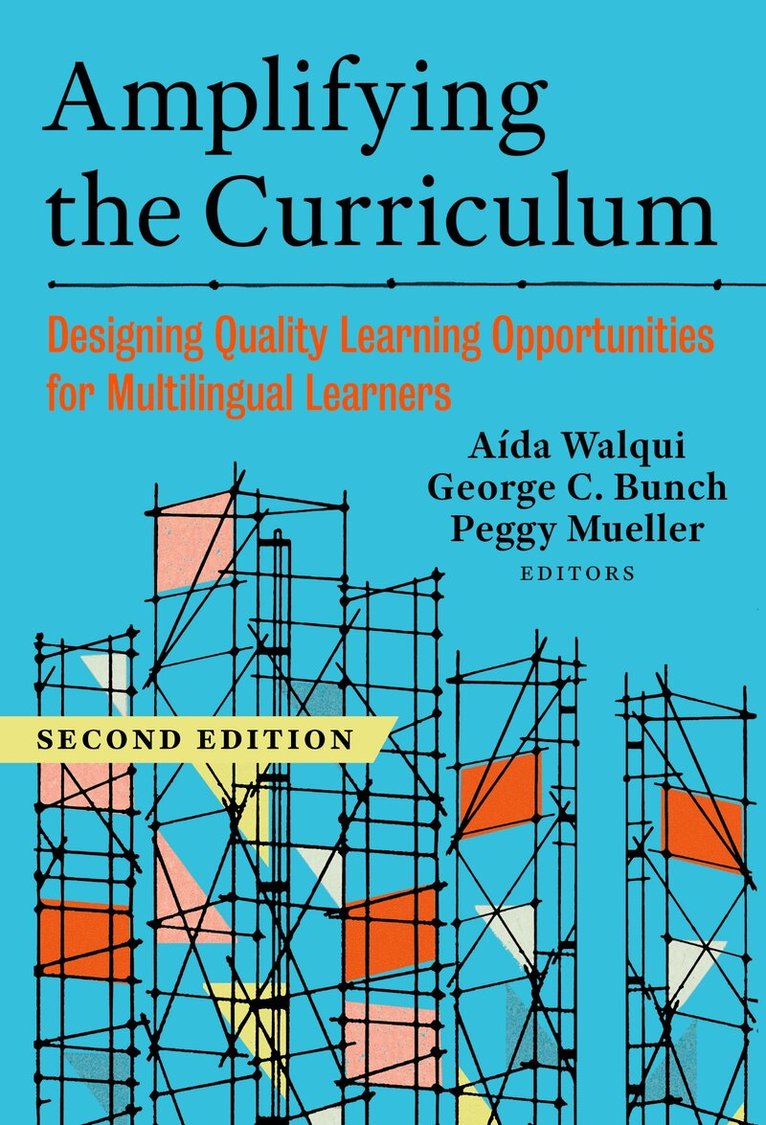
"This second edition is a fantastic resource for teachers of ELL–classified students and other multilingual learners." —Wayne E. Wright, Purdue University"A must-read for anybody committed to improving the education of multilingual learners." —Nelson Flores, Penn GSE"This meticulously crafted second edition is a book for our time, and for decades to come." —Magaly Lavadenz, Loyola Marymount University"What makes the second edition of this valuable guide so special is that the authors do not leave behind any multilingual learners." —Ofelia García, City University of New YorkExpanded and revised to include four entirely new chapters, this thoroughly updated edition presents a model for how educators can design high-quality, challenging, and supportive learning opportunities for multilingual learners. Starting with the premise that conceptual, analytic, and language practices develop simultaneously as students engage in disciplinary learning, the authors argue for instruction that amplifies—rather than simplifies—expectations, concepts, texts, and learning tasks. They offer clear guidance for designing well-supported lessons with examples that demonstrate the approach in elementary and secondary classrooms across various subject areas (math, science, language arts, and social studies) and contexts (including newcomer classrooms and a new chapter written in Spanish on instruction in students' home languages). This popular resource guides teachers through the coherent design of tasks, lessons, and units that invite all students to engage in productive, meaningful, dialogic, and intellectually engaging activity. The book concludes with a discussion of where teachers might begin and how teacher educators, professional development providers, and educational leaders can support them in these efforts.Book Features: Provides discipline-specific examples that are fully unpacked to guide teachers in creating ambitious and supportive learning tasks, lessons, and units of study.Supports teachers in their own instructional design by providing guiding tenets, a framework for designing lessons, and multiple examples in different subject areas. Offers a compelling argument, supported with examples and guidelines, that highlights the centrality of interactions in the development of student academic autonomy. Provides practical guidance grounded in sociocultural/ecological theory, applied linguistics, and theories about effective learning of disciplinary practices.Includes real-life lessons that have been successfully implemented in classrooms with multilingual learners at all levels of language proficiency.
Inbunden, Engelska, 2025
1 274 kr
Skickas inom 5-8 vardagar
"This second edition is a fantastic resource for teachers of ELL–classified students and other multilingual learners." —Wayne E. Wright, Purdue University"A must-read for anybody committed to improving the education of multilingual learners." —Nelson Flores, Penn GSE"This meticulously crafted second edition is a book for our time, and for decades to come." —Magaly Lavadenz, Loyola Marymount University"What makes the second edition of this valuable guide so special is that the authors do not leave behind any multilingual learners." —Ofelia García, City University of New YorkExpanded and revised to include four entirely new chapters, this thoroughly updated edition presents a model for how educators can design high-quality, challenging, and supportive learning opportunities for multilingual learners. Starting with the premise that conceptual, analytic, and language practices develop simultaneously as students engage in disciplinary learning, the authors argue for instruction that amplifies—rather than simplifies—expectations, concepts, texts, and learning tasks. They offer clear guidance for designing well-supported lessons with examples that demonstrate the approach in elementary and secondary classrooms across various subject areas (math, science, language arts, and social studies) and contexts (including newcomer classrooms and a new chapter written in Spanish on instruction in students' home languages). This popular resource guides teachers through the coherent design of tasks, lessons, and units that invite all students to engage in productive, meaningful, dialogic, and intellectually engaging activity. The book concludes with a discussion of where teachers might begin and how teacher educators, professional development providers, and educational leaders can support them in these efforts.Book Features: Provides discipline-specific examples that are fully unpacked to guide teachers in creating ambitious and supportive learning tasks, lessons, and units of study.Supports teachers in their own instructional design by providing guiding tenets, a framework for designing lessons, and multiple examples in different subject areas. Offers a compelling argument, supported with examples and guidelines, that highlights the centrality of interactions in the development of student academic autonomy. Provides practical guidance grounded in sociocultural/ecological theory, applied linguistics, and theories about effective learning of disciplinary practices.Includes real-life lessons that have been successfully implemented in classrooms with multilingual learners at all levels of language proficiency.
Inbunden, Engelska, 2016
1 211 kr
Skickas inom 10-15 vardagar
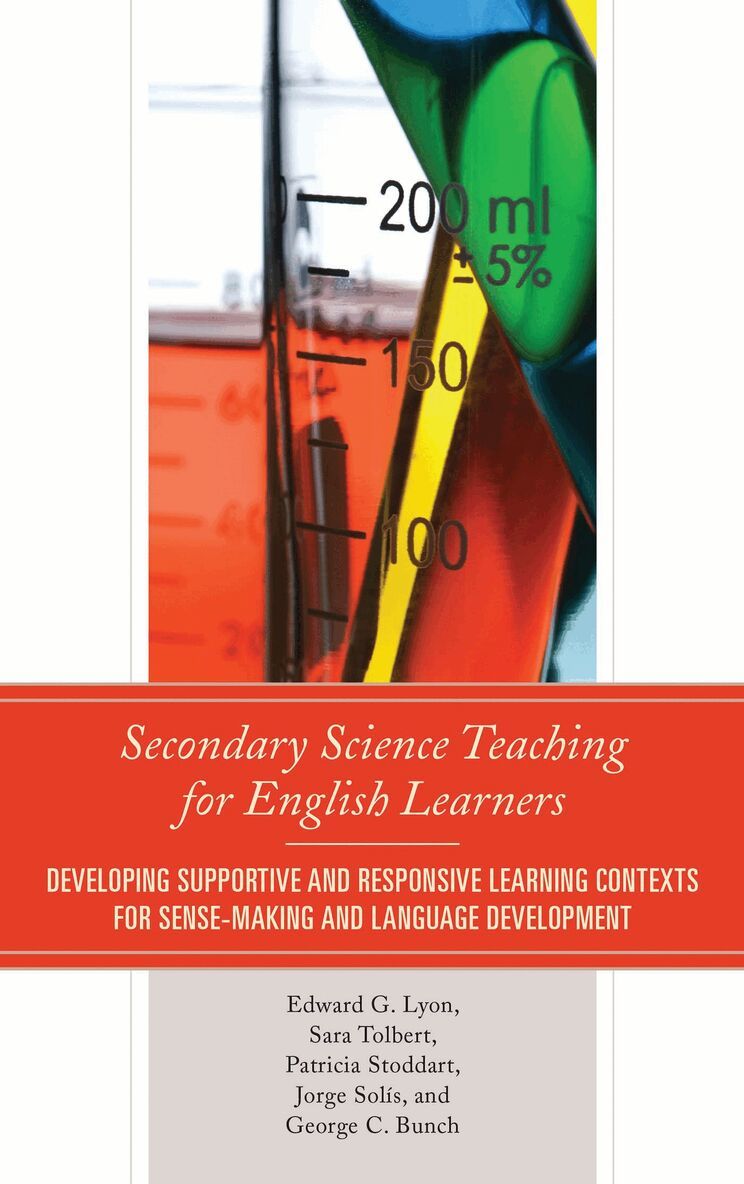
Secondary Science Teaching for English Learners: Developing Supportive and Responsive Learning Context for Sense-making and Language Development provides a resource for multiple audiences, including pre- and in-service secondary science teachers, science teacher educators, instructional coaches, curriculum specialists, and administrators, to learn about a research-based approach to teaching science that responds to the growing population of English learners in the United States. The book offers clear definitions of pedagogical practices supported by classroom examples and a cohesive framework for teaching science in linguistically diverse classrooms. The Secondary Science Teaching with English Language and Literacy Acquisition (or SSTELLA) Framework addresses how learning science is enhanced through meaningful and relevant learning experiences that integrate discipline-specific literacy. In particular, four core science teaching practices are described: (1) contextualized science activity, (2) scientific sense-making through scientific and engineering practices, (3) scientific discourse, and (4) English language and disciplinary literacy development. These four core practices are supported by sound theory and research based on unscripted guidelines and flexible modifications of science lessons. Moreover, the four interrelated practices promote students’ use of core science ideas while reading, writing, talking, and doing science, thus reflecting principles from Next Generation Science Standards, Common Core State Standards for English Language Arts, and English language proficiency standards. Secondary Science Teaching provides readers with a historical and theoretical basis for integrating language, literacy, and science in multilingual science classrooms, and well as explicit models and guided support teachers in enacting effective teaching practices in the classroom, including comparative vignettes to distinguish between different types of classroom practice.
Häftad, Engelska, 2016
569 kr
Skickas inom 10-15 vardagar
Secondary Science Teaching for English Learners: Developing Supportive and Responsive Learning Context for Sense-making and Language Development provides a resource for multiple audiences, including pre- and in-service secondary science teachers, science teacher educators, instructional coaches, curriculum specialists, and administrators, to learn about a research-based approach to teaching science that responds to the growing population of English learners in the United States. The book offers clear definitions of pedagogical practices supported by classroom examples and a cohesive framework for teaching science in linguistically diverse classrooms. The Secondary Science Teaching with English Language and Literacy Acquisition (or SSTELLA) Framework addresses how learning science is enhanced through meaningful and relevant learning experiences that integrate discipline-specific literacy. In particular, four core science teaching practices are described: (1) contextualized science activity, (2) scientific sense-making through scientific and engineering practices, (3) scientific discourse, and (4) English language and disciplinary literacy development. These four core practices are supported by sound theory and research based on unscripted guidelines and flexible modifications of science lessons. Moreover, the four interrelated practices promote students’ use of core science ideas while reading, writing, talking, and doing science, thus reflecting principles from Next Generation Science Standards, Common Core State Standards for English Language Arts, and English language proficiency standards. Secondary Science Teaching provides readers with a historical and theoretical basis for integrating language, literacy, and science in multilingual science classrooms, and well as explicit models and guided support teachers in enacting effective teaching practices in the classroom, including comparative vignettes to distinguish between different types of classroom practice.
Del 143 - Bilingual Education & Bilingualism
Equity in Multilingual Schools and Communities
Celebrating the Contributions of Guadalupe Valdés
Häftad, Engelska, 2024
489 kr
Skickas
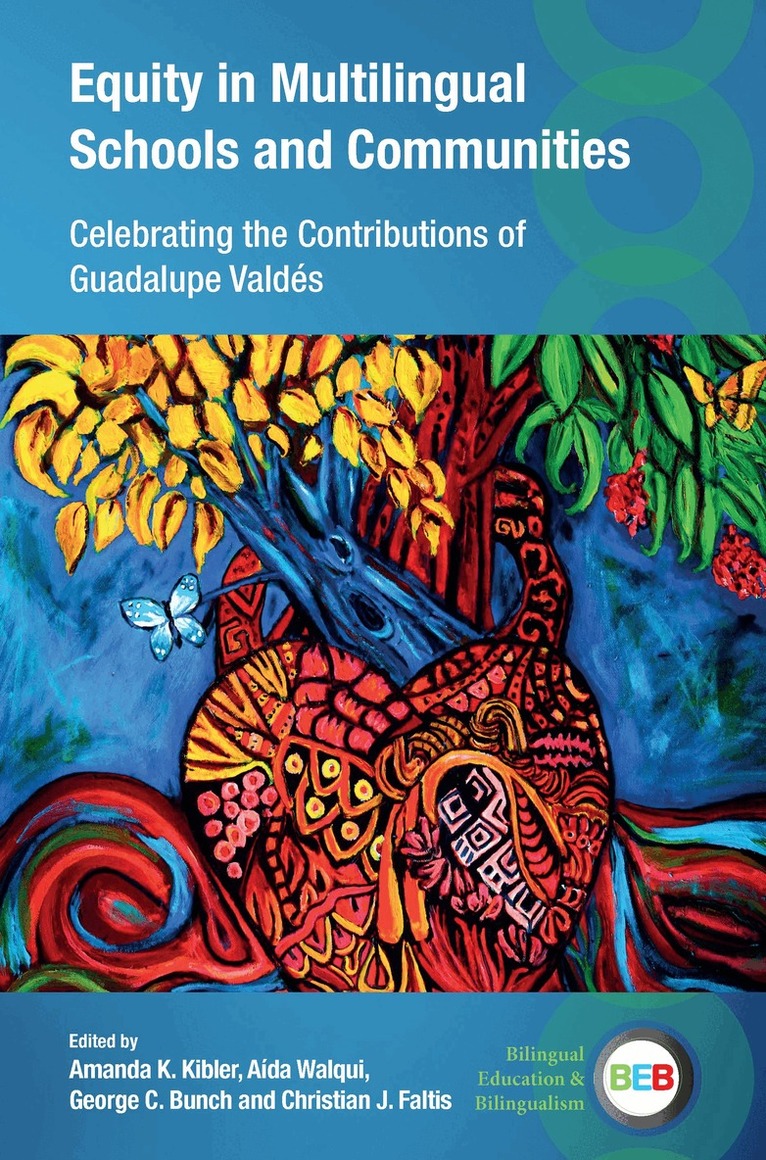
A unique collection honoring Guadalupe Valdés’ impact in the fields of bilingualism, language teaching and equity and access in education.This book honors the impactful contributions of Guadalupe Valdés toward equity in multilingual schools and communities. As one of the first language education scholars to examine the vibrant language practices of bilingual users in the US Southwest, her work marked a departure from traditional foreign language approaches and sparked a movement focused on valuing heritage languages and creating more equitable educational systems for young people from linguistically minoritized backgrounds.Influenced by the work of Professor Valdés, the contributors to this book draw on multiple aspects of her research to look at new ways of addressing equity and social justice for multilingual users in schools and communities.Chapters focus on three major areas of her work: the nature of languages and literacies in multilingual contexts, language development in classrooms and communities, and equity and access. At the end of each section, short interludes describe contributors’ personal experiences of learning from and with Professor Valdés, providing insight into the practices of mentorship and professional development within the field.This volume will appeal to students and researchers across bilingualism, applied linguistics and education, offering an overview of developments in these fields and directions for future research on equity in multilingual educational settings.
Del 143 - Bilingual Education & Bilingualism
Equity in Multilingual Schools and Communities
Celebrating the Contributions of Guadalupe Valdés
Inbunden, Engelska, 2024
1 701 kr
Skickas inom 5-8 vardagar
A unique collection honoring Guadalupe Valdés’ impact in the fields of bilingualism, language teaching and equity and access in education.This book honors the impactful contributions of Guadalupe Valdés toward equity in multilingual schools and communities. As one of the first language education scholars to examine the vibrant language practices of bilingual users in the US Southwest, her work marked a departure from traditional foreign language approaches and sparked a movement focused on valuing heritage languages and creating more equitable educational systems for young people from linguistically minoritized backgrounds.Influenced by the work of Professor Valdés, the contributors to this book draw on multiple aspects of her research to look at new ways of addressing equity and social justice for multilingual users in schools and communities.Chapters focus on three major areas of her work: the nature of languages and literacies in multilingual contexts, language development in classrooms and communities, and equity and access. At the end of each section, short interludes describe contributors’ personal experiences of learning from and with Professor Valdés, providing insight into the practices of mentorship and professional development within the field.This volume will appeal to students and researchers across bilingualism, applied linguistics and education, offering an overview of developments in these fields and directions for future research on equity in multilingual educational settings.