George C. Galster – författare
Visar alla böcker från författaren . Handla med fri frakt och snabb leverans.
9 produkter
9 produkter
Häftad, Engelska, 2006
779 kr
Skickas inom 10-15 vardagar
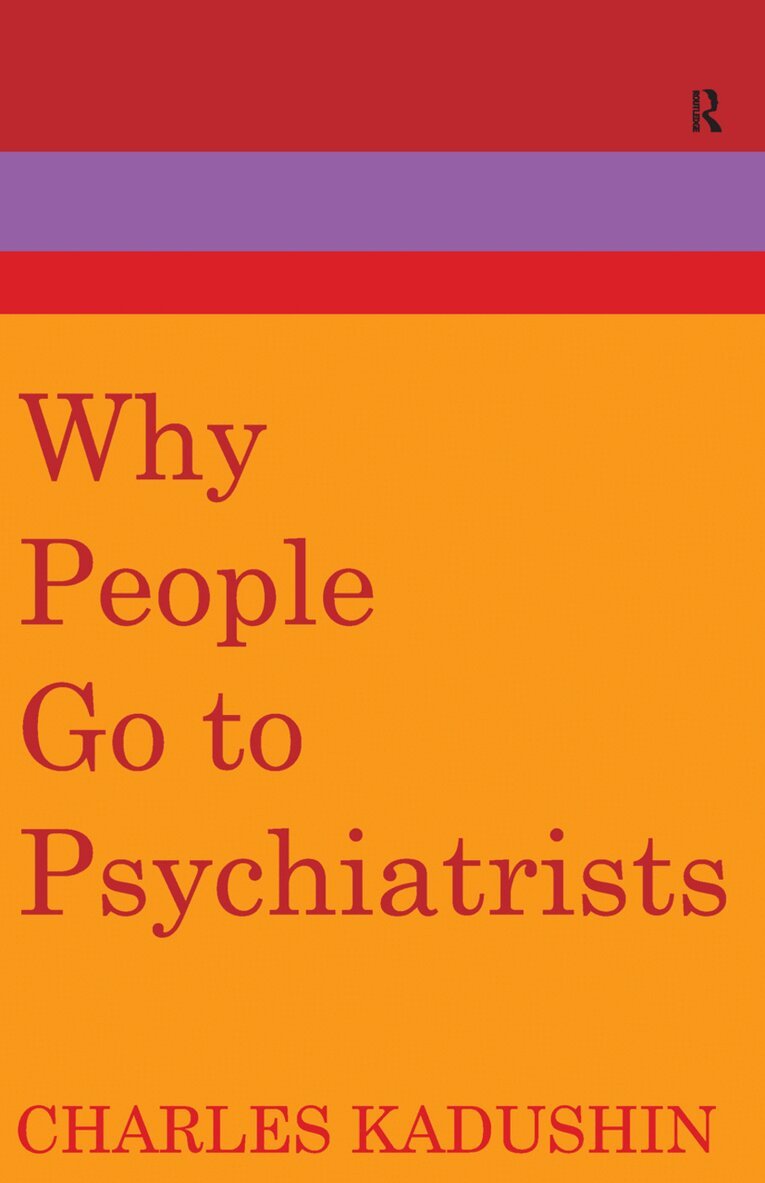
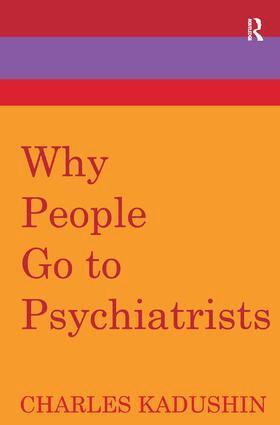
This is the first examination in depth of the reasons and ways that people seek psychiatric help. Viewing contemporary metropolitan life from the standpoint of an experienced social analyst, Charles Kadushin deals with such issues as, why people believe they have emotional problems, what types of problems send them to psychiatrists, how, why, and by whom potential patients are told they are disturbed, why people choose psychiatry over other healing methods, and why many people do not receive treatment from the sources to which they apply.The author develops a new theory of social circles, describing how people move in a network of friends and acquaintances with varying degrees of knowledge of and interest in psychiatry. This factor affects decisions to obtain professional help and also has bearing on the types of problems presented. The study encompasses a wide variety of persons in a complex community environment--New York City, the psychotherapy capital of the world. The basic data were obtained from 1,500 patients in ten psychiatric clinics in three major treatment areas medical, analytic, and religio-psychiatric.The book provides new insights into the motivations of the patients as well as information about their social setting. It is an informative and engrossing work for students and scholars; for sociologists in the areas of medicine and mental health; for psychiatrists, clinical psychologists, and social workers actively engaged in treatment and casework; and for all professionals in the community health field.
Inbunden, Engelska, 2019
487 kr
Skickas inom 5-8 vardagar
Urban theorists have tried for decades to define exactly what a neighborhood is. But behind that daunting existential question lies a much murkier problem: never mind how you define them—how do you make neighborhoods productive and fair for their residents? In Making Our Neighborhoods, Making Our Selves, George Galster delves deep into the question of whether American neighborhoods are as efficient and equitable as they could be—socially, financially, and emotionally—and, if not, what we can do to change that. Galster aims to redefine the relationship between places and people, promoting specific policies that reduce inequalities in housing markets and beyond. Drawing on economics, sociology, geography, and psychology, Making Our Neighborhoods, Making Our Selves delivers a clear-sighted explanation of what neighborhoods are, how they come to be—and what they should be.
E-bok
Engelska, 2019657 kr
Läs direkt efter köp
Drawing on economics, sociology, geography, and psychology, Galster delivers a clear-sighted explanation of what neighborhoods are, how they come to be—and what they should be. Urban theorists have tried for decades to define exactly what a neighborhood is. But behind that daunting existential question lies a much murkier problem: never mind how you define them—how do you make neighborhoods productive and fair for their residents? In Making Our Neighborhoods, Making Our Selves, George C. Galster delves deep into the question of whether American neighborhoods are as efficient and equitable as they could be—socially, financially, and emotionally—and, if not, what we can do to change that. Galster aims to redefine the relationship between places and people, promoting specific policies that reduce inequalities in housing markets and beyond.
Häftad, Engelska, 2024
333 kr
Skickas inom 5-8 vardagar
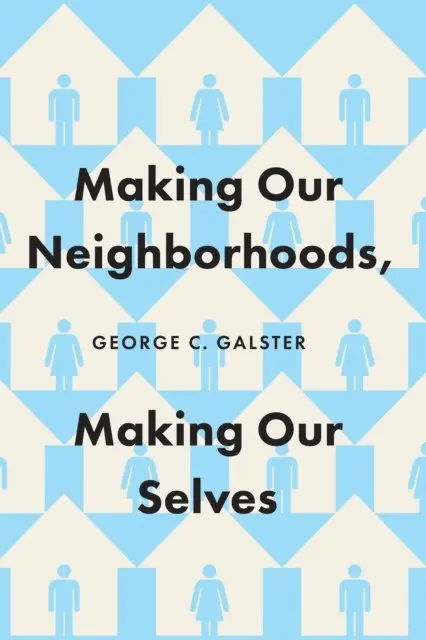
Drawing on economics, sociology, geography, and psychology, Galster delivers a clear-sighted explanation of what neighborhoods are, how they come to be—and what they should be.Urban theorists have tried for decades to define exactly what a neighborhood is. But behind that daunting existential question lies a much murkier problem: never mind how you define them—how do you make neighborhoods productive and fair for their residents? In Making Our Neighborhoods, Making Our Selves, George C. Galster delves deep into the question of whether American neighborhoods are as efficient and equitable as they could be—socially, financially, and emotionally—and, if not, what we can do to change that. Galster aims to redefine the relationship between places and people, promoting specific policies that reduce inequalities in housing markets and beyond.
Häftad, Engelska, 1992
479 kr
Skickas inom 10-15 vardagar
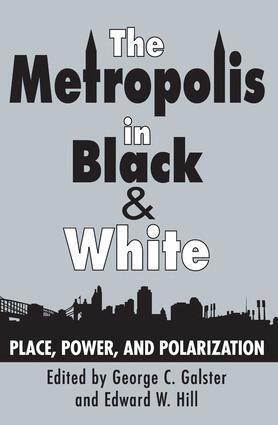
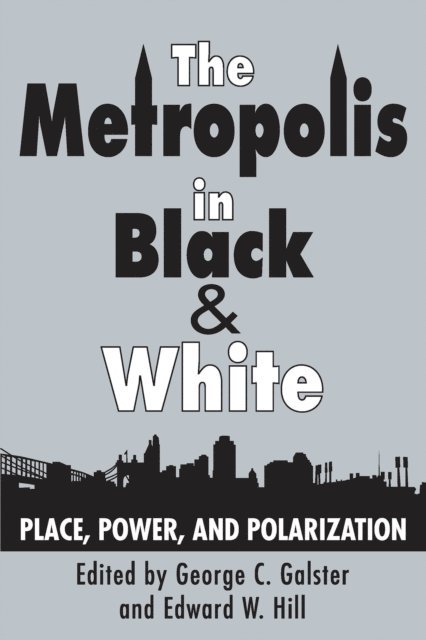
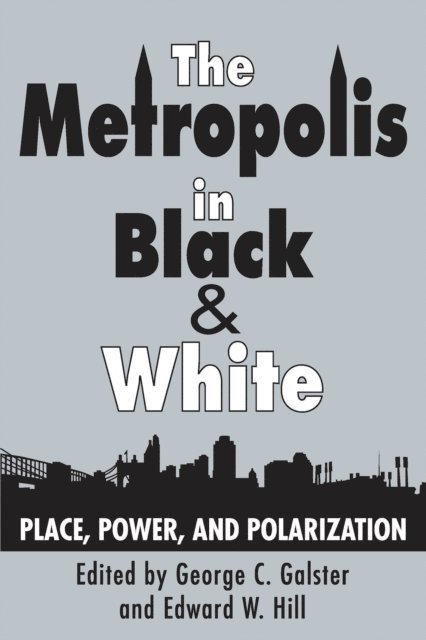
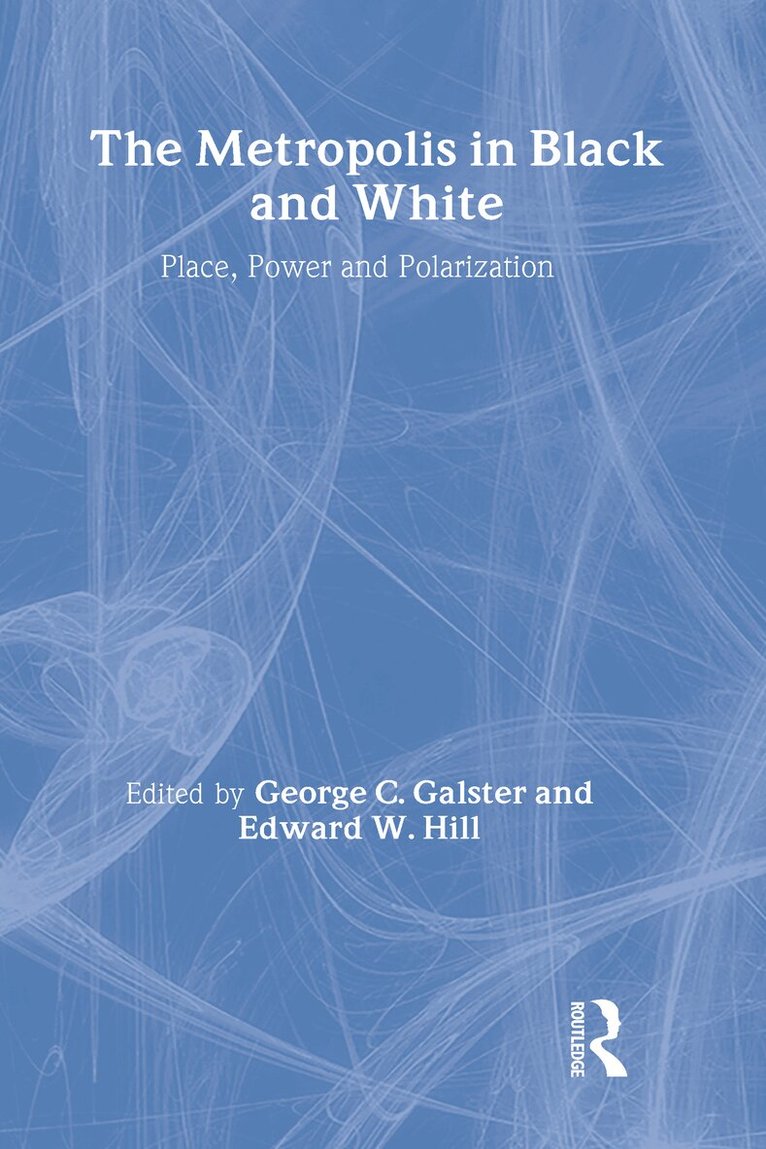
The Metropolis in Black and White highlights a stark fact: America's metropolitan areas are more polarized along racial lines than at any time since the mid-1960s. Though urban areas have become multicultural, the editors argue that black-white racial differences will outlast ethnic differences in metropolitan America and that the race issue in most urban areas is perceived as a black-white one. Galster and Hill perceive that the theme of place, power, and polarization is most powerful when blacks and whites are contrasted. African Americans, on average, are the poorest, most segregated, most disadvantaged urban racial (or ethnic) group, because they are deeply entangled in the web of interrelationships connecting place, power, and polarization. Since these interrelationships form a comprehensive set of social structures that oppress African Americans, they can be judged to be racist at their core. Race, not merely class, continues to play a pivotal role in shaping urban African Americans. In clear analyses, the contributors examine employment, income, the underclass, education, housing, health and mortality, political participation, and racial politics. Intertwined themes of spatial isolation, political empowerment, and racial disparities-place, power, and polarization-guide the analyses. Thisis a vital text for courses in urban affairs, American studies, economics, geography, sociology, political science, urban planning, and racial and ethnic studies. In clear analyses, the contributors examine employment, income, the underclass, education, housing, health and mortality, political participation, and racial politics. Intertwined themes of spatial isolation, political empowerment, and racial disparities-place, power, and polarization-guide the analyses. This is a vital text for courses in urban affairs, American studies, economics, geography, sociology, political science, urban planning, and racial and ethnic studies.
Inbunden, Engelska, 2017
2 328 kr
Skickas inom 10-15 vardagar
This is the first examination in depth of the reasons and ways that people seek psychiatric help. Viewing contemporary metropolitan life from the standpoint of an experienced social analyst, Charles Kadushin deals with such issues as, why people believe they have emotional problems, what types of problems send them to psychiatrists, how, why, and by whom potential patients are told they are disturbed, why people choose psychiatry over other healing methods, and why many people do not receive treatment from the sources to which they apply.The author develops a new theory of social circles, describing how people move in a network of friends and acquaintances with varying degrees of knowledge of and interest in psychiatry. This factor affects decisions to obtain professional help and also has bearing on the types of problems presented. The study encompasses a wide variety of persons in a complex community environment--New York City, the psychotherapy capital of the world. The basic data were obtained from 1,500 patients in ten psychiatric clinics in three major treatment areas medical, analytic, and religio-psychiatric.The book provides new insights into the motivations of the patients as well as information about their social setting. It is an informative and engrossing work for students and scholars; for sociologists in the areas of medicine and mental health; for psychiatrists, clinical psychologists, and social workers actively engaged in treatment and casework; and for all professionals in the community health field.
E-bok
Engelska, 2017538 kr
Läs direkt efter köp
The Metropolis in Black and White highlights a stark fact: America''s metropolitan areas are more polarized along racial lines than at any time since the mid-1960s. Though urban areas have become multicultural, the editors argue that black-white racial differences will outlast ethnic differences in metropolitan America and that the race issue in most urban areas is perceived as a black-white one. Galster and Hill perceive that the theme of place, power, and polarization is most powerful when blacks and whites are contrasted. African Americans, on average, are the poorest, most segregated, most disadvantaged urban racial (or ethnic) group, because they are deeply entangled in the web of interrelationships connecting place, power, and polarization. Since these interrelationships form a comprehensive set of social structures that oppress African Americans, they can be judged to be racist at their core. Race, not merely class, continues to play a pivotal role in shaping urban African Americans. In clear analyses, the contributors examine employment, income, the underclass, education, housing, health and mortality, political participation, and racial politics. Intertwined themes of spatial isolation, political empowerment, and racial disparities-place, power, and polarization-guide the analyses. Thisis a vital text for courses in urban affairs, American studies, economics, geography, sociology, political science, urban planning, and racial and ethnic studies. In clear analyses, the contributors examine employment, income, the underclass, education, housing, health and mortality, political participation, and racial politics. Intertwined themes of spatial isolation, political empowerment, and racial disparities-place, power, and polarization-guide the analyses. This is a vital text for courses in urban affairs, American studies, economics, geography, sociology, political science, urban planning, and racial and ethnic studies.
E-bok
PDF, Engelska, 2017537 kr
Läs direkt efter köp
The Metropolis in Black and White highlights a stark fact: America''s metropolitan areas are more polarized along racial lines than at any time since the mid-1960s. Though urban areas have become multicultural, the editors argue that black-white racial differences will outlast ethnic differences in metropolitan America and that the race issue in most urban areas is perceived as a black-white one. Galster and Hill perceive that the theme of place, power, and polarization is most powerful when blacks and whites are contrasted. African Americans, on average, are the poorest, most segregated, most disadvantaged urban racial (or ethnic) group, because they are deeply entangled in the web of interrelationships connecting place, power, and polarization. Since these interrelationships form a comprehensive set of social structures that oppress African Americans, they can be judged to be racist at their core. Race, not merely class, continues to play a pivotal role in shaping urban African Americans. In clear analyses, the contributors examine employment, income, the underclass, education, housing, health and mortality, political participation, and racial politics. Intertwined themes of spatial isolation, political empowerment, and racial disparities-place, power, and polarization-guide the analyses. Thisis a vital text for courses in urban affairs, American studies, economics, geography, sociology, political science, urban planning, and racial and ethnic studies. In clear analyses, the contributors examine employment, income, the underclass, education, housing, health and mortality, political participation, and racial politics. Intertwined themes of spatial isolation, political empowerment, and racial disparities-place, power, and polarization-guide the analyses. This is a vital text for courses in urban affairs, American studies, economics, geography, sociology, political science, urban planning, and racial and ethnic studies.
Inbunden, Engelska, 1992
1 099 kr
Tillfälligt slut
The Metropolis in Black and White highlights a stark fact: America's metropolitan areas are more polarized along racial lines than at any time since the mid-1960s. Though urban areas have become multicultural, the editors argue that black-white racial differences will outlast ethnic differences in metropolitan America and that the race issue in most urban areas is perceived as a black-white one. Galster and Hill perceive that the theme of place, power, and polarization is most powerful when blacks and whites are contrasted. African Americans, on average, are the poorest, most segregated, most disadvantaged urban racial (or ethnic) group, because they are deeply entangled in the web of interrelationships connecting place, power, and polarization. Since these interrelationships form a comprehensive set of social structures that oppress African Americans, they can be judged to be racist at their core. Race, not merely class, continues to play a pivotal role in shaping urban African Americans. In clear analyses, the contributors examine employment, income, the underclass, education, housing, health and mortality, political participation, and racial politics. Intertwined themes of spatial isolation, political empowerment, and racial disparities-place, power, and polarization-guide the analyses. Thisis a vital text for courses in urban affairs, American studies, economics, geography, sociology, political science, urban planning, and racial and ethnic studies. In clear analyses, the contributors examine employment, income, the underclass, education, housing, health and mortality, political participation, and racial politics. Intertwined themes of spatial isolation, political empowerment, and racial disparities-place, power, and polarization-guide the analyses. This is a vital text for courses in urban affairs, American studies, economics, geography, sociology, political science, urban planning, and racial and ethnic studies.