George Dimitri Sawa - Böcker
Visar alla böcker från författaren George Dimitri Sawa. Handla med fri frakt och snabb leverans.
7 produkter
7 produkter
Del 110 - Islamic History and Civilization
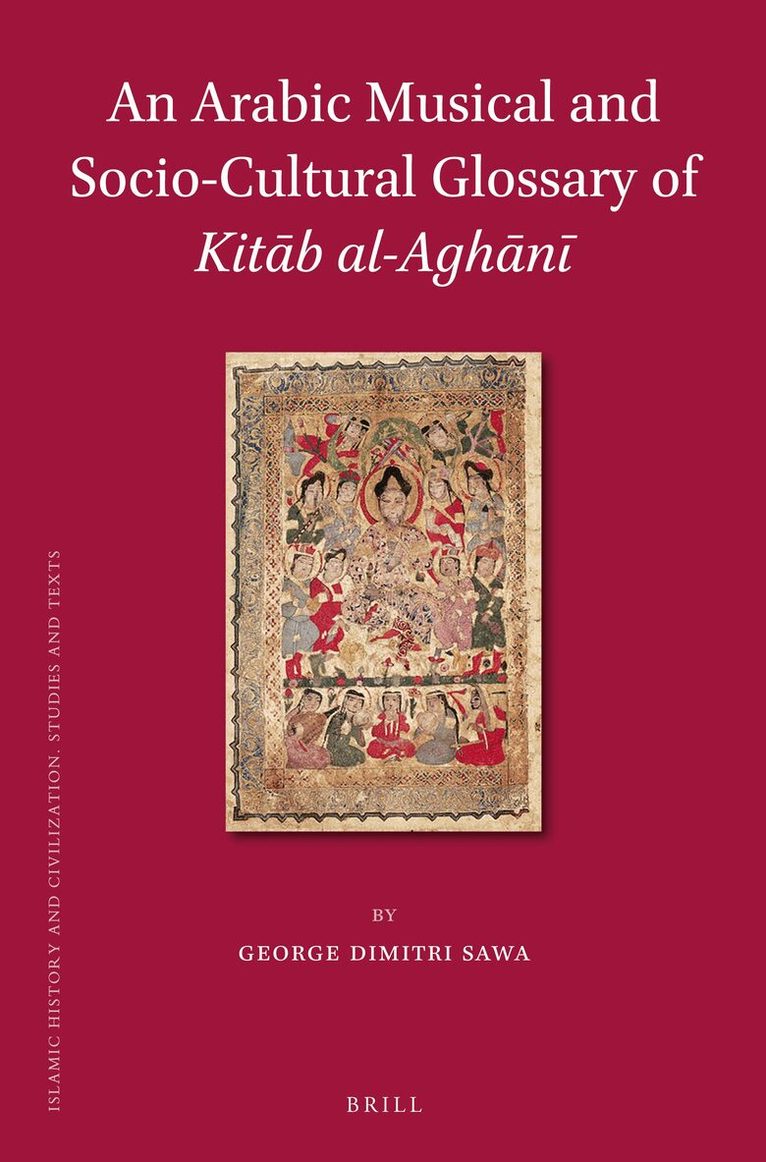
Arabic Musical and Socio-Cultural Glossary of Kitāb al-Aghānī
Inbunden, Arabiska, 2015
3 014 kr
Skickas inom 5-8 vardagar
George Dimitri Sawa’s Arabic Musical and Socio-Cultural Glossary of Kitāb al-Aghānī is the first comprehensive lexicographical study of Umayyad and early Abbāsid-era music theory and practices. It defines melodic and rhythmic modes, musical forms, instruments, technical terms and metaphors used in evaluating compositions and performances, and the emotional effects of ṭarab. It explains the processes of composition and learning, performance practice, musical change and aesthetics, and addresses the behavior of court musicians to help understand societal views of music. Medieval dictionaries, reference works on Arabic literature, theoretical treatises as well as full quotations from the Aghānī are used. This glossary will be of interest to scholars and students of the music and socio-cultural history of the early Islamic era.
Del 159 - Islamic History and Civilization
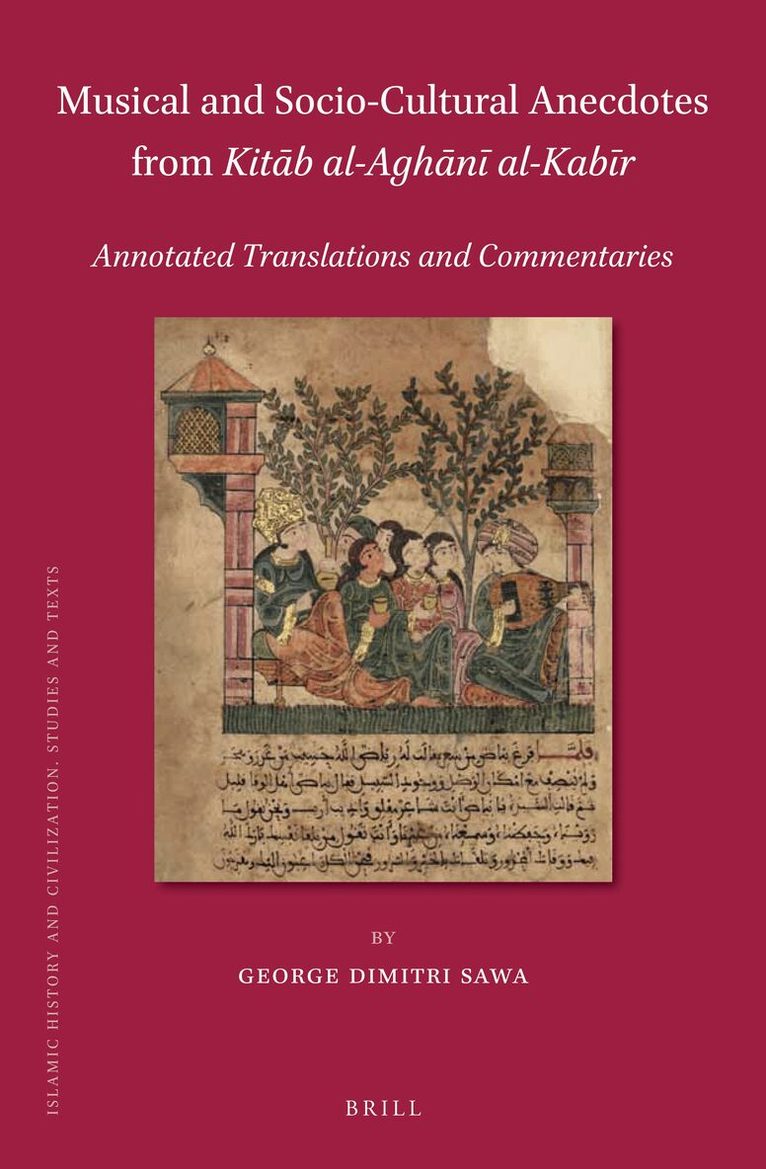
Musical and Socio-Cultural Anecdotes from Kitāb al-Aghānī al-Kabīr
Annotated Translations and Commentaries
Inbunden, Engelska, 2019
2 759 kr
Skickas inom 5-8 vardagar
The present volume consists of translated anecdotes, on musicological and socio-cultural topics, from al-Iṣbahānī’s Kitāb al-Aghānī al-Kabīr (The Grand Book of Songs) with annotations and commentaries. It deals with musical rhythmic and melodic modes, technical terms and treatises; music instruments; composition techniques and processes; education and oral/written transmissions; vocal and instrumental performances and their aesthetics; solo and ensemble music; change and its inevitability; musical and textual improvisations; ṭarab and the acute emotions of joy or grief; medieval dances; social status. Though extracts from The Grand Book of Songs have been translated in European languages since 1816, this work presents a much larger and more comprehensive scope that will benefit musicologists, medievalist and Middle Eastern scholars as well as the general reader.
Del 215 - Islamic History and Civilization
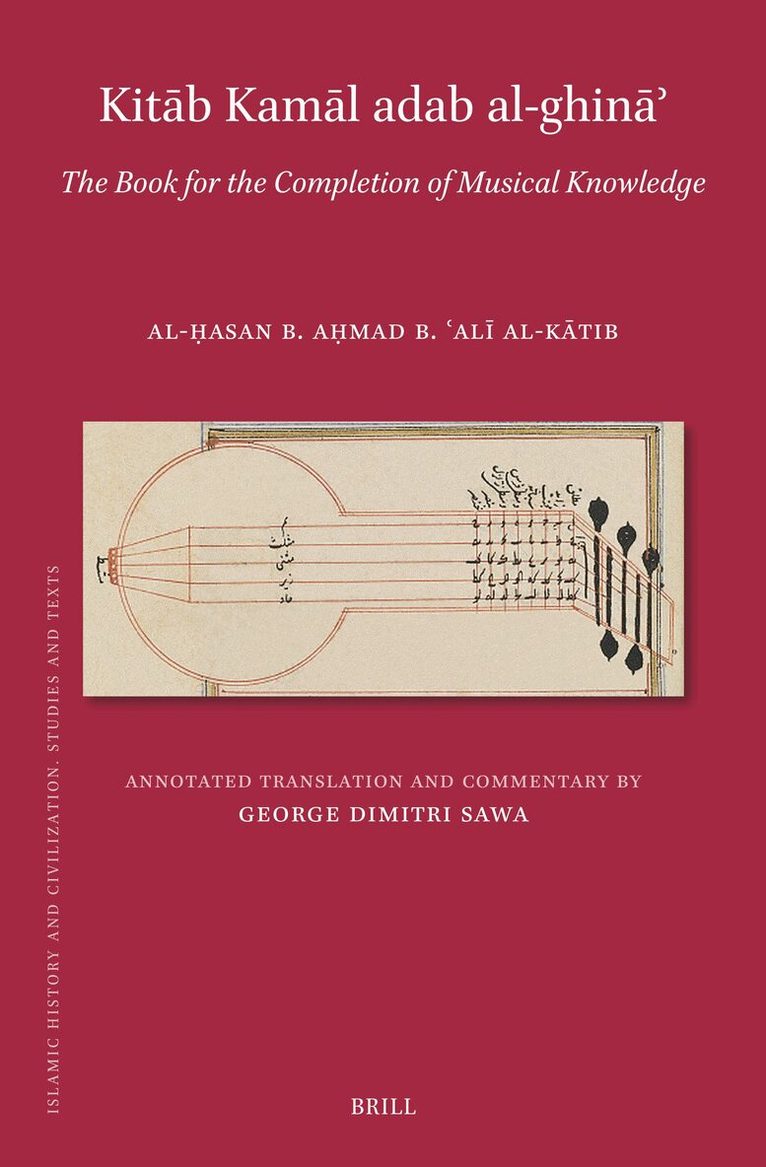
Kitāb Adab al-ghināʾ
The Book For The Completion of Musical Knowledge
Inbunden, Engelska, 2024
2 200 kr
Skickas inom 3-6 vardagar
The Book for the Completion of Musical Knowledge is one of two unique treatises coming down to us from the 11th century; the other is Encompasser of the Arts of Ibn al- Ṭaḥḥān al-Mūsīqī. Both are written by practicing musicians and composers, and as such provide, a most welcome musical practices supplement to the tenth-century legacy of music theory and literature, namely, the works of al-Fārābī and al-Iṣfahānī. In composition, al-Kātib provides useful details regarding the process to set a poem to music; in education, he advises students on how to choose a good teacher; in performance, he advises students about to breathe properly and how to ornament vocal and instrumental music.
Del 184 - Islamic History and Civilization
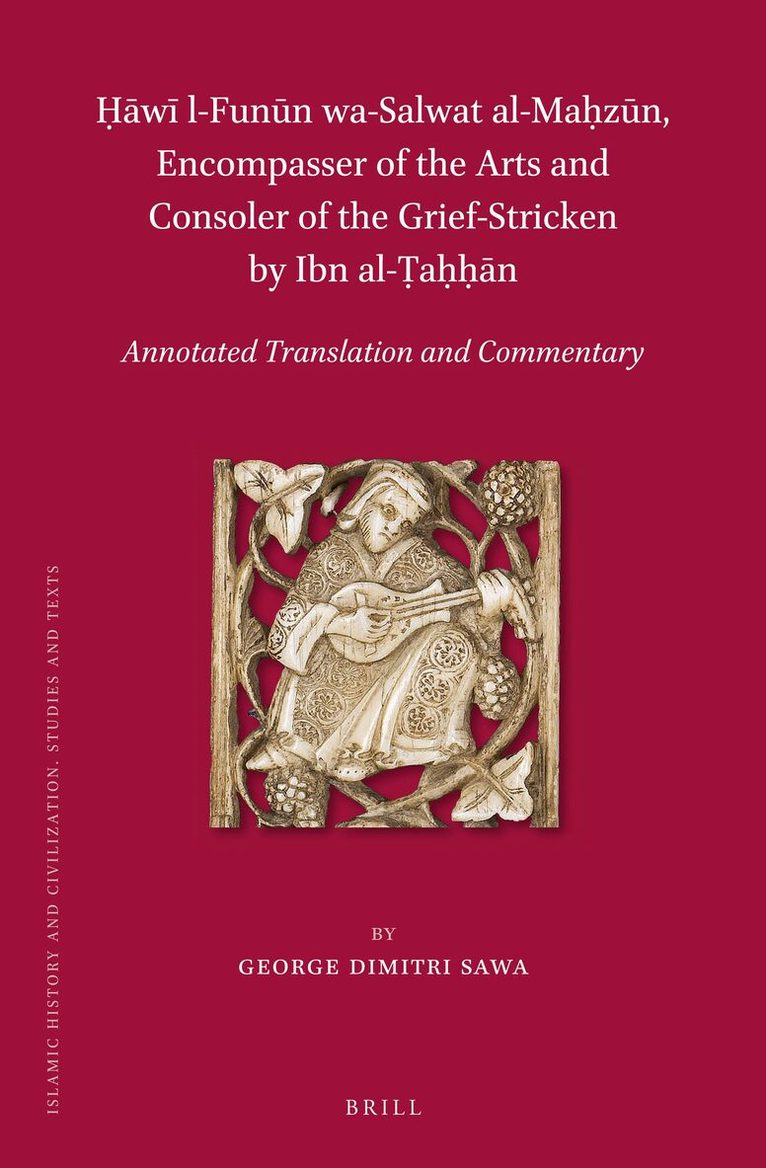
Ḥāwī l-Funūn wa-Salwat al-Maḥzūn, Encompasser of the Arts and Consoler of the Grief-Stricken by Ibn al-Ṭaḥḥān
Annotated Translation and Commentary
Inbunden, Engelska, 2021
2 603 kr
Skickas inom 5-8 vardagar
Ḥāwī l-Funūn (Encompasser of the Arts) of Ibn al-Ṭaḥḥān (d. ca. 1057) is a medieval Arabic music dictionary that complements other sources because of the practical knowledge of the author who was an accomplished singer, lutenist and composer.The first part in 80 chapters deals with compositions; voice production and characteristics, unison and duet singing, taking care of the voice; preludes, ornaments, ṭarab; the importance of tonality; approaches to teaching; musical and extra-musical behavior at the court; names of Syrian Fatimid and Ishshīdid singers.The second part in 22 chapters includes lute manufacturing, frets placement, stringing and tuning; 47 rhythmic ornaments, names and definitions of rhythmic and melodic modes; types of dances; descriptions of 12 instruments.
Del 14 - Studies on Performing Arts & Literature of the Islamicate World
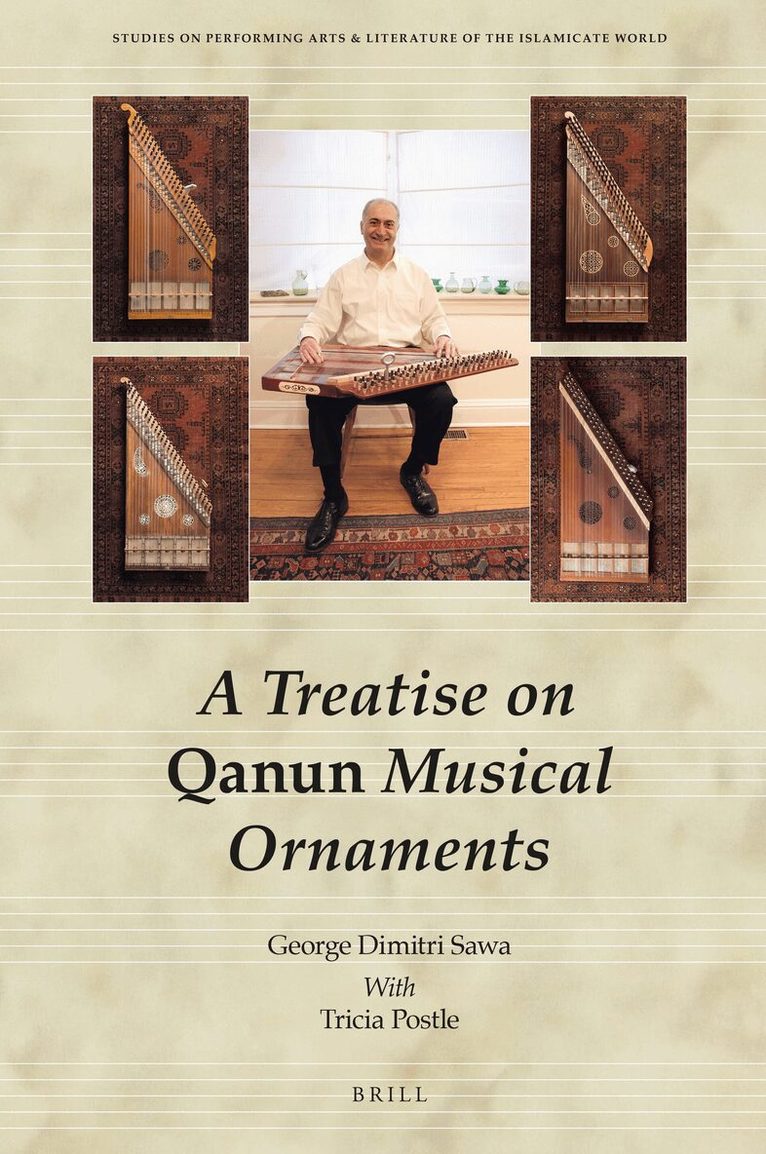
Treatise on Qanun Musical Ornaments
Risāla fī Zakhārif al-Qānūn al-Mūsīqiyya
Inbunden, Arabiska, 2022
1 568 kr
Skickas inom 5-8 vardagar
The present volume is a double edition in English and Arabic about the art of ornamentations in the performance of the Arabic qanun (psaltery), and a historical document spanning more than one hundred years. It is based on George Sawa's experience as an artist and performer, as well as the experience of his teachers and their teachers. For the latter, Dr Sawa used his recollections of what his teachers said about their teachers, as well as recordings made by European companies that recorded their works on 78 rpm at the beginning of the 20th century. .
Del 206 - Islamic History and Civilization
Mutʿat al-asmāʿ fī ʿilm al-samāʿ, The Ears’ Pleasure and the Science of Listening to Music by Aḥmad b. Yūsuf al-Tīfāshī al-Qafṣī (580-651/1184-1253)
Inbunden, Engelska, 2023
1 700 kr
Skickas inom 5-8 vardagar
The manuscript from the thirteenth century deals with musicians’ behaviour at the court; singers'qualities; the eminence of music and its effect on people and animals; the importance of drinking when listening to music; the process of composition; rhythmic and melodic modes, and repertoire in Andalusia, the Maghreb, Persia and the Middle East; Andalusian song lyrics and the appearance of new poetic forms such as the zajal and the muwashshaḥ; Andalusian musical instruments; dances of Egypt, Iraq, Syria, India and China; Andalusian dances and shadow plays and shadow dancers; aesthetics of dance; poems describing the dances.
Del 227 - Islamic History and Civilization
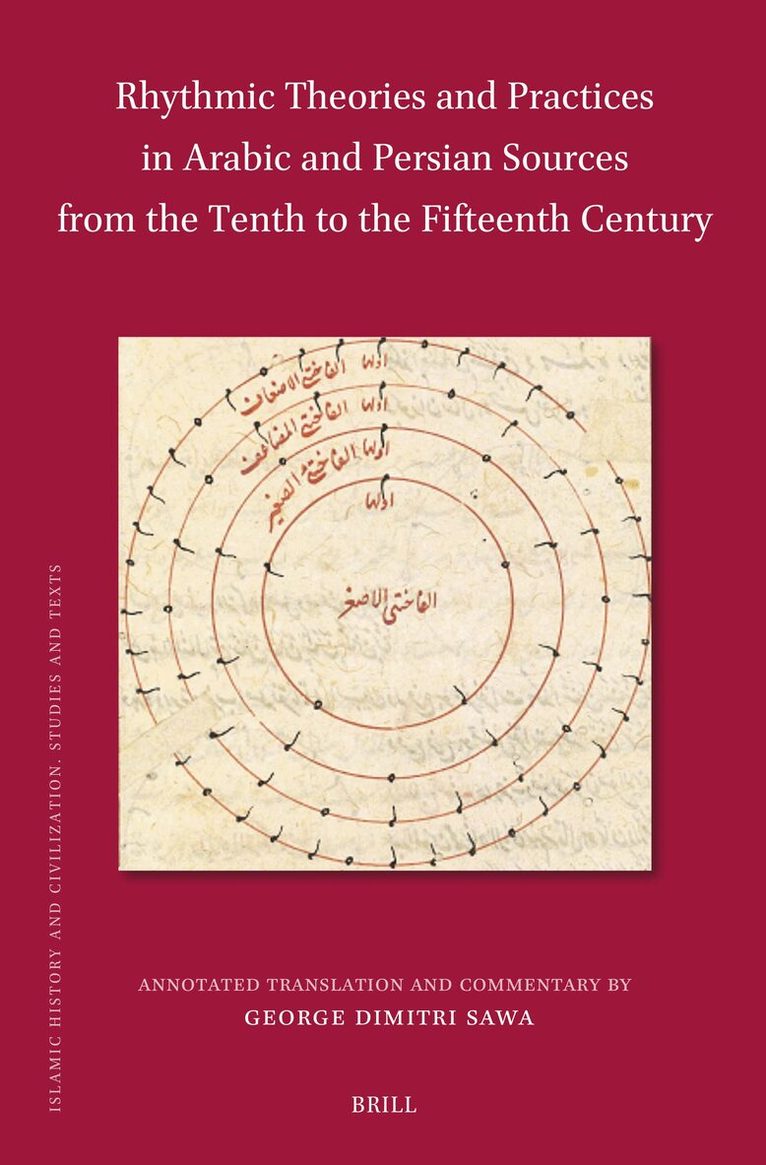
Rhythmic Theories and Practices in Arabic and Persian Sources from the Tenth to the Fifteenth Century
Annotated Translation and Commentary
Inbunden, Arabiska, 2025
2 801 kr
Skickas inom 3-6 vardagar
The book deals with rhythmic theories and practices in Arabic and Persian sources from the 10th to the 15th century. Sources prior to the 10th century are summarized as a basis for the theories that follow from the 10th to the 15th century. They include the works of Ikhwān al-Ṣafāʾ, Ibn Sīnā, Ibn Zayla, al-Kātib, Ibn al-Ṭaḥḥān, al-Tīfāshī, and the ground breaking works of al-Urmawī with his novel circular notation that survived up to the 20th century. They also include the works of al-Marāghī who invented many long rhythmic modes, and the works of al-Shirwānī, al-Lādh9qī and Awbahī. The work summarizes the definition of all the rhythmic modes in alphabetical listing.