George E. Demacopoulos – författare
Visar alla böcker från författaren George E. Demacopoulos. Handla med fri frakt och snabb leverans.
18 produkter
18 produkter
Häftad, Engelska, 2006
374 kr
Skickas inom 10-15 vardagar
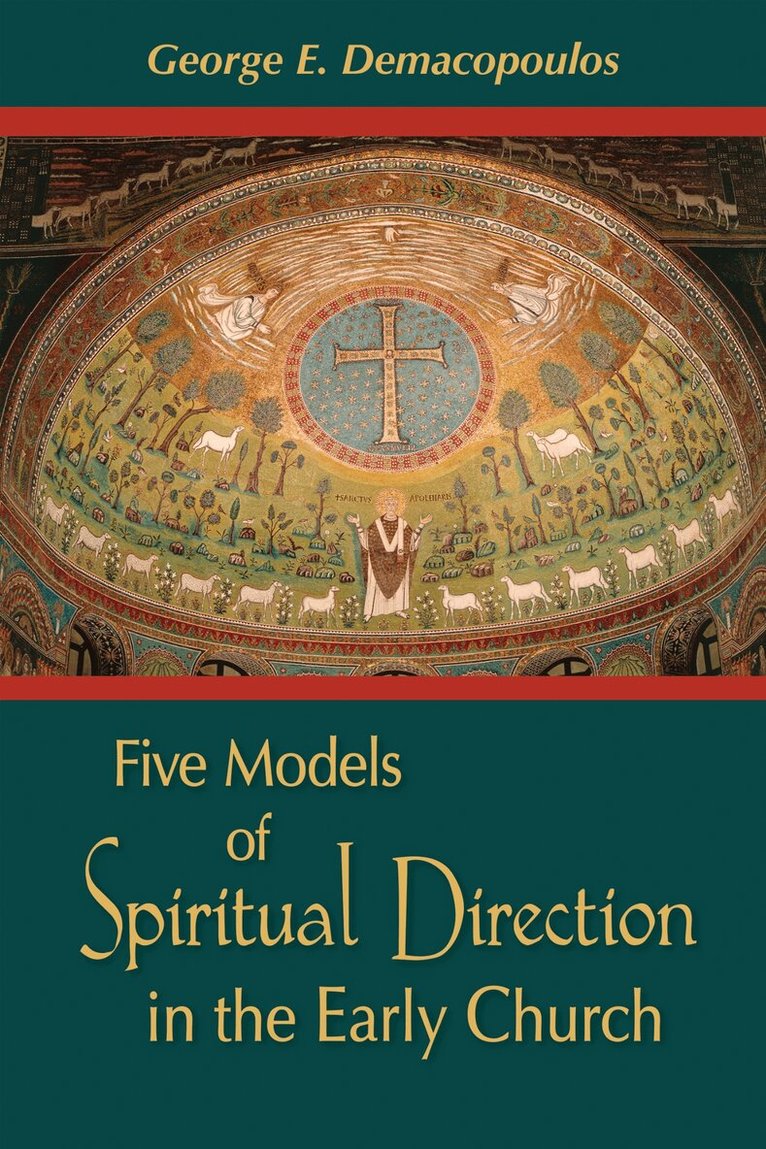
In late antiquity the rising number of ascetics who joined the priesthood faced a pastoral dilemma. Should they follow a traditional, demonstrably administrative, approach to pastoral care, emphasizing doctrinal instruction, the care of the poor, and the celebration of the sacraments? Or should they bring to the parish the ascetic models of spiritual direction, characterized by a more personal spiritual father/spiritual disciple relationship? Five Models of Spiritual Direction in the Early Church explores the struggles of five clerics (Athanasius, Gregory Nazianzen, Augustine of Hippo, John Cassian, and Pope Gregory I) to reconcile their ascetic idealism with the reality of pastoral responsibility. Through a close reading of Greek and Latin texts, George E. Demacopoulos explores each pastor's criteria for ordination, his supervision of subordinate clergy, and his methods of spiritual direction. He argues that the evolution in spiritual direction that occurred during this period reflected and informed broader developments in religious practices. Demacopoulos describes the way in which these authors shaped the medieval pastoral traditions of the East and the West. Each of the five struggled to balance the tension between his ascetic idealism and the realities of the lay church. Each offered distinct (and at times very different) solutions to that tension. The diversity among their models of spiritual direction demonstrates both the complexity of the problem and the variable nature of early Christianity. Scholars and students of late antiquity, the history of Christianity, and historical theology will find a great deal of interest in Five Models of Spiritual Direction in the Early Church. The book will also appeal to those who are actively engaged in Christian ministry.
Häftad, Engelska, 2015
311 kr
Skickas inom 10-15 vardagar
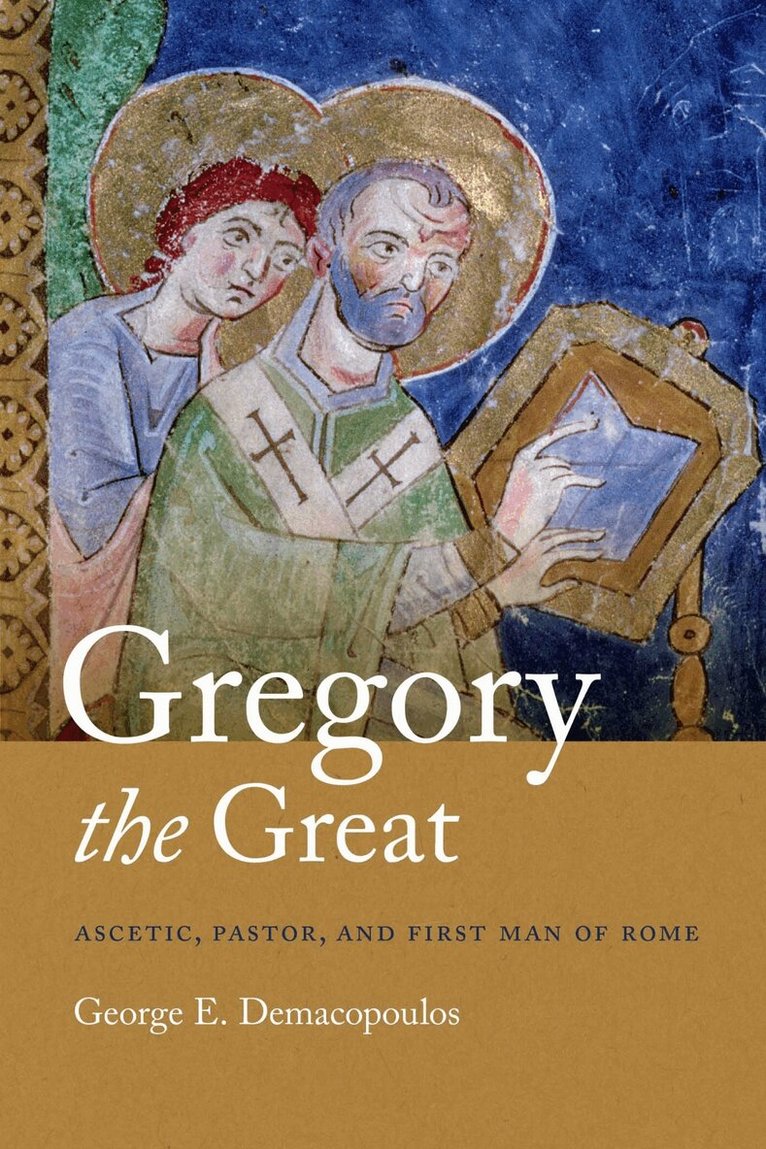
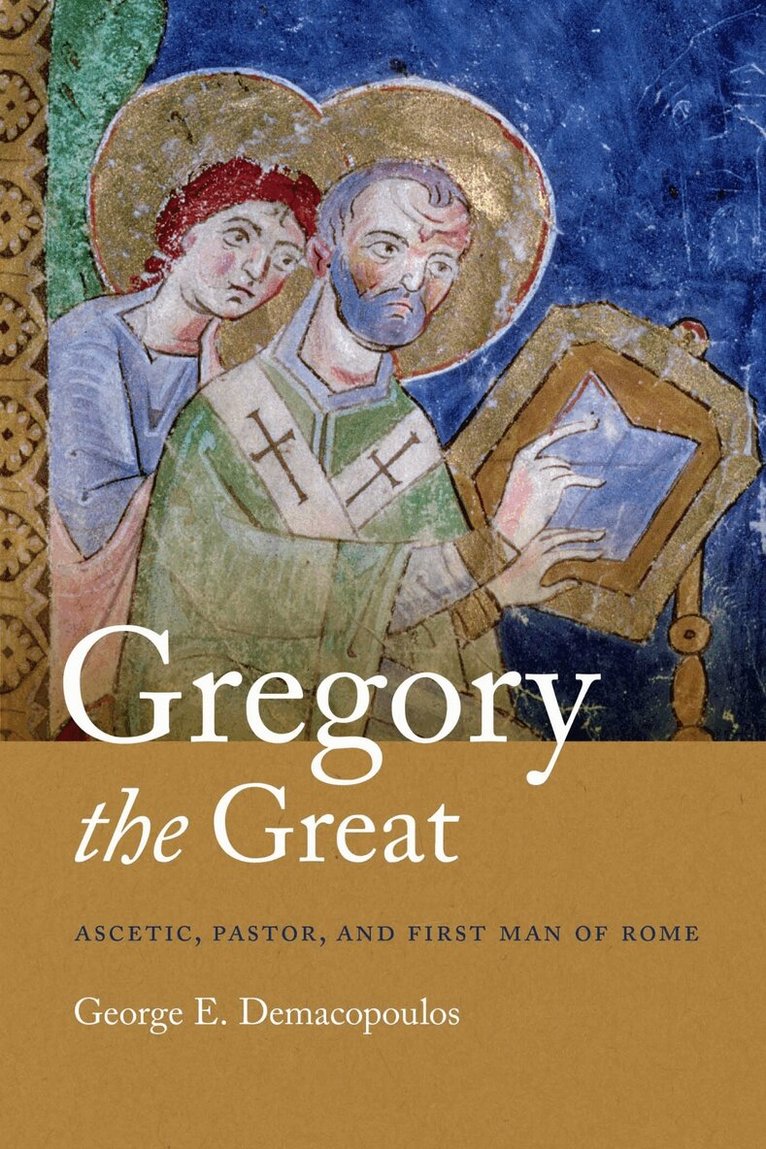
Gregory the Great (bishop of Rome from 590 to 604) is one of the most significant figures in the history of Christianity. His theological works framed medieval Christian attitudes toward mysticism, exegesis, and the role of the saints in the life of the church. The scale of Gregory's administrative activity in both the ecclesial and civic affairs of Rome also helped to make possible the formation of the medieval papacy. Gregory disciplined malcontent clerics, negotiated with barbarian rulers, and oversaw the administration of massive estates that employed thousands of workers. Scholars have often been perplexed by the two sides of Gregory—the monkish theologian and the calculating administrator. George E. Demacopoulos's study is the first to advance the argument that there is a clear connection between the pontiff's thought and his actions. By exploring unique aspects of Gregory's ascetic theology, wherein the summit of Christian perfection is viewed in terms of service to others, Demacopoulos argues that the very aspects of Gregory's theology that made him distinctive were precisely the factors that structured his responses to the practical crises of his day. With a comprehensive understanding of Christian history that resists the customary bifurcation between Christian East and Christian West, Demacopoulos situates Gregory within the broader movements of Christianity and the Roman world that characterize the shift from late antiquity to the early Middle Ages. This fresh reading of Gregory's extensive theological and practical works underscores the novelty and nuance of Gregory as thinker and bishop.
Inbunden, Engelska, 2007
1 096 kr
Skickas inom 10-15 vardagar
In late antiquity the rising number of ascetics who joined the priesthood faced a pastoral dilemma. Should they follow a traditional, demonstrably administrative, approach to pastoral care, emphasizing doctrinal instruction, the care of the poor, and the celebration of the sacraments? Or should they bring to the parish the ascetic models of spiritual direction, characterized by a more personal spiritual father/spiritual disciple relationship? Five Models of Spiritual Direction in the Early Church explores the struggles of five clerics (Athanasius, Gregory Nazianzen, Augustine of Hippo, John Cassian, and Pope Gregory I) to reconcile their ascetic idealism with the reality of pastoral responsibility. Through a close reading of Greek and Latin texts, George E. Demacopoulos explores each pastor's criteria for ordination, his supervision of subordinate clergy, and his methods of spiritual direction. He argues that the evolution in spiritual direction that occurred during this period reflected and informed broader developments in religious practices. Demacopoulos describes the way in which these authors shaped the medieval pastoral traditions of the East and the West. Each of the five struggled to balance the tension between his ascetic idealism and the realities of the lay church. Each offered distinct (and at times very different) solutions to that tension. The diversity among their models of spiritual direction demonstrates both the complexity of the problem and the variable nature of early Christianity. Scholars and students of late antiquity, the history of Christianity, and historical theology will find a great deal of interest in Five Models of Spiritual Direction in the Early Church. The book will also appeal to those who are actively engaged in Christian ministry.
Inbunden, Engelska, 2022
1 163 kr
Skickas inom 10-15 vardagar
Gregory the Great (bishop of Rome from 590 to 604) is one of the most significant figures in the history of Christianity. His theological works framed medieval Christian attitudes toward mysticism, exegesis, and the role of the saints in the life of the church. The scale of Gregory's administrative activity in both the ecclesial and civic affairs of Rome also helped to make possible the formation of the medieval papacy. Gregory disciplined malcontent clerics, negotiated with barbarian rulers, and oversaw the administration of massive estates that employed thousands of workers. Scholars have often been perplexed by the two sides of Gregory—the monkish theologian and the calculating administrator. George E. Demacopoulos's study is the first to advance the argument that there is a clear connection between the pontiff's thought and his actions. By exploring unique aspects of Gregory's ascetic theology, wherein the summit of Christian perfection is viewed in terms of service to others, Demacopoulos argues that the very aspects of Gregory's theology that made him distinctive were precisely the factors that structured his responses to the practical crises of his day. With a comprehensive understanding of Christian history that resists the customary bifurcation between Christian East and Christian West, Demacopoulos situates Gregory within the broader movements of Christianity and the Roman world that characterize the shift from late antiquity to the early Middle Ages. This fresh reading of Gregory's extensive theological and practical works underscores the novelty and nuance of Gregory as thinker and bishop.
Häftad, Engelska, 2016
374 kr
Skickas inom 10-15 vardagar
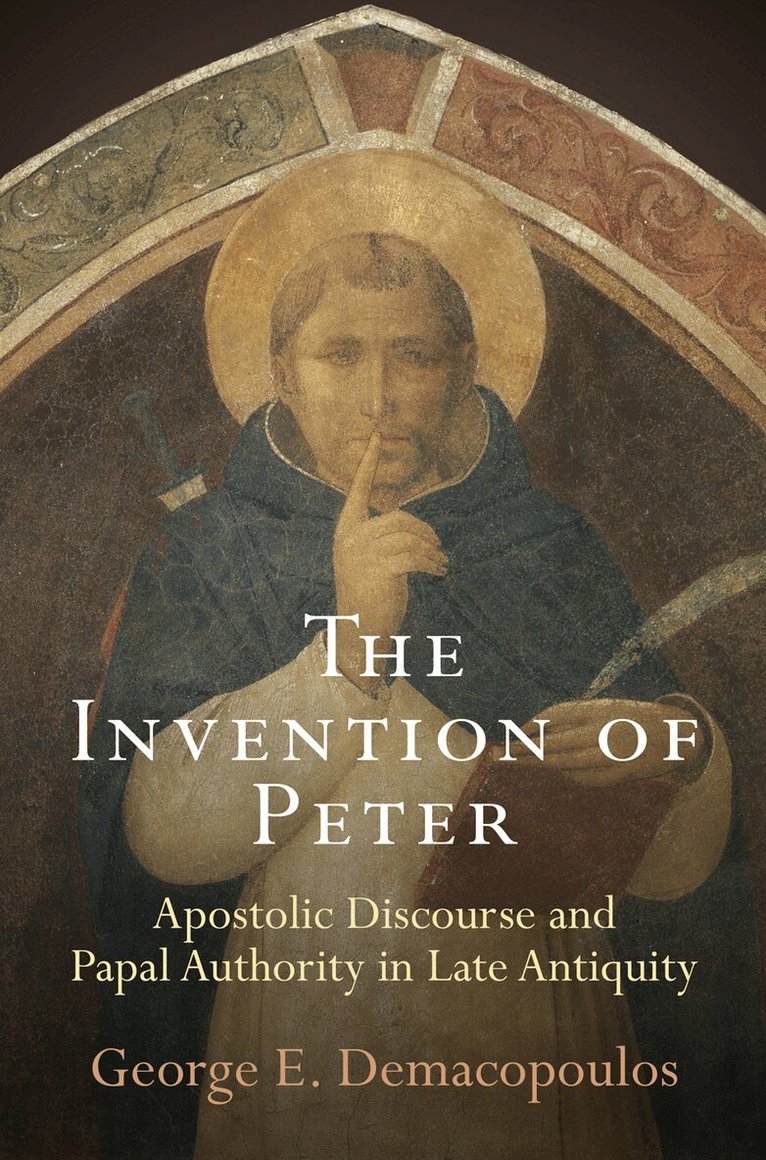
On the first anniversary of his election to the papacy, Leo the Great stood before the assembly of bishops convening in Rome and forcefully asserted his privileged position as the heir of Peter the Apostle. This declaration marked the beginning of a powerful tradition: the Bishop of Rome would henceforth leverage the cult of St. Peter, and the popular association of St. Peter with the city itself, to his advantage. In The Invention of Peter, George E. Demacopoulos examines this Petrine discourse, revealing how the link between the historic Peter and the Roman Church strengthened, shifted, and evolved during the papacies of two of the most creative and dynamic popes of late antiquity, ultimately shaping medieval Christianity as we now know it.By emphasizing the ways in which this rhetoric of apostolic privilege was employed, extended, transformed, or resisted between the reigns of Leo the Great and Gregory the Great, Demacopoulos offers an alternate account of papal history that challenges the dominant narrative of an inevitable and unbroken rise in papal power from late antiquity through the Middle Ages. He unpacks escalating claims to ecclesiastical authority, demonstrating how this rhetoric, which almost always invokes a link to St. Peter, does not necessarily represent actual power or prestige but instead reflects moments of papal anxiety and weakness. Through its nuanced examination of an array of episcopal activity-diplomatic, pastoral, political, and administrative-The Invention of Peter offers a new perspective on the emergence of papal authority and illuminates the influence that Petrine discourse exerted on the survival and exceptional status of the Bishop of Rome.
Häftad, Engelska, 2013
511 kr
Skickas inom 10-15 vardagar
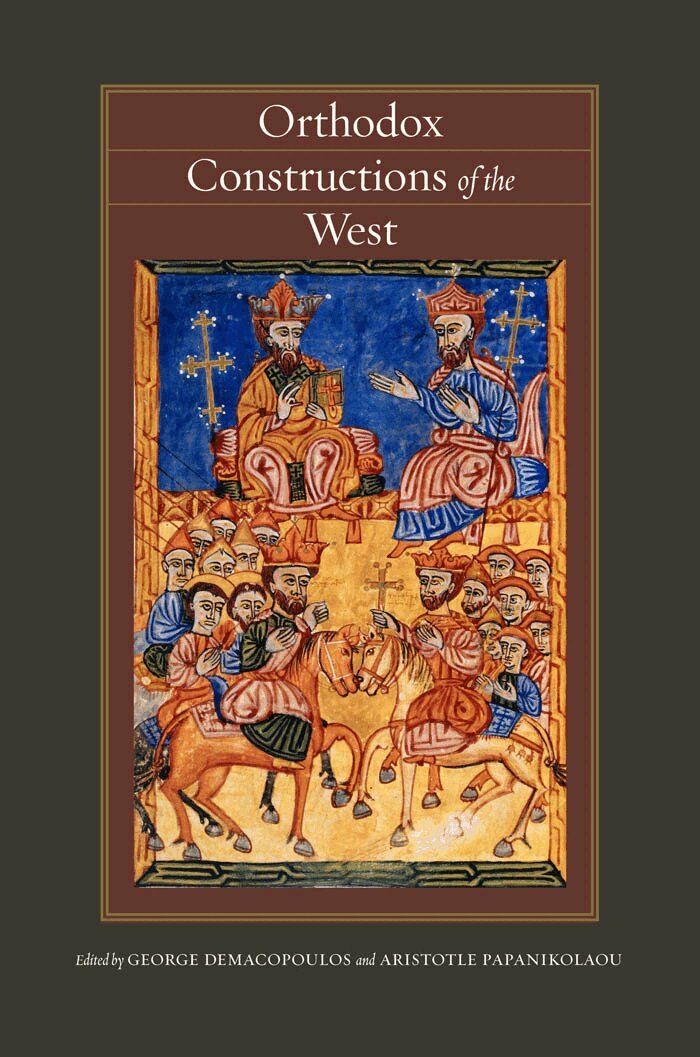
The category of the "West" has played a particularly significant role in the modern Eastern Orthodox imagination. It has functioned as an absolute marker of difference from what is considered to be the essence of Orthodoxy and, thus, ironically has become a constitutive aspect of the modern Orthodox self. The essays collected in this volume examine the many factors that contributed to the "Eastern" construction of the "West" in order to understand why the "West" is so important to the Eastern Christian's sense of self.
Inbunden, Engelska, 2016
1 343 kr
Skickas inom 11-20 vardagar
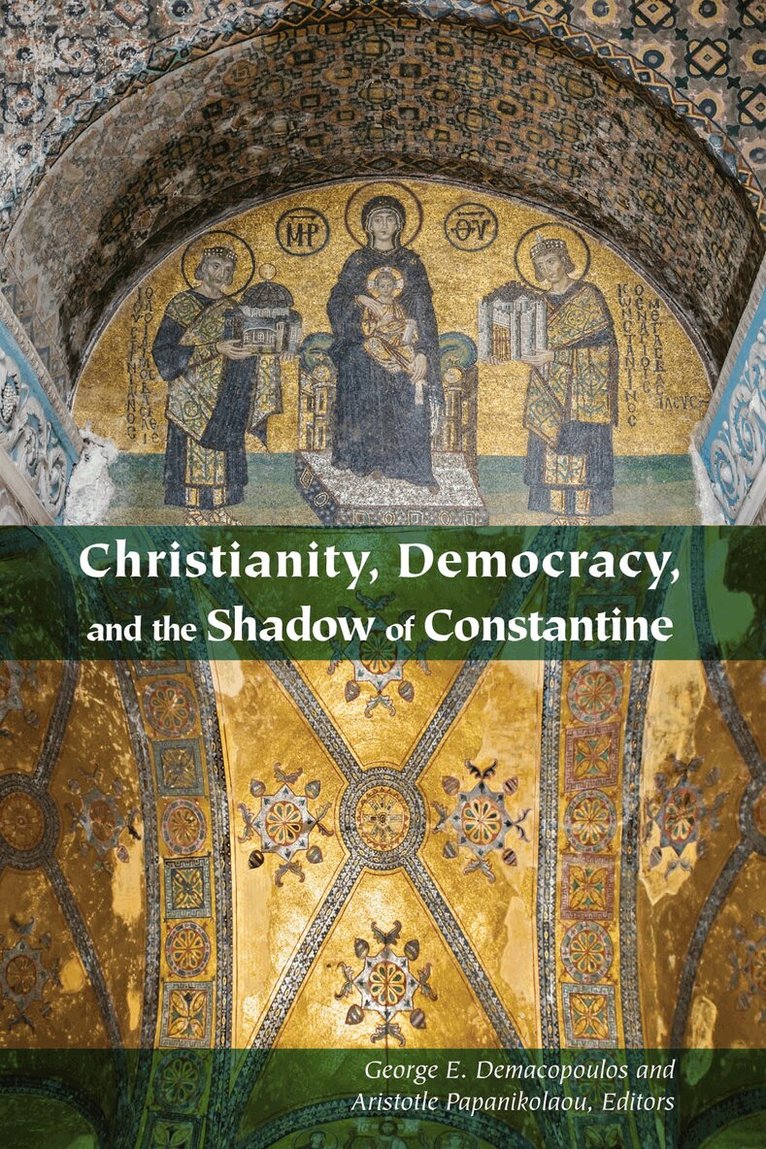
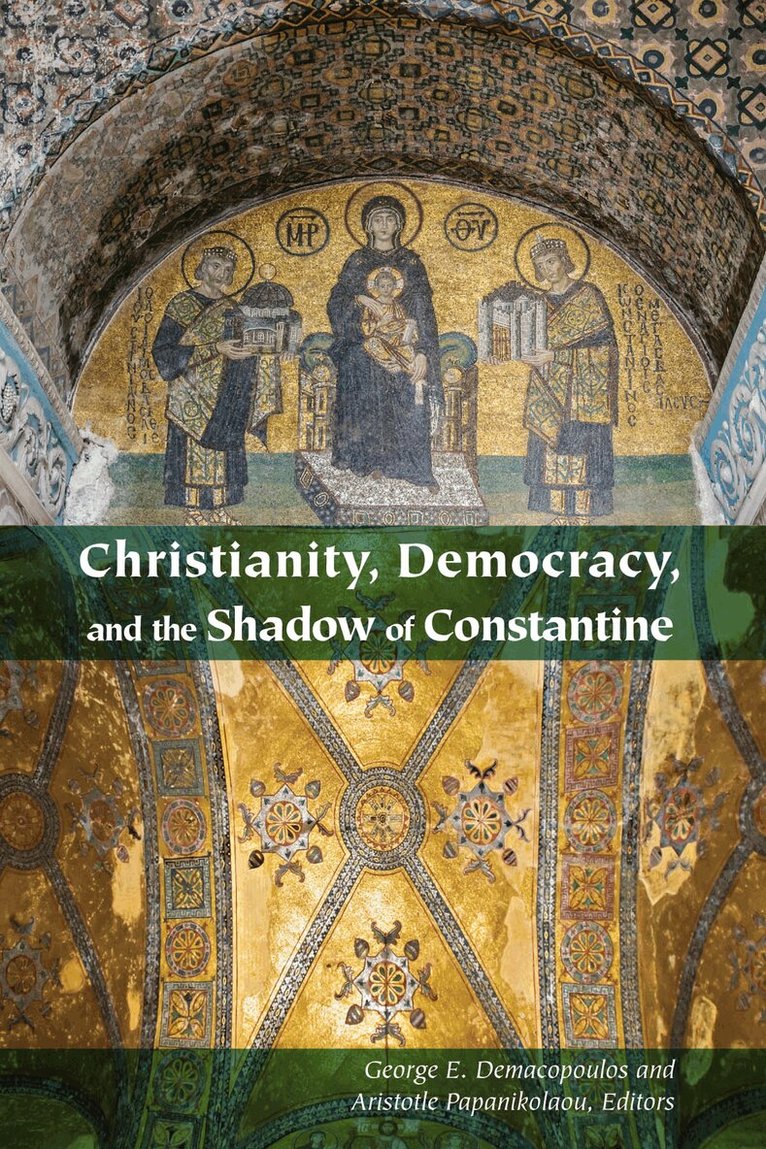
Winner of the 2017 Alpha Sigma Nu AwardThe collapse of communism in eastern Europe has forced traditionally Eastern Orthodox countries to consider the relationship between Christianity and liberal democracy. Contributors examine the influence of Constantinianism in both the post-communist Orthodox world and in Western political theology. Constructive theological essays feature Catholic and Protestant theologians reflecting on the relationship between Christianity and democracy, as well as Orthodox theologians reflecting on their tradition's relationship to liberal democracy. The essays explore prospects of a distinctively Christian politics in a post-communist, post-Constantinian age.
Häftad, Engelska, 2016
450 kr
Skickas inom 5-8 vardagar
Winner of the 2017 Alpha Sigma Nu AwardThe collapse of communism in eastern Europe has forced traditionally Eastern Orthodox countries to consider the relationship between Christianity and liberal democracy. Contributors examine the influence of Constantinianism in both the post-communist Orthodox world and in Western political theology. Constructive theological essays feature Catholic and Protestant theologians reflecting on the relationship between Christianity and democracy, as well as Orthodox theologians reflecting on their tradition's relationship to liberal democracy. The essays explore prospects of a distinctively Christian politics in a post-communist, post-Constantinian age.
Inbunden, Engelska, 2019
1 504 kr
Skickas inom 10-15 vardagar
Colonizing Christianity employs postcolonial critique to analyze the transformations of Greek and Latin religious identity in the wake of the Fourth Crusade. Through close readings of texts from the period of Latin occupation, this book argues that the experience of colonization splintered the Greek community over how best to respond to the Latin other while illuminating the mechanisms by which Western Christians authorized and exploited the Christian East. The experience of colonial subjugation opened permanent fissures within the Orthodox community, which struggled to develop a consistent response to aggressive demands for submission to the Roman Church.
Häftad, Engelska, 2019
456 kr
Skickas inom 10-15 vardagar
Colonizing Christianity employs postcolonial critique to analyze the transformations of Greek and Latin religious identity in the wake of the Fourth Crusade. Through close readings of texts from the period of Latin occupation, this book argues that the experience of colonization splintered the Greek community over how best to respond to the Latin other while illuminating the mechanisms by which Western Christians authorized and exploited the Christian East. The experience of colonial subjugation opened permanent fissures within the Orthodox community, which struggled to develop a consistent response to aggressive demands for submission to the Roman Church.
Häftad, Engelska, 2019
374 kr
Skickas inom 10-15 vardagar
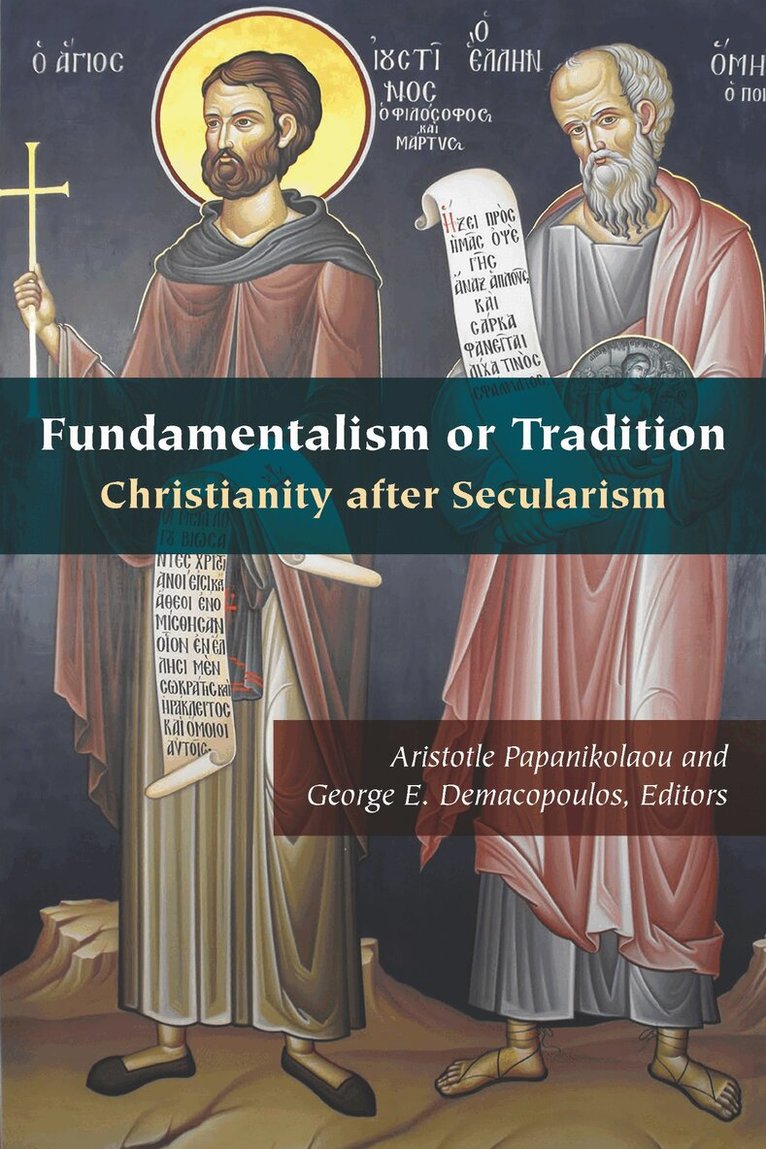
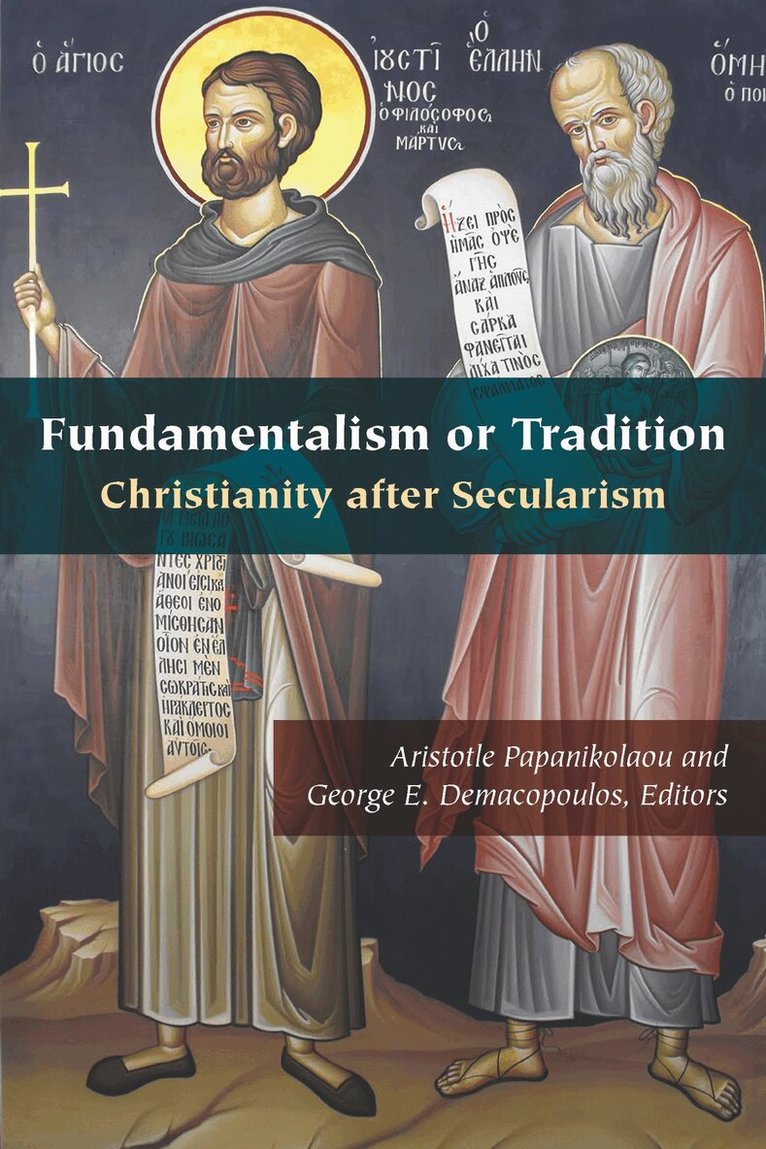
Traditional, secular, and fundamentalist—all three categories are contested, yet in their contestation they shape our sensibilities and are mutually implicated, the one with the others. This interplay brings to the foreground more than ever the question of what it means to think and live as Tradition. The Orthodox theologians of the twentieth century, in particular, have emphasized Tradition not as a dead letter but as a living presence of the Holy Spirit. But how can we discern Tradition as living discernment from fundamentalism? What does it mean to live in Tradition when surrounded by something like the "secular"? These essays interrogate these mutual implications, beginning from the understanding that whatever secular or fundamentalist may mean, they are not Tradition, which is historical, particularistic, in motion, ambiguous and pluralistic, but simultaneously not relativistic.Contributors: R. Scott Appleby, Nikolaos Asproulis, Brandon Gallaher, Paul J. Griffiths, Vigen Guroian, Dellas Oliver Herbel, Edith M. Humphrey, Slavica Jakelić, Nadieszda Kizenko, Wendy Mayer, Brenna Moore, Graham Ward, Darlene Fozard Weaver
Inbunden, Engelska, 2019
892 kr
Skickas
Traditional, secular, and fundamentalist—all three categories are contested, yet in their contestation they shape our sensibilities and are mutually implicated, the one with the others. This interplay brings to the foreground more than ever the question of what it means to think and live as Tradition. The Orthodox theologians of the twentieth century, in particular, have emphasized Tradition not as a dead letter but as a living presence of the Holy Spirit. But how can we discern Tradition as living discernment from fundamentalism? What does it mean to live in Tradition when surrounded by something like the "secular"? These essays interrogate these mutual implications, beginning from the understanding that whatever secular or fundamentalist may mean, they are not Tradition, which is historical, particularistic, in motion, ambiguous and pluralistic, but simultaneously not relativistic.Contributors: R. Scott Appleby, Nikolaos Asproulis, Brandon Gallaher, Paul J. Griffiths, Vigen Guroian, Dellas Oliver Herbel, Edith M. Humphrey, Slavica Jakelić, Nadieszda Kizenko, Wendy Mayer, Brenna Moore, Graham Ward, Darlene Fozard Weaver
Häftad, Engelska, 2020
356 kr
Skickas inom 5-8 vardagar
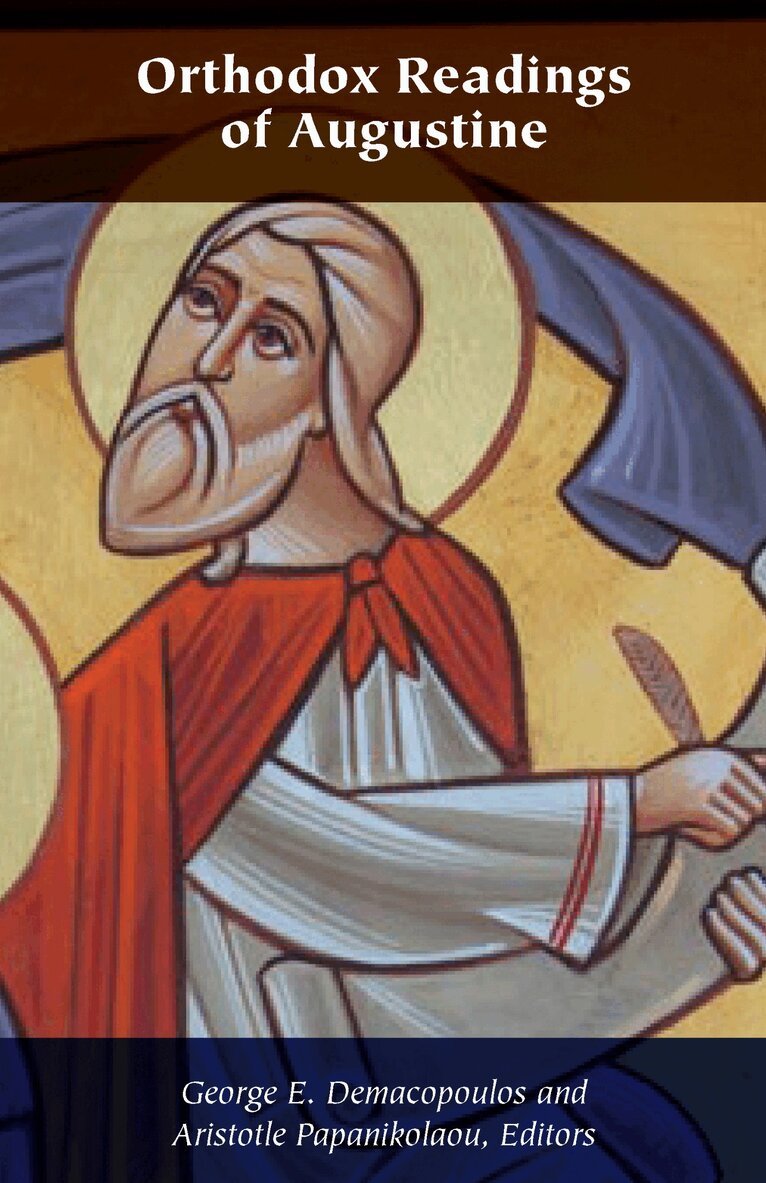
Orthodox Readings of Augustine examines the theological engagement with the preeminent Latin theologian Augustine of Hippo in the Orthodox context. Augustine was not widely read in the East until many centuries after his death. However, following his re-introduction in the thirteenth century, the Latin Church Father served as an ecumenical figure, offering Latin and Byzantine theologians a thinker with whom they could bridge linguistic, cultural, and confessional divides.Contributors: Lewis Ayres, John Behr, David Bradshaw, Brian E. Daley, George E. Demacopoulos, Elizabeth Fisher, Reinhard Flogaus, Carol Harrison, David Bentley Hart, Joseph T. Lienhard, Andrew Louth, Jean-Luc Marion, Aristotle Papanikolaou, and David Tracy
Del 51 - Dumbarton Oaks Studies
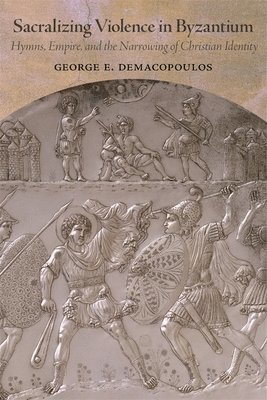
Sacralizing Violence in Byzantium
Hymns, Empire, and the Narrowing of Christian Identity
Inbunden, Engelska, 2025
388 kr
Skickas inom 5-8 vardagar
Inbunden, Engelska, 2023
1 640 kr
Skickas inom 10-15 vardagar
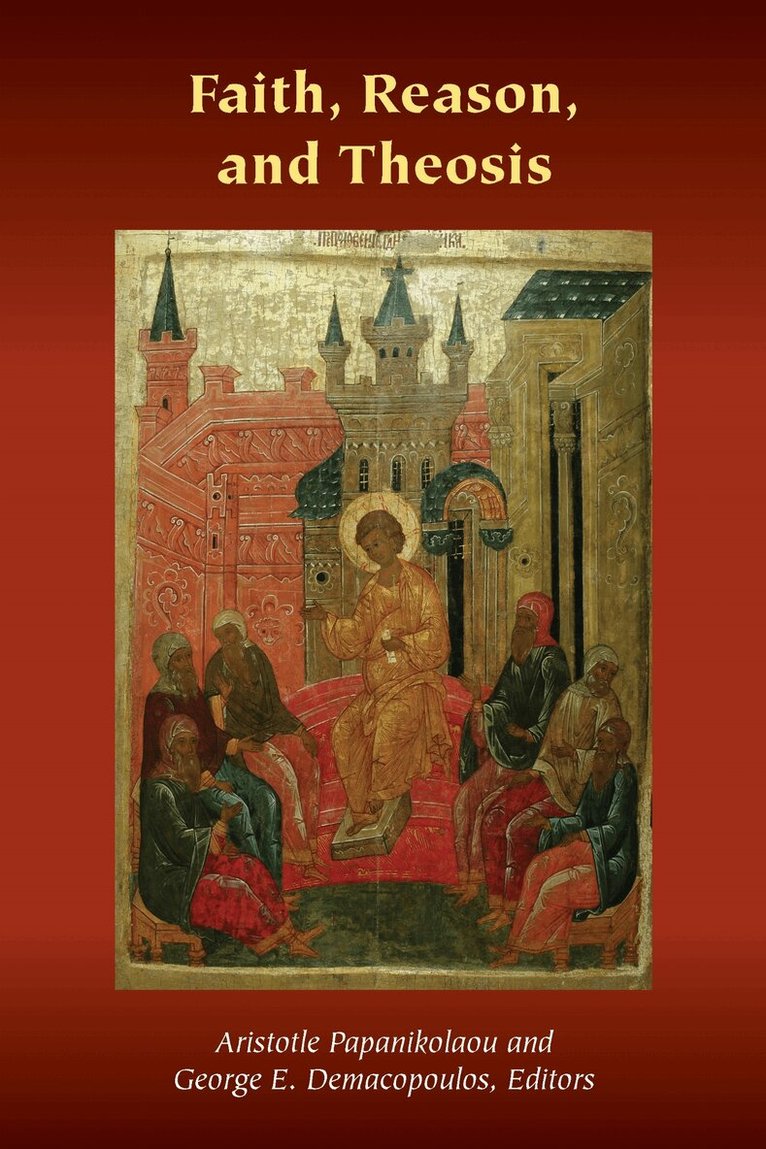
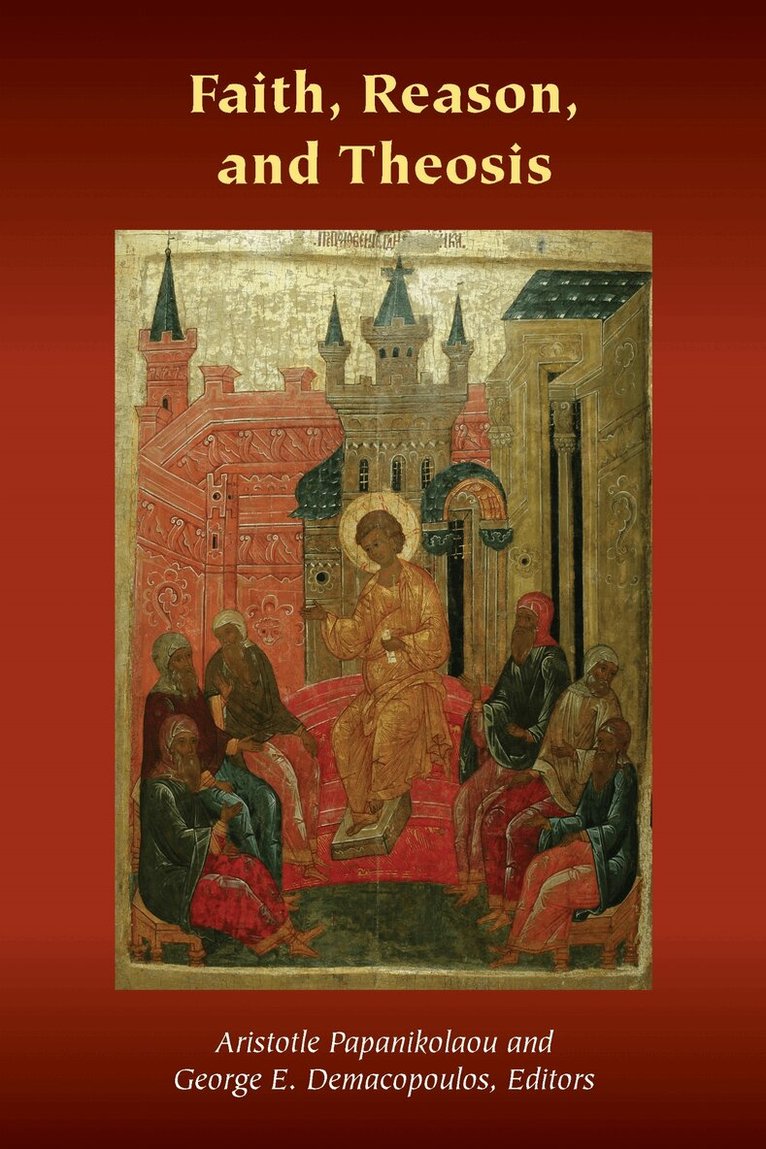
Theosis shapes contemporary Orthodox theology in two ways: positively and negatively. In the positive sense, contemporary Orthodox theologians made theosis the thread that bound together the various aspects of theology in a coherent whole and also interpreted patristic texts, which experienced a renaissance in the twentieth century, even in Orthodox theology. In the negative sense, contemporary theologians used theosis as a triumphalistic club to beat down Catholic and Protestant Christians, claiming that they rejected theosis in favor of either a rationalistic or fideistic approach to Christian life.The essays collected in this volume move beyond this East–West divide by examining the relation between faith, reason, and theosis from Orthodox, Catholic, and Protestant perspectives. A variety of themes are addressed, such as the nature–grace debate and the relation of philosophy to theology, through engagement with such diverse thinkers as Thomas Aquinas, John Wesley, Meister Eckhart, Dionysius the Areopagite, Symeon the New Theologian, Panayiotis Nellas, Vladimir Lossky, Martin Luther, Martin Heidegger, Sergius Bulgakov, John of the Cross, Delores Williams, Evagrius of Pontus, and Hans Urs von Balthasar. The essays in this book are situated within a current thinking on theosis that consists of a common, albeit minimalist, affirmation amidst the flow of differences. The authors in this volume contribute to the historical theological task of complicating the contemporary Orthodox narrative, but they also continue the "theological achievement" of thinking about theosis so that all Christian traditions may be challenged to stretch and shift their understanding of theosis even amidst an ecumenical celebration of the gift of participation in the life of God.
Häftad, Engelska, 2023
403 kr
Skickas inom 5-8 vardagar
Theosis shapes contemporary Orthodox theology in two ways: positively and negatively. In the positive sense, contemporary Orthodox theologians made theosis the thread that bound together the various aspects of theology in a coherent whole and also interpreted patristic texts, which experienced a renaissance in the twentieth century, even in Orthodox theology. In the negative sense, contemporary theologians used theosis as a triumphalistic club to beat down Catholic and Protestant Christians, claiming that they rejected theosis in favor of either a rationalistic or fideistic approach to Christian life.The essays collected in this volume move beyond this East–West divide by examining the relation between faith, reason, and theosis from Orthodox, Catholic, and Protestant perspectives. A variety of themes are addressed, such as the nature–grace debate and the relation of philosophy to theology, through engagement with such diverse thinkers as Thomas Aquinas, John Wesley, Meister Eckhart, Dionysius the Areopagite, Symeon the New Theologian, Panayiotis Nellas, Vladimir Lossky, Martin Luther, Martin Heidegger, Sergius Bulgakov, John of the Cross, Delores Williams, Evagrius of Pontus, and Hans Urs von Balthasar. The essays in this book are situated within a current thinking on theosis that consists of a common, albeit minimalist, affirmation amidst the flow of differences. The authors in this volume contribute to the historical theological task of complicating the contemporary Orthodox narrative, but they also continue the "theological achievement" of thinking about theosis so that all Christian traditions may be challenged to stretch and shift their understanding of theosis even amidst an ecumenical celebration of the gift of participation in the life of God.
Inbunden, Engelska, 2025
866 kr
Skickas inom 5-8 vardagar
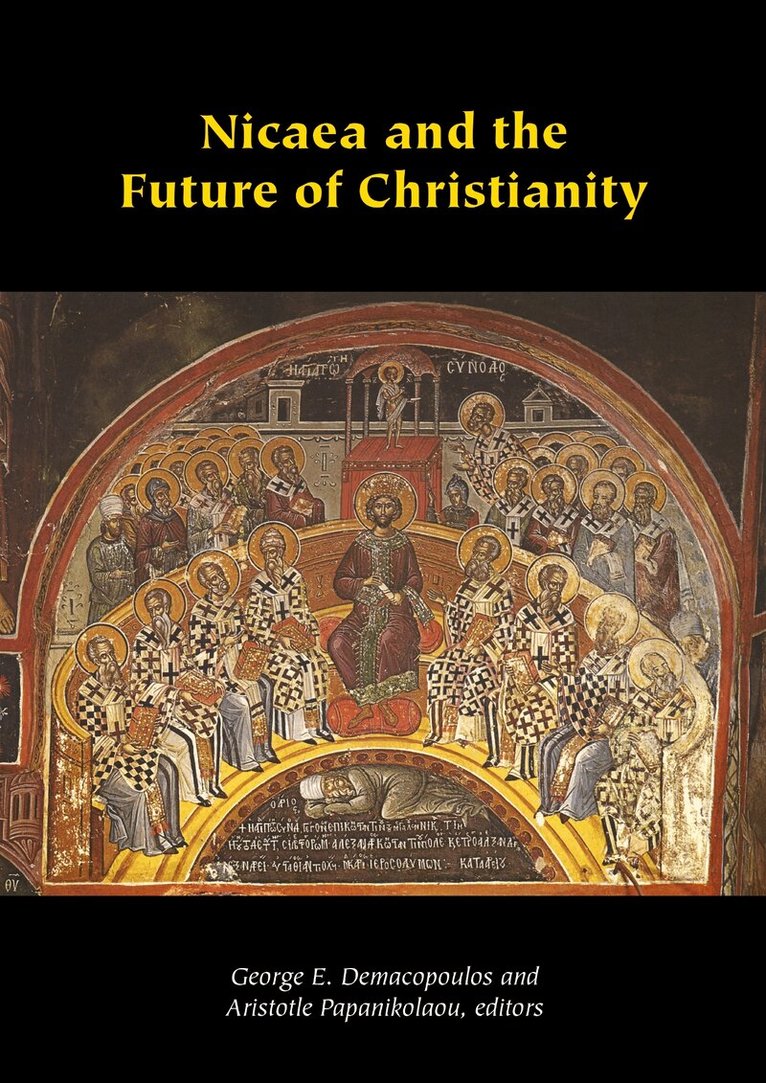
Commemorating the 1700th anniversary of the Council of Nicaea, this volume offers an original examination of the enduring impact of the single most famous gathering of Christians since the apostolic ageDespite the longstanding historical and theological study of the Council of Nicaea, several central questions remain. Was Nicaea a theological event or a political one? What does it mean if it was both? Was Constantine's intervention without precedent, or was he simply continuing a long-standing role of a Roman emperor who was responsible for leading a religious cult (albeit now for a different faith tradition)? And what about the actual theological debates of Nicaea and our ability to understand them? Scholars might never exhaust this avenue of inquiry, despite the numerous studies in recent decades.For many scholars and Christian activists today, the significance of Nicaea centers around the idea of conciliarity and what this has meant, both historically and theologically, for the Christian community. Why and how did Nicaea become foundational for thinking that the church operates in a conciliar manner? How did that work historically in different parts of the Christian world? And how should it work today?Nicaea and the Future of Christianity offers a fresh, globally-diverse, ecumenically-minded approach to these questions with an impressive collection of both senior and junior scholars, reflecting a diversity of views within the Orthodox, Catholic, and Protestant traditions. The great benefit of this wide-ranging approach lies precisely in its ability to see the many ways in which Nicaea continues to speak to the future of Christianity.
Inbunden, Engelska, 2022
1 164 kr
Skickas inom 10-15 vardagar
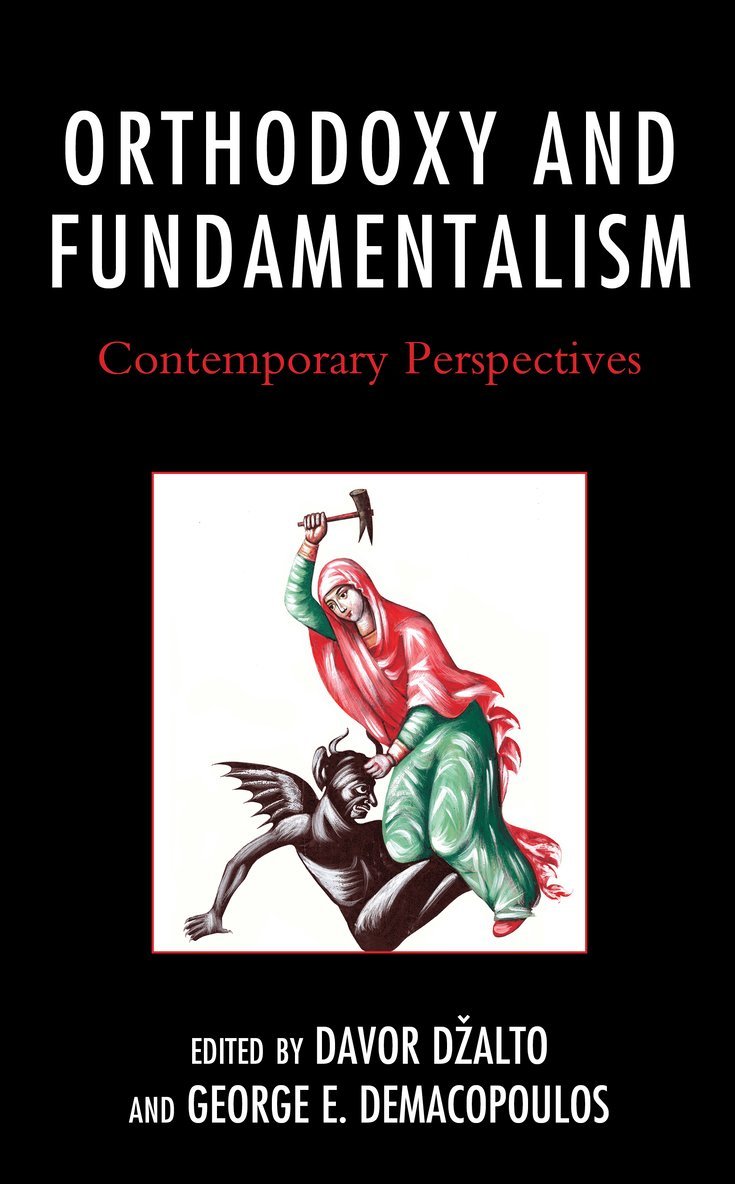
This book reexamines the concepts of fundamentalism and religious Orthodoxy in the contemporary world. It brings together twelve essays by some of the leading scholars on Orthodox Christianity that explore the relationship between Orthodoxy and fundamentalist ideas and practices, both in countries and regions where Orthodox Christianity has been the dominant and traditional faith, and in the “New World,” where Orthodox Christian communities constitute a minority. The main issues that the contributors explore include fundamentalism as a religious and ideological phenomenon, the relationship between fundamentalism, traditionalism and modernity, fundamentalism in the contemporary Orthodox world, fundamentalist responses to the issues of modernization, pluralism, and democracy, Orthodox Christian responses to political liberalism and secularism, and Orthodox theology and the construction of the (fundamentalist) self.