George H. Tavard - Böcker
Visar alla böcker från författaren George H. Tavard. Handla med fri frakt och snabb leverans.
5 produkter
5 produkter
1 241 kr
Skickas inom 10-15 vardagar
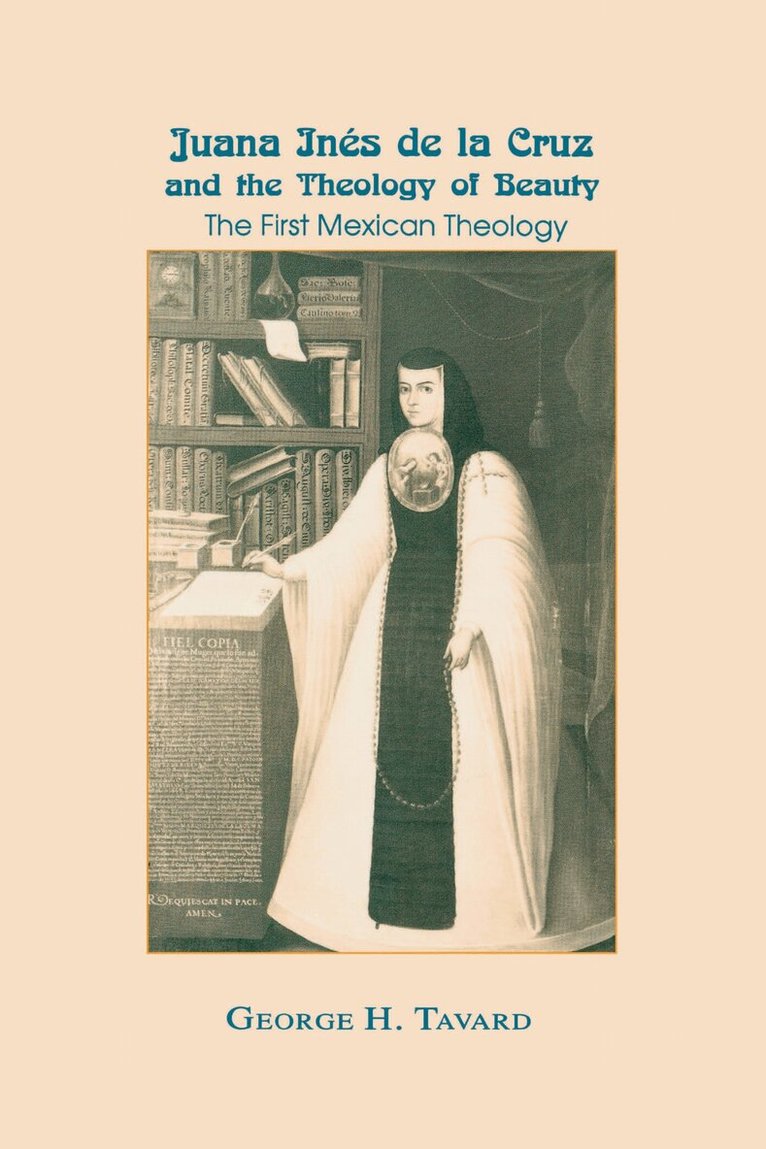
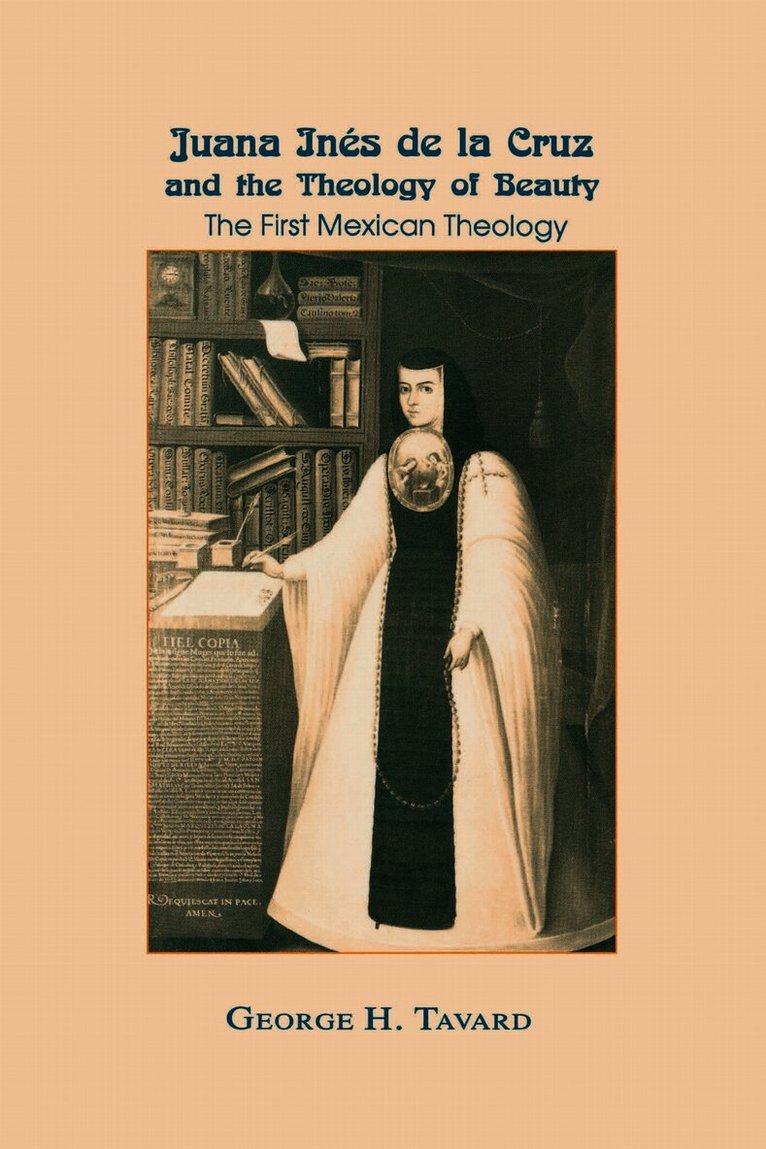
With Juana Inés de la Cruz and the Theology of Beauty, George H. Tavard presents the first thorough investigation of the theology of the greatest Latin American poet before our own time. HIs program is all the more important because she was the first woman of this continent to assert the right of women to study to the full extent of their capacities. An intelligent and intellectual woman, Juana Inés was eager to live a life of scholarship and felt "a great aversion to matrimony," which directed her to enter the convent in 1667. Tavard provides a thought-provoking analysis both of the theological ideas that Juana Inés expressed in poetry and prose and of the conclusions, provisional or definitive, she may have reached about herself and about humanity.Through a close study of many of her clearly authenticated works—her didactic poem, Primero Sueño (First Dream); her poems in honor of the saints; her religious drama; her poems in honor of Christ and the Virgin; her lyric verse on devotional themes; and her prose writings on religious topics--Tavard draws out Sor Juana's conception of the world and the soul, her ideas about the saints, her understanding of the Virgin, and her Christology. He offers a coherent theological and spiritual argument for Juana's renunciation of further writing in 1692. In discussing the shape of her theological imagination, Tavard concludes that for Juana, "the physical and spiritual beauty of creatures, a gift of God's love, acts as a theopany" through which divine glory is perceived.
315 kr
Skickas inom 10-15 vardagar
With Juana Inés de la Cruz and the Theology of Beauty, George H. Tavard presents the first thorough investigation of the theology of the greatest Latin American poet before our own time. HIs program is all the more important because she was the first woman of this continent to assert the right of women to study to the full extent of their capacities. An intelligent and intellectual woman, Juana Inés was eager to live a life of scholarship and felt "a great aversion to matrimony," which directed her to enter the convent in 1667. Tavard provides a thought-provoking analysis both of the theological ideas that Juana Inés expressed in poetry and prose and of the conclusions, provisional or definitive, she may have reached about herself and about humanity.Through a close study of many of her clearly authenticated works—her didactic poem, Primero Sueño (First Dream); her poems in honor of the saints; her religious drama; her poems in honor of Christ and the Virgin; her lyric verse on devotional themes; and her prose writings on religious topics--Tavard draws out Sor Juana's conception of the world and the soul, her ideas about the saints, her understanding of the Virgin, and her Christology. He offers a coherent theological and spiritual argument for Juana's renunciation of further writing in 1692. In discussing the shape of her theological imagination, Tavard concludes that for Juana, "the physical and spiritual beauty of creatures, a gift of God's love, acts as a theopany" through which divine glory is perceived.
675 kr
Skickas inom 10-15 vardagar
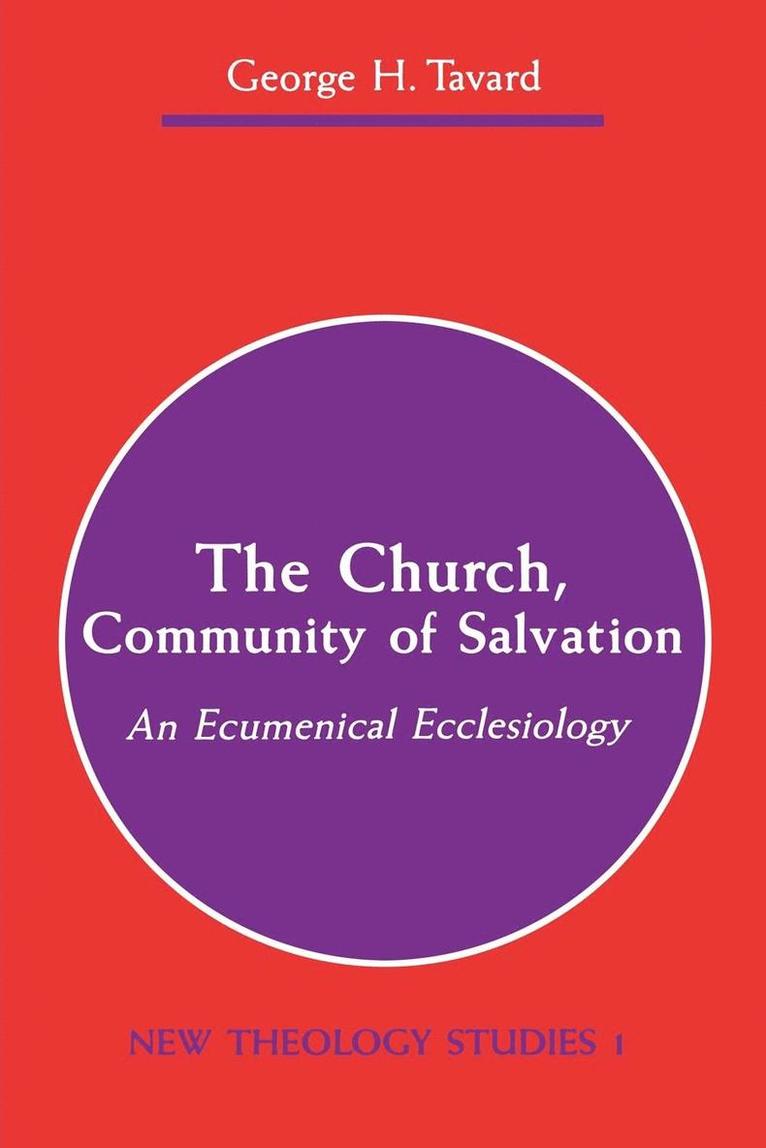
Tavard takes up the question of the genesis and development of modern Catholic ecumenism.
325 kr
Skickas inom 5-8 vardagar
417 kr
Skickas inom 5-8 vardagar
The greatest challenge to ecumenical dialogue has come not from discussions on justification by faith or papal primacy or even infallibility, but from discussions related to the Virgin Mary. This remarkable assertion is the reason behind noted theologian and ecumenist George Tavard's historical and ecumenical investigation of the image of Mary. Mary belongs not only to Christians but to Jews and Muslims as well. In a broad sense she can also be seen in relation to female symbols of the Absolute not as divinity but as divine. Time and changes in dogma have also affected the way Mary is perceived. Tavard has therefore divided his investigation into five parts. He gathers insights from Scripture (Part I), Tradition (Part II), the Reformation (Part III), the Modern Age (Part IV), and World Religions (Part V). Together these perspectives clarify and enhance the Theotokos and her ties with the people of God. George H. Tavard, a member of the Augustinians of the Assumption, professor emeritus of theology at the Methodist Theological School in Ohio, and distinguished professor of theology at Marquette University, was a peritus at Vatican Council II, where he was involved in preparing the decree on ecumenism. He has participated in several international and American ecumenical dialogues and has written extensively on theology and ecumenism.