George T. Duncan – författare
Visar alla böcker från författaren George T. Duncan. Handla med fri frakt och snabb leverans.
5 produkter
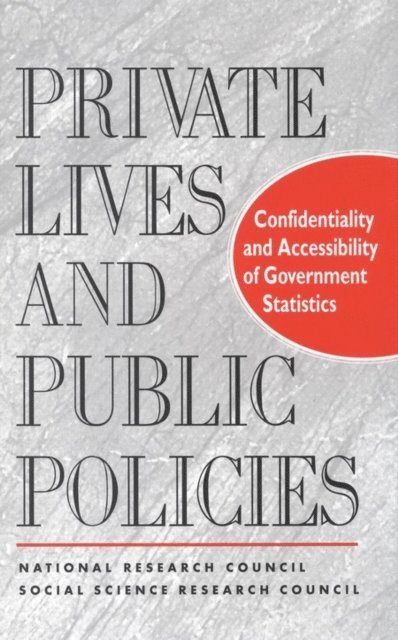
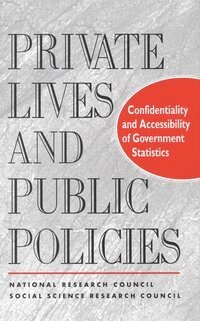
Private Lives and Public Policies
Confidentiality and Accessibility of Government Statistics
Av Panel on Confidentiality and Data Access, Commission on Behavioral and Social Sciences and Education m. fl.
E-bok, 1993
1005 kr
Lägg i varukorg
Americans are increasingly concerned about the privacy of personal data—yet we demand more and more information for public decision making. This volume explores the seeming conflicts between privacy and data access, an issue of concern to federal statistical agencies collecting the data, research …
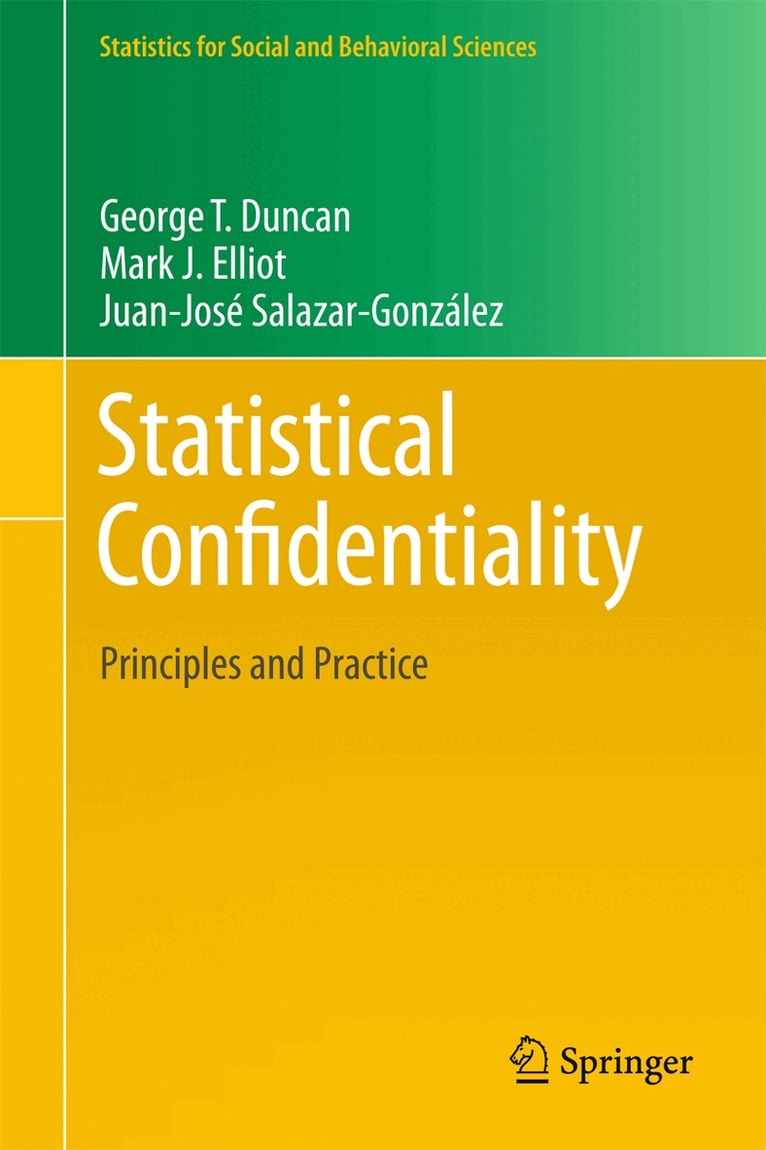
Statistical Confidentiality
Principles and Practice
Av George T. Duncan, Mark Elliot m. fl.
Inbunden, 2011
550 kr
Lägg i varukorg
Because statistical confidentiality embraces the responsibility for both protecting data and ensuring its beneficial use for statistical purposes, those working with personal and proprietary data can benefit from the principles and practices this book presents. Researchers can understand why an …
Statistical Confidentiality
Principles and Practice
Av Gonzalez Juan Jose Salazar, Mark Elliot m. fl.
E-bok, 2011
734 kr
Lägg i varukorg
Because statistical confidentiality embraces the responsibility for both protecting data and ensuring its beneficial use for statistical purposes, those working with personal and proprietary data can benefit from the principles and practices this book presents. Researchers can understand why an …
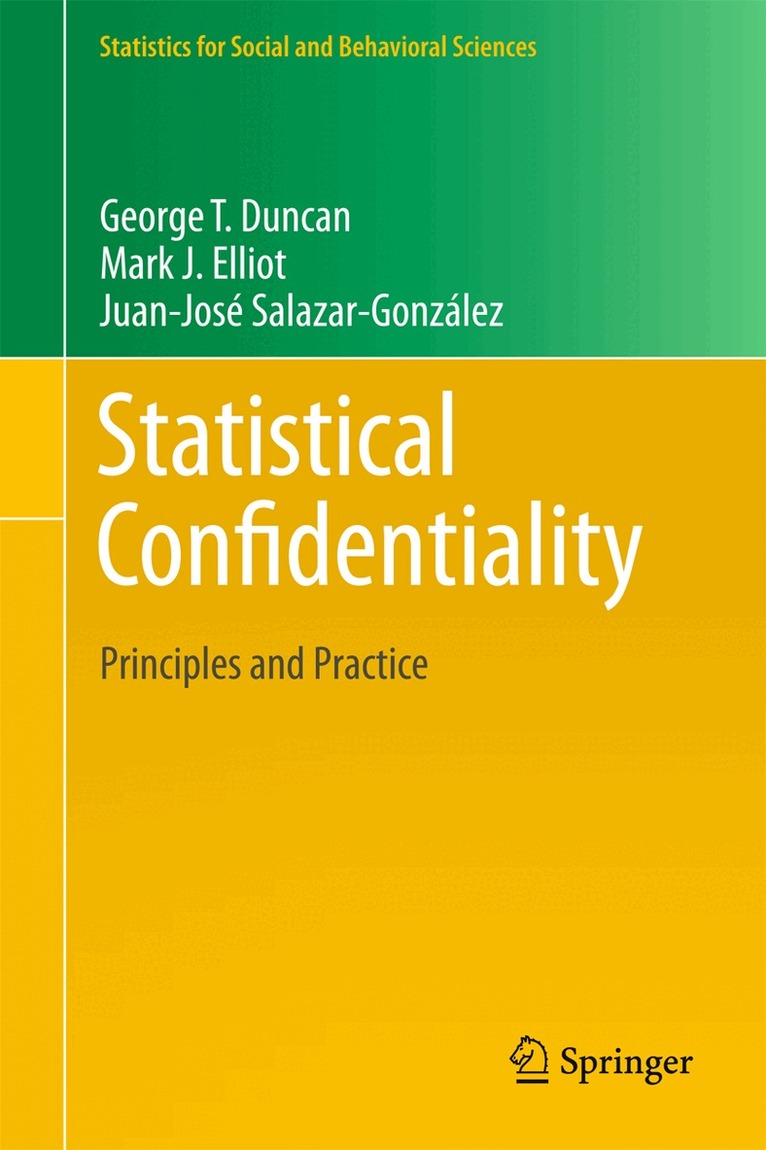
Statistical Confidentiality
Principles and Practice
Av George T. Duncan, Mark Elliot m. fl.
Häftad, 2013
550 kr
Lägg i varukorg
Because statistical confidentiality embraces the responsibility for both protecting data and ensuring its beneficial use for statistical purposes, those working with personal and proprietary data can benefit from the principles and practices this book presents. Researchers can understand why an …
Private Lives and Public Policies
Confidentiality and Accessibility of Government Statistics
Av National Research Council, Division of Behavioral and Social Sciences and Education m. fl.
Häftad, 1993
1585 kr
Tillfälligt slut
Americans are increasingly concerned about the privacy of personal data--yet we demand more and more information for public decision making. This volume explores the seeming conflicts between privacy and data access, an issue of concern to federal statistical agencies collecting the data, research …