George W. Gawrych – författare
Visar alla böcker från författaren George W. Gawrych. Handla med fri frakt och snabb leverans.
14 produkter
14 produkter
Häftad, Engelska, 2026
191 kr
Skickas
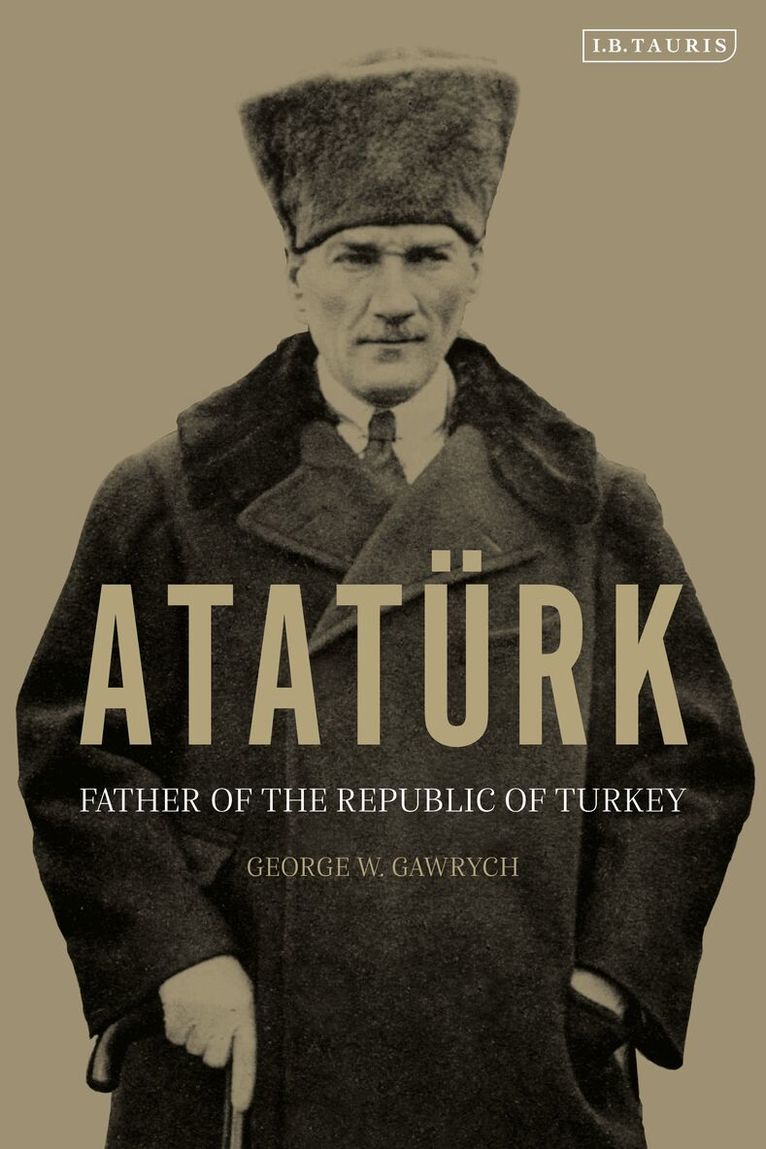
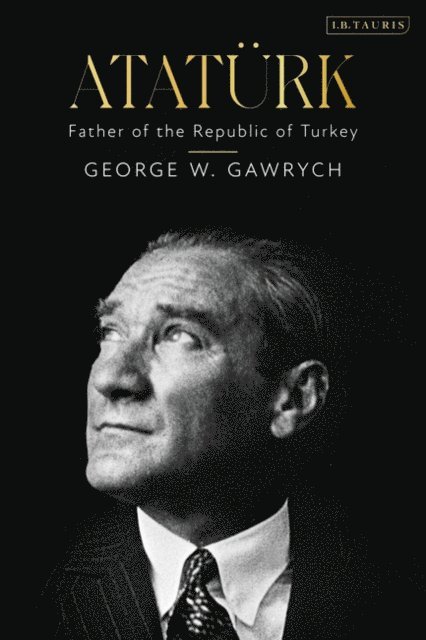
Mustafa Kemal Atatürk was one of the most significant political leaders of the twentieth century –how should we understand Atatürk and his legacy?In this book, George Gawrych studies Atatürk’s career in detail, showing how Atatürk's military background and subsequent political ideology combined with wider social forces to set Turkey on a path of secular nationalism and modernization. Hislegacy can be seen everywhere in Turkey today, from the role and rights of women in society to the after effects of Kemalism on the Republic’s political landscape. Gawrych addresses the significant costs of Atatürk’s policies, including the suppression of minorities and the imposition of a cult of personality and authoritarian rule in the name of ‘Turkification’. The book presents a nuanced analysis of a complex figure who still casts a shadow over Turkey’s political and intellectual discourse.
Inbunden, Engelska, 2000
1 071 kr
Skickas inom 10-15 vardagar
In 1967, the Israeli Defense Forces defeated the combined armies of Egypt, Jordan, and Syria in a mere six days. This remarkable military accomplishment would, however, have the ultimate effect of creating an albatross around the neck of the Israeli Army, as Israelis would now expect the next conventional war with the Arabs to achieve similar results: a quick, decisive victory with relatively few casualties. Although Egyptian forces were militarily inferior to those of Israel, President Anwar Sadat developed a successful limited war strategy designed to exploit this unrealistic expectation.Rather than aiming to achieve a military victory or to seize strategic terrain, Sadat merely sought to break a diplomatic stalemate with a major military operation designed to soften Israeli intransigence toward negotiations and to force a change in U.S. foreign policy toward the Arab-Israeli conflict. In support of these political aims, the Egyptian Armed Forces set out to discredit the Israeli Army's prowess by inflicting heavy casualties in a limited war. Sadat's success in regaining the entire Sinai without another armed struggle holds an important lesson for the United States. After its dramatic victory in Desert Storm, American armed forces feel compelled to win the next conventional war quickly, decisively, and with relatively few casualties, much like the challenge that faced Israel after the 1967 war.
Inbunden, Engelska, 2023
263 kr
Skickas
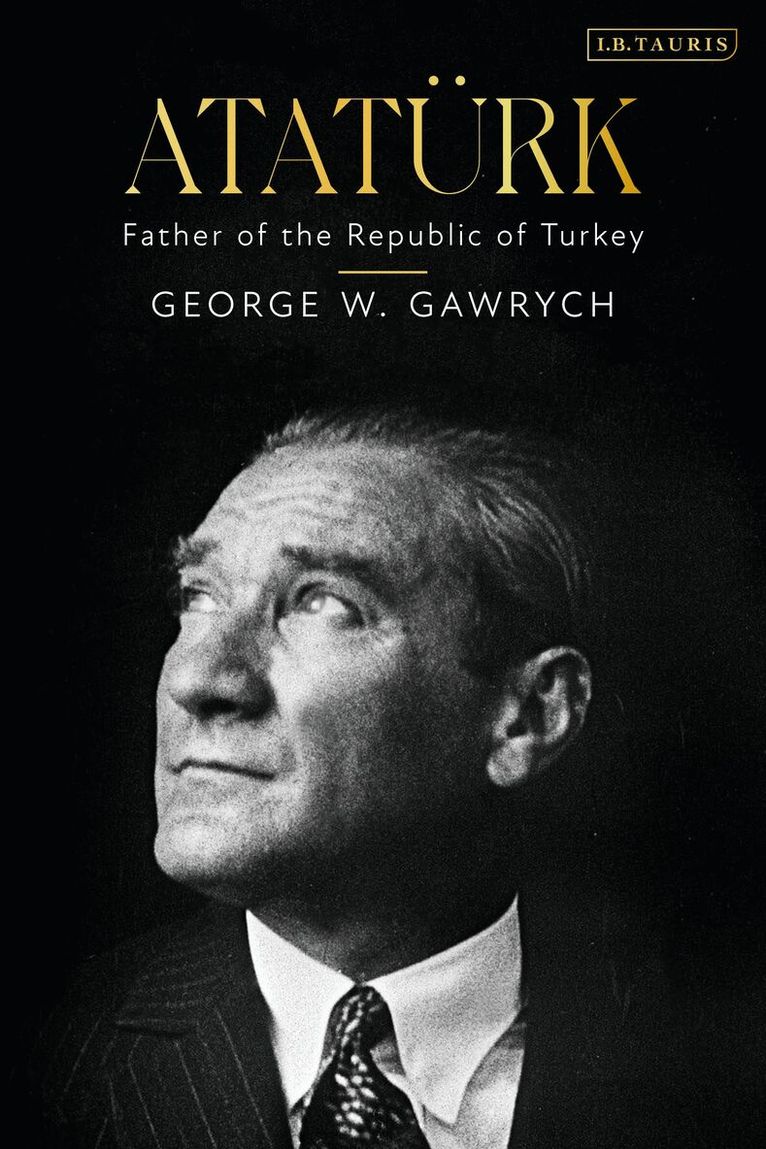
Mustafa Kemal Atatürk was one of the most significant political leaders of the twentieth century. He rose from obscure origins to become the founder of the new Republic of Turkey out of the ashes of the Ottoman Empire and go on to radically transform Turkish society. How should one understand Atatürk and his legacy?In this book, George Gawrych studies Atatürk’s career in detail, showing how Atatürk married the traits of the classic military man-of-action with those of the intellectual, theorist and pragmatist as a statesman. Gawrych places Atatürk in the context of his times to reveal how he harnessed wider forces to set Turkey on a path of secular nationalism and comprehensive modernization. His legacy can be seen everywhere in Turkey today, from the role and rights of women in society to the struggle for developing a democracy in the Republic. Gawrych addresses the costs of Atatürk’s policies, including the suppression of minorities and the imposition of a cult of personality and authoritarian rule in the name of ‘Turkification’. The book presents a nuanced analysis of a complex figure who consciously created a living legacy that still casts a shadow over Turkey’s political and intellectual discourse.
E-bok
PDF, Engelska, 2023233 kr
Läs direkt efter köp
Mustafa Kemal Atatürk was one of the most significant political leaders of the twentieth century. He rose from obscure origins to become the founder of the new Republic of Turkey out of the ashes of the Ottoman Empire and go on to radically transform Turkish society. How should one understand Atatürk and his legacy?In this book, George Gawrych studies Atatürk's career in detail, showing how Atatürk married the traits of the classic military man-of-action with those of the intellectual, theorist and pragmatist as a statesman. Gawrych places Atatürk in the context of his times to reveal how he harnessed wider forces to set Turkey on a path of secular nationalism and comprehensive modernization. His legacy can be seen everywhere in Turkey today, from the role and rights of women in society to the struggle for developing a democracy in the Republic. Gawrych addresses the costs of Atatürk's policies, including the suppression of minorities and the imposition of a cult of personality and authoritarian rule in the name of 'Turkification'. The book presents a nuanced analysis of a complex figure who consciously created a living legacy that still casts a shadow over Turkey's political and intellectual discourse.
E-bok
Engelska, 2023233 kr
Läs direkt efter köp
Mustafa Kemal Atatürk was one of the most significant political leaders of the twentieth century. He rose from obscure origins to become the founder of the new Republic of Turkey out of the ashes of the Ottoman Empire and go on to radically transform Turkish society. How should one understand Atatürk and his legacy?In this book, George Gawrych studies Atatürk's career in detail, showing how Atatürk married the traits of the classic military man-of-action with those of the intellectual, theorist and pragmatist as a statesman. Gawrych places Atatürk in the context of his times to reveal how he harnessed wider forces to set Turkey on a path of secular nationalism and comprehensive modernization. His legacy can be seen everywhere in Turkey today, from the role and rights of women in society to the struggle for developing a democracy in the Republic. Gawrych addresses the costs of Atatürk's policies, including the suppression of minorities and the imposition of a cult of personality and authoritarian rule in the name of 'Turkification'. The book presents a nuanced analysis of a complex figure who consciously created a living legacy that still casts a shadow over Turkey's political and intellectual discourse.
E-bok
PDF, Engelska, 2013301 kr
Läs direkt efter köp
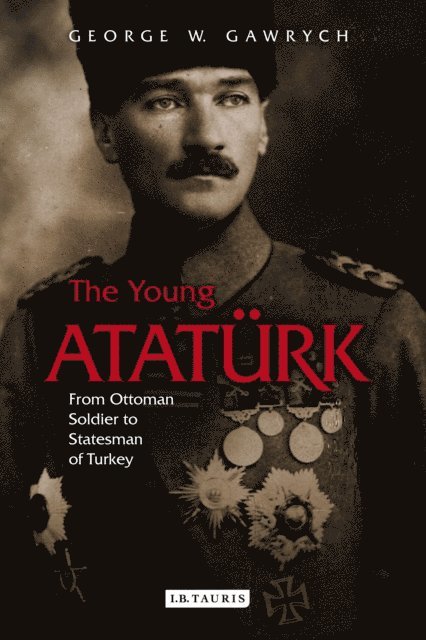
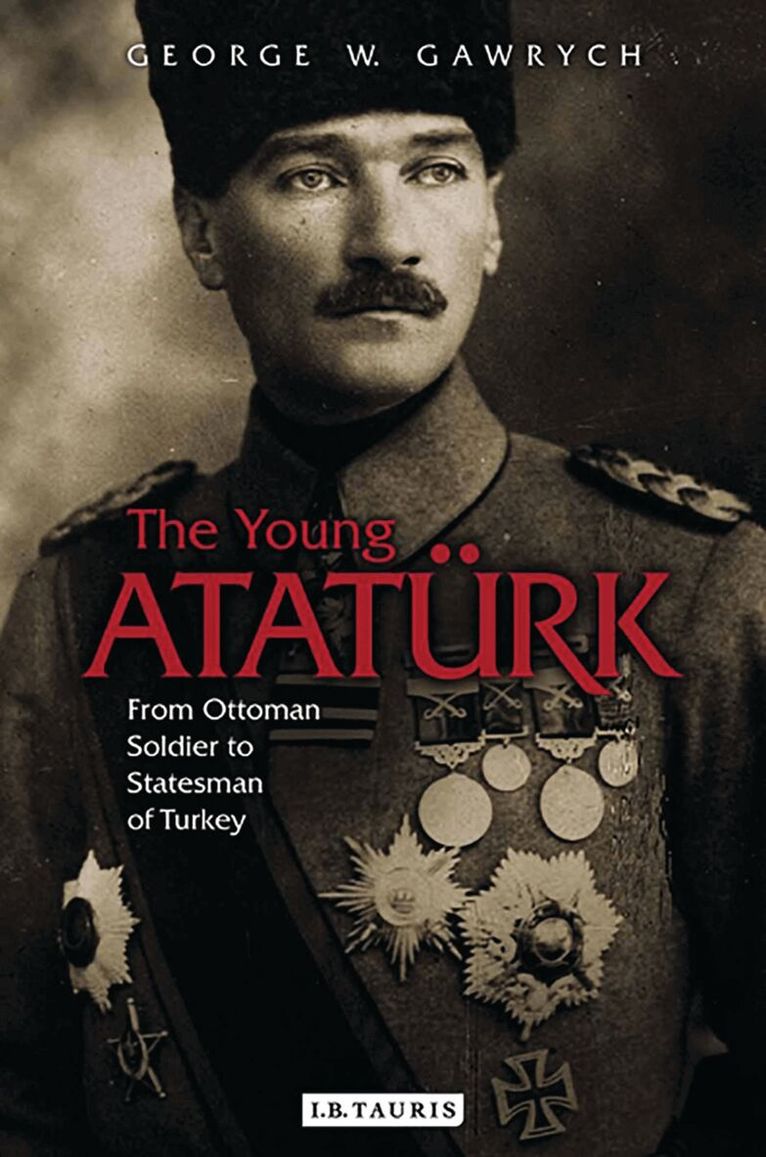
Winner of a 2014 Distinguished Book Award from The Society of Military History and Shortlisted for the 2014 Longman-History Today Book Prize Mustafa Kemal - latterly and better known as Ataturk - is without doubt the most famous figure in modern Turkish history. But what was his path to power? And how did his early career as a soldier in the Ottoman army affect his later decisions as President? The Young Ataturk tracks the lesser covered period of Kemal's life - from the War of Independence to the founding of the Republic. George W. Gawrych shows that it is only by understanding Kemal's military career that one can fully comprehend how he evolved as one of the twentieth century's most extraordinary statesmen. Gawrych also contributes to the understanding of Kemal by presenting a systematic and critical analysis of his military writings, orders, actions, and letters as well as his political decisions, speeches, proclamations, and private correspondences. Soldiering helped shape Kemal's critical reasoning, personal values and emotional intelligence. His experiences as an officer and commander forced him to adjust theories to practices in order to solve problems and make decisions.But Kemal was a natural political leader and his broad intellectual interests and personal studies helped prepare him for political leadership. Gawrych demonstrates that in the last year of the War of Independence Kemal excelled as both Commander-in-Chief of the Armed Forces and President of the Grand National Assembly of Turkey. Gawrych incorporates previously-unstudied Ottoman archival documents and is the first Western scholar to conduct extensive research on Kemal in the military archives of the Turkish General Staff. This book is essential reading for those seeking to understand the establishment of the Republic of Turkey and the part that Kemal played in that process.
E-bok
Engelska, 2013310 kr
Läs direkt efter köp
Mustafa Kemal – latterly and better known as Atatürk - is without doubt the most famous figure in modern Turkish history. But what was his path to power? And how did his early career as a soldier in the Ottoman army affect his later decisions as President? The Young Atatürk tracks the lesser covered period of Kemal's life – from the War of Independence to the founding of the Republic. George W. Gawrych shows that it is only by understanding Kemal's military career that one can fully comprehend how he evolved as one of the twentieth century's most extraordinary statesmen. Gawrych also contributes to the understanding of Kemal by presenting a systematic and critical analysis of his military writings, orders, actions, and letters as well as his political decisions, speeches, proclamations, and private correspondences. Soldiering helped shape Kemal's critical reasoning, personal values and emotional intelligence. His experiences as an officer and commander forced him to adjust theories to practices in order to solve problems and make decisions. But Kemal was a natural political leader and his broad intellectual interests and personal studies helped prepare him for political leadership. Gawrych demonstrates that in the last year of the War of Independence Kemal excelled as both Commander-in-Chief of the Armed Forces and President of the Grand National Assembly of Turkey. Gawrych incorporates previously-unstudied Ottoman archival documents and is the first Western scholar to conduct extensive research on Kemal in the military archives of the Turkish General Staff. This book is essential reading for those seeking to understand the establishment of the Republic of Turkey and the part that Kemal played in that process.
Häftad, Engelska, 2011
157 kr
Skickas inom 5-8 vardagar
Häftad, Engelska, 2004
203 kr
Skickas inom 5-8 vardagar
E-bok
Engelska, 201415 kr
Läs direkt efter köp
[Includes 5 figures and 21 maps]Situated between the Suez Canal and Israel and marked by the harsh environment of the central Sinai lies Abu Ageila, an unprepossessing area of low ridges and hills through which passes the best-surfaced road in the peninsula. Owing to its location on the central route, close to the Israeli-Egyptian border, Abu Ageila became the key to the Sinai in the Arab-Israeli wars of 1956 and 1967. The struggle for this barren land in two wars provides an epic story of battle and reveals the influence of experience on the preparation for and conduct of war.In both the 1956 and 1967 wars, Abu Ageila was the main gateway to the Sinai for the Israel Defense Forces. Yet, as Dr. George W. Gawrych demonstrates, there were marked differences between Egyptian and Israeli war plans, preparations, operations, and results in the two battles for the area. In 1956, Israel carried the burden of a constricting alliance with Britain and France and faced other extensive military problems. The result was that Israel fought a difficult and costly battle for Abu Ageila. In contrast, in 1967, the Israel Defense Forces developed a brilliant operational plan and achieved effective unit command and control and attained a decisive victory.Based on extensive research, including personal interviews with Israeli commanders and briefings by Egyptian military historians, Key to the Sinai is a crisp battle narrative of desert warfare and a systematic historical analysis of two armies confronting the changing terms of battle. Students of AirLand Battle doctrine will find reading this Research Survey a stimulus to meeting the challenges of modern warfare.
Häftad, Engelska, 2015
300 kr
Skickas inom 10-15 vardagar
Mustafa Kemal - latterly and better known as Ataturk - is without doubt the towering figure of modern Turkish history. But what was his path to power? And how did his early career as a soldier in the Ottoman army affect his later decisions as President? The Young Ataturk tracks the lesser covered period of Kemal's life - from the War of Independence to the founding of the Republic - and shows that it is only by understanding Kemal's military career that one can fully comprehend how he evolved as one of the twentieth century's most extraordinary statesmen. Delving into Kemal's military writings, orders, and political decisions, speeches, proclamations and private correspondences, this book provides a rounded and nuanced portrait of the making of a major statesman.
E-bok
Engelska, 20062 105 kr
Läs direkt efter köp
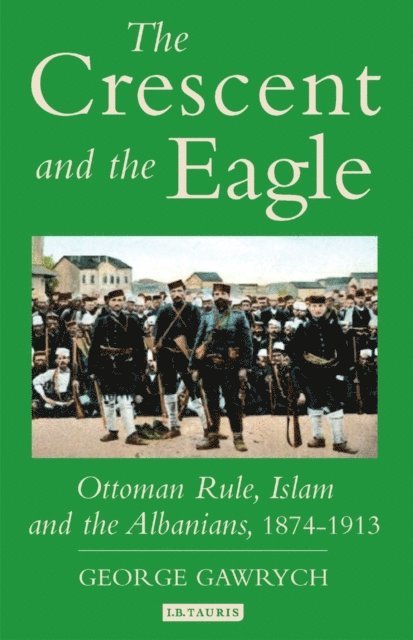
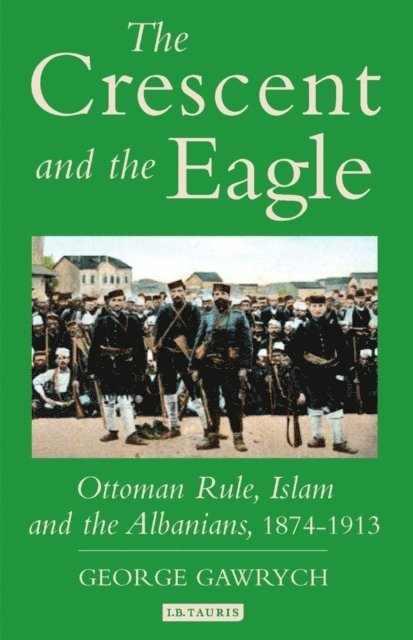
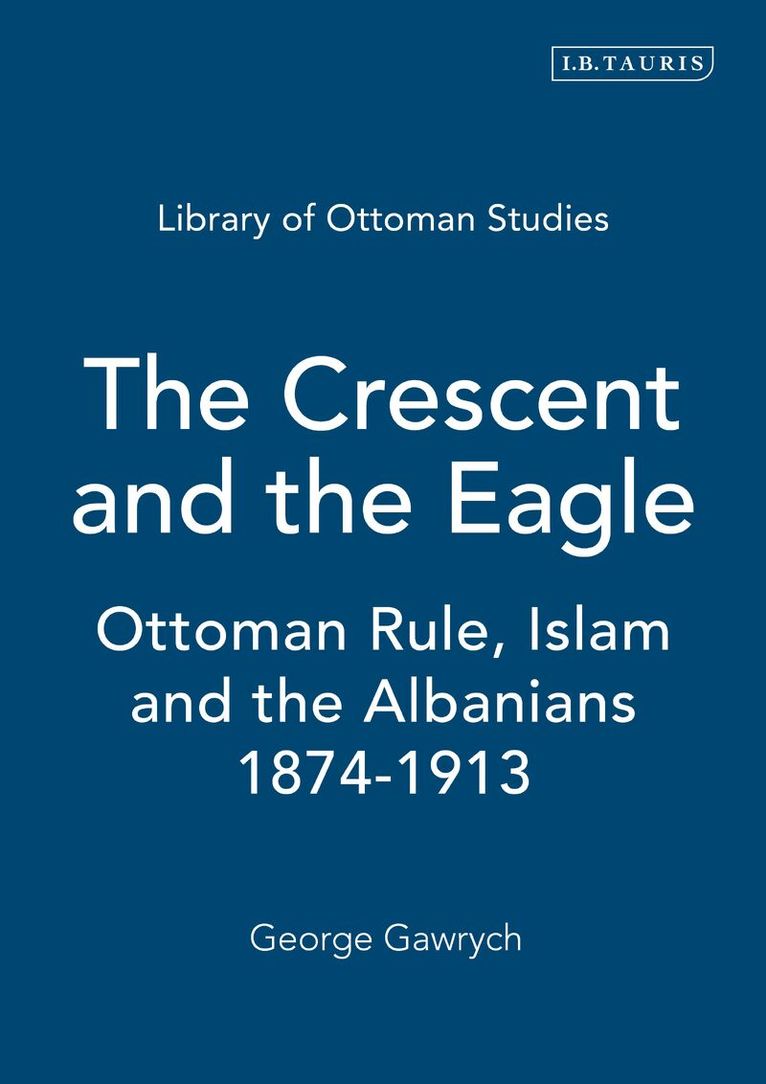
"The Crescent and the Eagle" examines the awakening of Albanian national identity from the end of the 19th century to the outbreak of the First World War - a period of intense nationalism in the Balkans - from an Ottoman perspective. Drawing on Ottoman and European archival material, the book undermines the customary negative stereotypes of Ottoman rule, offering a more nuanced interpretation. Gawrych provides a critical but objective examination of the evolution of government policies toward Albanians, from attempts to mould them into an "iron barrier" to the establishment of a uniform system of administration. He argues that this was a result of a complicated set of conflicting allegiances and identities, rather than a simply adversarial struggle between government imposition of policy and Albanian resistance. The author also analyses the general problems of endemic violence and misadministration at the provincial level, and examines Albanian efforts to gain nationality rights and maintain local privileges and tribal autonomy.Weaving his analysis of these events into a chronological framework, he concludes that Albanian independence resulted from a confluence of foreign and domestic developments rather than from the design and will of the Albanians themselves. This stimulating study offers many fresh insights into the dynamics of power within the Ottoman Empire and contributes a new perspective to the study of the development of Albanian nationalism.
E-bok
PDF, Engelska, 20062 124 kr
Läs direkt efter köp
"The Crescent and the Eagle" examines the awakening of Albanian national identity from the end of the 19th century to the outbreak of the First World War - a period of intense nationalism in the Balkans - from an Ottoman perspective. Drawing on Ottoman and European archival material, the book undermines the customary negative stereotypes of Ottoman rule, offering a more nuanced interpretation. Gawrych provides a critical but objective examination of the evolution of government policies toward Albanians, from attempts to mould them into an "iron barrier" to the establishment of a uniform system of administration. He argues that this was a result of a complicated set of conflicting allegiances and identities, rather than a simply adversarial struggle between government imposition of policy and Albanian resistance. The author also analyses the general problems of endemic violence and misadministration at the provincial level, and examines Albanian efforts to gain nationality rights and maintain local privileges and tribal autonomy.Weaving his analysis of these events into a chronological framework, he concludes that Albanian independence resulted from a confluence of foreign and domestic developments rather than from the design and will of the Albanians themselves. This stimulating study offers many fresh insights into the dynamics of power within the Ottoman Empire and contributes a new perspective to the study of the development of Albanian nationalism.
Inbunden, Engelska, 2006
1 993 kr
Skickas inom 10-15 vardagar
"The Crescent and the Eagle" examines the awakening of Albanian national identity from the end of the 19th century to the outbreak of the First World War - a period of intense nationalism in the Balkans - from an Ottoman perspective. Drawing on Ottoman and European archival material, the book undermines the customary negative stereotypes of Ottoman rule, offering a more nuanced interpretation. Gawrych provides a critical but objective examination of the evolution of government policies toward Albanians, from attempts to mould them into an "iron barrier" to the establishment of a uniform system of administration. He argues that this was a result of a complicated set of conflicting allegiances and identities, rather than a simply adversarial struggle between government imposition of policy and Albanian resistance. The author also analyses the general problems of endemic violence and misadministration at the provincial level, and examines Albanian efforts to gain nationality rights and maintain local privileges and tribal autonomy.Weaving his analysis of these events into a chronological framework, he concludes that Albanian independence resulted from a confluence of foreign and domestic developments rather than from the design and will of the Albanians themselves. This stimulating study offers many fresh insights into the dynamics of power within the Ottoman Empire and contributes a new perspective to the study of the development of Albanian nationalism.