George W. Norton – författare
Visar alla böcker från författaren George W. Norton. Handla med fri frakt och snabb leverans.
5 produkter
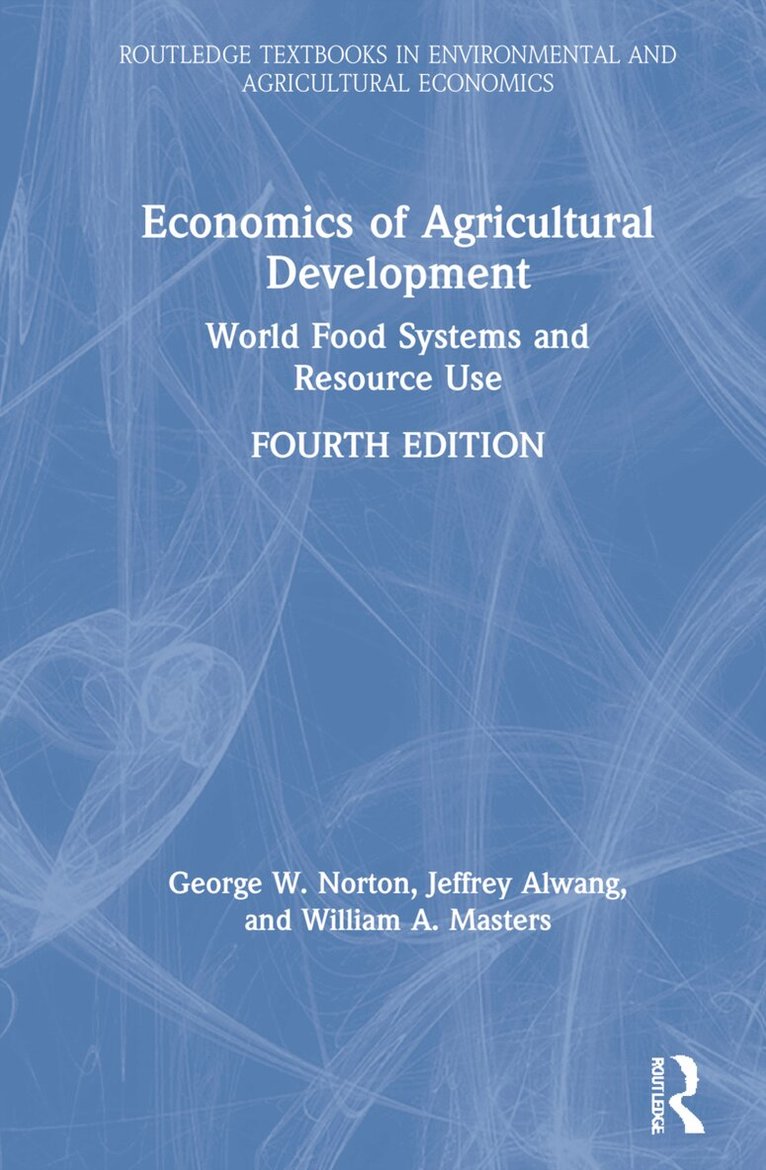
Economics of Agricultural Development
World Food Systems and Resource Use
Av George W. Norton, Jeffrey Alwang m. fl.
Inbunden, 2021
2838 kr
Lägg i varukorg
Economics of Agricultural Development examines the causes, severity, and effects of poverty, population growth, and malnutrition in developing countries. It discusses potential solutions to these problems, progress made in many countries in recent years, and the implications of globalization for …
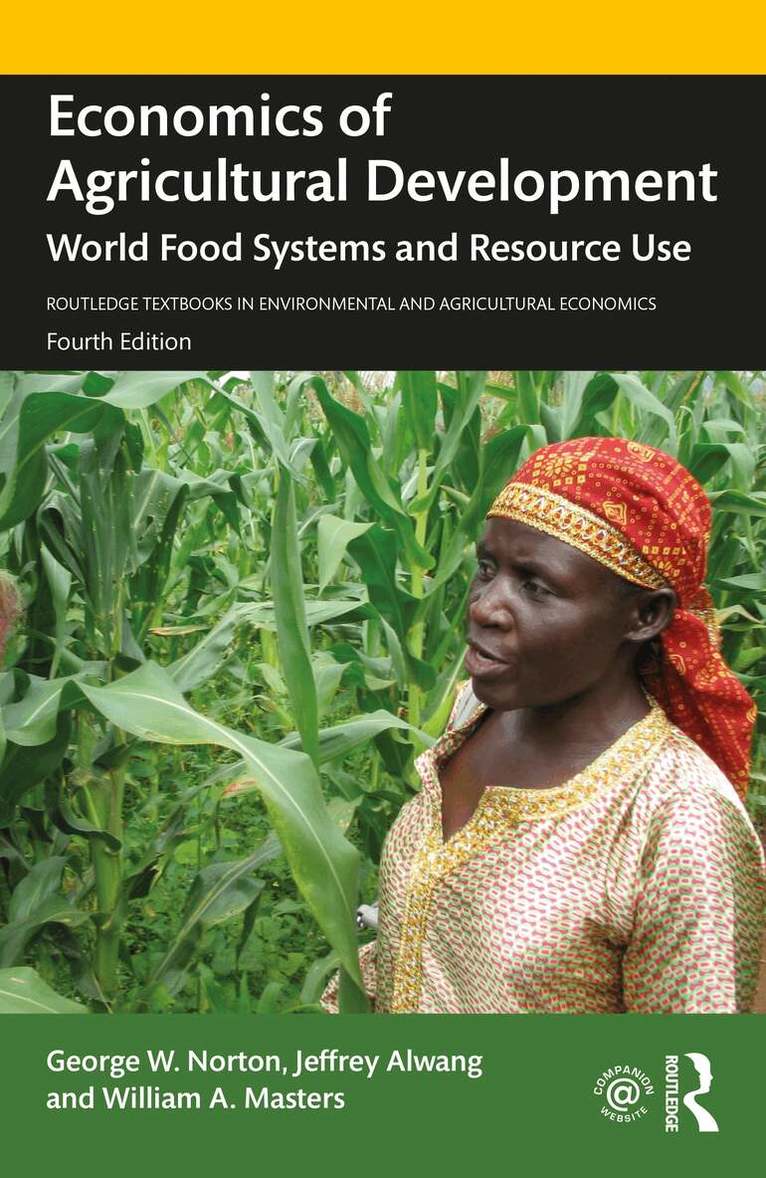
Economics of Agricultural Development
World Food Systems and Resource Use
Av George W. Norton, Jeffrey Alwang m. fl.
Häftad, 2021
1125 kr
Lägg i varukorg
Economics of Agricultural Development examines the causes, severity, and effects of poverty, population growth, and malnutrition in developing countries. It discusses potential solutions to these problems, progress made in many countries in recent years, and the implications of globalization for …
Science Under Scarcity
Principles and Practice for Agricultural Research and Priority Setting
Av Julian M. Alston, George W. Norton m. fl.
Häftad, 1998
1194 kr
Lägg i varukorg
Resources for agricultural science are scarce across the world. Yet even as resources are shrinking, agricultural science has expanded its inquiry into many new areas - such as environmental preservation, food quality, and rural development - without forsaking its more traditional concerns. In a …
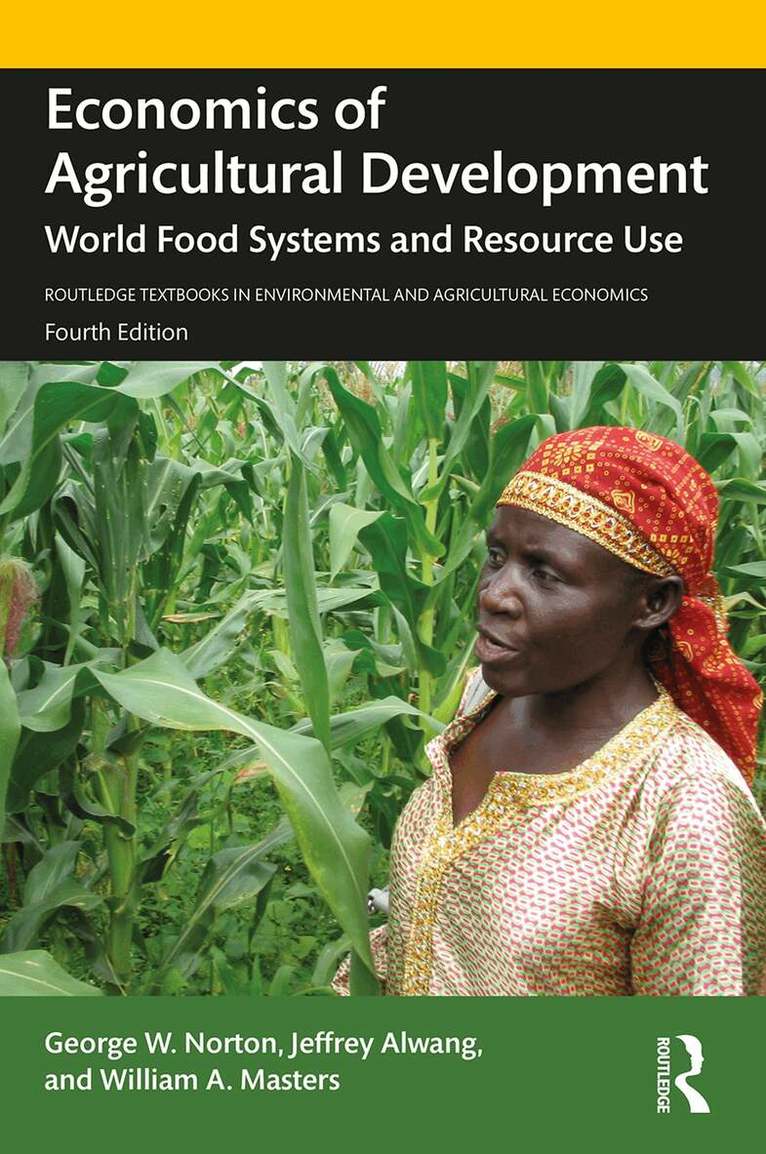
Economics of Agricultural Development
World Food Systems and Resource Use
Av George W. Norton, Jeffrey Alwang m. fl.
E-bok, 2021
1333 kr
Lägg i varukorg
Economics of Agricultural Development examines the causes, severity, and effects of poverty, population growth, and malnutrition in developing countries. It discusses potential solutions to these problems, progress made in many countries in recent years, and the implications of globalization for …
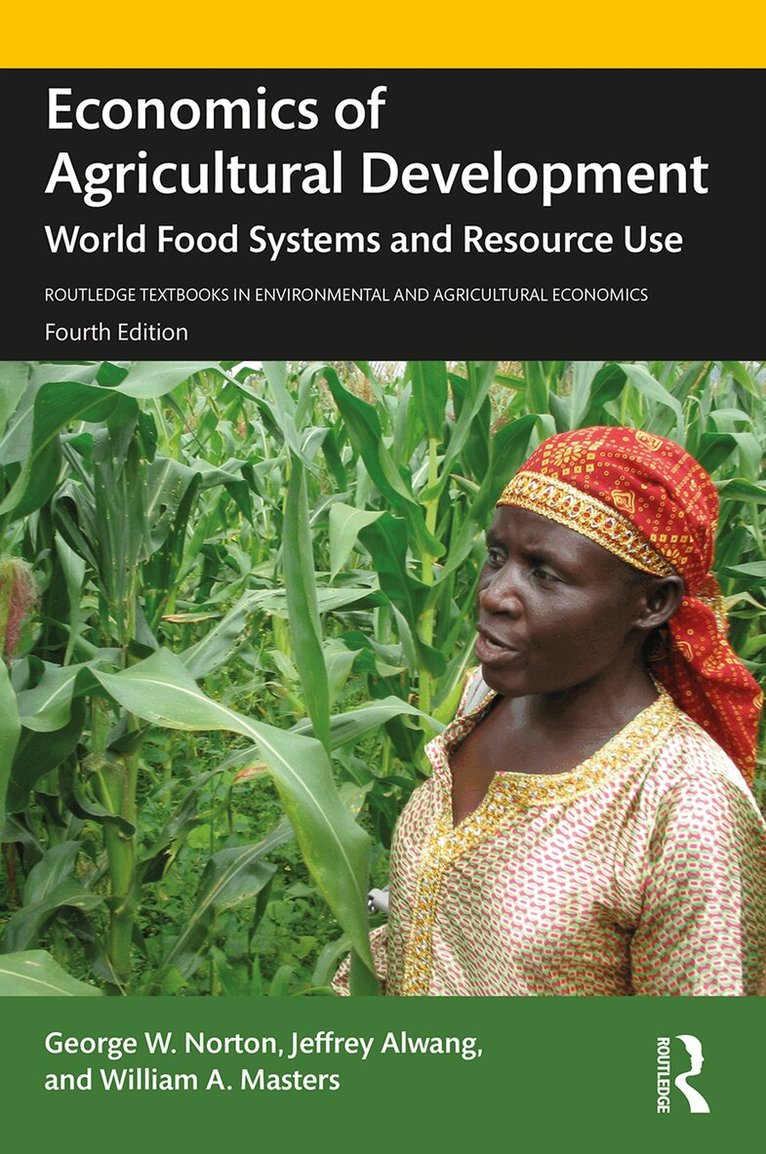
Economics of Agricultural Development
World Food Systems and Resource Use
Av George W. Norton, Jeffrey Alwang m. fl.
E-bok, 2021
1333 kr
Lägg i varukorg
Economics of Agricultural Development examines the causes, severity, and effects of poverty, population growth, and malnutrition in developing countries. It discusses potential solutions to these problems, progress made in many countries in recent years, and the implications of globalization for …