Ger Honderd – författare
Visar alla böcker från författaren Ger Honderd. Handla med fri frakt och snabb leverans.
3 produkter
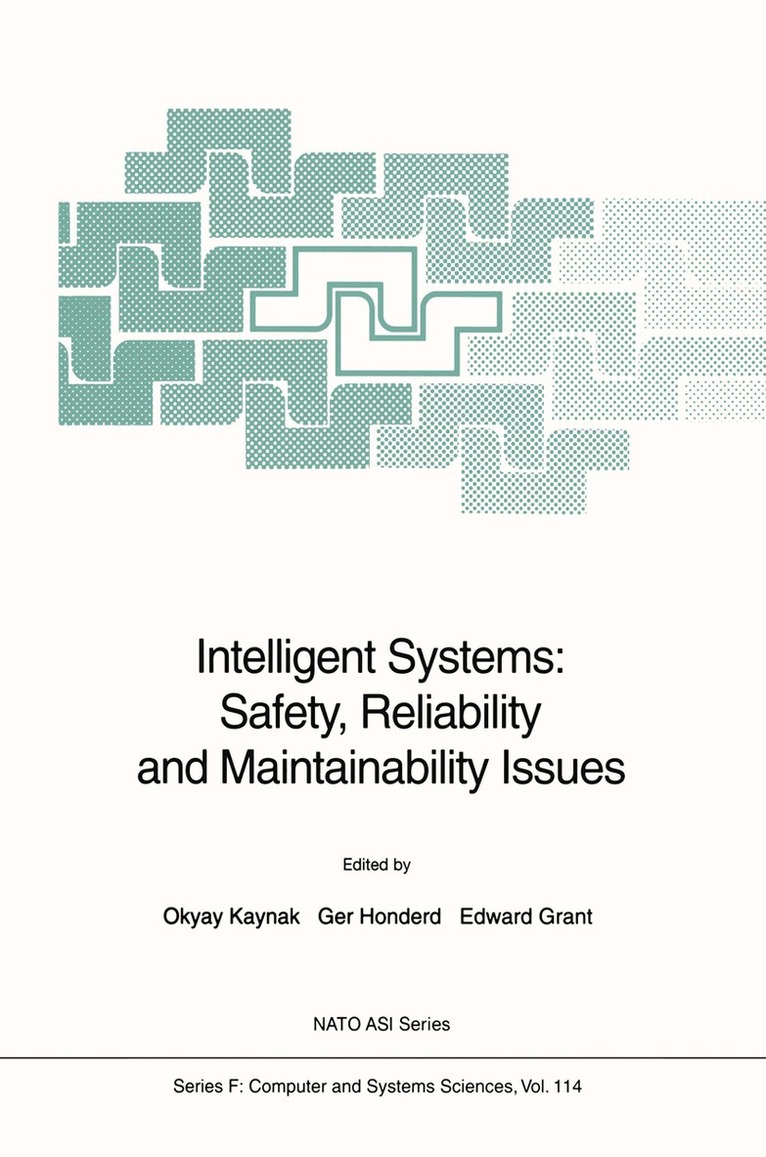
Intelligent Systems: Safety, Reliability and Maintainability Issues
Av Okyay Kaynak, Ger Honderd m. fl.
Inbunden, 1993
1093 kr
Lägg i varukorg
This book is a collection of some of the papers that were presented during a NATO Advanced Research Workshop (ARW) on "Intelligent Systems: Safety, Reliability and Maintainability Issues" that was held in Kusadasi, Turkey during August 24- 28, 1992. Attendance at this workshop was mainly by …
Intelligent Systems: Safety, Reliability and Maintainability Issues
Av Edward Grant, Ger Honderd m. fl.
E-bok, 2012
1502 kr
Lägg i varukorg
This book is a collection of some of the papers that were presented during a NATO Advanced Research Workshop (ARW) on "Intelligent Systems: Safety, Reliability and Maintainability Issues" that was held in Kusadasi, Turkey during August 24- 28, 1992. Attendance at this workshop was mainly by …
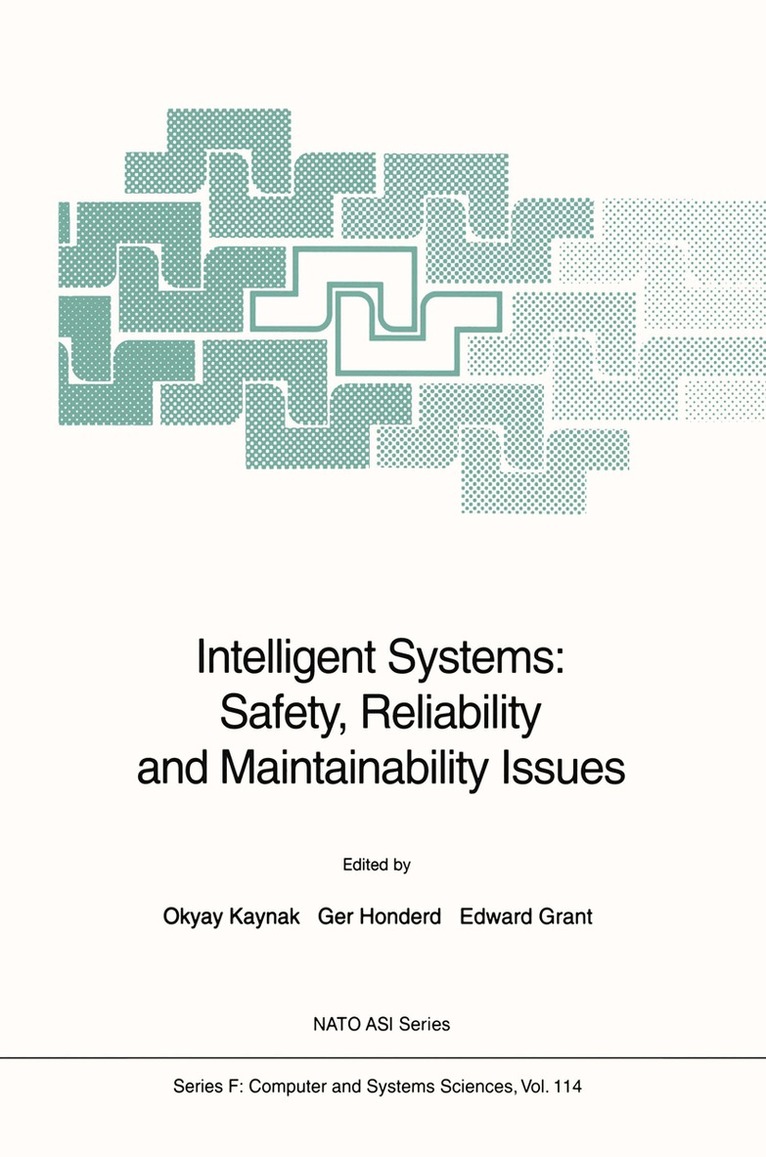
Intelligent Systems: Safety, Reliability and Maintainability Issues
Av Okyay Kaynak, Ger Honderd m. fl.
Häftad, 2012
1126 kr
Lägg i varukorg
This book is a collection of some of the papers that were presented during a NATO Advanced Research Workshop (ARW) on "Intelligent Systems: Safety, Reliability and Maintainability Issues" that was held in Kusadasi, Turkey during August 24- 28, 1992. Attendance at this workshop was mainly by …