Geraldine Forbes – författare
Visar alla böcker från författaren Geraldine Forbes. Handla med fri frakt och snabb leverans.
4 produkter
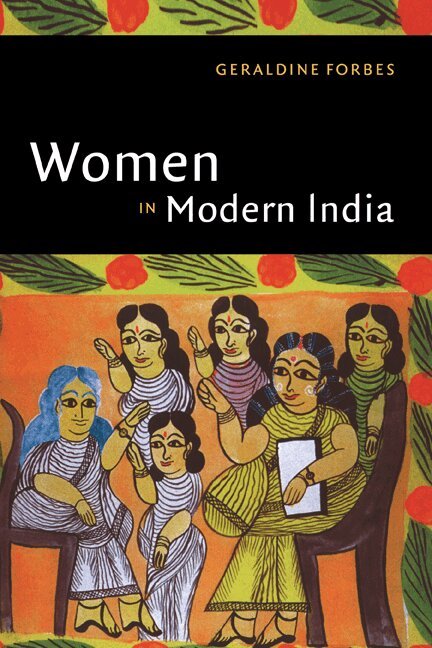
Women in Modern India
Inbunden, 1996
1677 kr
Lägg i varukorg
In a compelling study of Indian women, Geraldine Forbes considers their recent history from the nineteenth century under colonial rule to the twentieth century after Independence. She begins with the reform movement, established by men to educate women, and demonstrates how education changed …
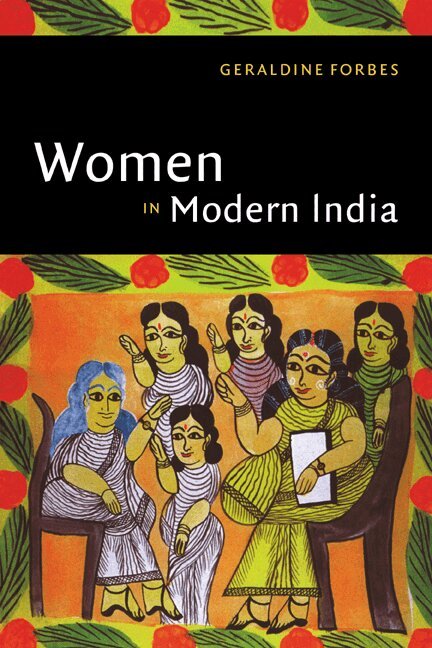
Women in Modern India
Av Geraldine Forbes, Gordon Johnson m. fl.
Häftad, 1999
459 kr
Lägg i varukorg
In a compelling study of Indian women, Geraldine Forbes considers their recent history from the nineteenth century under colonial rule to the twentieth century after Independence. She begins with the reform movement, established by men to educate women, and demonstrates how education changed …
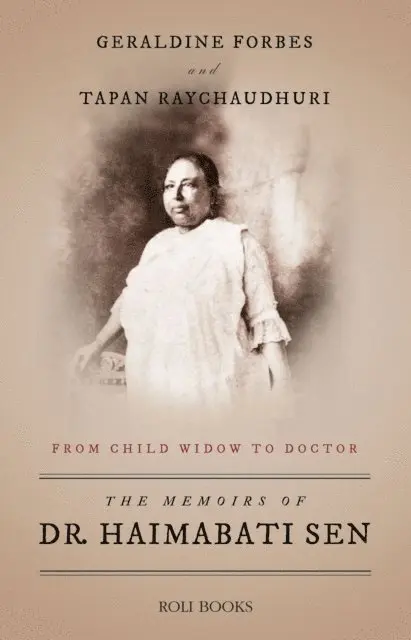
MEMOIRS OF DR. HAIMABATI SEN: FROM CHILD WIDOW TO LADY DOCTOR
Av Geraldine Forbes, Tapan Raychaudhuri
E-bok, 2000
119 kr
Lägg i varukorg
This intimate autobiography, rich in details of a society in transition, was written by one of India's earliest women doctors. Though a child widow, driven from pillar to post, Haimabati nourished an ambition for higher education, eventually trained as a medical practitioner, and became the 'Lady …
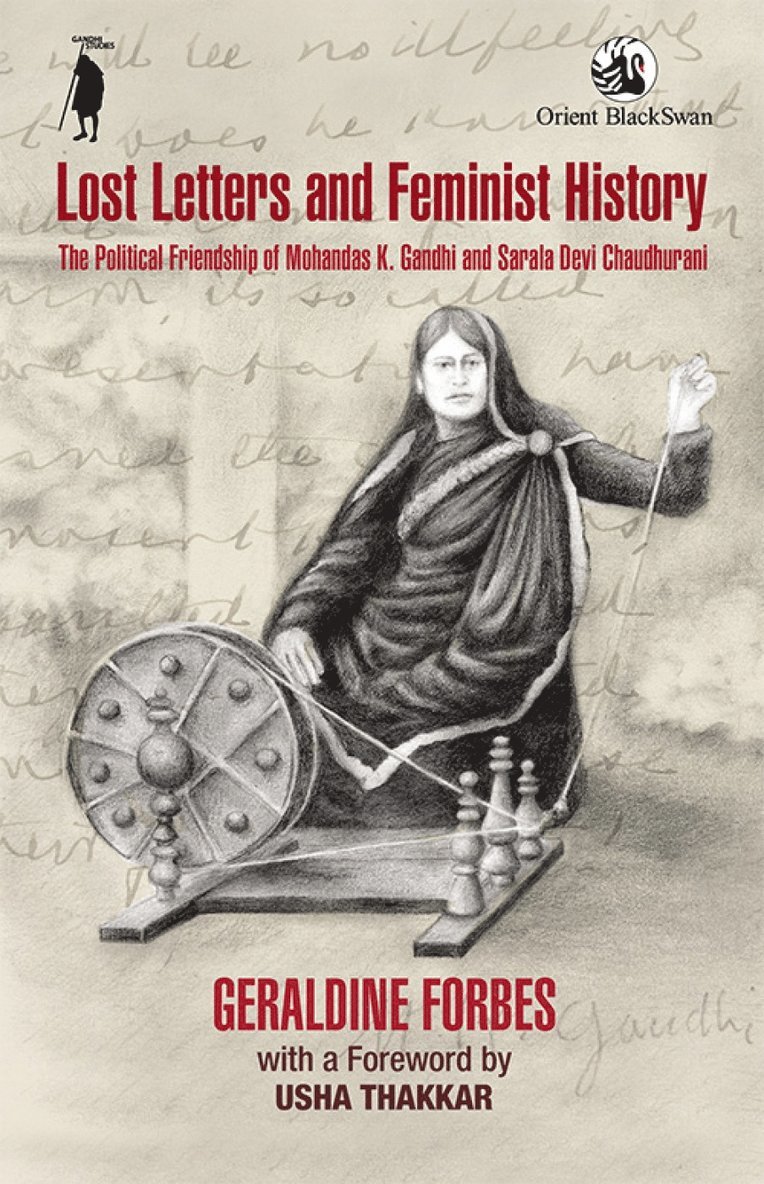
Lost Letters and Feminist History
The Political Friendship of Mohandas K. Gandhi and Sarala Devi Chaudhurani
Häftad, 2024
371 kr
Lägg i varukorg
In the 1920s, amidst the upheaval of the Indian national movement, Mohandas K. Gandhi and the prominent Indian nationalist and feminist, Sarala Devi Chaudhurani, communicated with each other for over a year via letters that were both politically charged and personally insightful.In Lost Letters and …