Del 271 - Contributions to Economic Analysis
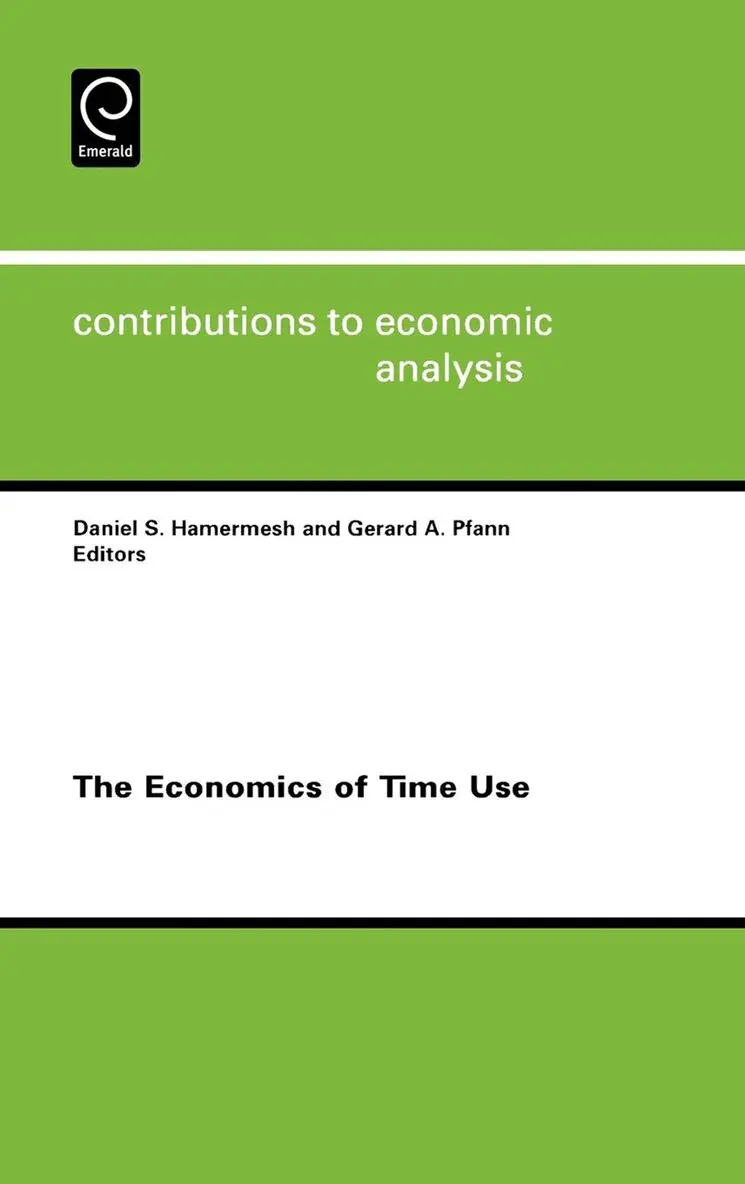
Economics of Time Use
Inbunden, Engelska, 2004
2 232 kr
Skickas inom 5-8 vardagar
These studies are based on information on time use in nine countries. Such studies will become more common as more governments fund time-budget surveys and as economists realize the benefits of using this type of data. Each does something that either could not have been accomplished at all, or that could have been done much less convincingly on the data that one typically obtains from households. Part I deals with the "when?" and "with whom?" questions describing human behavior. These questions have been essentially ignored by social scientists generally, and have been completely ignored by economists. So long as we believe that people have preferences over the timing and the context of their activities, we should be able to apply economic analysis usefully to their decisions. Part II deals with "what is done?" questions of the quantities and determinants of economic activities.While many of these questions have been addressed using readily available retrospective data, time-diary data allow both recording them more accurately and the kind of disaggregation by type that is not possible with other kinds of data. Part III deals with children's issues - the determination of time spent at home with children and its impacts on the parents and on the children themselves. Here we have economic analyses using detailed time-diary data and special survey questions that have not heretofore been used to address these topics. Part IV consists of a single study focussed on the issues involved in the creation of the American Time Use Survey (ATUS), which began full-scale operations in January 2003.