Gerard H. Kuper – författare
Visar alla böcker från författaren Gerard H. Kuper. Handla med fri frakt och snabb leverans.
6 produkter
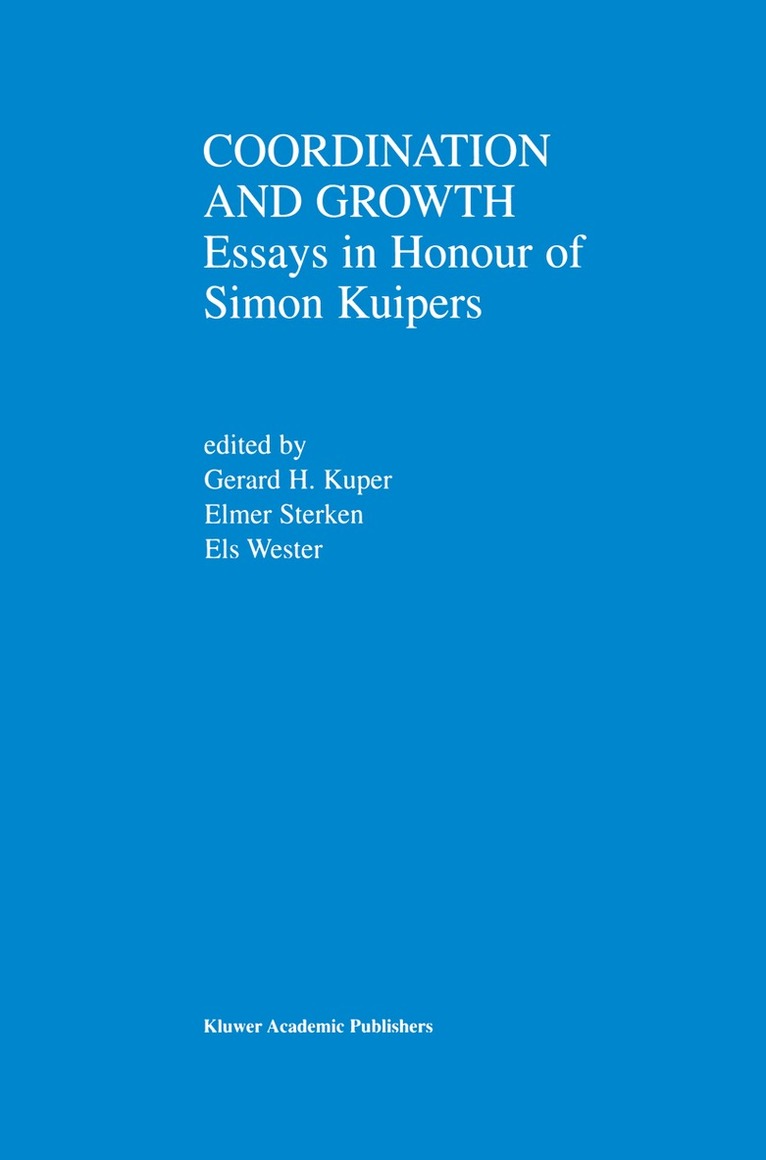
Coordination and Growth
Essays in Honour of Simon K. Kuipers
Av Gerard H. Kuper, Elmer Sterken m. fl.
Inbunden, 2001
1128 kr
Lägg i varukorg
This volume addresses a rich variety of co-ordination issues in macroeconomics. It contains detailed studies in economic policy, monetary economics, and growth theory and uses various methodologies to address the coordination issue: from a pure theoretical to an empirical econometric approach. It …
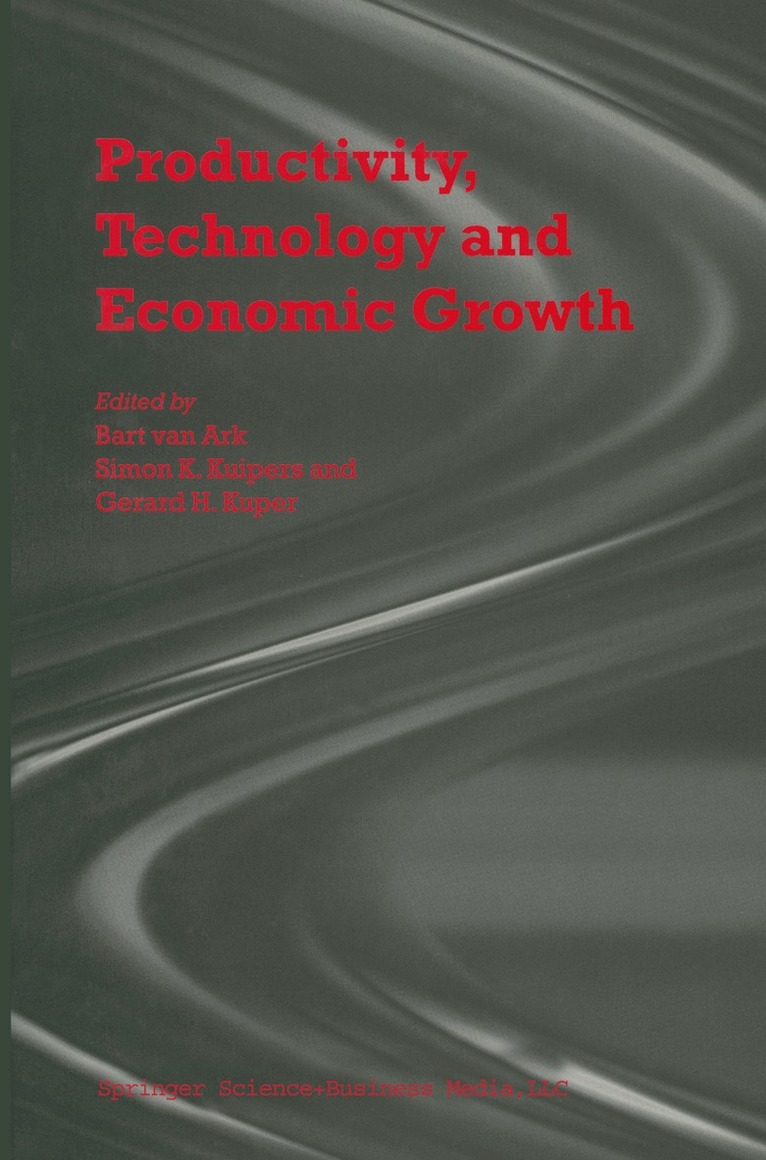
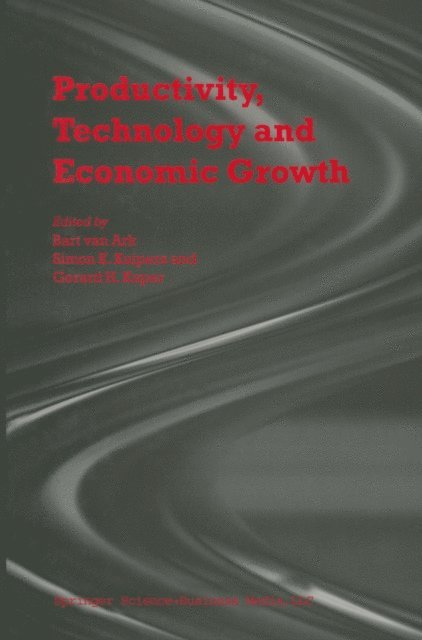
Productivity, Technology and Economic Growth
Av Bart Van Ark, S. K. Kuipers m. fl.
Inbunden, 2000
2249 kr
Lägg i varukorg
Productivity, Technology and Economic Growth presents a selection of recent research advances on long term economic growth. While the contributions stem from both economic history, macro- and microeconomics and the economics of innovation, all papers depart from a common viewpoint: the key factor …
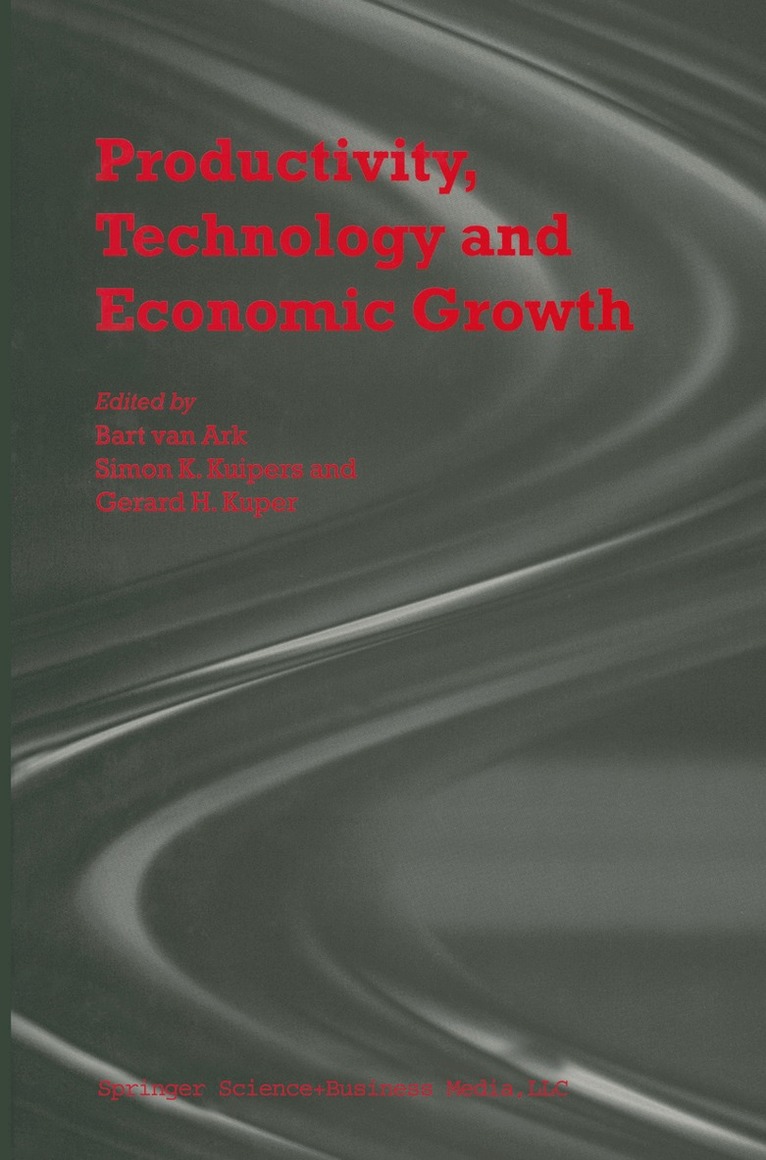
Productivity, Technology and Economic Growth
Av Bart van Ark, Simon K. Kuipers m. fl.
Häftad, 2010
2249 kr
Lägg i varukorg
Productivity, Technology and Economic Growth presents a selection of recent research advances on long term economic growth. While the contributions stem from both economic history, macro- and microeconomics and the economics of innovation, all papers depart from a common viewpoint: the key factor …
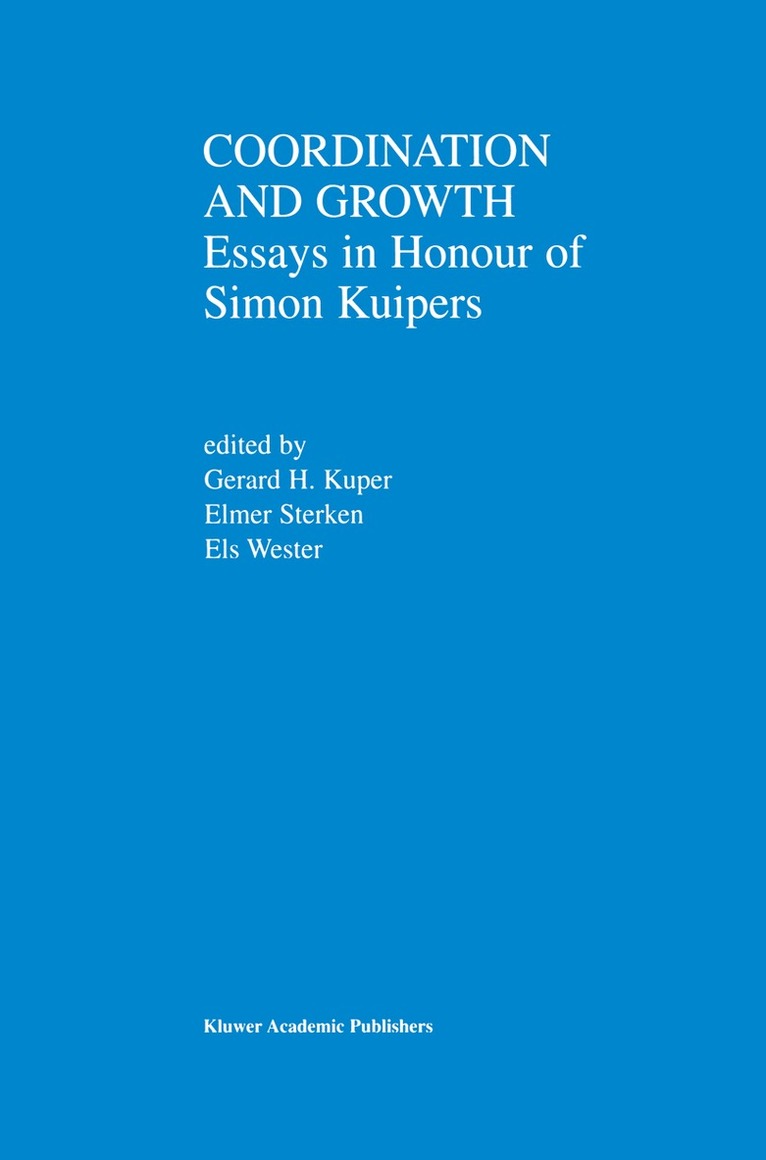
Coordination and Growth
Essays in Honour of Simon K. Kuipers
Av Gerard H. Kuper, Elmer Sterken m. fl.
Häftad, 2012
1095 kr
Lägg i varukorg
Coordination and Growth: Essays in Honour of Simon K. Kuipers, addresses a rich variety of coordination issues in macroeconomics. It contains detailed studies in economic policy, monetary economics, and growth theory and uses various methodologies to address the coordination issue: from a pure …
Coordination and Growth
Essays in Honour of Simon K. Kuipers
Av Els Wester, Elmer Sterken m. fl.
E-bok, 2012
1459 kr
Lägg i varukorg
Coordination and Growth: Essays in Honour of Simon K. Kuipers , addresses a rich variety of coordination issues in macroeconomics. It contains detailed studies in economic policy, monetary economics, and growth theory and uses various methodologies to address the coordination issue: from a pure …
Productivity, Technology and Economic Growth
Av Gerard H. Kuper, Simon K. Kuipers m. fl.
E-bok, 2013
3013 kr
Lägg i varukorg
Productivity, Technology and Economic Growth presents a selection of recent research advances on long term economic growth. While the contributions stem from both economic history, macro- and microeconomics and the economics of innovation, all papers depart from a common viewpoint: the key factor …