GERD MASSELINK – författare
Visar alla böcker från författaren GERD MASSELINK. Handla med fri frakt och snabb leverans.
9 produkter
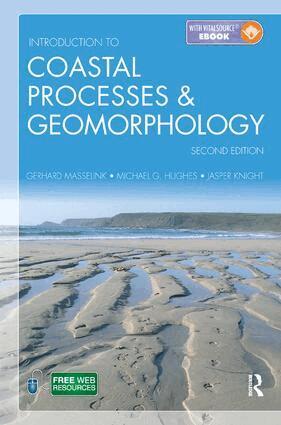
INTRODUCTION TO COASTAL PROCESSES & GEOM
Häftad, 2019
710 kr
Lägg i varukorg
Introduction to Coastal Processes and Geomorphology explores the varied environments and processes that occur along the worlds coastlines, with an emphasis on technical examination, case studies that demonstrate theory in action and the impact of climate change on the coasts of the future.
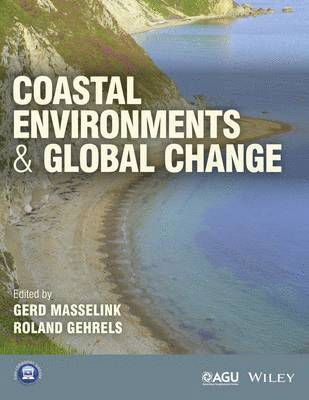
Coastal Environments and Global Change
Av Gerd Masselink, Roland Gehrels
Häftad, 2014
694 kr
Lägg i varukorg
The coastal zone is one of the most dynamic environments on our planet and is much affected by global change, especially sea-level rise. Coastal environments harbour valuable ecosystems, but they are also hugely important from a societal point of view. This book, which draws on the expertise of 21 …
Coastal Environments and Global Change
Av Roland Gehrels, Gerd Masselink
E-bok, 2014
798 kr
Lägg i varukorg
The coastal zone is one of the most dynamic environments on our planet and is much affected by global change, especially sea-level rise. Coastal environments harbour valuable ecosystems, but they are also hugely important from a societal point of view. This book, which draws on the expertise of 21 …
Coastal Environments and Global Change
Av Roland Gehrels, Gerd Masselink
E-bok, 2014
798 kr
Lägg i varukorg
The coastal zone is one of the most dynamic environments on our planet and is much affected by global change, especially sea-level rise. Coastal environments harbour valuable ecosystems, but they are also hugely important from a societal point of view. This book, which draws on the expertise of 21 …
Introduction to Coastal Processes and Geomorphology
Av Jasper Knight, Michael Hughes m. fl.
E-bok, 2014
1385 kr
Lägg i varukorg
The world''s coastlines represent a myriad of dynamic and constantly changing environments. Heavily settled and intensely used areas, they are of enormous importance to humans and understanding how they are shaped and change is crucial to our future. Introduction to Coastal Processes and …
Introduction to Coastal Processes and Geomorphology
Inbunden, 2017
3074 kr
Lägg i varukorg
The world's coastlines represent a myriad of dynamic and constantly changing environments. Heavily settled and intensely used areas, they are of enormous importance to humans and understanding how they are shaped and change is crucial to our future.Introduction to Coastal Processes and …
Introduction to Coastal Processes and Geomorphology
Av Gerd Masselink, Michael Hughes m. fl.
Häftad, 2011
1159 kr
Lägg i varukorg
The world's coastlines represent a myriad of dynamic and constantly changing environments. Heavily settled and intensely used areas, they are of enormous importance to humans and understanding how they are shaped and change is crucial to our future.Introduction to Coastal Processes and …
Introduction to Coastal Processes and Geomorphology
Av Jasper Knight, Michael Hughes m. fl.
E-bok, 2014
1385 kr
Lägg i varukorg
The world''s coastlines represent a myriad of dynamic and constantly changing environments. Heavily settled and intensely used areas, they are of enormous importance to humans and understanding how they are shaped and change is crucial to our future. Introduction to Coastal Processes and …
Coastal Environments and Global Change
Av Gerd Masselink, Roland Gehrels
Inbunden
1019 kr
Tillfälligt slut