
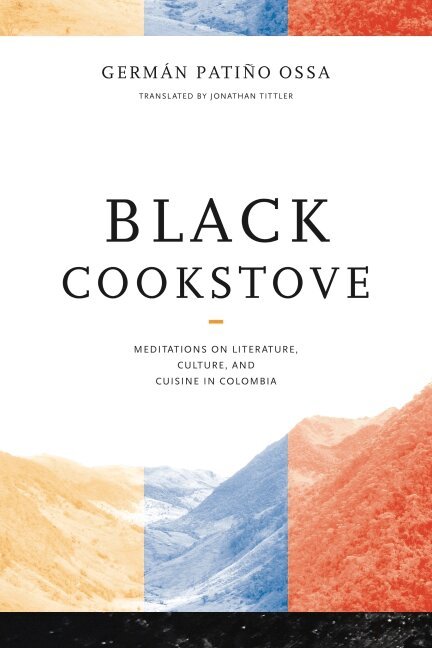
Winner of the 2006 Andrés Bello Award for Memory and Ibero-American ThoughtIn this evocatively written book, Germán Patiño Ossa presents the cultural universe and national identities of Colombia through the lens of traditional cuisine. Focusing on the Cauca Valley, a fertile area in southwestern Colombia where Spanish, Native American, and African communities converged over the centuries, Patiño Ossa studies the food of these communities and its place in the region’s culture.Using Jorge Isaacs’s nineteenth-century Romantic novel María as a realistic source for cultural practices among Colombia’s slaveholding elite, Patiño Ossa examines cooking, kitchens, and the division of labor; flora and fauna; agriculture, hunting, and fishing; hospitality; slavery; and literature. Through the community of Afro-descendants who appear in Isaacs’s novel, Patiño Ossa shows how this culinary culture, originating in the cookstoves used by female black slaves, resulted in the Creole fusions that characterize this geographical region of Latin America. Cooking and food, as Patiño Ossa eloquently demonstrates, are essential for us to understand the process of the formation of culture and the origins, evolution, and effects of transculturation.Innovative, engaging, and accompanied by an introductory preface by the author, this English-language edition of Patiño Ossa’s prizewinning book is a model for food and cultural studies that will appeal to scholars, students, and the intellectually curious.
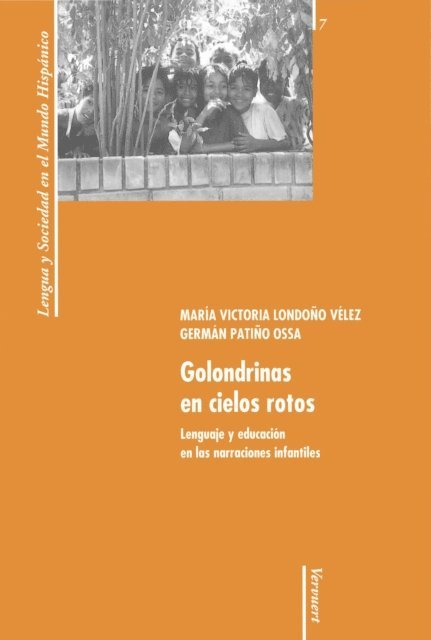
¿Por qué los niños criados en ambientes de pobreza, o que pertenecen a comunidades culturales minoritarias o marginales, obtienen un rendimiento escolar inferior al promedio nacional, tanto en América Latina como en otros países del Tercer Mundo?¿Por qué, en ciertos casos, con una intervención especial de los docentes, que toma como eje la construcción de narrativas, grupos de estos niños mejoran notablemente su rendimiento, sin necesidad de acudir a costosas inversiones en infraestructura y aún sin acceso a nuevas tecnologías?Golondrinas en cielos rotos es una reflexión sobre estos casos, mostrando como el lenguaje convencional de la escuela está muy alejado del lenguaje común de los niños en condiciones de marginalidad, y como superar esta limitación resulta decisivo para que la educación se convierta en un instrumento que equipare oportunidades sociales
Winner of the 2006 Andrés Bello Award for Memory and Ibero-American ThoughtIn this evocatively written book, Germán Patiño Ossa presents the cultural universe and national identities of Colombia through the lens of traditional cuisine. Focusing on the Cauca Valley, a fertile area in southwestern Colombia where Spanish, Native American, and African communities converged over the centuries, Patiño Ossa studies the food of these communities and its place in the region’s culture.Using Jorge Isaacs’s nineteenth-century Romantic novel María as a realistic source for cultural practices among Colombia’s slaveholding elite, Patiño Ossa examines cooking, kitchens, and the division of labor; flora and fauna; agriculture, hunting, and fishing; hospitality; slavery; and literature. Through the community of Afro-descendants who appear in Isaacs’s novel, Patiño Ossa shows how this culinary culture, originating in the cookstoves used by female black slaves, resulted in the Creole fusions that characterize this geographical region of Latin America. Cooking and food, as Patiño Ossa eloquently demonstrates, are essential for us to understand the process of the formation of culture and the origins, evolution, and effects of transculturation.Innovative, engaging, and accompanied by an introductory preface by the author, this English-language edition of Patiño Ossa’s prizewinning book is a model for food and cultural studies that will appeal to scholars, students, and the intellectually curious.
¿Por qué los niños criados en ambientes de pobreza, o que pertenecen a comunidades culturales minoritarias o marginales, obtienen un rendimiento escolar inferior al promedio nacional, tanto en América Latina como en otros países del Tercer Mundo?¿Por qué, en ciertos casos, con una intervención especial de los docentes, que toma como eje la construcción de narrativas, grupos de estos niños mejoran notablemente su rendimiento, sin necesidad de acudir a costosas inversiones en infraestructura y aún sin acceso a nuevas tecnologías?Golondrinas en cielos rotos es una reflexión sobre estos casos, mostrando como el lenguaje convencional de la escuela está muy alejado del lenguaje común de los niños en condiciones de marginalidad, y como superar esta limitación resulta decisivo para que la educación se convierta en un instrumento que equipare oportunidades sociales