Gertjan Willems - Böcker
Visar alla böcker från författaren Gertjan Willems. Handla med fri frakt och snabb leverans.
4 produkter
4 produkter
1 410 kr
Skickas inom 7-10 vardagar
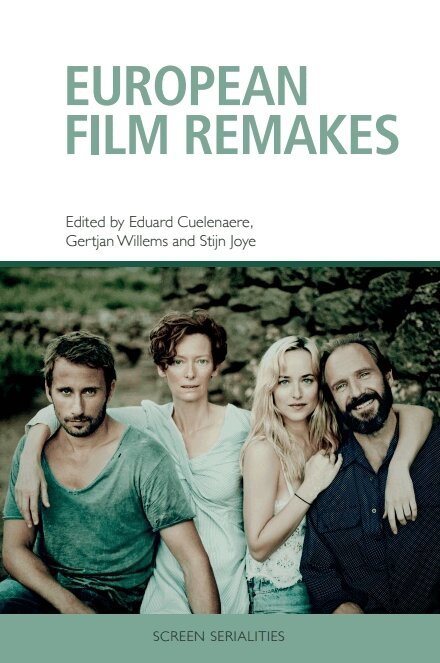
Bringing together a range of international scholars, European Film Remakes discusses for the first time the textual, socio-cultural, political, and industrial mechanisms and singularities of the film remake in a European context. Offering a variety of historical, theoretical, and methodological approaches, the book is illustrated by a wide range of case studies from across Europe, including films like A Bigger Splash, Open Your Eyes and Perfect Strangers. Although commonly understood as a typical Hollywood practice, this book demonstrates how film remakes are, and always have been, a significant part of the European film culture and industry.
630 kr
Skickas inom 3-6 vardagar
Combines historical and contemporary approaches to film remakes in EuropeInvestigates, next to the textual, socio-cultural and political dimensions, the often neglected industrial, financial and production-related dynamics of European remake practicesProvides a mix of different methodologies, ranging from comparative textual analysis to production, promotion, and reception analysisTakes into account both popular and art cinema remakesExamines European film remakes within local, regional, national, transnational or transcultural contextsOffers new theoretical concepts and methodological models that take into account both the distinctive and universal aspects of film remaking in a European contextBringing together a range of international scholars, European Film Remakes discusses for the first time the textual, socio-cultural, political, and industrial mechanisms and singularities of the film remake in a European context. Offering a variety of historical, theoretical, and methodological approaches, the book is illustrated by a wide range of case studies from across Europe, including films like A Bigger Splash, Open Your Eyes and Perfect Strangers. Although commonly understood as a typical Hollywood practice, this book demonstrates how film remakes are, and always have been, a significant part of the European film culture and industry.
1 580 kr
Kommande
Focuses on the history of government subsidies for feature films in Flanders (the northern, Dutch-language region of Belgium) and its role in stimulating a Flemish identity. It provides an empirical contribution to the study of the relationship between film, national identity and governmental film policy. This book is a timely empirical contribution to the underdeveloped field of Belgian film history. By focusing on film policy, the book contributes to the long neglected but currently burgeoning international field of film policy studies. Furthermore, because of its focus on film policy, the book provides an original contribution to the international research tradition on the relationship between film and national identity by going beyond an examination of textual representations.
760 kr
Kommande
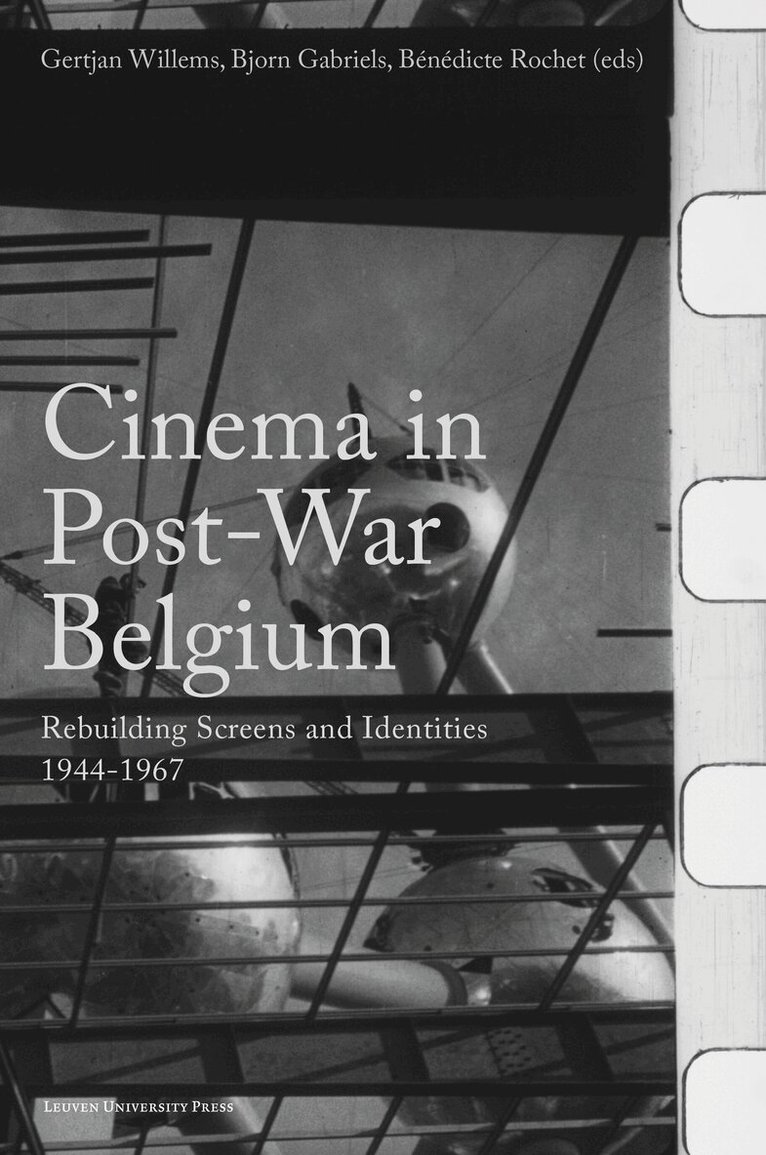
First comprehensive history of Belgian cinema in the post-war decades.Between the liberation of 1944 and the mid-1960s, cinema in Belgium was both booming and fragile. Film theatres across the country attracted record audiences and were rebuilt into dazzling spaces, while local film production remained a precarious enterprise. This book brings that paradoxical landscape to life. It explores cinephile culture and institutional developments alongside popular comedies, art documentaries, colonial films, industrial productions and experimental shorts. Sixteen chapters show how cinema related to Belgium’s shifting identities in a period of reconstruction and transition. The book also challenges long-standing notions of a linguistic divide within Belgian cinema, showing that in the decades before regional film policies emerged, filmmakers and audiences largely operated within a shared national film culture. Generously illustrated and grounded in fresh archival research, this is the first comprehensive history of Belgian cinema in the post-war decades. Situating Belgian cinema within wider cultural, political and international contexts, it offers a compelling resource for film historians, cultural scholars, and heritage institutions.