Gesa zur Nieden – författare
Visar alla böcker från författaren Gesa zur Nieden. Handla med fri frakt och snabb leverans.
7 produkter
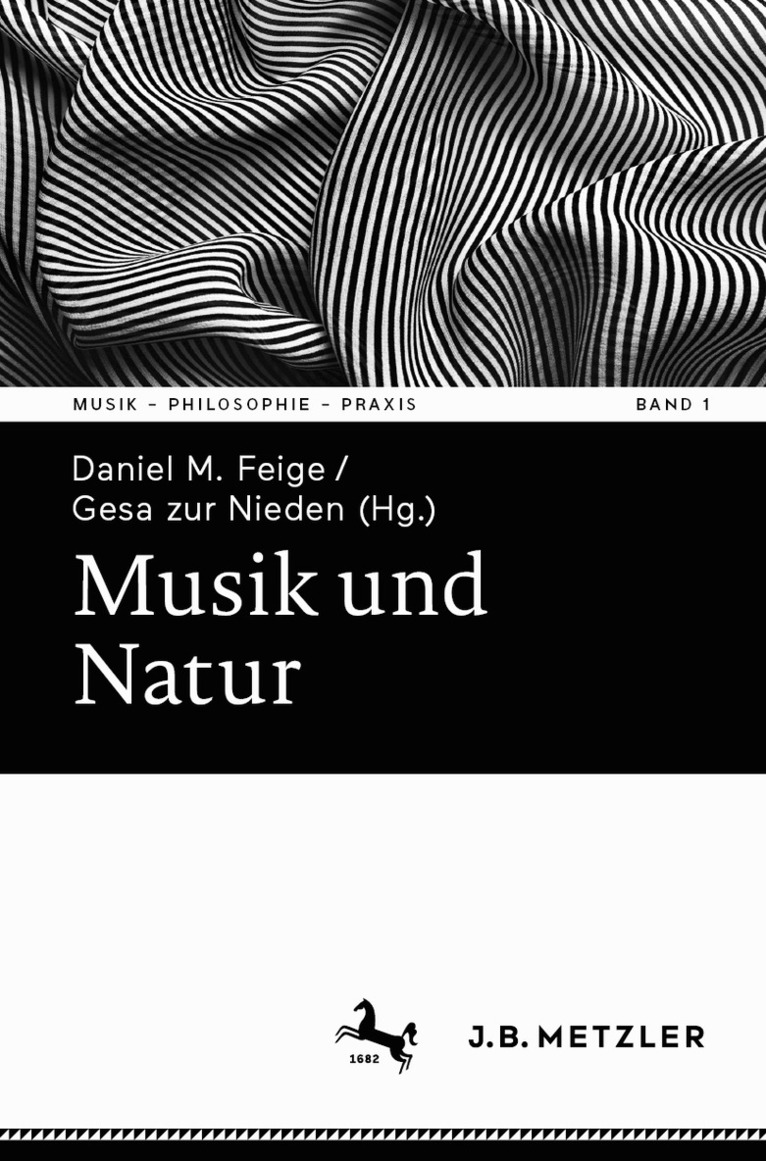
Musik und Natur
Av Daniel M. Feige, Gesa zur Nieden
Häftad, 2027
1184 kr
Kommande
Der Band erkundet das Verhältnis von Musik und Natur aus musikwissenschaftlicher, philosophischer und künstlerischer Perspektive. Dabei reflektieren seine Beiträge sowohl den Musikbegriff als auch den Naturbegriff, indem sie nach der Rolle der Natur in der Musik und der Rolle der Musik für die …
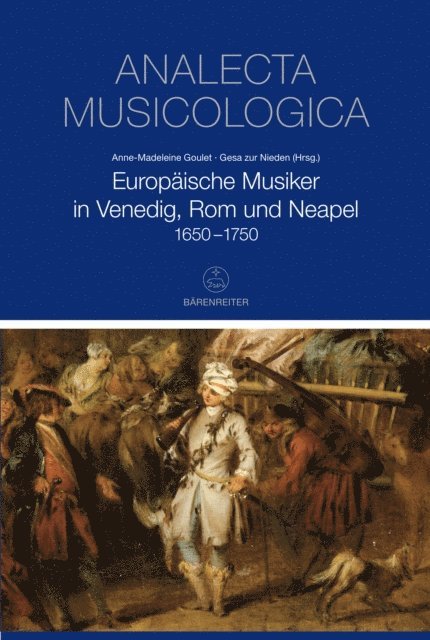
Europaische Musiker in Venedig, Rom und Neapel 1650-1750
Av Gesa zur Nieden, Anne-Madeleine Goulet
E-bok, 2018
2622 kr
Lägg i varukorg
Der Abschlussband des deutsch-französischen ANR-DFG-Projekts MUSICI widmet sich der Musikermigration im Europa der Frühen Neuzeit mit einem kultur- und musikgeschichtlichen Blick auf Venedig, Rom und Neapel als Reiseziele und Wirkungsorte von Instrumentalisten, Sängern, Komponisten und …
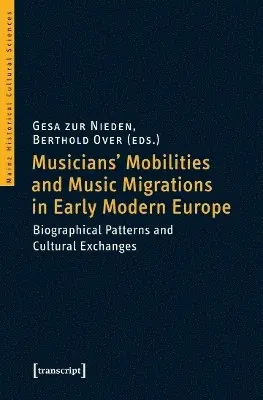
Musicians' Mobilities and Music Migrations in Early Modern Europe
Biographical Patterns and Cultural Exchanges
Av Gesa zur Nieden, Berthold Over
Häftad, 2016
539 kr
Lägg i varukorg
During the 17th and 18th century musicians' mobilities and migrations are essential for the European music history and the cultural exchange of music. Adopting viewpoints that reflect different methodological approaches and diversified research cultures, the book presents studies on central scopes, …
Operatic Pasticcios in Eighteenth–Century Europe – Contexts, Materials, and Aesthetics
Av Berthold Over, Gesa Zur Nieden m. fl.
Häftad, 2021
663 kr
Lägg i varukorg
In Early Modern times, techniques of assembling, compiling and arranging pre-existing material were part of the established working methods in many arts. In the world of 18th-century opera, such practices ensured that operas could become a commercial success because the substitution or compilation …
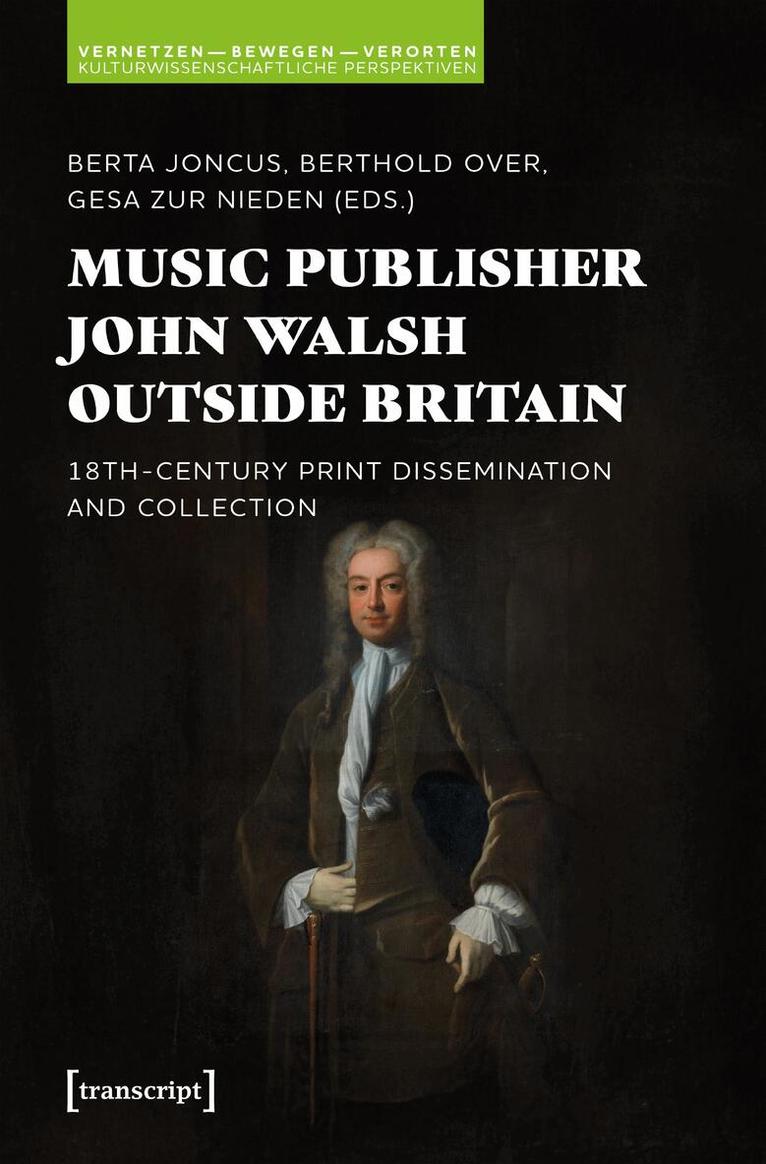
Music Publisher John Walsh outside Britain
18th-Century Print Dissemination and Collection
Av Berta Joncus, Berthold Over m. fl.
Häftad, 2027
730 kr
Kommande
Printed music was central to the performance, reception, and recollection of music in the 18th century. Among music publishers, the London firm of John Walsh (father and son) held unmatched commercial reach both in and outside of Britain. The contributors examine how the Walsh's brokered musical …
Non-binäre Identitäten und Konzepte in Literatur, Musik und Kunst um 1900
Av Anna-Katharina Gisbertz, Eva-Tabea Meineke m. fl.
Häftad, 2025
1113 kr
Lägg i varukorg
Funktionen Von Kunst
Av Daniel Martin Feige, Tilmann Köppe m. fl.
Häftad, 2009
600 kr
Tillfälligt slut
Der Funktionsbegriff spielt für die Kunsttheorie in Geschichte und Gegenwart eine wichtige Rolle: Sei es, dass die Funktionslosigkeit von Kunst emphatisch behauptet oder eingefordert wird; sei es, dass die Auseinandersetzung mit Kunst über deren Funktionen gerechtfertigt wird; sei es, dass der …