Gianni Vattimo – författare
Visar alla böcker från författaren Gianni Vattimo. Handla med fri frakt och snabb leverans.
62 produkter
Nietzsche : en introduktion
Pocket, 1997
4,3 utav 5 stjärnor. Totalt antal röster: (3)
87 kr
Lägg i varukorg
Friedrich Nietzsche (1844-1900) har ofta betraktats som motsägelsefull, ja, hans tänkande har definierats som en filosofi om tillvarons motsägelser. Sammanhanget mellan de olika faserna i hans filosofi har dessutom visat sig vara särskilt problematiskt och väckt omfattande diskussioner. Filosofer …
Dialogue with Nietzsche
Häftad, 2008
494 kr
Lägg i varukorg
For more than forty years, Gianni Vattimo, one of Europe's most important and influential philosophers, has been a leading participant in the postwar turn that has brought Nietzsche back to the center of philosophical enquiry. In this collection of his essays on the subject, which is a dialogue …
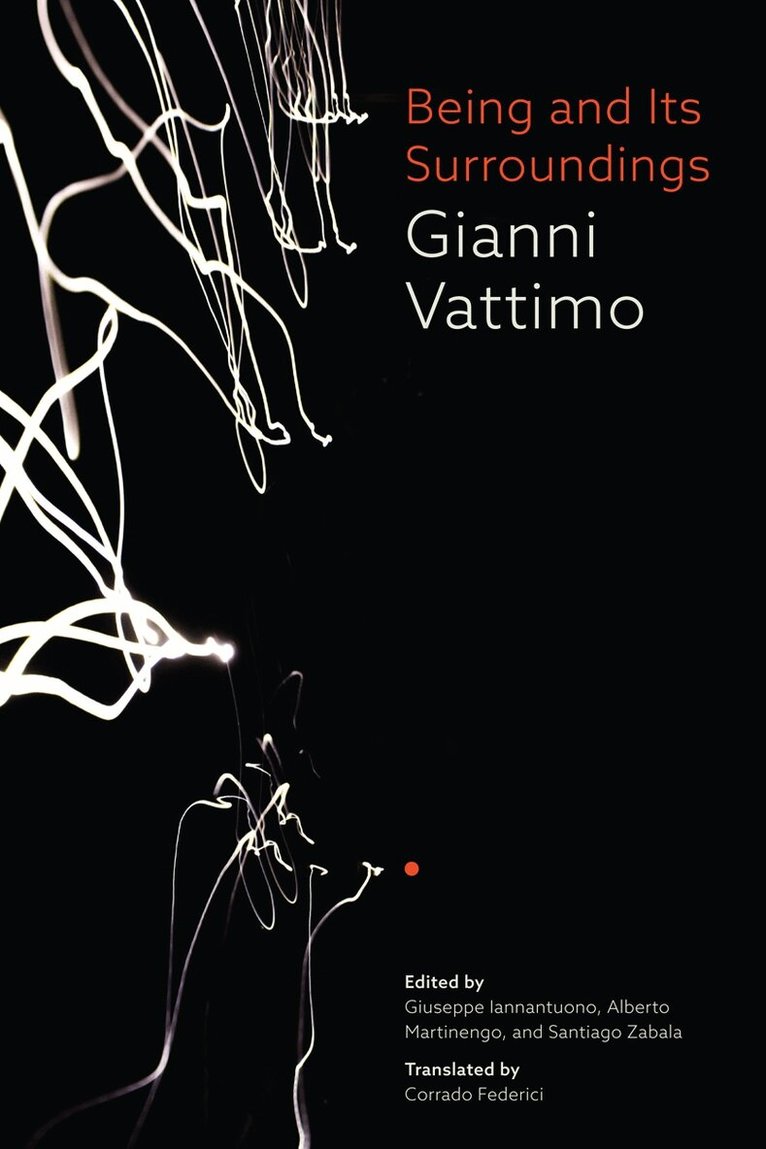
Being and Its Surroundings
Av Gianni Vattimo, Giuseppe Iannantuono m. fl.
Inbunden, 2021
572 kr
Lägg i varukorg
Gianni Vattimo, one of Europe's foremost contemporary philosophers and most famously associated with the concept of weak thought, explores theoretical and practical issues flowing from his fundamental rejection of the traditional Western understanding of Being as an absolute, unchanging, and …
Being and Its Surroundings
Av Gianni Vattimo, Santiago Zabala m. fl.
E-bok, 2021
530 kr
Lägg i varukorg
Gianni Vattimo, one of Europe''s foremost contemporary philosophers and most famously associated with the concept of weak thought, explores theoretical and practical issues flowing from his fundamental rejection of the traditional Western understanding of Being as an absolute, unchanging, and …
Being and Its Surroundings
Av Gianni Vattimo, Santiago Zabala m. fl.
E-bok, 2021
530 kr
Lägg i varukorg
Gianni Vattimo, one of Europe''s foremost contemporary philosophers and most famously associated with the concept of weak thought, explores theoretical and practical issues flowing from his fundamental rejection of the traditional Western understanding of Being as an absolute, unchanging, and …
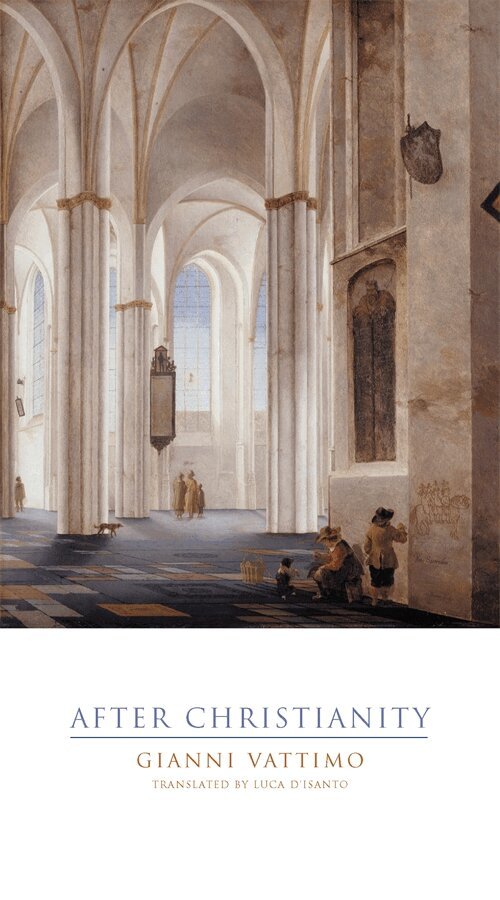
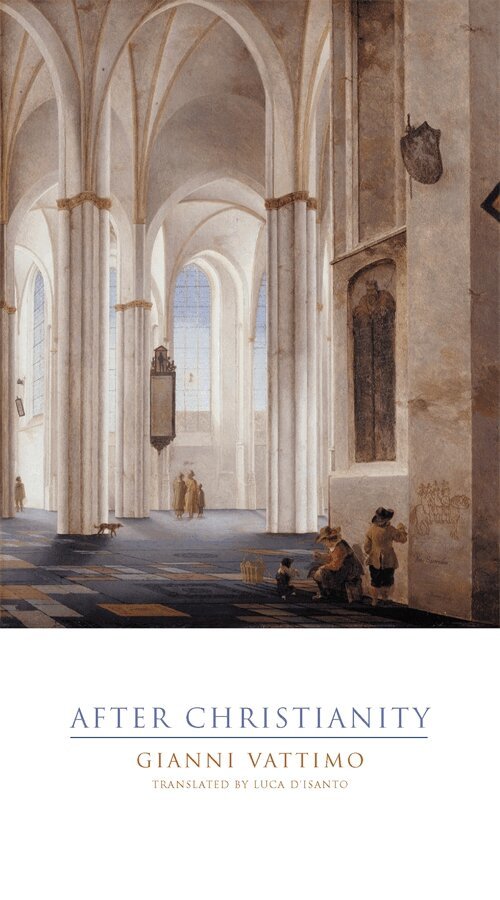
After Christianity
Inbunden, 2002
418 kr
Lägg i varukorg
What has been the fate of Christianity since Nietzsche's famous announcement of the "death of God"? What is the possibility of religion, specifically Christianity, thriving in our postmodern era? In this provocative new book, Gianni Vattimo, leading Italian philosopher, politician, and framer of …
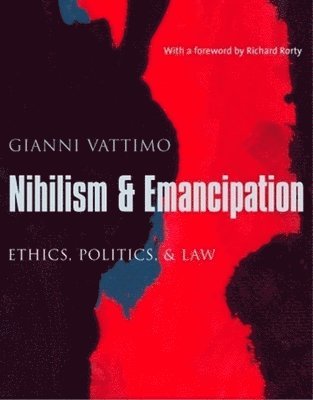
Nihilism and Emancipation
Ethics, Politics, and Law
Av Gianni Vattimo, Santiago Zabala
Häftad, 2007
479 kr
Lägg i varukorg
A daring marriage of philosophical theory and practical politics, this collection is the first of Gianni Vattimo's many books to combine his intellectual pursuits with his public and political life. Vattimo is a paradoxical figure, at once a believing Christian and a vociferous critic of the …
The Future of Religion
Av Richard Rorty, Gianni Vattimo m. fl.
Inbunden, 2005
1026 kr
Lägg i varukorg
Though coming from different and distinct intellectual traditions, Richard Rorty and Gianni Vattimo are united in their criticism of the metaphysical tradition. The challenges they put forward extend beyond philosophy and entail a reconsideration of the foundations of belief in God and the …
The Future of Religion
Av Richard Rorty, Gianni Vattimo m. fl.
Häftad, 2007
262 kr
Lägg i varukorg
Though coming from different and distinct intellectual traditions, Richard Rorty and Gianni Vattimo are united in their criticism of the metaphysical tradition. The challenges they put forward extend beyond philosophy and entail a reconsideration of the foundations of belief in God and the …
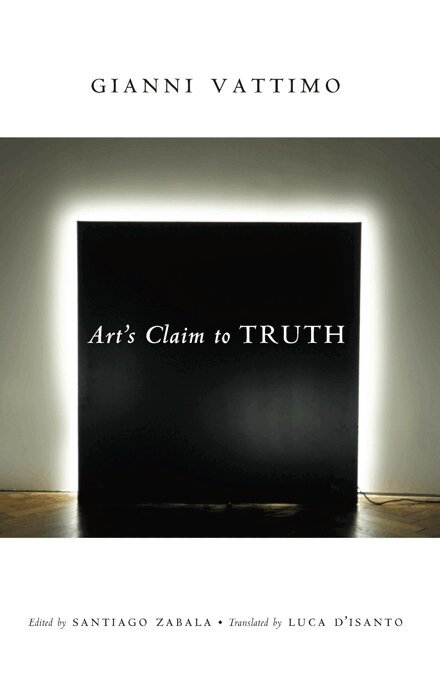
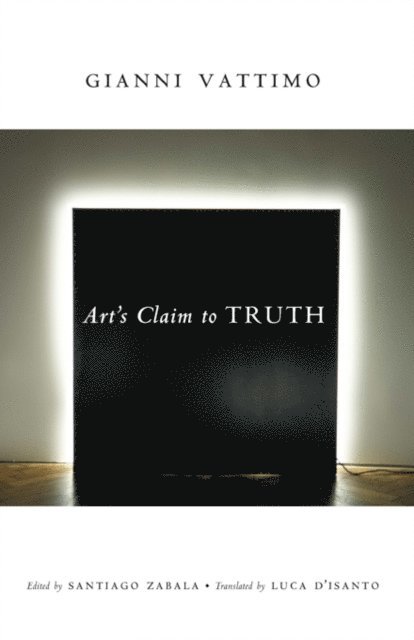
Art’s Claim to Truth
Av Gianni Vattimo, Santiago Zabala
Inbunden, 2008
856 kr
Lägg i varukorg
First collected in Italy in 1985, Art's Claim to Truth is considered by many philosophers to be one of Gianni Vattimo's most important works. Newly revised for English readers, the book begins with a challenge to Plato, Aristotle, Kant, and Hegel, who viewed art as a metaphysical aspect of reality …
Art’s Claim to Truth
Av Gianni Vattimo, Santiago Zabala
Häftad, 2010
219 kr
Lägg i varukorg
First collected in Italy in 1985, Art's Claim to Truth is considered by many philosophers to be one of Gianni Vattimo's most important works. Newly revised for English readers, the book begins with a challenge to Plato, Aristotle, Kant, and Hegel, who viewed art as a metaphysical aspect of reality …
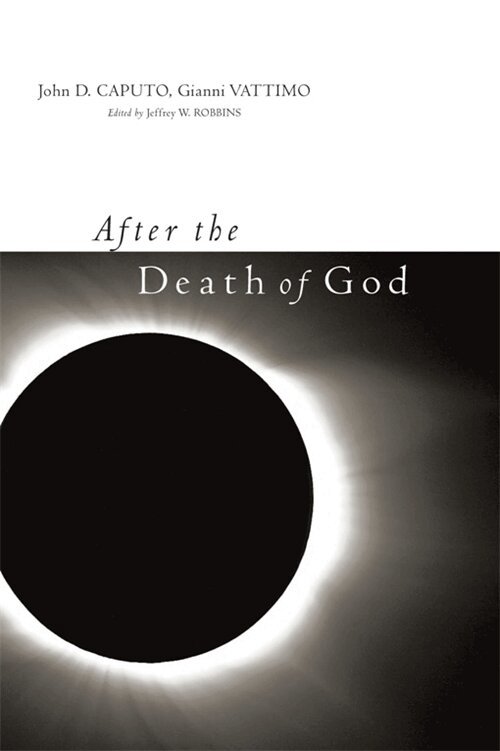
After the Death of God
Av John D. Caputo, Gianni Vattimo m. fl.
Häftad, 2009
228 kr
Lägg i varukorg
It has long been assumed that the more modern we become, the less religious we will be. Yet a recent resurrection in faith has challenged the certainty of this belief. In these original essays and interviews, leading hermeneutical philosophers and postmodern theorists John D. Caputo and Gianni …
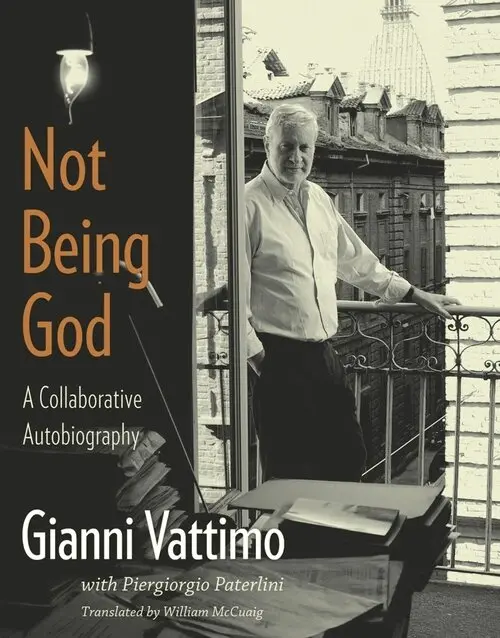
Not Being God
A Collaborative Autobiography
Inbunden, 2009
908 kr
Lägg i varukorg
Gianni Vattimo, a leading philosopher of the continental school, has always resisted autobiography. But in this intimate memoir, the voice of Vattimo as thinker, political activist, and human being finds its expression on the page. With Piergiorgio Paterlini, a noted Italian writer and journalist, …
Not Being God
A Collaborative Autobiography
Häftad, 2010
233 kr
Lägg i varukorg
Gianni Vattimo, a leading philosopher of the continental school, has always resisted autobiography. But in this intimate memoir, the voice of Vattimo as thinker, political activist, and human being finds its expression on the page. With Piergiorgio Paterlini, a noted Italian writer and journalist, …
The Responsibility of the Philosopher
Av Gianni Vattimo, Franca D'Agostini
Inbunden, 2010
686 kr
Lägg i varukorg
Over the course of his career, Gianni Vattimo has assumed a number of public and private identities and has pursued multiple intellectual paths. He seems to embody several contradictions, at once defending and questioning religion and critiquing and serving the state. Yet the diversity of his life …
The Responsibility of the Philosopher
Av Gianni Vattimo, Franca D'Agostini
Häftad, 2012
177 kr
Lägg i varukorg
Over the course of his career, Gianni Vattimo has assumed a number of public and private identities and has pursued multiple intellectual paths. He seems to embody several contradictions, at once defending and questioning religion and critiquing and serving the state. Yet the diversity of his life …
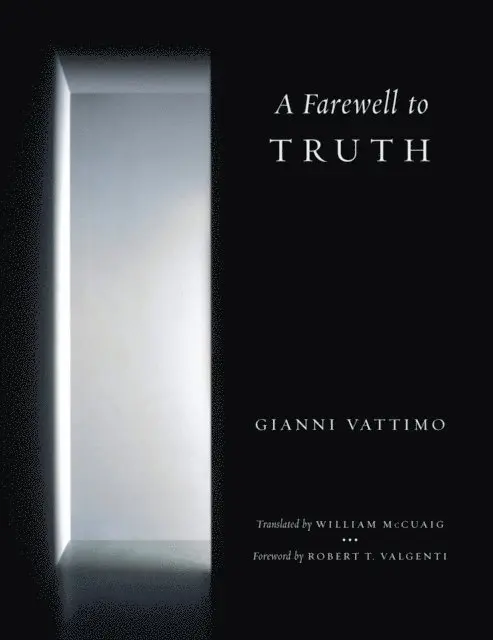
A Farewell to Truth
Inbunden, 2011
856 kr
Lägg i varukorg
With Western cultures becoming more pluralistic, the question of "truth" in politics has become a game of interpretations. Today, we face the demise of the very idea of truth as an objective description of facts, though many have yet to acknowledge that this is changing. Gianni Vattimo explicitly …
A Farewell to Truth
Häftad, 2014
211 kr
Lägg i varukorg
With Western cultures becoming more pluralistic, the question of "truth" in politics has become a game of interpretations. Today, we face the demise of the very idea of truth as an objective description of facts, though many have yet to acknowledge that this is changing. Gianni Vattimo explicitly …
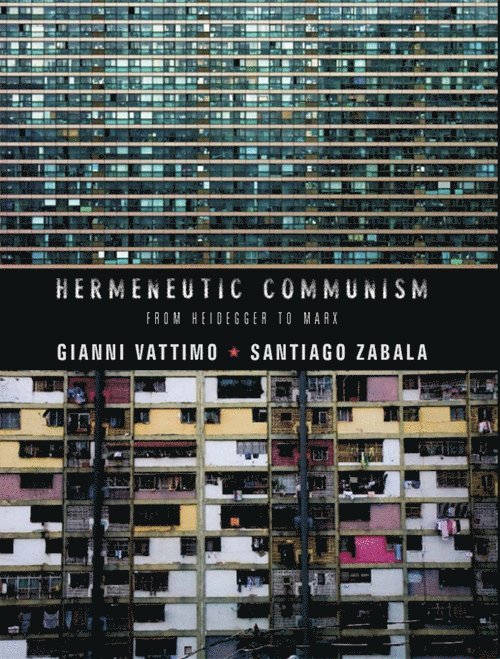
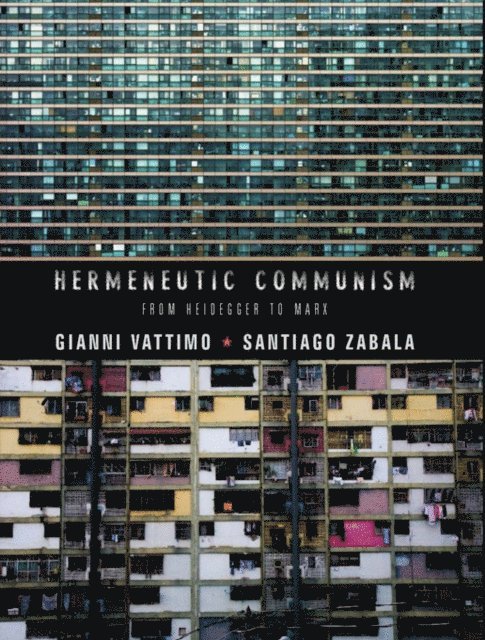
Hermeneutic Communism
From Heidegger to Marx
Av Gianni Vattimo, Santiago Zabala
Inbunden, 2011
941 kr
Lägg i varukorg
Having lost much of its political clout and theoretical power, communism no longer represents an appealing alternative to capitalism. In its original Marxist formulation, communism promised an ideal of development, but only through a logic of war, and while a number of reformist governments still …
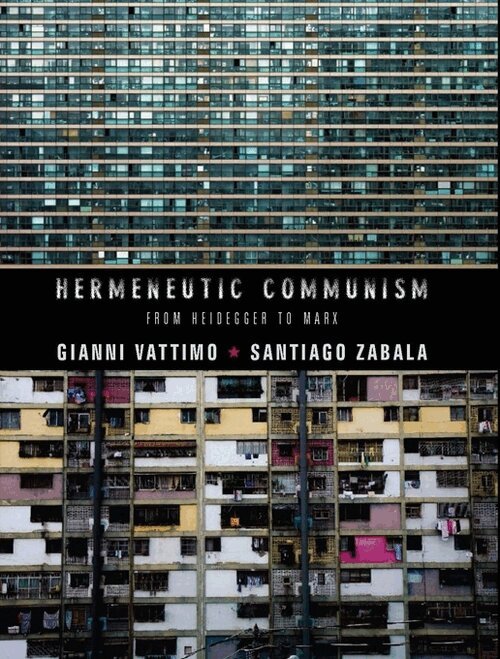
Hermeneutic Communism
From Heidegger to Marx
Av Gianni Vattimo, Santiago Zabala
Häftad, 2014
302 kr
Lägg i varukorg
Having lost much of its political clout and theoretical power, communism no longer represents an appealing alternative to capitalism. In its original Marxist formulation, communism promised an ideal of development, but only through a logic of war, and while a number of reformist governments still …
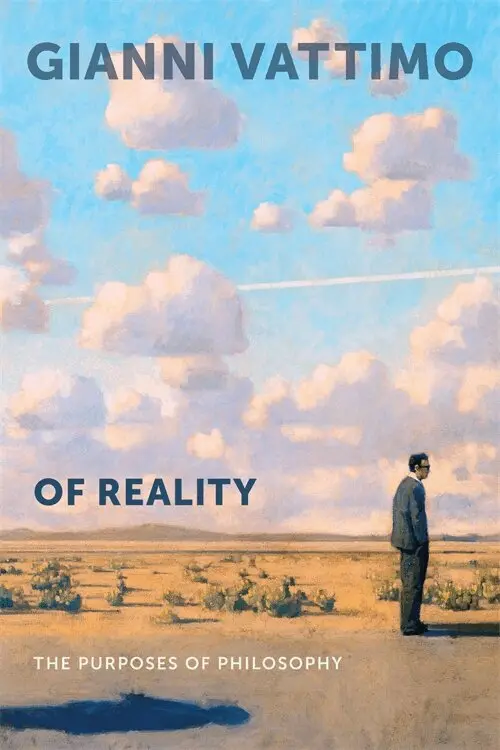
Of Reality
The Purposes of Philosophy
Inbunden, 2016
941 kr
Lägg i varukorg
We think it is wise to accept reality, rather than fight for something that does not exist or might never be. But in Of Reality, Gianni Vattimo condemns this complacency, with its implicit support of the status quo. Instead he urges us to never stop questioning, contrasting, or overcoming reality, …
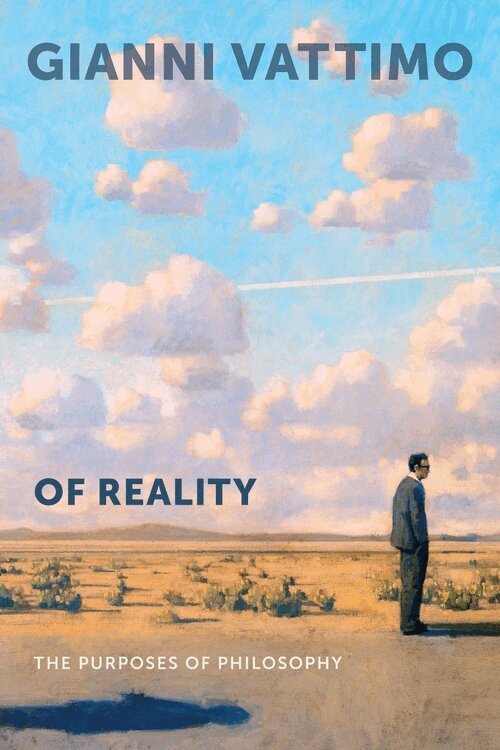
Of Reality
The Purposes of Philosophy
Häftad, 2017
236 kr
Lägg i varukorg
We think it is wise to accept reality, rather than fight for something that does not exist or might never be. But in Of Reality, Gianni Vattimo condemns this complacency, with its implicit support of the status quo. Instead he urges us to never stop questioning, contrasting, or overcoming reality, …
After Christianity
Häftad, 2026
177 kr
Lägg i varukorg
What has been the fate of Christianity since Nietzsche's famous announcement of the "death of God"? What is the possibility of religion, specifically Christianity, thriving in our postmodern era? In this provocative new book, Gianni Vattimo, leading Italian philosopher, politician, and framer of …
After Christianity
E-bok, 2002
292 kr
Lägg i varukorg
What has been the fate of Christianity since Nietzsche''s famous announcement of the "death of God"? What is the possibility of religion, specifically Christianity, thriving in our postmodern era? In this provocative new book, Gianni Vattimo, leading Italian philosopher, politician, and framer of …
Art's Claim to Truth
Av Gianni Vattimo, Santiago Zabala
E-bok, 2008
331 kr
Lägg i varukorg
First collected in Italy in 1985, Art''s Claim to Truth is considered by many philosophers to be one of Gianni Vattimo''s most important works. Newly revised for English readers, the book begins with a challenge to Plato, Aristotle, Kant, and Hegel, who viewed art as a metaphysical aspect of …
Farewell to Truth
E-bok, 2011
318 kr
Lägg i varukorg
With Western cultures becoming more pluralistic, the question of "truth" in politics has become a game of interpretations. Today, we face the demise of the very idea of truth as an objective description of facts, though many have yet to acknowledge that this is changing. Gianni Vattimo explicitly …
Hermeneutic Communism
From Heidegger to Marx
Av Santiago Zabala, Gianni Vattimo
E-bok, 2011
345 kr
Lägg i varukorg
Having lost much of its political clout and theoretical power, communism no longer represents an appealing alternative to capitalism. In its original Marxist formulation, communism promised an ideal of development, but only through a logic of war, and while a number of reformist governments still …
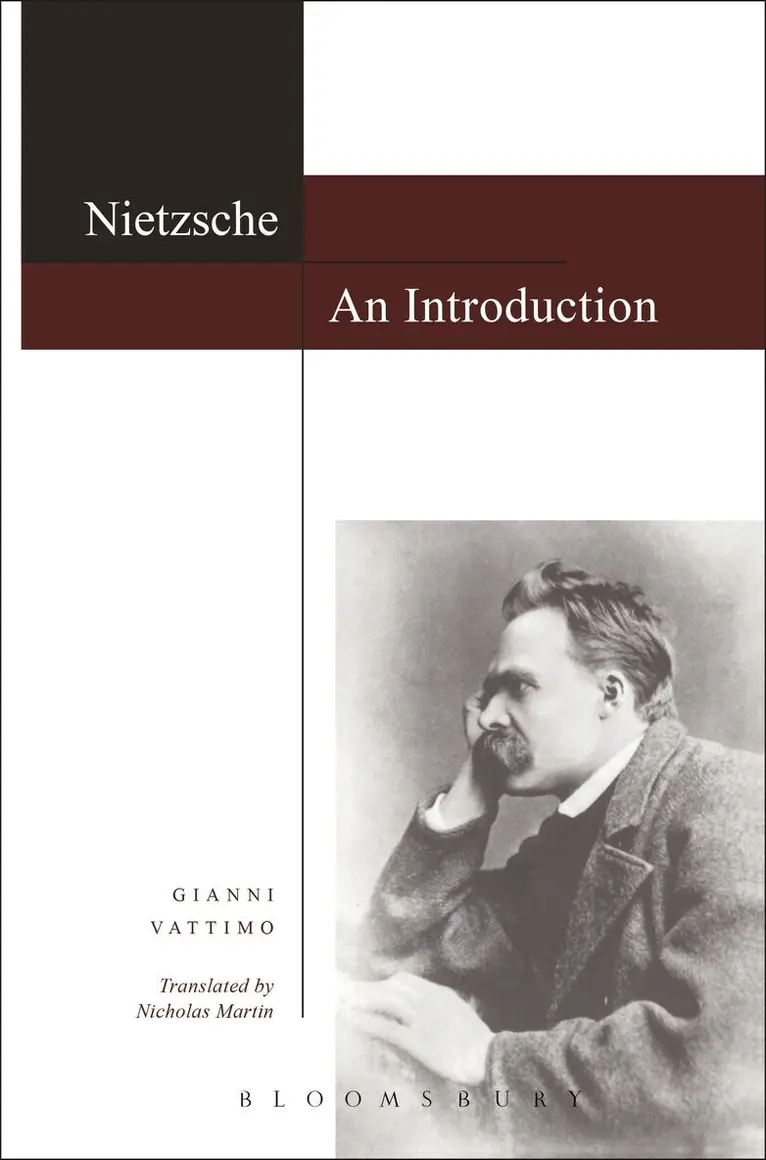
Nietzsche
An Introduction
Inbunden, 2002
2766 kr
Lägg i varukorg
This renowned introduction - already a standard text in Europe - is translated here for the first time. Vattimo uses Heideggerean and cultural-critical perspectives to reassess the work and thought of Nietzsche.
Nietzsche
An Introduction
Häftad, 2002
1068 kr
Lägg i varukorg
This renowned introduction - already a standard text in Europe - is translated here for the first time. Vattimo uses Heideggerean and cultural-critical perspectives to reassess the work and thought of Nietzsche.
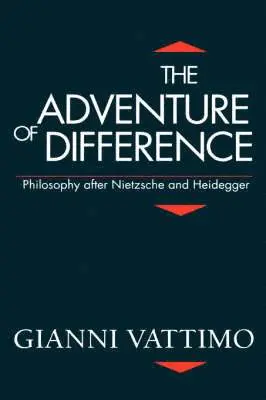
Adventure of Difference
Philosophy After Nietzsche and Heidegger
Inbunden, 1993
830 kr
Lägg i varukorg
In this highly original book the author addresses the question of how we are to conceive of human reasoning in a situation where there are no global, privileged points of view. Drawing on the work of Nietzsche and Heidegger, Vattimo proposes a conception of thought based on 'difference' - a …