Santiago Zabala – författare
Visar alla böcker från författaren Santiago Zabala. Handla med fri frakt och snabb leverans.
34 produkter
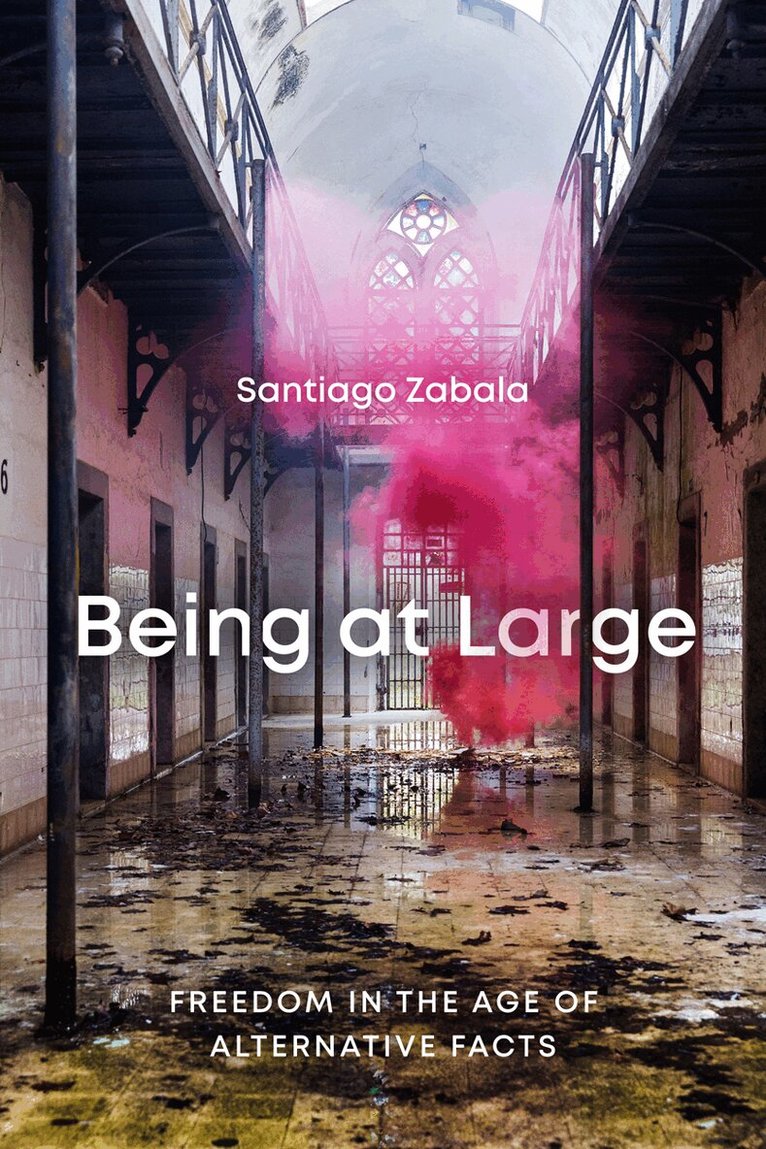
Being at Large
Freedom in the Age of Alternative Facts
Häftad, 2020
384 kr
Lägg i varukorg
Politicians and philosophers presenting themselves as the ultimate bearers of truth and reality have created unprecedented technological, cultural, and political framings. This new order conspires to undermine the interpretive practices of open-ended critique, normalizing a sense of threat to …
Being at Large
Freedom in the Age of Alternative Facts
E-bok, 2020
313 kr
Lägg i varukorg
Politicians and philosophers presenting themselves as the ultimate bearers of truth and reality have created unprecedented technological, cultural, and political framings. This new order conspires to undermine the interpretive practices of open-ended critique, normalizing a sense of threat to …
Being at Large
Freedom in the Age of Alternative Facts
E-bok, 2020
313 kr
Lägg i varukorg
Politicians and philosophers presenting themselves as the ultimate bearers of truth and reality have created unprecedented technological, cultural, and political framings. This new order conspires to undermine the interpretive practices of open-ended critique, normalizing a sense of threat to …
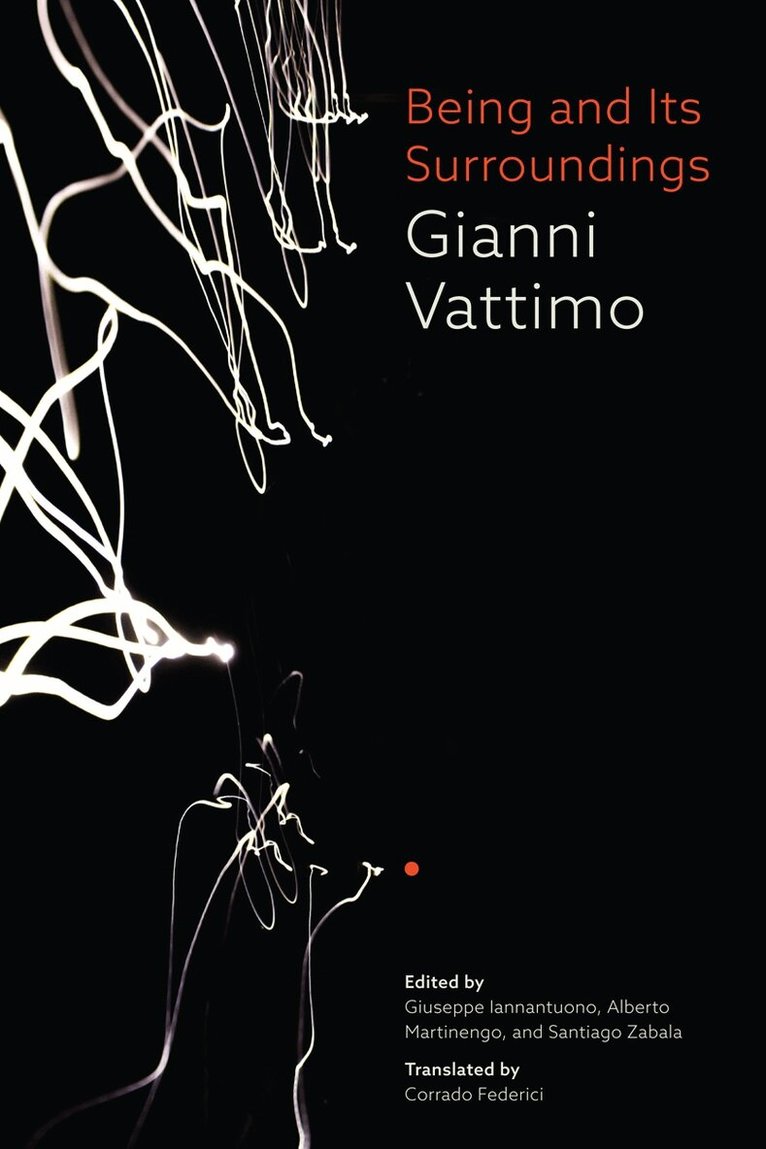
Being and Its Surroundings
Av Gianni Vattimo, Giuseppe Iannantuono m. fl.
Inbunden, 2021
570 kr
Lägg i varukorg
Gianni Vattimo, one of Europe's foremost contemporary philosophers and most famously associated with the concept of weak thought, explores theoretical and practical issues flowing from his fundamental rejection of the traditional Western understanding of Being as an absolute, unchanging, and …
Being and Its Surroundings
Av Gianni Vattimo, Santiago Zabala m. fl.
E-bok, 2021
530 kr
Lägg i varukorg
Gianni Vattimo, one of Europe''s foremost contemporary philosophers and most famously associated with the concept of weak thought, explores theoretical and practical issues flowing from his fundamental rejection of the traditional Western understanding of Being as an absolute, unchanging, and …
Being and Its Surroundings
Av Gianni Vattimo, Santiago Zabala m. fl.
E-bok, 2021
530 kr
Lägg i varukorg
Gianni Vattimo, one of Europe''s foremost contemporary philosophers and most famously associated with the concept of weak thought, explores theoretical and practical issues flowing from his fundamental rejection of the traditional Western understanding of Being as an absolute, unchanging, and …
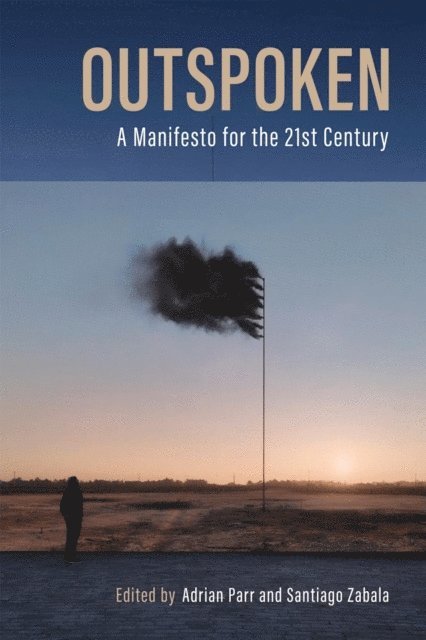
Outspoken
A Manifesto for the Twenty-First Century
Av Adrian Parr Zaretsky, Santiago Zabala
Inbunden, 2023
1346 kr
Lägg i varukorg
In a world of increasing right-wing populism, global capitalism, and a climate emergency, leading thinkers come together to interrogate the meaning and practice of being outspoken. The violence, nativism, persecution, and social hostilities of the twenty-first century demand a call to order: …
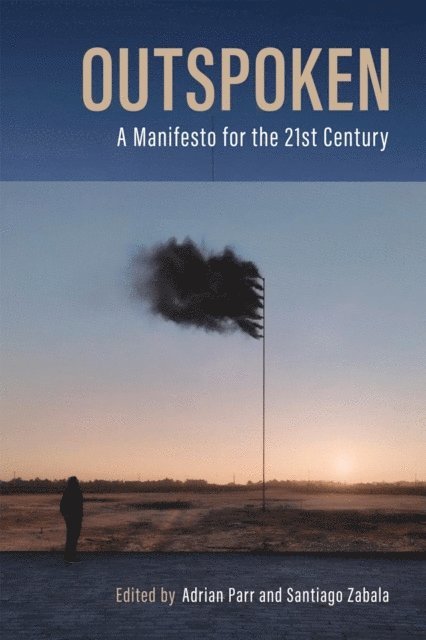
Outspoken
A Manifesto for the Twenty-First Century
Av Adrian Parr Zaretsky, Santiago Zabala
Häftad, 2023
328 kr
Lägg i varukorg
In a world of increasing right-wing populism, global capitalism, and a climate emergency, leading thinkers come together to interrogate the meaning and practice of being outspoken. The violence, nativism, persecution, and social hostilities of the twenty-first century demand a call to order: …
Outspoken
A Manifesto for the Twenty-First Century
Av Santiago Zabala, Adrian Parr Zaretsky
E-bok, 2023
357 kr
Lägg i varukorg
In a world of increasing right-wing populism, global capitalism, and a climate emergency, leading thinkers come together to interrogate the meaning and practice of being outspoken. The violence, nativism, persecution, and social hostilities of the twenty-first century demand a call to order: …
Outspoken
A Manifesto for the Twenty-First Century
Av Santiago Zabala, Adrian Parr Zaretsky
E-bok, 2023
357 kr
Lägg i varukorg
In a world of increasing right-wing populism, global capitalism, and a climate emergency, leading thinkers come together to interrogate the meaning and practice of being outspoken. The violence, nativism, persecution, and social hostilities of the twenty-first century demand a call to order: …
Nihilism and Emancipation
Ethics, Politics, and Law
Av Gianni Vattimo, Santiago Zabala
Häftad, 2007
178 kr
Lägg i varukorg
A daring marriage of philosophical theory and practical politics, this collection is the first of Gianni Vattimo's many books to combine his intellectual pursuits with his public and political life. Vattimo is a paradoxical figure, at once a believing Christian and a vociferous critic of the …
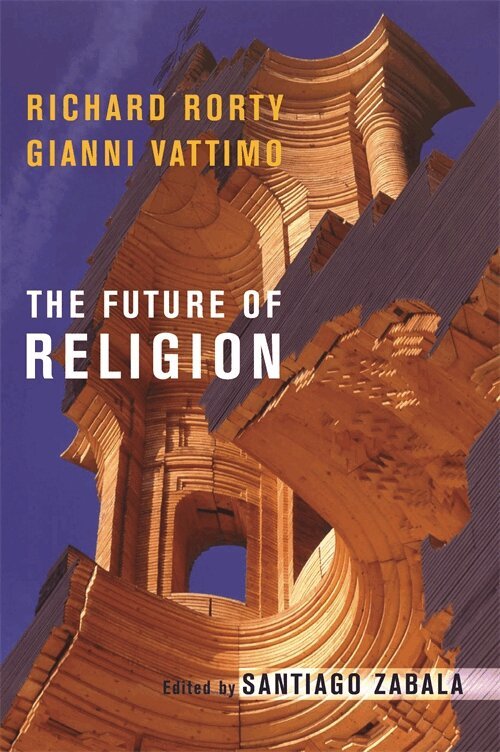
The Future of Religion
Av Richard Rorty, Gianni Vattimo m. fl.
Inbunden, 2005
1033 kr
Lägg i varukorg
Though coming from different and distinct intellectual traditions, Richard Rorty and Gianni Vattimo are united in their criticism of the metaphysical tradition. The challenges they put forward extend beyond philosophy and entail a reconsideration of the foundations of belief in God and the …
The Future of Religion
Av Richard Rorty, Gianni Vattimo m. fl.
Häftad, 2007
264 kr
Lägg i varukorg
Though coming from different and distinct intellectual traditions, Richard Rorty and Gianni Vattimo are united in their criticism of the metaphysical tradition. The challenges they put forward extend beyond philosophy and entail a reconsideration of the foundations of belief in God and the …
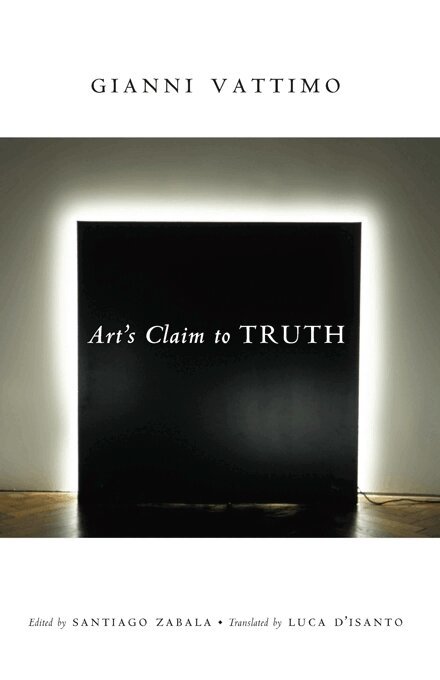
Art’s Claim to Truth
Av Gianni Vattimo, Santiago Zabala
Inbunden, 2008
862 kr
Lägg i varukorg
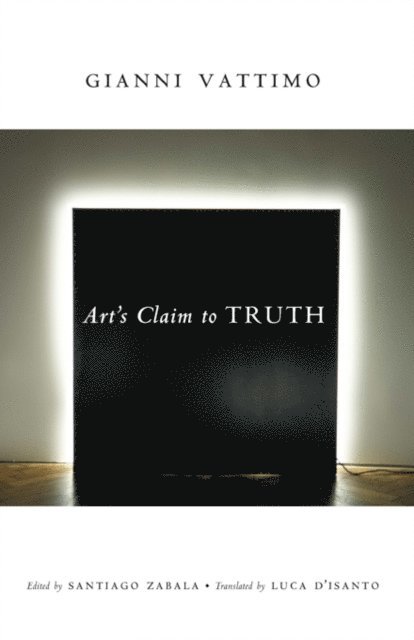
First collected in Italy in 1985, Art's Claim to Truth is considered by many philosophers to be one of Gianni Vattimo's most important works. Newly revised for English readers, the book begins with a challenge to Plato, Aristotle, Kant, and Hegel, who viewed art as a metaphysical aspect of reality …
Art’s Claim to Truth
Av Gianni Vattimo, Santiago Zabala
Häftad, 2010
221 kr
Lägg i varukorg
First collected in Italy in 1985, Art's Claim to Truth is considered by many philosophers to be one of Gianni Vattimo's most important works. Newly revised for English readers, the book begins with a challenge to Plato, Aristotle, Kant, and Hegel, who viewed art as a metaphysical aspect of reality …
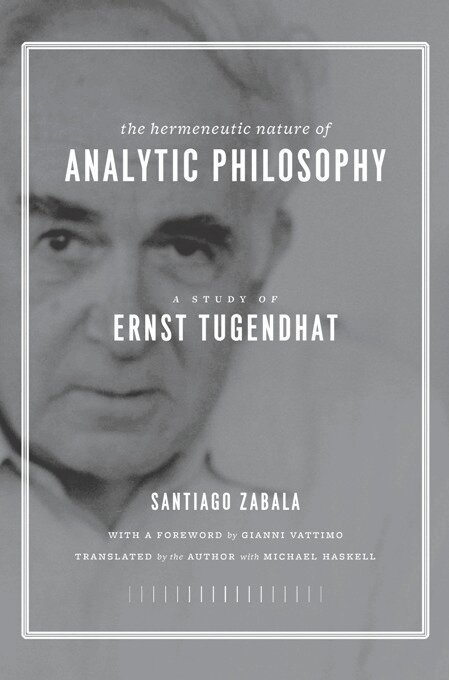
Hermeneutic Nature of Analytic Philosophy
A Study of Ernst Tugendhat
Inbunden, 2008
563 kr
Lägg i varukorg
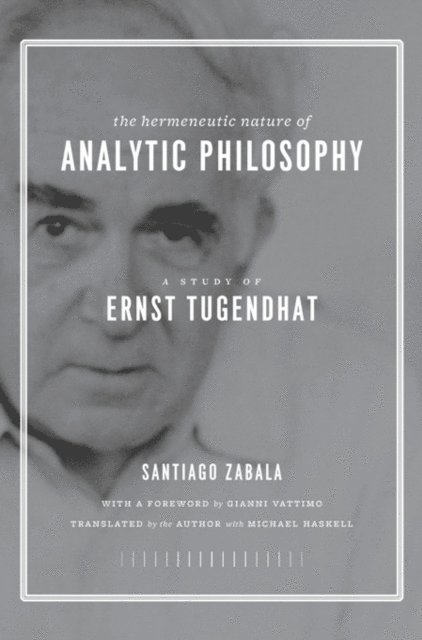
Contemporary philosopher-analytic as well as continental--tend to feel uneasy about Ernst Tugendhat, who, though he positions himself in the analytic field, poses questions in the Heideggerian style. Tugendhat was one of Martin Heidegger's last pupils and his least obedient, pursuing a new and …
The Remains of Being
Hermeneutic Ontology After Metaphysics
Inbunden, 2009
349 kr
Lägg i varukorg
In Basic Concepts, Heidegger claims that "Being is the most worn-out" and yet also that Being "remains constantly available." Santiago Zabala radicalizes the consequences of these little known but significant affirmations. Revisiting the work of Jacques Derrida, Reiner Schurmann, Jean-Luc Nancy, …
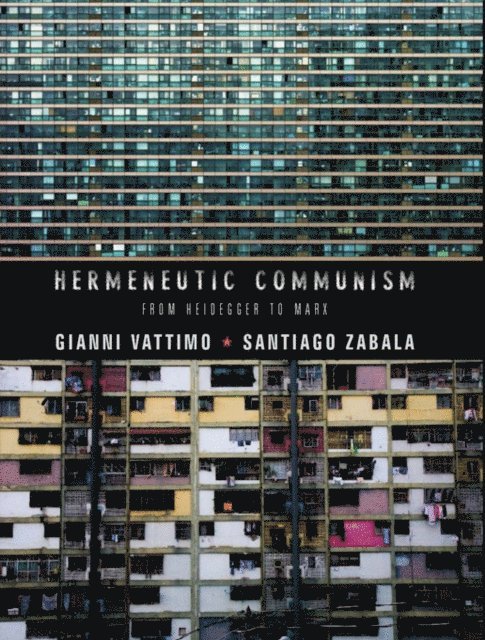
Hermeneutic Communism
From Heidegger to Marx
Av Gianni Vattimo, Santiago Zabala
Inbunden, 2011
948 kr
Lägg i varukorg
Having lost much of its political clout and theoretical power, communism no longer represents an appealing alternative to capitalism. In its original Marxist formulation, communism promised an ideal of development, but only through a logic of war, and while a number of reformist governments still …
Hermeneutic Communism
From Heidegger to Marx
Av Gianni Vattimo, Santiago Zabala
Häftad, 2014
302 kr
Lägg i varukorg
Having lost much of its political clout and theoretical power, communism no longer represents an appealing alternative to capitalism. In its original Marxist formulation, communism promised an ideal of development, but only through a logic of war, and while a number of reformist governments still …
Why Only Art Can Save Us
Aesthetics and the Absence of Emergency
Inbunden, 2017
862 kr
Lägg i varukorg
The state of emergency, thinkers such as Carl Schmidt, Walter Benjamin, and Giorgio Agamben have argued, is at the heart of any theory of politics. But today the problem is not the crises we do confront, which are often how governments legitimize themselves, but the ones that political realism …
Why Only Art Can Save Us
Aesthetics and the Absence of Emergency
Häftad, 2019
221 kr
Lägg i varukorg
The state of emergency, according to thinkers such as Carl Schmidt, Walter Benjamin, and Giorgio Agamben, is at the heart of any theory of politics. But today the problem is not the crises that we do confront, which are often used by governments to legitimize themselves, but the ones that political …
Signs from the Future
A Philosophy of Warnings
Inbunden, 2025
948 kr
Lägg i varukorg
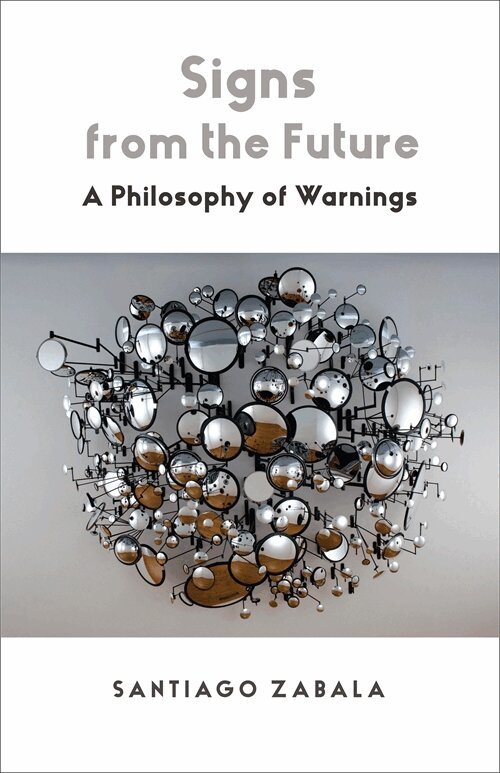
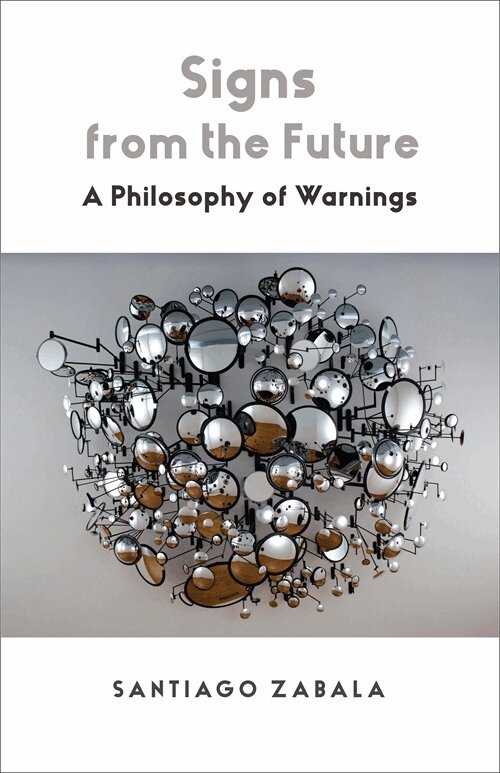
We are constantly being warned, but we seldom heed warnings. Cautioned about authoritarian leaders, climate change, technological dystopias, or other catastrophes, we fail to take action or even take them seriously. Too often warnings are dismissed—much like the artists, scientists, …
Signs from the Future
A Philosophy of Warnings
Häftad, 2025
238 kr
Lägg i varukorg
We are constantly being warned, but we seldom heed warnings. Cautioned about authoritarian leaders, climate change, technological dystopias, or other catastrophes, we fail to take action or even take them seriously. Too often warnings are dismissed—much like the artists, scientists, …
Hermeneutic Nature of Analytic Philosophy
A Study of Ernst Tugendhat
E-bok, 2008
861 kr
Lägg i varukorg
Contemporary philosopher—analytic as well as continentaltend to feel uneasy about Ernst Tugendhat, who, though he positions himself in the analytic field, poses questions in the Heideggerian style. Tugendhat was one of Martin Heidegger''s last pupils and his least obedient, pursuing a new and …
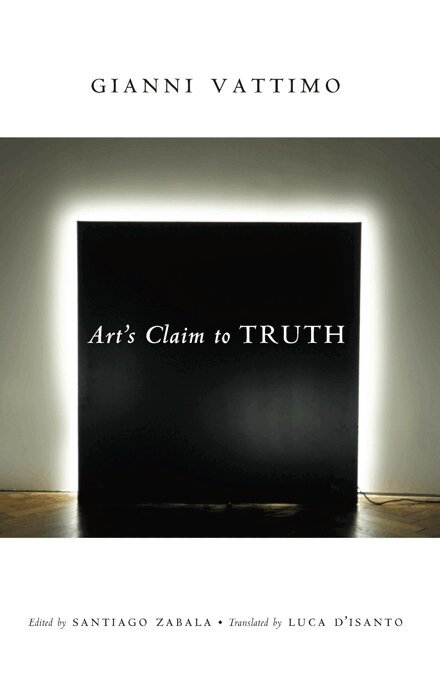
Art's Claim to Truth
Av Gianni Vattimo, Santiago Zabala
E-bok, 2008
331 kr
Lägg i varukorg
First collected in Italy in 1985, Art''s Claim to Truth is considered by many philosophers to be one of Gianni Vattimo''s most important works. Newly revised for English readers, the book begins with a challenge to Plato, Aristotle, Kant, and Hegel, who viewed art as a metaphysical aspect of …
Remains of Being
Hermeneutic Ontology After Metaphysics
E-bok, 2009
530 kr
Lägg i varukorg
In Basic Concepts , Heidegger claims that "Being is the most worn-out" and yet also that Being "remains constantly available." Santiago Zabala radicalizes the consequences of these little known but significant affirmations. Revisiting the work of Jacques Derrida, Reiner Schürmann, Jean-Luc Nancy, …
Hermeneutic Communism
From Heidegger to Marx
Av Santiago Zabala, Gianni Vattimo
E-bok, 2011
345 kr
Lägg i varukorg
Having lost much of its political clout and theoretical power, communism no longer represents an appealing alternative to capitalism. In its original Marxist formulation, communism promised an ideal of development, but only through a logic of war, and while a number of reformist governments still …
Weakening Philosophy
Essays in Honour of Gianni Vattimo
Häftad, 2006
356 kr
Lägg i varukorg
Leading philosophers, including Umberto Eco and Charles Taylor, explore the work of important contemporary thinker Gianni Vattimo
Weakening Philosophy
Essays in Honour of Gianni Vattimo
E-bok, 2006
1041 kr
Lägg i varukorg
Moving away from Jacques Derrida''s deconstructionism and Paul Ricoeur''s hermeneutics, and building on his experiences as a politician, Vattimo asks if it is still possible to speak of moral imperatives, individual rights, and political freedom. Acknowledging the force of Nietzsche''s "God is …
Fenomenología de Maradona
Av Ayelen Pujol, Antonio Moschella m. fl.
E-bok, 2022
114 kr
Lägg i varukorg
Pocos personajes han sido más protagonistas de su tiempo que Diego Armando Maradona, un deportista de élite proveniente del proletariado de Villa Fiorito y elevado por las masas a la categoría de Dios. Filósofos, periodistas y politólogos interpretan en este libro coral el sentido de un fenómeno …