Gideon Rahat – författare
Visar alla böcker från författaren Gideon Rahat. Handla med fri frakt och snabb leverans.
27 produkter
Oxford Handbook of Israeli Politics and Society
Av Gideon Rahat, Menachem Hofnung m. fl.
E-bok, 2020
1833 kr
Lägg i varukorg
This publication offers the most wide-ranging examination to date of an intriguing country, one that is often misunderstood. It serves as a comprehensive reference for the growing field of Israel studies and is also a significant resource for students and scholars of comparative politics, …
Oxford Handbook of Israeli Politics and Society
Av Gideon Rahat, Menachem Hofnung m. fl.
E-bok, 2020
1833 kr
Lägg i varukorg
This publication offers the most wide-ranging examination to date of an intriguing country, one that is often misunderstood. It serves as a comprehensive reference for the growing field of Israel studies and is also a significant resource for students and scholars of comparative politics, …
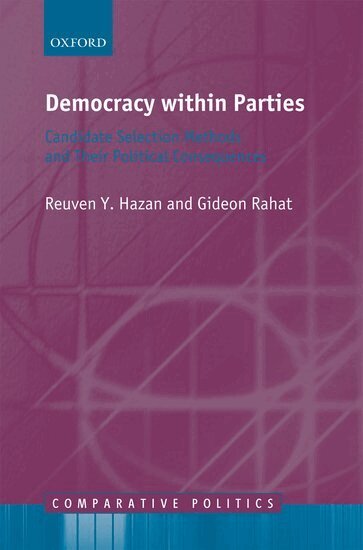
Democracy within Parties
Candidate Selection Methods and Their Political Consequences
Av Gideon Rahat, Reuven Y. Hazan
E-bok, 2010
1399 kr
Lägg i varukorg
Can too much participation harm democracy? Democratic theory places great importance upon the conduct of elections, but it is not often recognized that the electoral game takes place in two arenas, not only between parties but also within them. This pioneering book presents a new approach to …
From Party Politics to Personalized Politics?
Party Change and Political Personalization in Democracies
E-bok, 2018
1485 kr
Lägg i varukorg
What do Beppe Grillo, Silvio Berlusconi, Emmanuel Macron (and also Donald Trump) have in common? They are prime examples of the personalization of politics and the decline of political parties. This volume systematically examines these two prominent developments in contemporary democratic politics …
From Party Politics to Personalized Politics?
Party Change and Political Personalization in Democracies
E-bok, 2018
1485 kr
Lägg i varukorg
What do Beppe Grillo, Silvio Berlusconi, Emmanuel Macron (and also Donald Trump) have in common? They are prime examples of the personalization of politics and the decline of political parties. This volume systematically examines these two prominent developments in contemporary democratic politics …
From Party Politics to Personalized Politics?
Party Change and Political Personalization in Democracies
Inbunden, 2018
1647 kr
Lägg i varukorg
What do Beppe Grillo, Silvio Berlusconi, Emmanuel Macron (and also Donald Trump) have in common? They are prime examples of the personalization of politics and the decline of political parties. This volume systematically examines these two prominent developments in contemporary democratic politics …
Democracy within Parties
Candidate Selection Methods and Their Political Consequences
Av Reuven Y. Hazan, Gideon Rahat
Inbunden, 2010
2581 kr
Lägg i varukorg
Can too much participation harm democracy? Democratic theory places great importance upon the conduct of elections, but it is not often recognized that the electoral game takes place in two arenas, not only between parties but also within them. This pioneering book presents a new approach to …
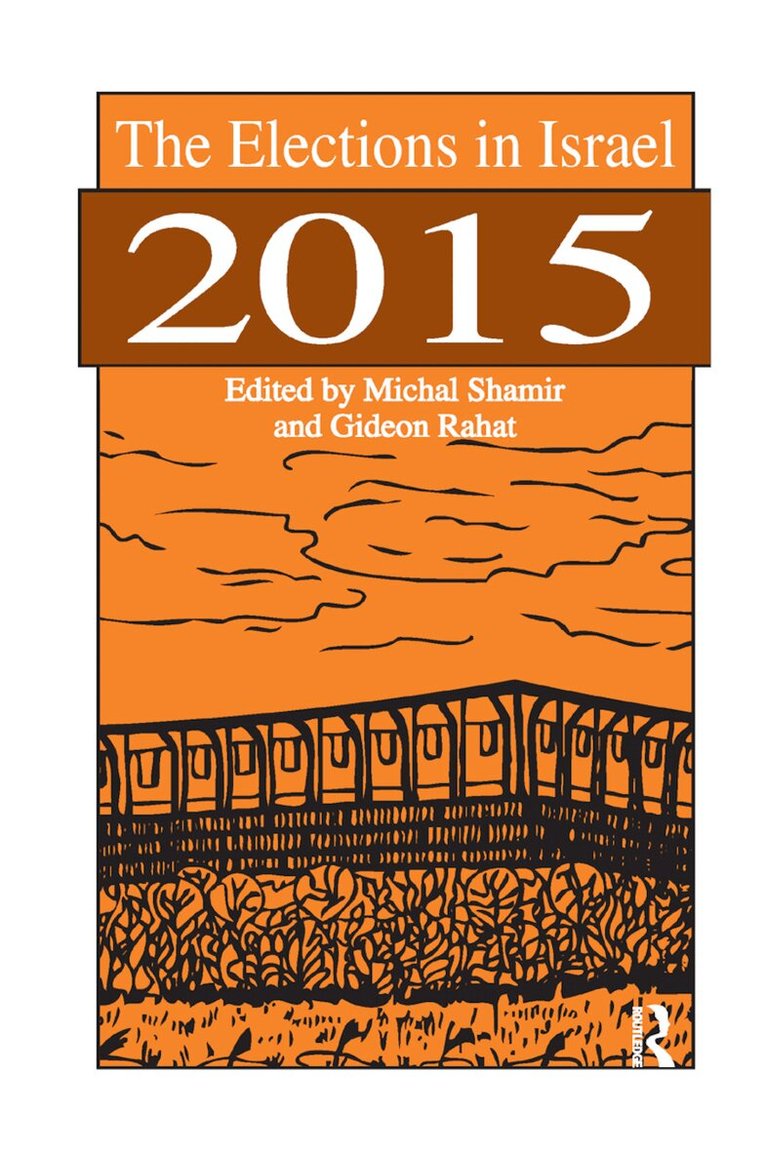
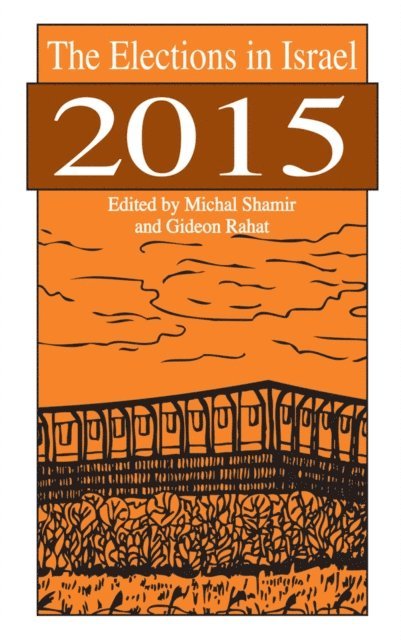
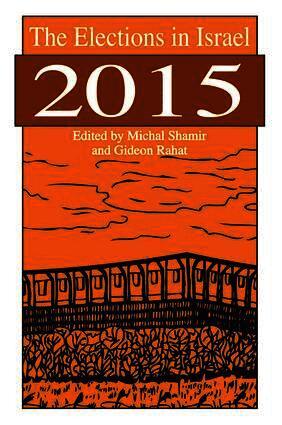
Elections in Israel 2015
Av Michal Shamir, Gideon Rahat
Häftad, 2019
692 kr
Lägg i varukorg
The newest volume in the Elections in Israel series focuses on the twentieth Knesset elections held in March 2015 following the collapse of the third Netanyahu government. Prime Minister Benjamin Netanyahu’s main opposition party, the Zionist Camp, ran a negative personalized election campaign, …
Promise and Challenge of Party Primary Elections
A Comparative Perspective
Av William P. Cross, Ofer Kenig m. fl.
Häftad, 2016
413 kr
Lägg i varukorg
While primary elections are most often associated with presidential candidates in the United States, similar methods for selecting party leaders and candidates are becoming increasingly common in parliamentary democracies around the world. The Promise and Challenge of Party Primary Elections …
Promise and Challenge of Party Primary Elections
A Comparative Perspective
Av Gideon Rahat, Scott Pruysers m. fl.
E-bok, 2016
357 kr
Lägg i varukorg
While primary elections are most often associated with presidential candidates in the United States, similar methods for selecting party leaders and candidates are becoming increasingly common in parliamentary democracies around the world. The Promise and Challenge of Party Primary Elections …
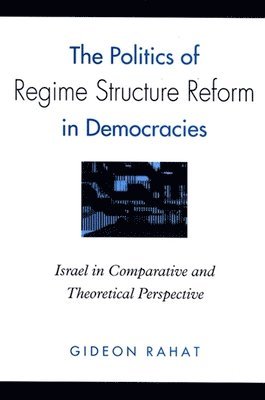
Politics of Regime Structure Reform in Democracies
Israel in Comparative and Theoretical Perspective
Av Gideon Rahat
Häftad, 2009
487 kr
Lägg i varukorg
Analyzes initiatives aimed at reforming the electoral and government systems of Israel in comparison to other established democracies.This book examines the success or failure of initiatives aimed at reforming regime structures in democracies, particularly their electoral and government systems. …
Elections in Israel, 2019a "e;2021
Av Gideon Rahat, Michal Shamir
E-bok, 2022
678 kr
Lägg i varukorg
The 16th book in The Elections in Israel series, this book covers an extraordinary political event of having four national elections in two years, which were much (but not all) about one person, "King Bibi." Analyzing Israel’s national elections from 2019 to 2021, this book argues the four …
Elections in Israel, 2019a "e;2021
Av Gideon Rahat, Michal Shamir
E-bok, 2022
678 kr
Lägg i varukorg
The 16th book in The Elections in Israel series, this book covers an extraordinary political event of having four national elections in two years, which were much (but not all) about one person, "King Bibi." Analyzing Israel’s national elections from 2019 to 2021, this book argues the four …
Elections in Israel, 2019–2021
Av Michal Shamir, Gideon Rahat
Inbunden, 2022
2136 kr
Lägg i varukorg
The 16th book in The Elections in Israel series, this book covers an extraordinary political event of having four national elections in two years, which were much (but not all) about one person, "King Bibi."Analyzing Israel’s national elections from 2019 to 2021, this book argues the four elections …
Elections in Israel, 2019–2021
Av Michal Shamir, Gideon Rahat
Häftad, 2024
649 kr
Lägg i varukorg
The 16th book in The Elections in Israel series, this book covers an extraordinary political event of having four national elections in two years, which were much (but not all) about one person, "King Bibi."Analyzing Israel’s national elections from 2019 to 2021, this book argues the four elections …
Collegial Democracy versus Personal Democracy
‘We' the People or ‘I' the People?
Av Chen Friedberg, Gideon Rahat
Inbunden, 2024
2516 kr
Lägg i varukorg
This book examines two patterns of democracy – collegial and personal – through a comprehensive comparison of political institutions.It develops a conceptual, theoretical, and methodological basis for differentiating collegial and personal democracies. Central institutions in democracy are …
Collegial Democracy versus Personal Democracy
‘We' the People or ‘I' the People?
Av Chen Friedberg, Gideon Rahat
Häftad, 2025
707 kr
Lägg i varukorg
This book examines two patterns of democracy – collegial and personal – through a comprehensive comparison of political institutions.It develops a conceptual, theoretical, and methodological basis for differentiating collegial and personal democracies. Central institutions in democracy are …
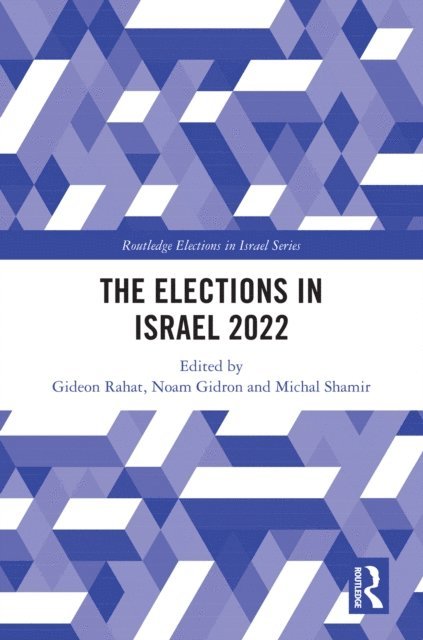
Elections in Israel 2022
Av Gideon Rahat, Noam Gidron m. fl.
Inbunden, 2025
2516 kr
Lägg i varukorg
The 2022 Israeli elections stand out as a turning point in the country’s political history. Following a period of unprecedented political instability, the right-wing government formed following the elections—Benjamin Netanyahu's sixth government—was the most radical in Israel’s history.This book …
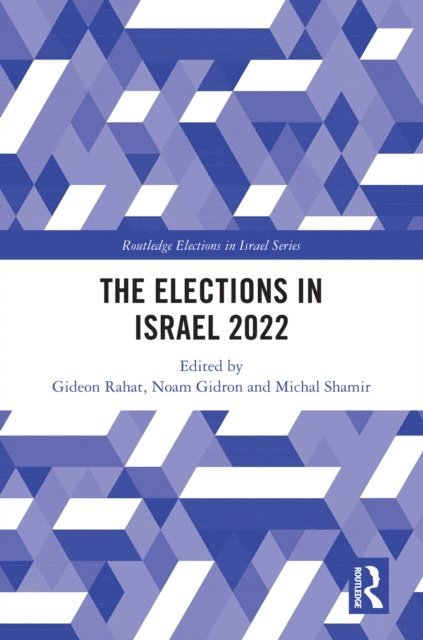
Elections in Israel 2022
Av Gideon Rahat, Noam Gidron m. fl.
Häftad, 2026
707 kr
Lägg i varukorg
The 2022 Israeli elections stand out as a turning point in the country’s political history. Following a period of unprecedented political instability, the right-wing government formed following the elections—Benjamin Netanyahu's sixth government—was the most radical in Israel’s history.This book …
Collegial Democracy versus Personal Democracy
‘We'' the People or ‘I'' the People?
Av Gideon Rahat, Chen Friedberg
E-bok, 2024
831 kr
Lägg i varukorg
This book examines two patterns of democracy – collegial and personal – through a comprehensive comparison of political institutions. It develops a conceptual, theoretical, and methodological basis for differentiating collegial and personal democracies. Central institutions in democracy are …
Collegial Democracy versus Personal Democracy
‘We'' the People or ‘I'' the People?
Av Gideon Rahat, Chen Friedberg
E-bok, 2024
813 kr
Lägg i varukorg
This book examines two patterns of democracy – collegial and personal – through a comprehensive comparison of political institutions. It develops a conceptual, theoretical, and methodological basis for differentiating collegial and personal democracies. Central institutions in democracy are …
Elections in Israel 2022
Av Michal Shamir, Noam Gidron m. fl.
E-bok, 2025
831 kr
Lägg i varukorg
The 2022 Israeli elections stand out as a turning point in the country’s political history. Following a period of unprecedented political instability, the right-wing government formed following the elections—Benjamin Netanyahu''s sixth government—was the most radical in Israel’s history. This book …
Elections in Israel 2022
Av Michal Shamir, Noam Gidron m. fl.
E-bok, 2025
813 kr
Lägg i varukorg
The 2022 Israeli elections stand out as a turning point in the country’s political history. Following a period of unprecedented political instability, the right-wing government formed following the elections—Benjamin Netanyahu''s sixth government—was the most radical in Israel’s history. This book …
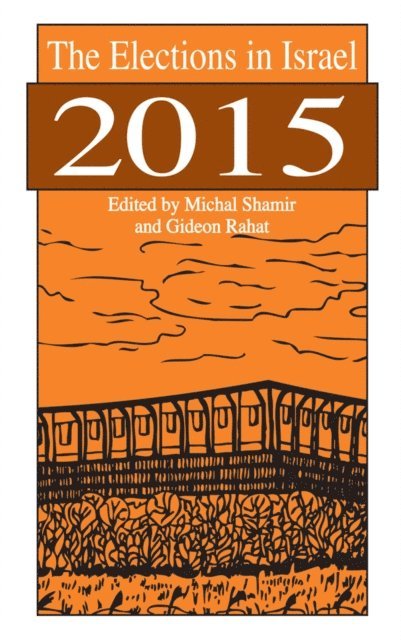
Elections in Israel 2015
Av Gideon Rahat, Michal Shamir
E-bok, 2017
814 kr
Lägg i varukorg
The newest volume in the Elections in Israel series focuses on the twentieth Knesset elections held in March 2015 following the collapse of the third Netanyahu government. Prime Minister Benjamin Netanyahu’s main opposition party, the Zionist Camp, ran a negative personalized election campaign, …
Elections in Israel 2015
Av Gideon Rahat, Michal Shamir
E-bok, 2017
790 kr
Lägg i varukorg
The newest volume in the Elections in Israel series focuses on the twentieth Knesset elections held in March 2015 following the collapse of the third Netanyahu government. Prime Minister Benjamin Netanyahu’s main opposition party, the Zionist Camp, ran a negative personalized election campaign, …
Elections in Israel 2015
Av Michal Shamir, Gideon Rahat
Inbunden, 2017
2591 kr
Lägg i varukorg
The newest volume in the Elections in Israel series focuses on the twentieth Knesset elections held in March 2015 following the collapse of the third Netanyahu government. Prime Minister Benjamin Netanyahu’s main opposition party, the Zionist Camp, ran a negative personalized election campaign, …
Politics of Regime Structure Reform in Democracies
Israel in Comparative and Theoretical Perspective
Av Gideon Rahat
Inbunden, 2008
1111 kr
Tillfälligt slut
Analyzes initiatives aimed at reforming the electoral and government systems of Israel in comparison to other established democracies.This book examines the success or failure of initiatives aimed at reforming regime structures in democracies, particularly their electoral and government systems. …