Gillian Arrighi – författare
Visar alla böcker från författaren Gillian Arrighi. Handla med fri frakt och snabb leverans.
12 produkter
12 produkter
Inbunden, Engelska, 2026
1 521 kr
Kommande
In the late-nineteenth and early twentieth centuries, child actors were ubiquitous in popular theatre forms across the US, Britain, and Australasia. In this first transnational study of child actors, Gillian Arrighi reveals their popularity with the audiences who flocked to see them in dramas, musical comedies, vaudeville, variety, and pantomime, and how they were photographed, written about, and worried about in the print media of the day. Embodying a unique blend of innocence, joy and competence, they appeared alongside the biggest stars of the era and toured vast distances, some of them earning enormous salaries. When anglophone societies were constructing modern childhood through social, labour, and education reforms, it was the popular theatre, Arrighi shows, where audiences went to see transformational ideas about children and childhood brought to life.
10 286 kr
Skickas inom 10-15 vardagar
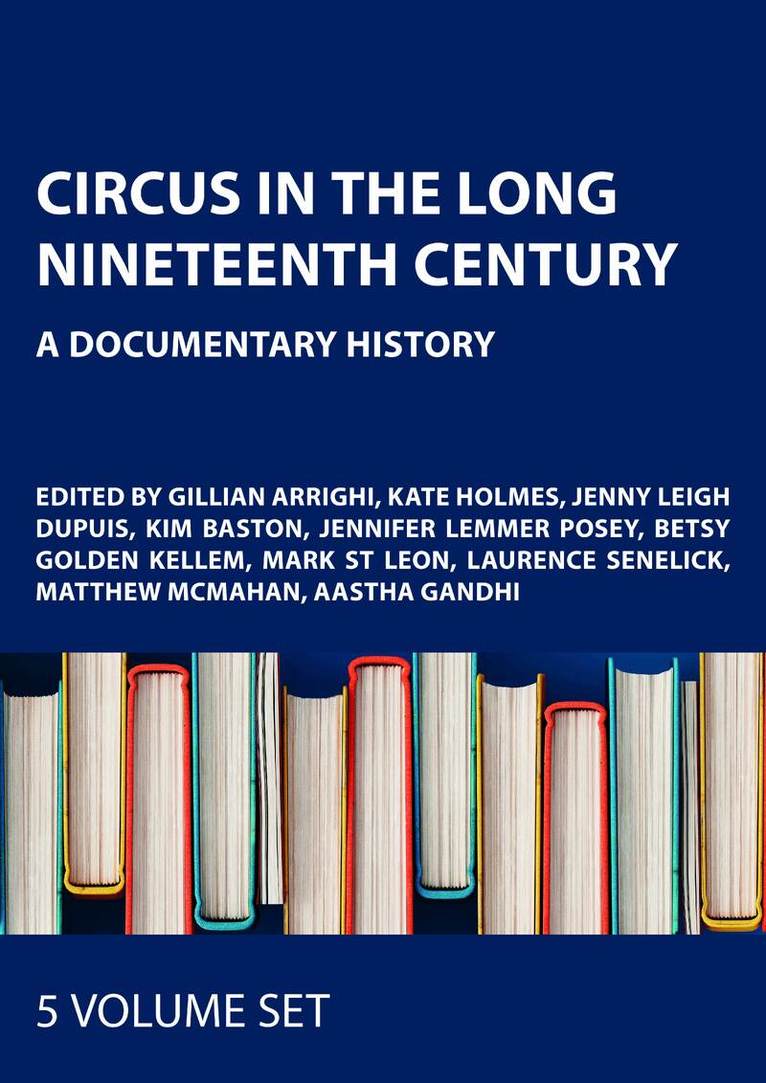
This collection of primary sources brings together a series of documents derived from archives, journals, newspapers, out-of-print books, memoirs, letters, and other written materials pertaining to the circus during the long nineteenth century (1789-1919). Historians concur that the ‘modern’ circus emerged in London in the late-eighteenth century, following the entrepreneurial initiatives of Philip Astley (1742-1814). It soon spread to Scotland, Ireland, France, Russia, Scandinavia, and other regions of Europe. Introduced to the United States by and English equestrian, John Bill Ricketts, in 1793, the modern circus transformed into a movable tent show by 1825. Following the Civil War and the development of railroad transport, the uniquely American circus transformed again into an ‘industrialized juggernaut’ capable of entertaining a large and diverse population from coast to coast. Transmitted across the globe through the British colonial project, the circus flourished in the colonies of Australasia, South Africa, South- and Southeast Asia, and was nourished by traditional performance forms of China, Japan, India, and Southeast Asia. The modern circus evolved through interaction with different geographies, socio-political contexts, new technologies, cultural heritage, and absorption of vernacular performance forms. Accompanied by extensive editorial commentary, and edited by an international team of scholars, this collection will be of great interest to students and researchers of circus studies, theatre and performance studies and cultural history.
Inbunden, Engelska, 2026
1 750 kr
Skickas inom 10-15 vardagar
This volume establishes the historical foundations of the modern circus, tracing its development from pre-Astley entertainments to nineteenth-century British performance culture. Drawing extensively on rare archival materials, it situates circus within a wider entertainment ecology that includes pantomime, music hall, and theatre. The collection reveals intersections between innovation, engineering, and spectacle, highlighting animal training, aerial performance, and creative experimentation as key sites of development. Attention to provincial activity, particularly in Bristol, enriches understanding of regional practice. Scholarly commentary and primary sources together illuminate the social, cultural, and technological forces that shaped circus as a dynamic popular form.
Inbunden, Engelska, 2026
1 750 kr
Skickas inom 10-15 vardagar
This volume of documentary sources and critical commentary provides a history of circus in Australia in the long nineteenth century. Taking root by the 1840s, Australia’s lively circus culture became the region’s dominant entertainment by the century’s end. Cultivated through exchanges with visiting international circuses and nurtured by the energetic synergy that flourished between colonial audiences and home-grown enterprises, the region’s largest circuses were also touring internationally by late in the century, contributing to global circus networks. Sources from newspapers, journals, private collections, and government archives track the growth and diversification of circus in Australia, providing insight into its business, aesthetics, experience, and social life.
E-bok
PDF, Engelska, 2026737 kr
Läs direkt efter köp
This collection of primary sources brings together a series of documents derived from archives, journals, newspapers, out-of-print books, memoirs, letters, and other written materials pertaining to the circus during the long nineteenth century (1789-1919). Historians concur that the 'modern' circus emerged in London in the late-eighteenth century, following the entrepreneurial initiatives of Philip Astley (1742-1814). It soon spread to Scotland, Ireland, France, Russia, Scandinavia, and other regions of Europe. Introduced to the United States by and English equestrian, John Bill Ricketts, in 1793, the modern circus transformed into a movable tent show by 1825. Following the Civil War and the development of railroad transport, the uniquely American circus transformed again into an 'industrialized juggernaut' capable of entertaining a large and diverse population from coast to coast. Transmitted across the globe through the British colonial project, the circus flourished in the colonies of Australasia, South Africa, South- and Southeast Asia, and was nourished by traditional performance forms of China, Japan, India, and Southeast Asia. The modern circus evolved through interaction with different geographies, socio-political contexts, new technologies, cultural heritage, and absorption of vernacular performance forms. Accompanied by extensive editorial commentary, and edited by an international team of scholars, this collection will be of great interest to students and researchers of circus studies, theatre and performance studies and cultural history.
E-bok
Engelska, 2026936 kr
Läs direkt efter köp
This collection of primary sources brings together a series of documents derived from archives, journals, newspapers, out-of-print books, memoirs, letters, and other written materials pertaining to the circus during the long nineteenth century (1789-1919). Historians concur that the 'modern' circus emerged in London in the late-eighteenth century, following the entrepreneurial initiatives of Philip Astley (1742-1814). It soon spread to Scotland, Ireland, France, Russia, Scandinavia, and other regions of Europe. Introduced to the United States by and English equestrian, John Bill Ricketts, in 1793, the modern circus transformed into a movable tent show by 1825. Following the Civil War and the development of railroad transport, the uniquely American circus transformed again into an 'industrialized juggernaut' capable of entertaining a large and diverse population from coast to coast. Transmitted across the globe through the British colonial project, the circus flourished in the colonies of Australasia, South Africa, South- and Southeast Asia, and was nourished by traditional performance forms of China, Japan, India, and Southeast Asia. The modern circus evolved through interaction with different geographies, socio-political contexts, new technologies, cultural heritage, and absorption of vernacular performance forms. Accompanied by extensive editorial commentary, and edited by an international team of scholars, this collection will be of great interest to students and researchers of circus studies, theatre and performance studies and cultural history.
E-bok
PDF, Engelska, 2026936 kr
Läs direkt efter köp
This collection of primary sources brings together a series of documents derived from archives, journals, newspapers, out-of-print books, memoirs, letters, and other written materials pertaining to the circus during the long nineteenth century (1789-1919). Historians concur that the 'modern' circus emerged in London in the late-eighteenth century, following the entrepreneurial initiatives of Philip Astley (1742-1814). It soon spread to Scotland, Ireland, France, Russia, Scandinavia, and other regions of Europe. Introduced to the United States by and English equestrian, John Bill Ricketts, in 1793, the modern circus transformed into a movable tent show by 1825. Following the Civil War and the development of railroad transport, the uniquely American circus transformed again into an 'industrialized juggernaut' capable of entertaining a large and diverse population from coast to coast. Transmitted across the globe through the British colonial project, the circus flourished in the colonies of Australasia, South Africa, South- and Southeast Asia, and was nourished by traditional performance forms of China, Japan, India, and Southeast Asia. The modern circus evolved through interaction with different geographies, socio-political contexts, new technologies, cultural heritage, and absorption of vernacular performance forms. Accompanied by extensive editorial commentary, and edited by an international team of scholars, this collection will be of great interest to students and researchers of circus studies, theatre and performance studies and cultural history.
E-bok
Engelska, 2026936 kr
Läs direkt efter köp
This collection of primary sources brings together a series of documents derived from archives, journals, newspapers, out-of-print books, memoirs, letters, and other written materials pertaining to the circus during the long nineteenth century (1789-1919). Historians concur that the 'modern' circus emerged in London in the late-eighteenth century, following the entrepreneurial initiatives of Philip Astley (1742-1814). It soon spread to Scotland, Ireland, France, Russia, Scandinavia, and other regions of Europe. Introduced to the United States by and English equestrian, John Bill Ricketts, in 1793, the modern circus transformed into a movable tent show by 1825. Following the Civil War and the development of railroad transport, the uniquely American circus transformed again into an 'industrialized juggernaut' capable of entertaining a large and diverse population from coast to coast. Transmitted across the globe through the British colonial project, the circus flourished in the colonies of Australasia, South Africa, South- and Southeast Asia, and was nourished by traditional performance forms of China, Japan, India, and Southeast Asia. The modern circus evolved through interaction with different geographies, socio-political contexts, new technologies, cultural heritage, and absorption of vernacular performance forms. Accompanied by extensive editorial commentary, and edited by an international team of scholars, this collection will be of great interest to students and researchers of circus studies, theatre and performance studies and cultural history.
Inbunden, Engelska, 2021
1 198 kr
Skickas inom 7-10 vardagar
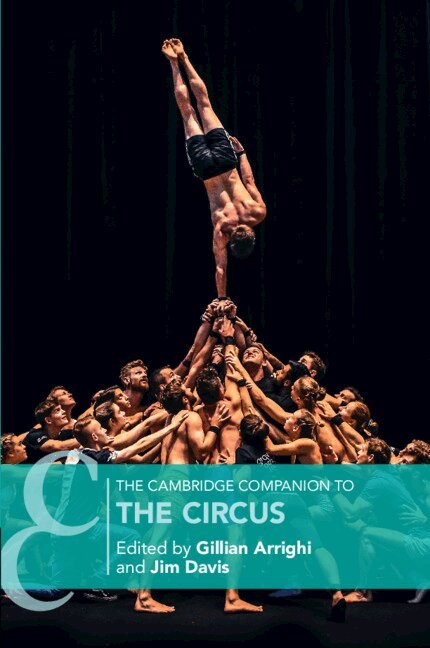
The Cambridge Companion to the Circus provides a complete guide for students, scholars, teachers, researchers, and practitioners who are seeking perspectives on the foundations and evolution of the modern circus, the contemporary extent of circus studies, and the specialised literature available to support further enquiries. The volume brings together an international group of established and emerging scholars working across the multi-disciplinary domain of circus studies to present a clear overview of the specialised histories, aesthetics and distinctive performances of the modern circus. In sixteen commissioned essays, it covers the origins in commercial equestrian performance during the late-eighteenth century to contemporary inflections of circus arts in major international festivals, educational environments, and social justice settings.
E-bok
Engelska, 2021409 kr
Läs direkt efter köp
The Cambridge Companion to the Circus provides a complete guide for students, scholars, teachers, researchers, and practitioners who are seeking perspectives on the foundations and evolution of the modern circus, the contemporary extent of circus studies, and the specialised literature available to support further enquiries. The volume brings together an international group of established and emerging scholars working across the multi-disciplinary domain of circus studies to present a clear overview of the specialised histories, aesthetics and distinctive performances of the modern circus. In sixteen commissioned essays, it covers the origins in commercial equestrian performance during the late-eighteenth century to contemporary inflections of circus arts in major international festivals, educational environments, and social justice settings.
E-bok
PDF, Engelska, 2021409 kr
Läs direkt efter köp
The Cambridge Companion to the Circus provides a complete guide for students, scholars, teachers, researchers, and practitioners who are seeking perspectives on the foundations and evolution of the modern circus, the contemporary extent of circus studies, and the specialised literature available to support further enquiries. The volume brings together an international group of established and emerging scholars working across the multi-disciplinary domain of circus studies to present a clear overview of the specialised histories, aesthetics and distinctive performances of the modern circus. In sixteen commissioned essays, it covers the origins in commercial equestrian performance during the late-eighteenth century to contemporary inflections of circus arts in major international festivals, educational environments, and social justice settings.
Häftad, Engelska, 2021
340 kr
Skickas inom 7-10 vardagar
The Cambridge Companion to the Circus provides a complete guide for students, scholars, teachers, researchers, and practitioners who are seeking perspectives on the foundations and evolution of the modern circus, the contemporary extent of circus studies, and the specialised literature available to support further enquiries. The volume brings together an international group of established and emerging scholars working across the multi-disciplinary domain of circus studies to present a clear overview of the specialised histories, aesthetics and distinctive performances of the modern circus. In sixteen commissioned essays, it covers the origins in commercial equestrian performance during the late-eighteenth century to contemporary inflections of circus arts in major international festivals, educational environments, and social justice settings.