Giorgio A. Tasca - Böcker
Visar alla böcker från författaren Giorgio A. Tasca. Handla med fri frakt och snabb leverans.
3 produkter
3 produkter
683 kr
Skickas inom 7-10 vardagar
This book presents a comprehensive, evidence-based treatment that combines individual case formulation with group interventions informed by contemporary psychodynamic and interpersonal theories. Designed as a manual for training and teaching, this book shows how group psychodynamic-interpersonal psychotherapy (GPIP) practitioners combine knowledge of the interpersonal factors that underlie each patient amp rsquo s symptoms, with a sound understanding of group process theory and stages of group development, to effect real and lasting change. Chapters include a wealth of hands-on tools including practice guides, self-study quizzes, clinical vignettes, and reflective questions. The authors also provide instructions on process and progress monitoring, which allows therapists to access timely feedback about the functioning of the group and each patient, improving their outcomes by highlighting what is working and what needs to change.
2 179 kr
Skickas inom 10-15 vardagar
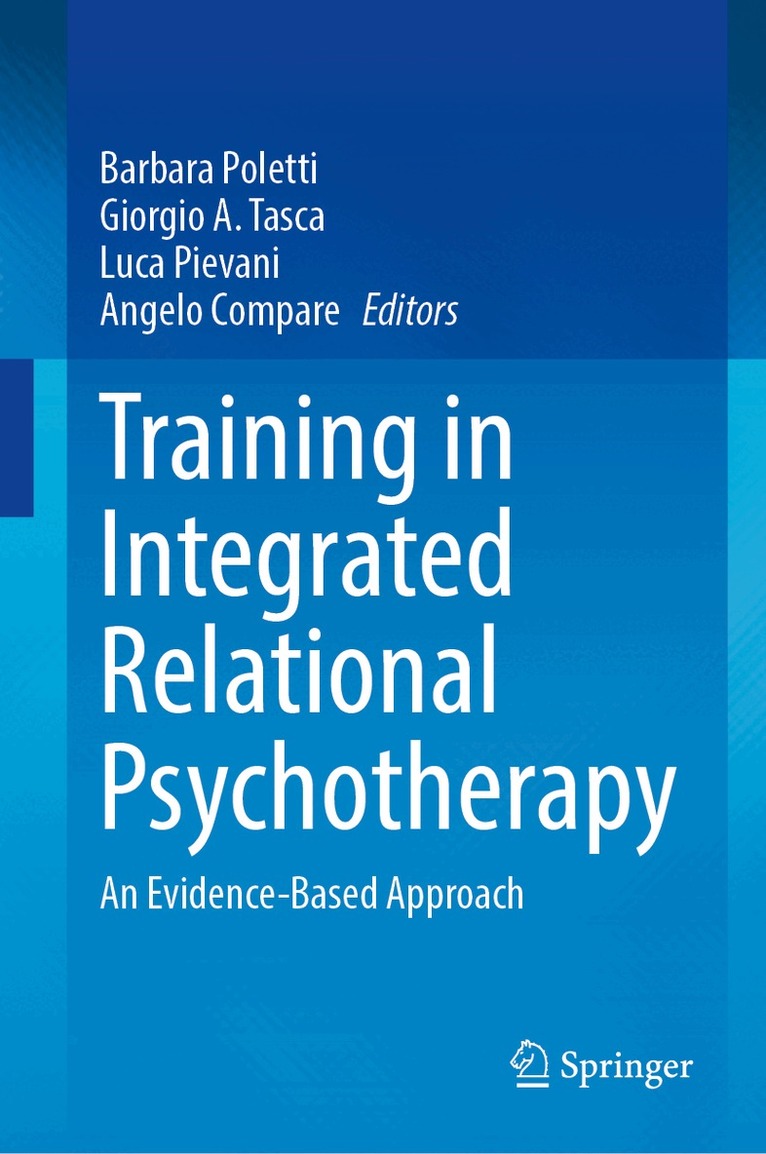
This edited book offers an integrative and evidence-based practice approach to training in psychotherapy, examining common factors across different therapeutic models seen through an attachment theory lens.
1 528 kr
Skickas inom 10-15 vardagar
This edited book offers an integrative and evidence-based practice approach to training in psychotherapy, examining common factors across different therapeutic models seen through an attachment theory lens. It stresses the opportunities to handle those therapeutic situations in practice that predict patient outcomes. This edited volume will appeal to instructors and students, particularly as an introductory text on psychotherapy practice that emphasizes the fundamentals of therapist interpersonal skills and approaches. Instructors may use the book, its worksheets, and review exercises to help structure a course in psychotherapy. Individual chapters will interest trainers and students in a more advanced course that teaches interpersonally oriented therapies with an attachment theory foundation. Although written specifically for training contexts, the book will also interest practicing clinicians who wish to extend their skill set to include interventions related to those informed by attachment theory.