605 kr
Skickas inom 3-6 vardagar
605 kr
Skickas inom 3-6 vardagar
567 kr
Skickas inom 3-6 vardagar
Make every student fluent in the language of learning.
Language has always been the center of English Language Arts, but with most states adopting CCSS, the focus on language and literacy across the content areas is required. Today it’s more essential than ever that English language learners and proficient English learners have the supports to access and achieve the language of school.
The Common Core and ELD standards provide pathways to academic success through academic language. Using an integrated Curricular Framework, districts, schools and professional learning communities can:
Design and implement thematic units for learning Draw from content and language standards to set targets for all students Examine standards-centered materials for academic language Collaborate in planning instruction and assessment within and across lessons Consider linguistic and cultural resources of the students Create differentiated content and language objectives Delve deeply into instructional strategies involving academic language Reflect on teaching and learningWith dynamic classrooms and units of learning, this book gives you a streamlined path for designing and implementing curriculum that leads to student mastery of academic language—the key to school success.
“These volumes are packed with practical ideas that will help all teachers attend to language within their classrooms from the discourse level to word/phrase levels. This is a road map for teaching Common Core content in language rich classrooms, and hence a resource every teacher needs within arm’s reach! It’s all here and clearly presented; this is pure gold for everyone who teaches students to speak, listen, read and write in school, with special attention to English language learners.” —Tim Boals, Executive Director of WIDA
567 kr
Skickas inom 3-6 vardagar
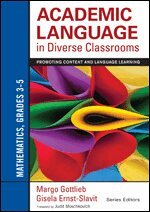
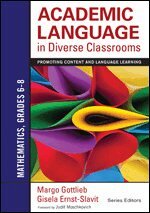
Help your students unlock important mathematical concepts!
If you’ve ever watched a student struggle with learning math concepts, you know that academic English can sometimes create stumbling blocks to understanding. To grasp complicated concepts, build skills, and demonstrate achievement, students need to master academic language in math.
The Common Core and ELD standards provide pathways to academic success through academic language. Using an integrated Curricular Framework, districts, schools and professional learning communities can:
Design and implement thematic units for learning Draw from content and language standards to set targets for all students Examine standards-centered materials for academic language Collaborate in planning instruction and assessment within and across lessons Consider linguistic and cultural resources of the students Create differentiated content and language objectives Delve deeply into instructional strategies involving academic language Reflect on teaching and learningEach grade-specific chapter models the types of interactions and learning experiences that help students master both math content and academic language. This essential book shows you why mastery of academic language is the key to students’ academic success.
“With growing numbers of English Language Learners in our classrooms, teachers need to be able to help students as they learn academic vocabulary and concepts. This series offers teachers a practical support, complete with abundant rubrics and detailed plans for teaching math vocabulary!” —Renee Peoples, Teacher Swain County Schools, Bryson City, NC
455 kr
Skickas inom 3-6 vardagar
Help your students unlock important mathematical concepts!
If you’ve ever watched a student struggle with learning math concepts, you know that academic English can sometimes create stumbling blocks to understanding. To grasp complicated concepts, build skills, and demonstrate achievement, students need to master academic language in math.
The Common Core and ELD standards provide pathways to academic success through academic language. Using an integrated Curricular Framework, districts, schools and professional learning communities can:
Design and implement thematic units for learning Draw from content and language standards to set targets for all students Examine standards-centered materials for academic language Collaborate in planning instruction and assessment within and across lessons Consider linguistic and cultural resources of the students Create differentiated content and language objectives Delve deeply into instructional strategies involving academic language Reflect on teaching and learningEach grade-specific chapter models the types of interactions and learning experiences that help students master both math content and academic language. This essential book shows you why mastery of academic language is the key to students’ academic success.
“With growing numbers of English Language Learners in our classrooms, teachers need to be able to help students as they learn academic vocabulary and concepts. This series offers teachers a practical support, complete with abundant rubrics and detailed plans for teaching math vocabulary!” —Renee Peoples, Teacher Swain County Schools, Bryson City, NC
567 kr
Skickas inom 3-6 vardagar
Help your students unlock important mathematical concepts!
If you’ve ever watched a student struggle with learning math concepts, you know that academic English can sometimes create stumbling blocks to understanding. To grasp complicated concepts, build skills, and demonstrate achievement, students need to master academic language in math.
The Common Core and ELD standards provide pathways to academic success through academic language. Using an integrated Curricular Framework, districts, schools and professional learning communities can:
Design and implement thematic units for learning Draw from content and language standards to set targets for all students Examine standards-centered materials for academic language Collaborate in planning instruction and assessment within and across lessons Consider linguistic and cultural resources of the students Create differentiated content and language objectives Delve deeply into instructional strategies involving academic language Reflect on teaching and learningEach grade-specific chapter models the types of interactions and learning experiences that help students master both math content and academic language. This essential book shows you why mastery of academic language is the key to students’ academic success.
“With growing numbers of English Language Learners in our classrooms, teachers need to be able to help students as they learn academic vocabulary and concepts. This series offers teachers a practical support, complete with abundant rubrics and detailed plans for teaching math vocabulary!” —Renee Peoples, Teacher Swain County Schools, Bryson City, NC
752 kr
Skickas inom 5-8 vardagar
1 226 kr
Skickas inom 5-8 vardagar
533 kr
Läs direkt efter köp
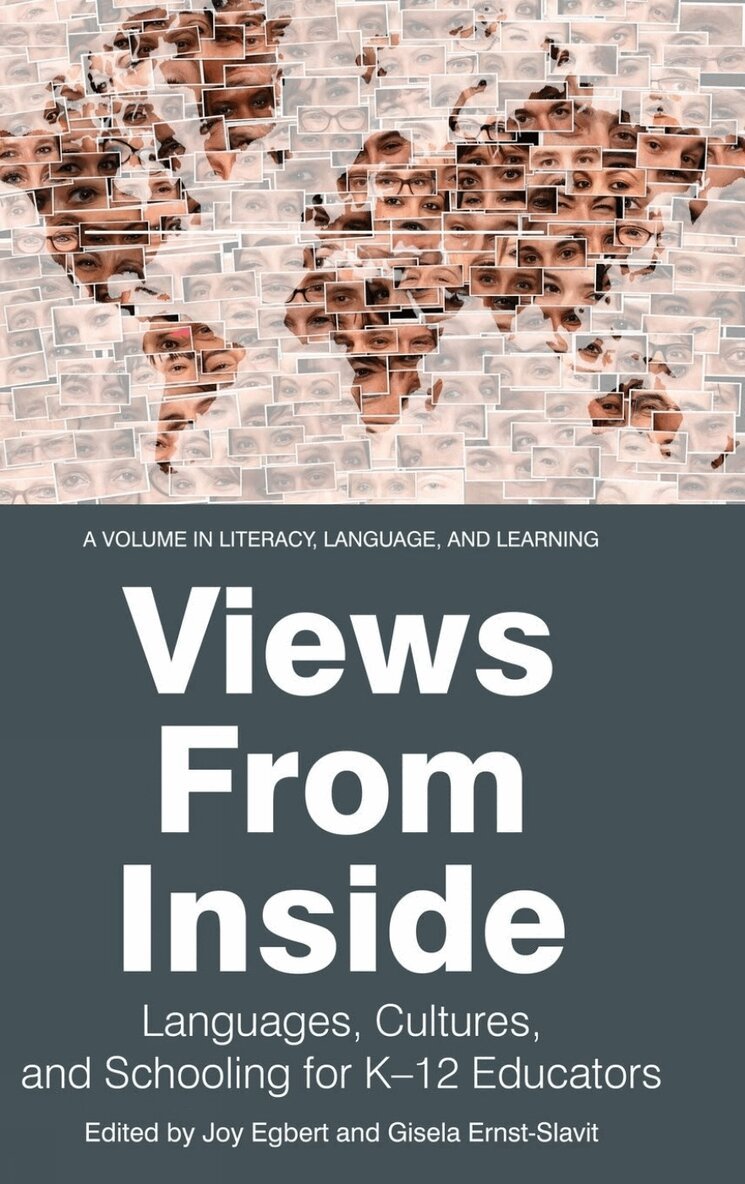
The goal of this text is to help teachers in diverse classrooms understand the importance of students’ culture, languages, and schooling experiences to curriculum, assessment, and student achievement. Readers will learn about aspects of specific cultures and languages that are important to their understanding of their students, and they will discover that cultures that are often considered similar may not be so (and why they aren''t). Finally, the text focuses on how teachers can integrate languages and cultures into classrooms and how to account for students'' backgrounds and funds of knowledge when devising tasks.
The text starts with an introduction to language and culture that presents a research-based explanation of why these concepts are important for teachers to understand (Chapter 1). Then, the middle 28 chapters each address one country/culture. Each chapter starts with a school scenario in the US. Part 2 of each chapter includes evidence-based demographic and background data on the country, including historical events that may have an impact on our students and their families. Part 3 includes a look at education, schooling, and culture, including famous people, contributions to the world, personal characteristics, important religious information, focal customs, and other aspects that are important to cultural insiders. Part 4 is about language and literacy traditions and how they relate to the culture, a number of words that teachers can learn (e.g., yes, no, thank you, please, hello), how the language is different from and similar to English, and what those differences and similarities might mean for English language learners from that culture. Part 5 comprises advice, resources, and ideas for teachers (for example, if it is an oral culture, the teacher might consider working with students on oral storytelling before transitioning to written stories, or incorporate both using technology). Each chapter also contains recommended readings and resources and short exercises that extend the chapter information. The final chapter presents parting notes for teachers and additional suggestions for addressing diversity.
799 kr
Läs direkt efter köp