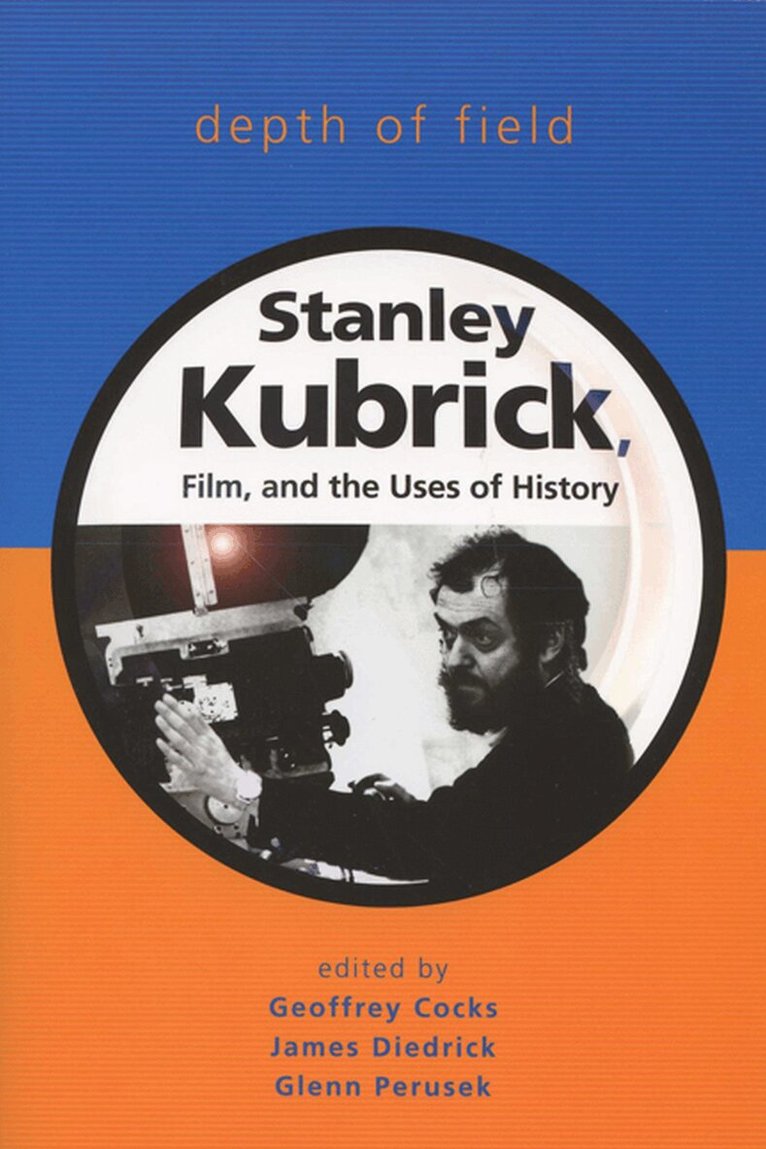
Director of some of the most controversial films of the twentieth century, Stanley Kubrick created a reputation as a Hollywood outsider as well as a cinematic genius. His diverse yet relatively small oeuvre - he directed only thirteen films during a career that spanned more than four decades - covers a broad range of the themes that shaped his century and continues to shape the twenty-first: war and crime, gender relations and class conflict, racism, and the fate of individual agency in a world of increasing social surveillance and control. In ""Depth of Field"", leading screenwriters and scholars analyze Kubrick's films from a variety of perspectives. They examine such groundbreaking classics as ""Dr. Strangelove and 2001: A Space Odyssey"" and later films whose critical reputations are still in flux. ""Depth of Field"" ends with three viewpoints on Kubrick's final film, ""Eyes Wide Shut"", placing it in the contexts of film history, the history and theory of psychoanalysis, and the sociology of sex and power. Probing Kubrick's whole body of work, ""Depth of Field"" is the first truly multidisciplinary study of one of the most innovative and controversial filmmakers of the twentieth century.
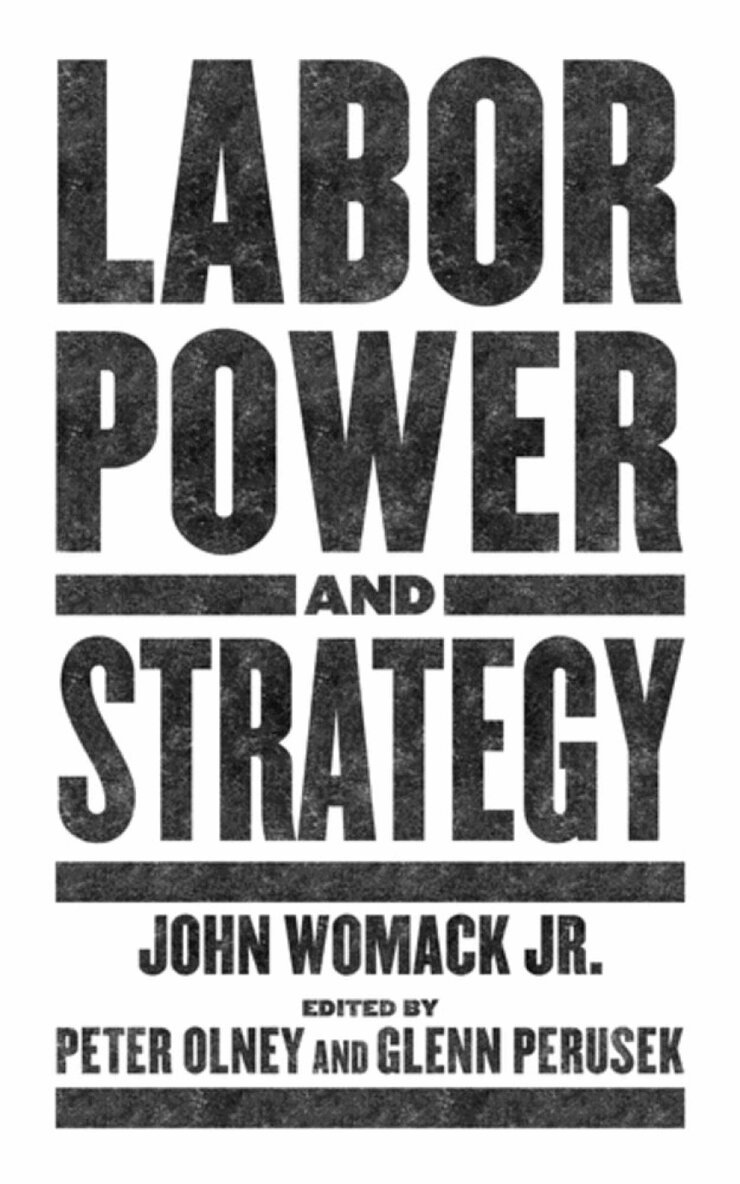
What would it take to topple Amazon? To change how health care works in America? To break up the media monopolies that have taken hold of our information and imaginations? How is it possible to organize those without hope working on the margins? In Labor Power and Strategy, legendary strategist, historian and labor organizer John Womack, speaks directly to a new generation, providing rational, radical, experience-based perspectives that help target and run smart, strategic, effective campaigns in the working class.
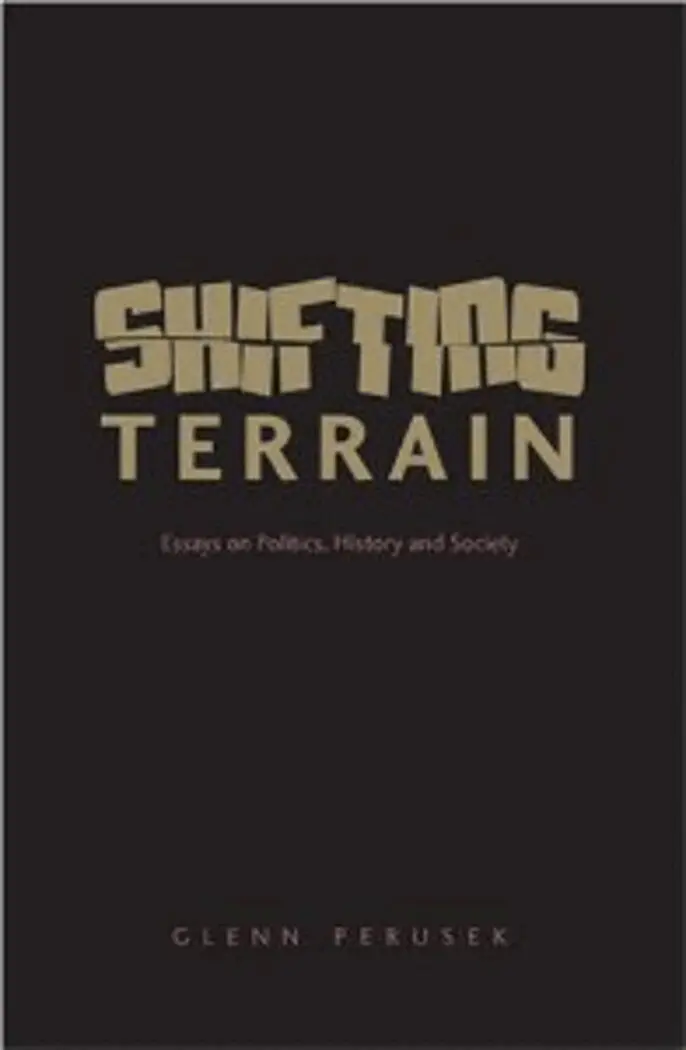
Shifting Terrain places contemporary political, economic, and social questions in long-range historical context. An essay on the new American imperialism is set against one that considers enduring lessons from Thucydides on the hubris of empire. The deep Lockean liberal structure of American politics is treated, along with a case history of the labor movement. Essays on child labor, hunger and poverty explore topics in world political economy as it affects the most dispossessed.
Director of some of the most controversial films of the twentieth century, Stanley Kubrick created a reputation as a Hollywood outsider as well as a cinematic genius. His diverse yet relatively small oeuvre - he directed only thirteen films during a career that spanned more than four decades - covers a broad range of the themes that shaped his century and continues to shape the twenty-first: war and crime, gender relations and class conflict, racism, and the fate of individual agency in a world of increasing social surveillance and control. In ""Depth of Field"", leading screenwriters and scholars analyze Kubrick's films from a variety of perspectives. They examine such groundbreaking classics as ""Dr. Strangelove and 2001: A Space Odyssey"" and later films whose critical reputations are still in flux. ""Depth of Field"" ends with three viewpoints on Kubrick's final film, ""Eyes Wide Shut"", placing it in the contexts of film history, the history and theory of psychoanalysis, and the sociology of sex and power. Probing Kubrick's whole body of work, ""Depth of Field"" is the first truly multidisciplinary study of one of the most innovative and controversial filmmakers of the twentieth century.
What would it take to topple Amazon? To change how health care works in America? To break up the media monopolies that have taken hold of our information and imaginations? How is it possible to organize those without hope working on the margins? In Labor Power and Strategy, legendary strategist, historian and labor organizer John Womack, speaks directly to a new generation, providing rational, radical, experience-based perspectives that help target and run smart, strategic, effective campaigns in the working class.
Shifting Terrain places contemporary political, economic, and social questions in long-range historical context. An essay on the new American imperialism is set against one that considers enduring lessons from Thucydides on the hubris of empire. The deep Lockean liberal structure of American politics is treated, along with a case history of the labor movement. Essays on child labor, hunger and poverty explore topics in world political economy as it affects the most dispossessed.