Gopalareddy Krishnappa – författare
Visar alla böcker från författaren Gopalareddy Krishnappa. Handla med fri frakt och snabb leverans.
3 produkter
3 produkter
1 372 kr
Skickas inom 7-10 vardagar
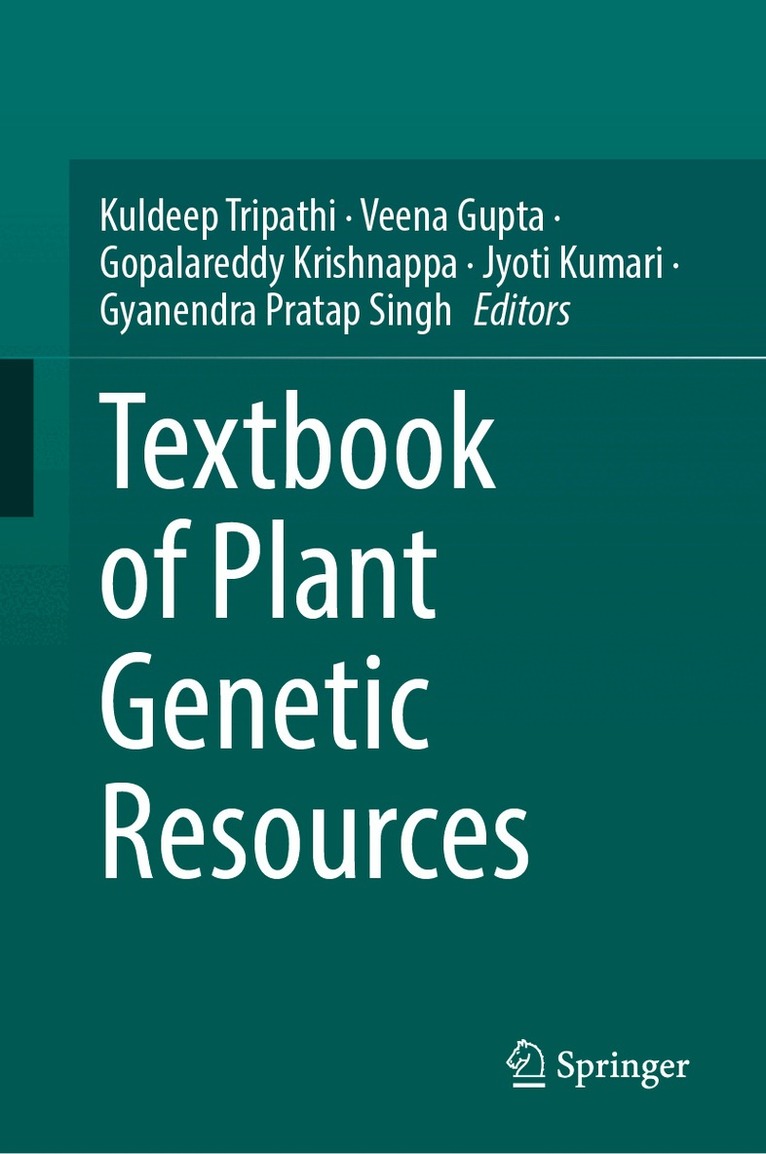
This Textbook is an assemblage of comprehensive information complied by distinguished plant genetic resources (PGR) experts covering current research and updated syllabus of ICAR and UGC for masters and PhD courses in Plant Genetic Resources.The book provides complete information on recent technological advances in PGR science including management of genetic resources, conservation, tissue culture, cryopreservation, quarantine and bio-security-related topics. It has 17 chapters and covers the syllabus in depth with special focuses on crop wild relatives, crop genomics, policies issues, and also highlights the research priorities and importance of field translation. It catalogues both conventional as well as modern tools and provides innovative strategies for sustainable PGR conservation and utilization in climate change scenarios to meet the United Nations’ Sustainable Development Goals (SDG). It also brings together up-to-date information on various legislations of global policies like the Convention on Biological Diversity (CBD), International Treaty on Plant Genetic Resources for Food and Agriculture (ITPGRFA), Access and Benefit Sharing (ABS), and NAGOYA protocol.This textbook is an all-inclusive collection of information, which is beneficial for postgraduate, and PhD students. In addition, it is also a reference material for agriculturists, plant breeders, seed technologists, plant pathologists, biotechnologists, biochemists, pharmacologists, agronomists, botanists, entomologists, social scientists, policy analysts and any other persons interested in getting information about plant genetic resources.
2 433 kr
Skickas inom 10-15 vardagar
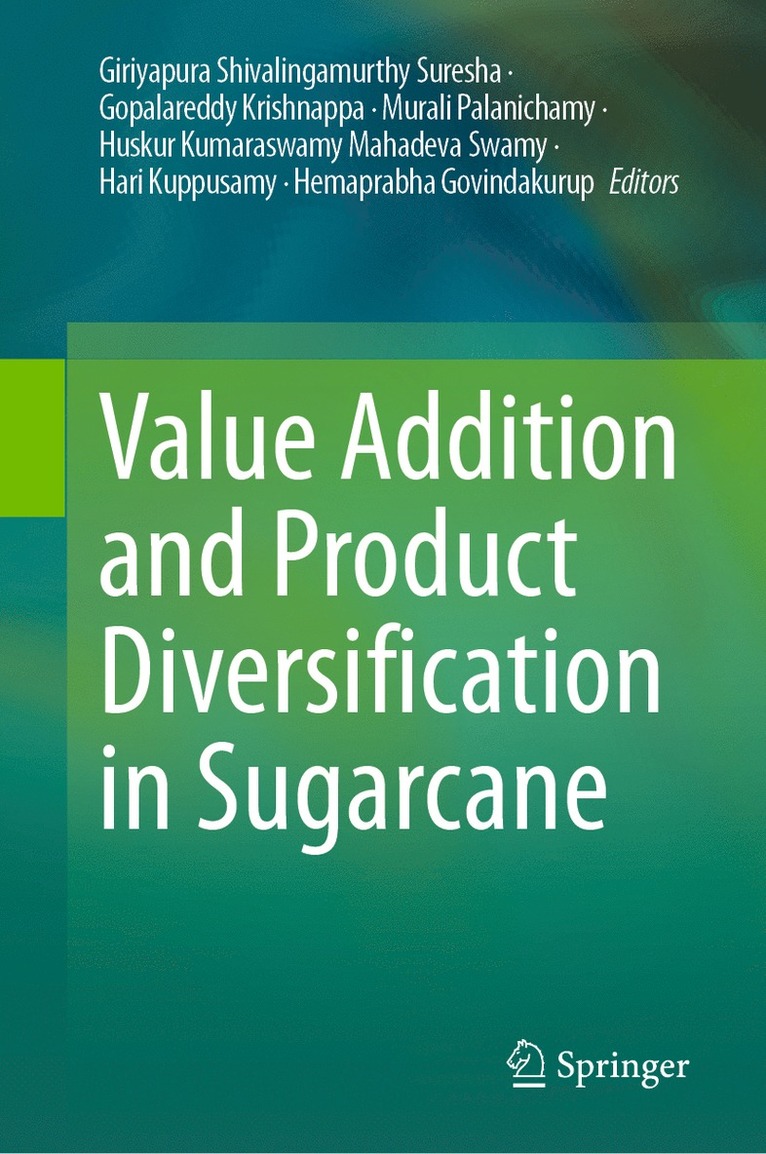
This contributed volume covers sugarcane byproducts, preservation, functional foods, bioethanol, and liquid fuels. It focuses on advancements in value addition and its applications in food and other industries, sugarcane biomass, and its utilization in the energy sector.Sugarcane production has been increasing for several decades; however, it has only recently gained importance for product diversification and bioenergy applications. The book also explores biopharming/molecular pharming, genomics for product diversification, biotechnological manipulations for bioenergy applications, metabolic engineering, bioenergy policy, economics, and market intelligence. This book provides an opportunity to compile recent technological advancements in value addition and product diversification, offering insights into the role of sugarcane in green fuels and global energy security in a sustainable manner.This book caters to the needs of various stakeholders, including students, researchers, policymakers, and academicians working in functional foods, nutraceutical research, bioenergy, and synthetic biology. It is also designed for personnel in the sugar and food industries, green fuels, chemical industries, and textile and recycling industries.
2 433 kr
Skickas inom 10-15 vardagar
This contributed volume covers sugarcane byproducts, preservation, functional foods, bioethanol, and liquid fuels. It focuses on advancements in value addition and its applications in food and other industries, sugarcane biomass, and its utilization in the energy sector.Sugarcane production has been increasing for several decades; however, it has only recently gained importance for product diversification and bioenergy applications. The book also explores biopharming/molecular pharming, genomics for product diversification, biotechnological manipulations for bioenergy applications, metabolic engineering, bioenergy policy, economics, and market intelligence. This book provides an opportunity to compile recent technological advancements in value addition and product diversification, offering insights into the role of sugarcane in green fuels and global energy security in a sustainable manner.This book caters to the needs of various stakeholders, including students, researchers, policymakers, and academicians working in functional foods, nutraceutical research, bioenergy, and synthetic biology. It is also designed for personnel in the sugar and food industries, green fuels, chemical industries, and textile and recycling industries.