Gorana Ognjenović – författare
Visar alla böcker från författaren Gorana Ognjenović. Handla med fri frakt och snabb leverans.
12 produkter
12 produkter
Inbunden, Engelska, 2016
555 kr
Skickas inom 10-15 vardagar
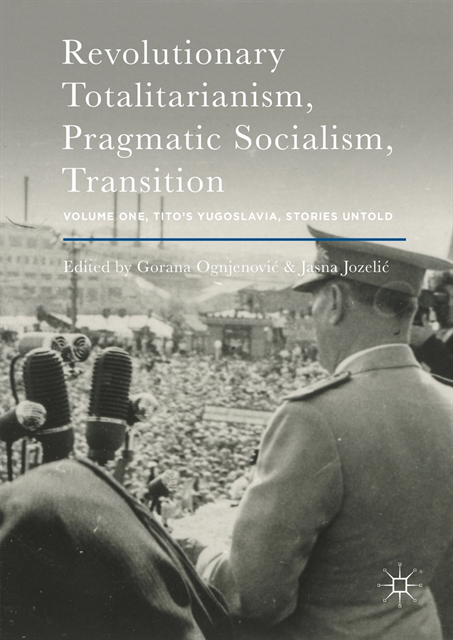
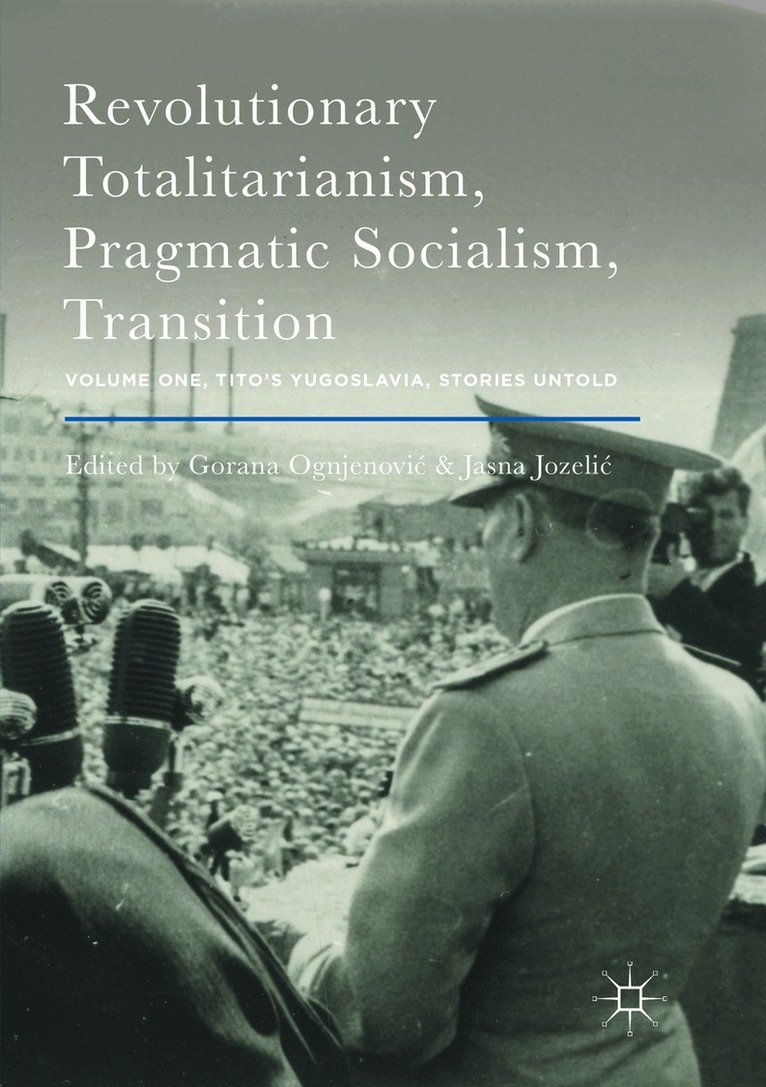
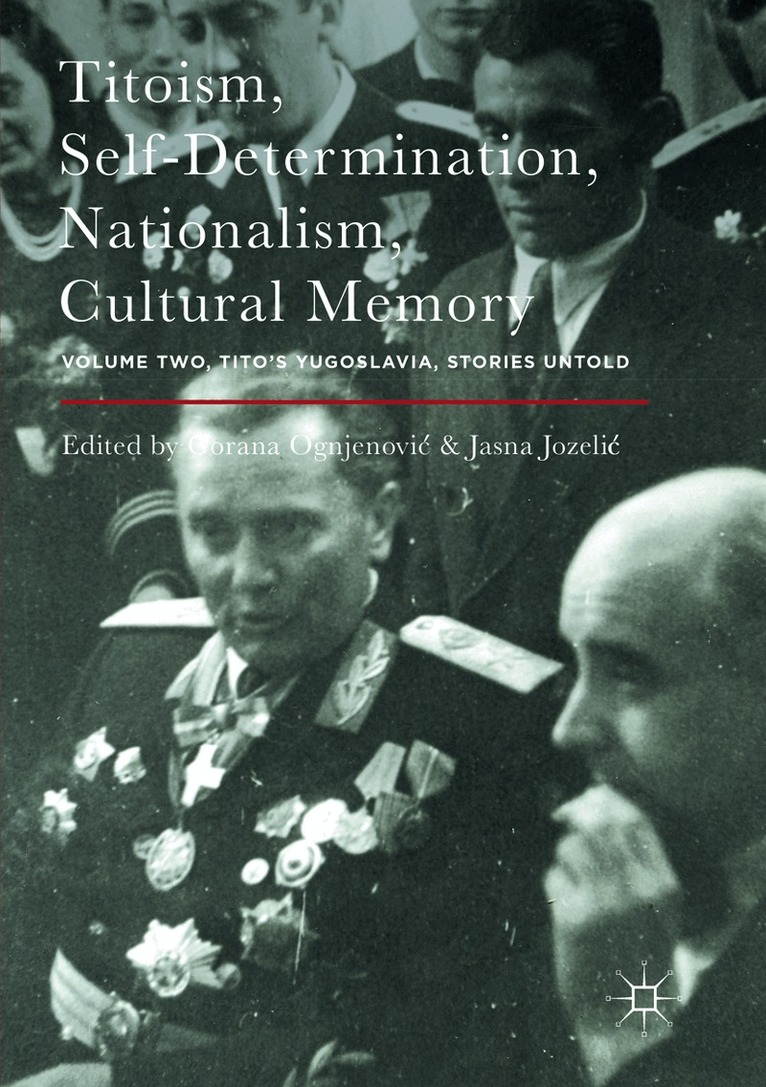
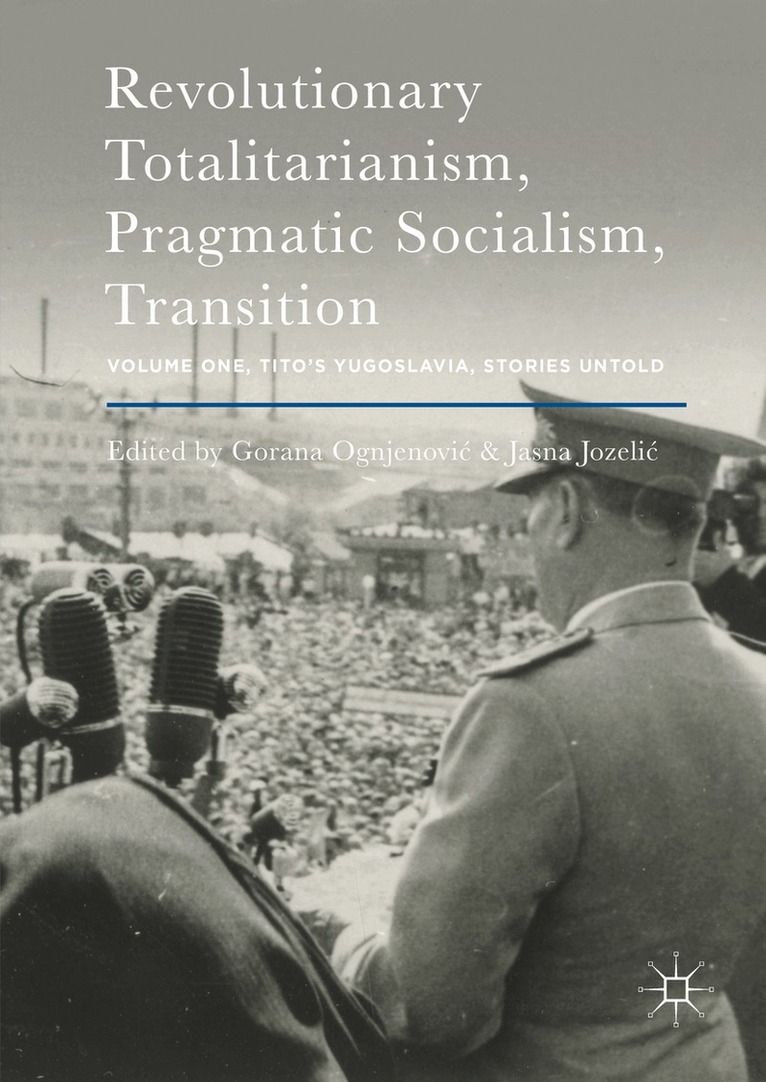
This book, the first of two volumes, challenges decades of superficial and selective rhetoric about Tito’s Yugoslavia. The essays explore some of the gaps in the existing descriptions of the country that have existed for decades.
Inbunden, Engelska, 2016
555 kr
Skickas inom 10-15 vardagar
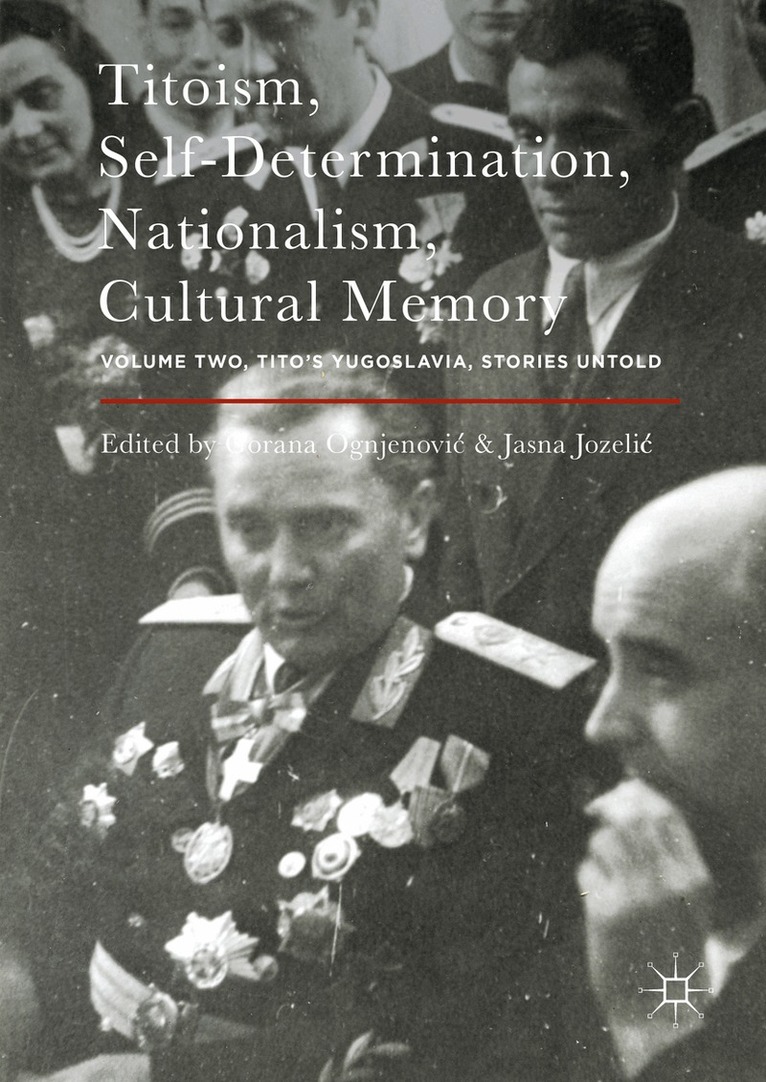
This volume provides a more detailed picture which might surprise those who thought they knew everything about Yugoslavia, as well as we are hoping to inspire others to read more about this historically social experiment that against all odds actually did exist and prospered for a while in the midst of the spiders web of the global political chaos which lasts still today. Contributors cover a range of topics including ‘absolute modernity,’ film, and the preservation and creation of memory through clothing among others.
Häftad, Engelska, 2018
555 kr
Skickas inom 10-15 vardagar
This book, the first of two volumes, challenges decades of superficial and selective rhetoric about Tito’s Yugoslavia. The essays explore some of the gaps in the existing descriptions of the country that have existed for decades.
Häftad, Engelska, 2018
555 kr
Skickas inom 10-15 vardagar
This volume provides a more detailed picture which might surprise those who thought they knew everything about Yugoslavia, as well as we are hoping to inspire others to read more about this historically social experiment that against all odds actually did exist and prospered for a while in the midst of the spiders web of the global political chaos which lasts still today. Contributors cover a range of topics including ‘absolute modernity,’ film, and the preservation and creation of memory through clothing among others.
Inbunden, Engelska, 2020
1 102 kr
Skickas inom 10-15 vardagar
This book explores how school history textbooks are used to perpetuate nationalistic policies within divided regions. By promoting nationalistic politics in such media, textbooks themselves can be used as tools to further promote and preserve ongoing hostility between ethnic groups following periods of conflict.
Häftad, Engelska, 2021
1 102 kr
Skickas inom 10-15 vardagar
This book explores how school history textbooks are used to perpetuate nationalistic policies within divided regions. By promoting nationalistic politics in such media, textbooks themselves can be used as tools to further promote and preserve ongoing hostility between ethnic groups following periods of conflict.
Inbunden, Engelska, 2021
1 540 kr
Skickas inom 10-15 vardagar
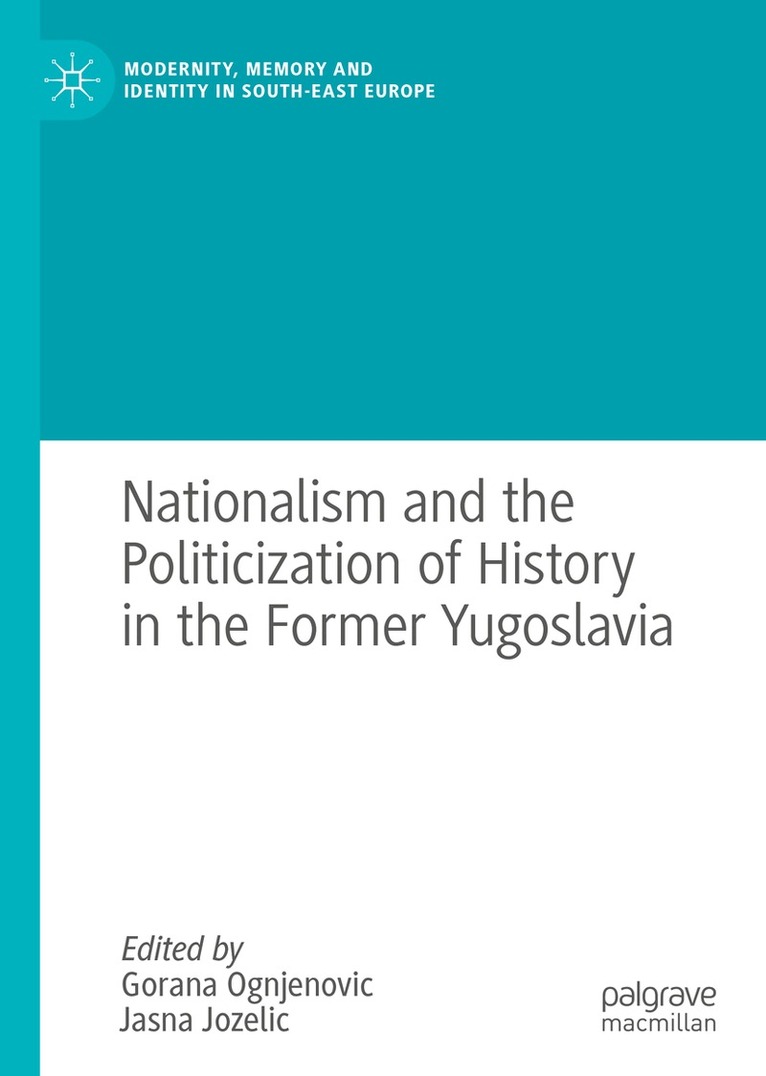
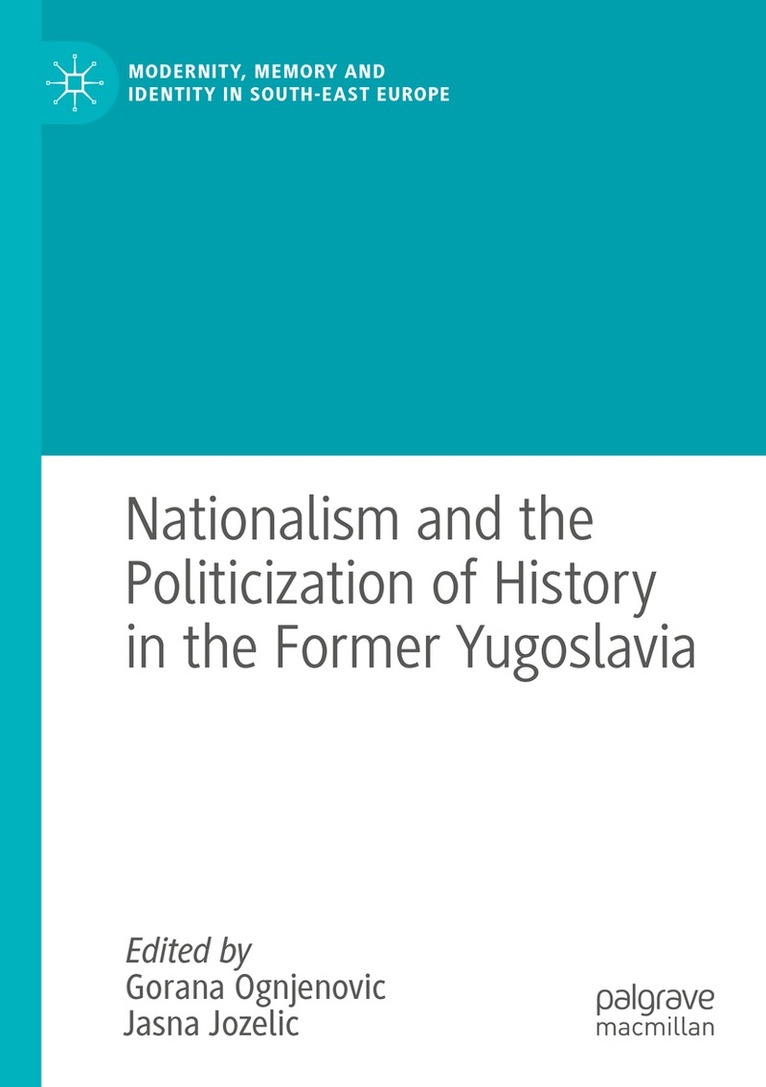
“This book is very timely: the instrumentalization of history for political goals has become a pressing issue and worrisome feature of many polities, to the point of challenging even the most consolidated democracies. Focusing on Yugoslavia’s fragile successor states, the authors explore plurifold analytical levels, including local, regional, transnational, European and global perspectives. The authors comprehensively demonstrate how politicizing history, in the postwar and postcommunist societies of what was once Yugoslavia, has prevented both reconciliation and democratization.”—Sabine Rutar, Leibniz Institute for East and Southeast European Studies, Germany“Ognjenovic and Jozelic focus here on the former Yugoslavia before and after its fragmentation to explore and evaluate the various uses of histories by nationalists, both those who promoted ‘federal nationalism’ and those who peddle specific local nationalisms in successor states. The book deals specifically with the Western Balkans, but these developments have their parallels in many other parts of the world, and the book will be useful well beyond the region on which the study is based.”—Paul Mojzes, Professor Emeritus, Rosemont College, USA“The former Yugoslavia has become a battlefield for the ‘Memory Wars’, in spite of the wealth of judicially established facts and available evidences gathered about the atrocities in the region, and various initiatives aimed at dealing with the past and efforts at transitional justice. Focusing on three periods of Yugoslav history – the Second World War, socialist Yugoslavia and the Yugoslav wars of 1991–2001 – the contributors show that despite these efforts to deal with the past, sustainable peace and reconciliation across ethnic and religious groups remain a distant aim.” —Marijana Toma, Center for Cultural Decontamination, SerbiaThis book analyzes how nationalists in the former Yugoslavia have politicized history to further their political agendas, retaining and prolonging conflict among different cultural and religious groups, and impeding the process of lasting reconciliation. It explores how narratives have been (mis)used, drawing on examples from all of the former Yugoslav republics. With contributors from a range of disciplinary backgrounds, it provides a vital assessment of how nationalists have attempted to (re)shape public collective memory and relativize facts.

Häftad, Engelska, 2022
1 540 kr
Skickas inom 10-15 vardagar
“This book is very timely: the instrumentalization of history for political goals has become a pressing issue and worrisome feature of many polities, to the point of challenging even the most consolidated democracies. Focusing on Yugoslavia’s fragile successor states, the authors explore plurifold analytical levels, including local, regional, transnational, European and global perspectives. The authors comprehensively demonstrate how politicizing history, in the postwar and postcommunist societies of what was once Yugoslavia, has prevented both reconciliation and democratization.”—Sabine Rutar, Leibniz Institute for East and Southeast European Studies, Germany“Ognjenovic and Jozelic focus here on the former Yugoslavia before and after its fragmentation to explore and evaluate the various uses of histories by nationalists, both those who promoted ‘federal nationalism’ and those who peddle specific local nationalisms in successor states. The book deals specifically with the Western Balkans, but these developments have their parallels in many other parts of the world, and the book will be useful well beyond the region on which the study is based.”—Paul Mojzes, Professor Emeritus, Rosemont College, USA“The former Yugoslavia has become a battlefield for the ‘Memory Wars’, in spite of the wealth of judicially established facts and available evidences gathered about the atrocities in the region, and various initiatives aimed at dealing with the past and efforts at transitional justice. Focusing on three periods of Yugoslav history – the Second World War, socialist Yugoslavia and the Yugoslav wars of 1991–2001 – the contributors show that despite these efforts to deal with the past, sustainable peace and reconciliation across ethnic and religious groups remain a distant aim.” —Marijana Toma, Center for Cultural Decontamination, SerbiaThis book analyzes how nationalists in the former Yugoslavia have politicized history to further their political agendas, retaining and prolonging conflict among different cultural and religious groups, and impeding the process of lasting reconciliation. It explores how narratives have been (mis)used, drawing on examples from all of the former Yugoslav republics. With contributors from a range of disciplinary backgrounds, it provides a vital assessment of how nationalists have attempted to (re)shape public collective memory and relativize facts.
Inbunden, Engelska, 2017
1 389 kr
Skickas inom 10-15 vardagar
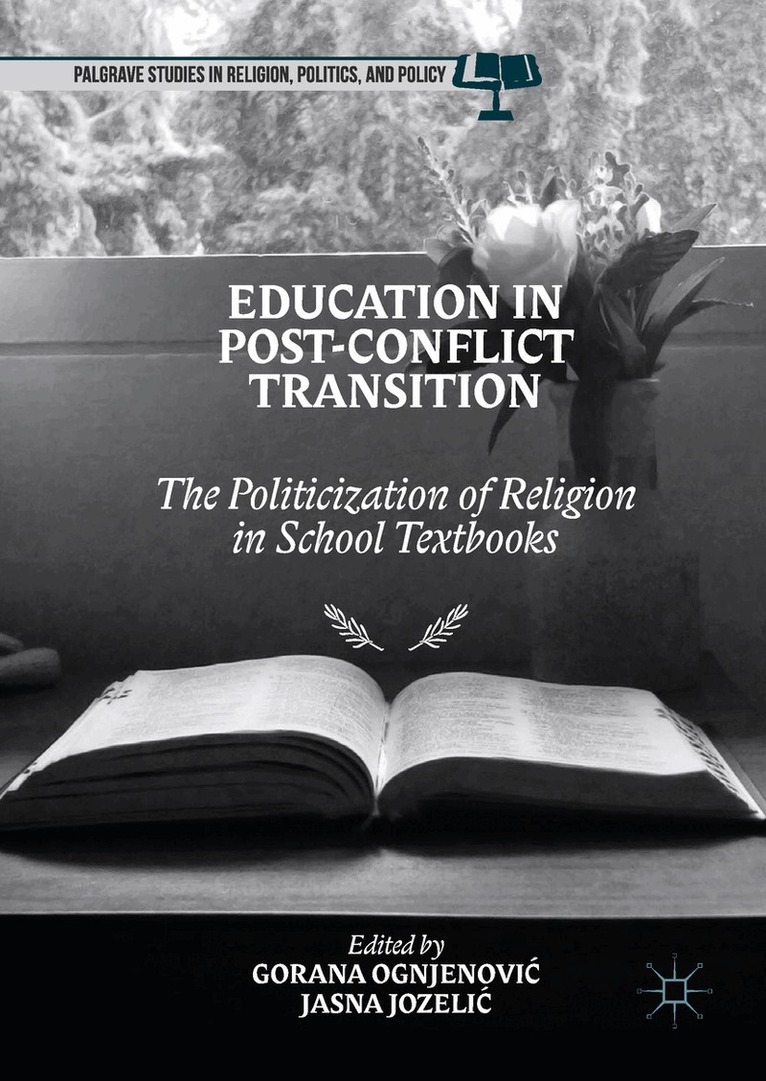
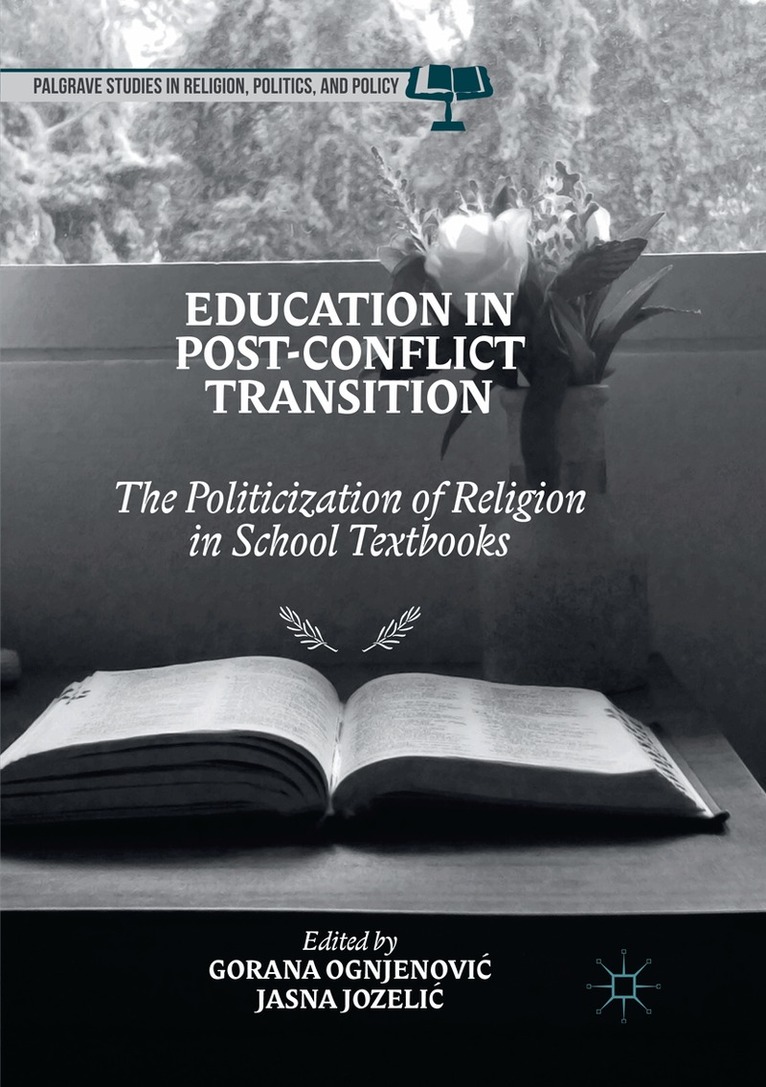
It aims to be a necessary step in understanding the origins of this systematic segregation and how it is reproduced in educational practice, asserting that the politicization of religion in the school textbooks is one of the motors responsible for the ongoing ethnic segregation.
Häftad, Engelska, 2018
1 389 kr
Skickas inom 10-15 vardagar
It aims to be a necessary step in understanding the origins of this systematic segregation and how it is reproduced in educational practice, asserting that the politicization of religion in the school textbooks is one of the motors responsible for the ongoing ethnic segregation.
Inbunden, Engelska, 2009
1 070 kr
Skickas inom 10-15 vardagar
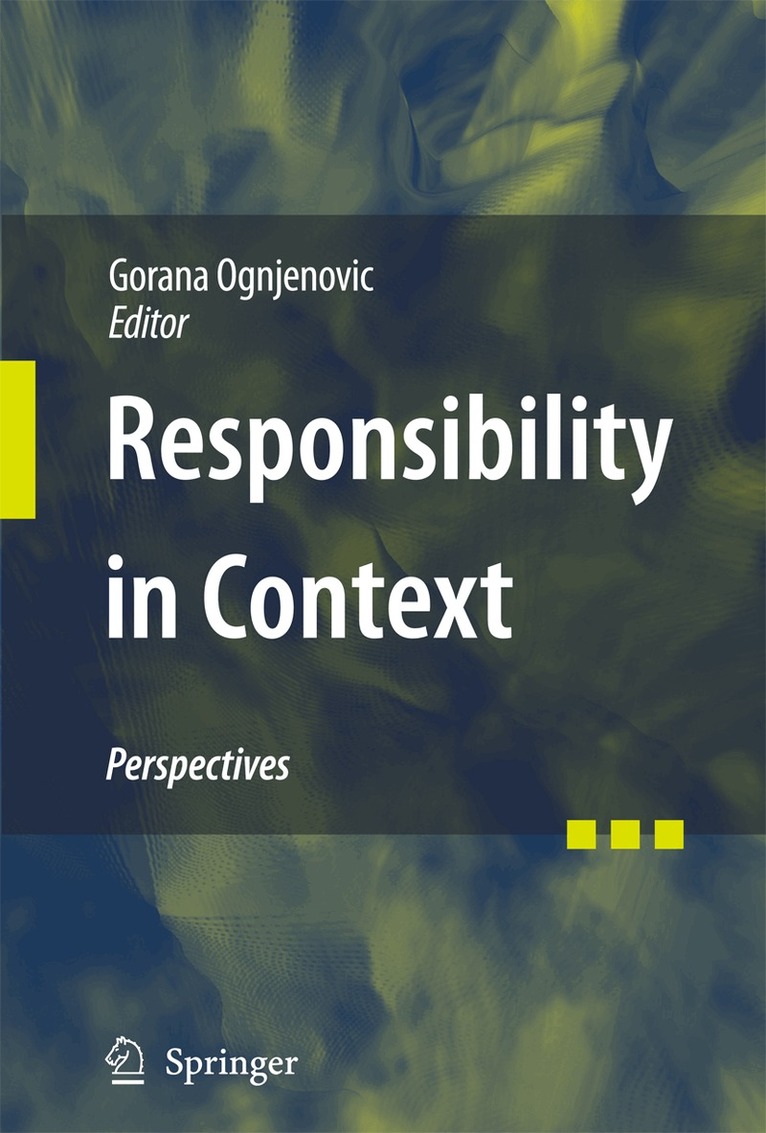
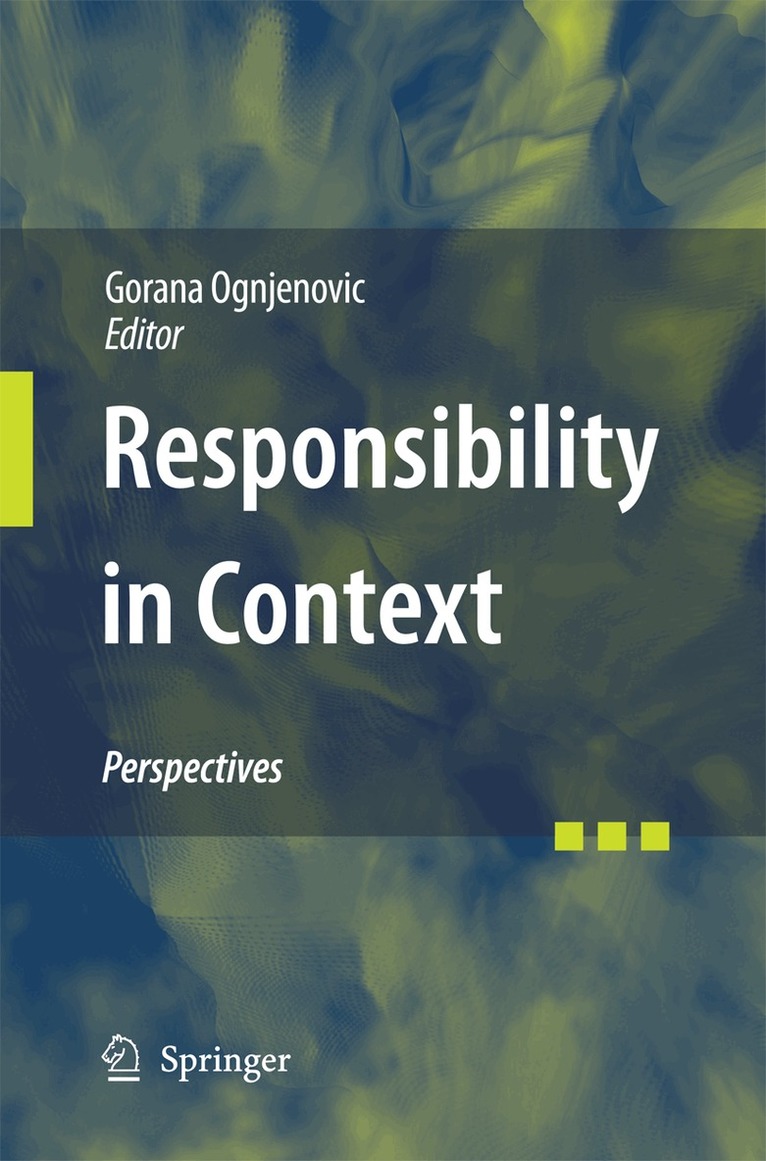
Arne Johan Vetlesen Ours is the era of globalisation. This means that the world is expanding; pressing a key, I can immediately reach persons living in another continent; products travel across the world to the store just around the corner from me; thanks to modern media, I am cognisant of events taking place right now thousands of kilometers away. The world is expanding in the sense that yesterday’s time-space limits are rendered irrelevant; my communications, my needs, my aspirations, transcend all such givens. Whatever confronts me as part of my here-and-now, as making up my present contextuality, I can – and will – easily transcend and leave it behind. That the world is expanding means I am expanding, insofar as my range of action, my horizon for thinking, indeed for existing, is perpetually expanding. Expansion as such is forever-happening; it is without limits. This is what we are being told about the nature of globalisation. It rings true; or more to the point, it sounds trivial. But perhaps it is neither. Let’s make a new start. Ours is the era of globalisation. This means that the world is shrinking. It is becoming smaller and smaller. It imposes itself upon me, wherever I go, whatever I undertake to do. It exerts all kinds of pressure from all kinds of directions, on all kinds of levels: psychologically no less than physically.
Häftad, Engelska, 2014
1 070 kr
Skickas inom 10-15 vardagar
Arne Johan Vetlesen Ours is the era of globalisation. This means that the world is expanding; pressing a key, I can immediately reach persons living in another continent; products travel across the world to the store just around the corner from me; thanks to modern media, I am cognisant of events taking place right now thousands of kilometers away. The world is expanding in the sense that yesterday’s time-space limits are rendered irrelevant; my communications, my needs, my aspirations, transcend all such givens. Whatever confronts me as part of my here-and-now, as making up my present contextuality, I can – and will – easily transcend and leave it behind. That the world is expanding means I am expanding, insofar as my range of action, my horizon for thinking, indeed for existing, is perpetually expanding. Expansion as such is forever-happening; it is without limits. This is what we are being told about the nature of globalisation. It rings true; or more to the point, it sounds trivial. But perhaps it is neither. Let’s make a new start. Ours is the era of globalisation. This means that the world is shrinking. It is becoming smaller and smaller. It imposes itself upon me, wherever I go, whatever I undertake to do. It exerts all kinds of pressure from all kinds of directions, on all kinds of levels: psychologically no less than physically.