Graeme Macdonald – författare
Visar alla böcker från författaren Graeme Macdonald. Handla med fri frakt och snabb leverans.
6 produkter
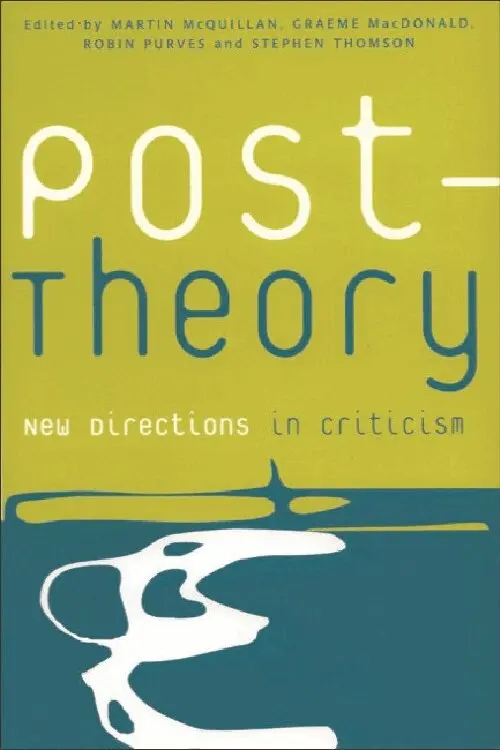
Post-Theory
New Directions in Criticism
Av Martin McQuillan, Robin Purves m. fl.
Häftad, 1999
845 kr
Lägg i varukorg
Post-Theory brings together some of the most prominent figures and rising stars in the field of Critical Theory. Essays consider such issues as: the current state of Critical Theory; the type of work Theory has made possible; and the future of theory. Opening with a Preface by Ernesto Laclau, the …
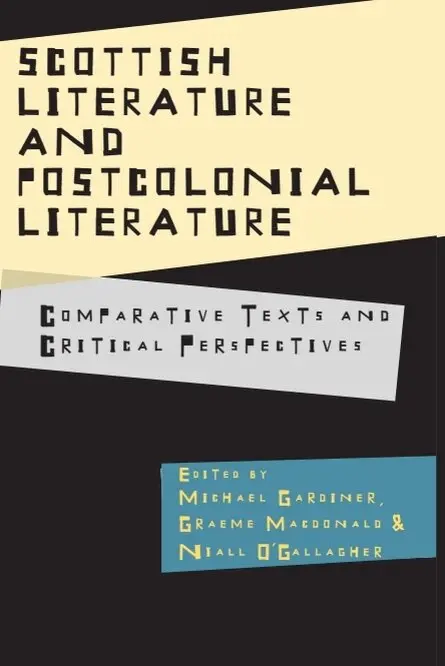
Scottish Literature and Postcolonial Literature
Comparative Texts and Critical Perspectives
Av Michael Gardiner, Graeme Macdonald m. fl.
E-bok, 2011
469 kr
Lägg i varukorg
The first full-length study of Scottish literature using a post-devolutionary understanding of postcolonial studiesUsing a comparative model and spanning over two hundred years of literary history from the 18th Century to the contemporary, this collection of 19 new essays by some of the leading …
Scottish Literature and Postcolonial Literature
Comparative Texts and Critical Perspectives
Av Michael Gardiner, Graeme Macdonald m. fl.
Häftad, 2027
359 kr
Kommande
Using a comparative model and spanning over two hundred years of literary history from the 18th Century to the contemporary, this collection of 19 new essays by some of the leading figures in the field presents a range of perspectives on Scottish and postcolonial writing. The essays explore …
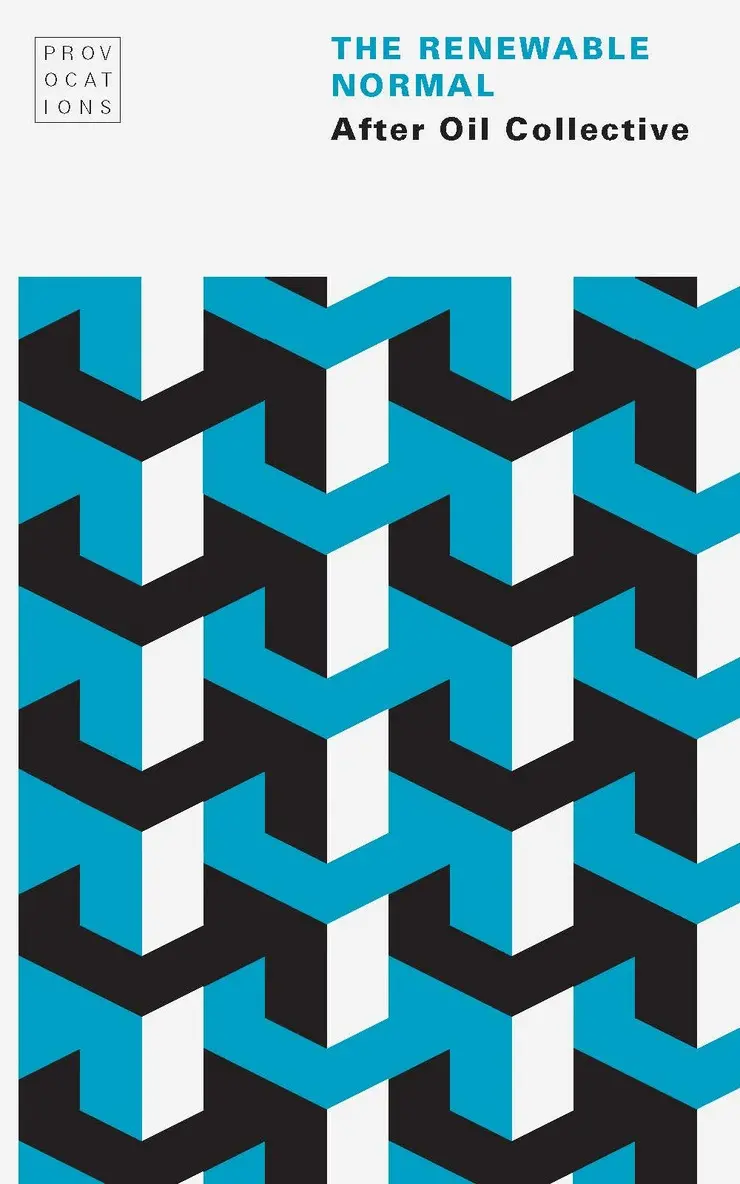
Renewable Normal
Av After Oil Collective, Caleb Wellum m. fl.
Häftad, 2026
259 kr
Lägg i varukorg
The Renewable Normal confronts the aesthetic, affective, and political dimensions of the transition to renewable energy. Written by the After Oil Collective, the book examines how renewable energy is being marshaled to sustain existing systems of inequality and exploitation under a banner of …
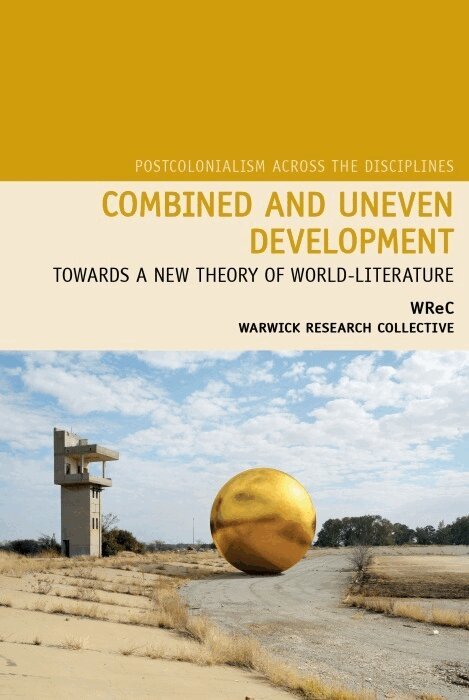
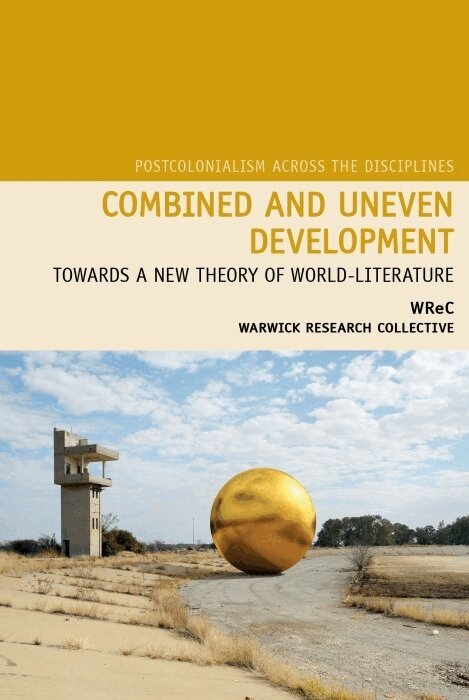
Combined and Uneven Development
Towards a New Theory of World-Literature
Av Sharae Deckard, Nicholas Lawrence m. fl.
Inbunden, 2015
2379 kr
Lägg i varukorg
The ambition of this book is to resituate the problem of ‘world literature’, considered as a revived category of theoretical enquiry, by pursuing the literary-cultural implications of the theory of combined and uneven development. This theory has a long pedigree in the social sciences, where it …
Combined and Uneven Development
Towards a New Theory of World-Literature
Av Sharae Deckard, Nicholas Lawrence m. fl.
Häftad, 2015
581 kr
Lägg i varukorg
The ambition of this book is to resituate the problem of ‘world literature’, considered as a revived category of theoretical enquiry, by pursuing the literary-cultural implications of the theory of combined and uneven development. This theory has a long pedigree in the social sciences, where it …