Greg Patmore - Böcker
Visar alla böcker från författaren Greg Patmore. Handla med fri frakt och snabb leverans.
10 produkter
10 produkter
1 361 kr
Skickas inom 7-10 vardagar
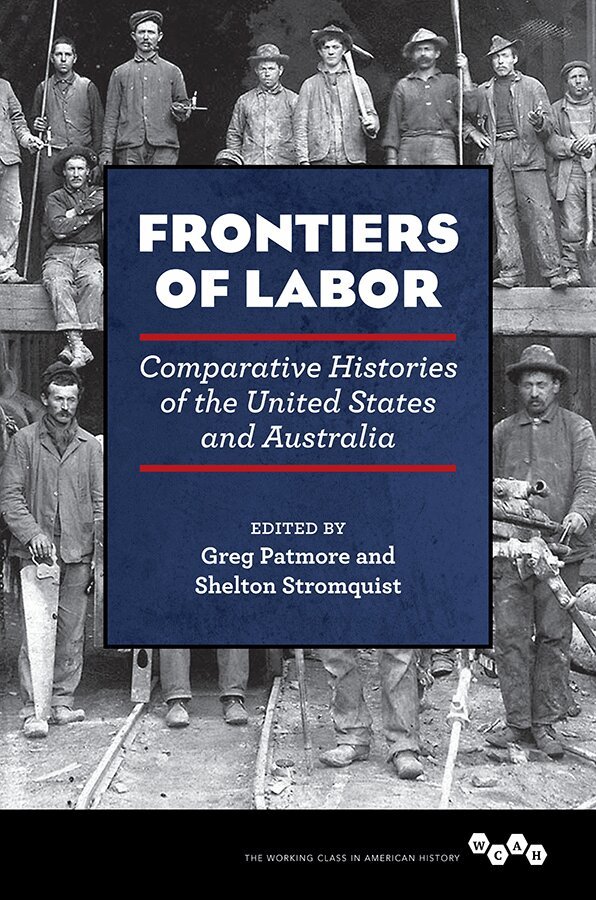
Alike in many aspects of their histories, Australia and the United States diverge in striking ways when it comes to their working classes, labor relations, and politics. Greg Patmore and Shelton Stromquist curate innovative essays that use transnational and comparative analysis to explore the two nations’ differences. The contributors examine five major areas: World War I’s impact on labor and socialist movements; the history of coerced labor; patterns of ethnic and class identification; forms of working-class collective action; and the struggles related to trade union democracy and independent working-class politics. Throughout, many essays highlight how hard-won transnational ties allowed Australians and Americans to influence each other’s trade union and political cultures.Contributors: Robin Archer, Nikola Balnave, James R. Barrett, Bradley Bowden, Verity Burgmann, Robert Cherny, Peter Clayworth, Tom Goyens, Dianne Hall, Benjamin Huf, Jennie Jeppesen, Marjorie A. Jerrard, Jeffrey A. Johnson, Diane Kirkby, Elizabeth Malcolm, Patrick O’Leary, Greg Patmore, Scott Stephenson, Peta Stevenson-Clarke, Shelton Stromquist, and Nathan Wise
332 kr
Skickas inom 7-10 vardagar
Alike in many aspects of their histories, Australia and the United States diverge in striking ways when it comes to their working classes, labor relations, and politics. Greg Patmore and Shelton Stromquist curate innovative essays that use transnational and comparative analysis to explore the two nations’ differences. The contributors examine five major areas: World War I’s impact on labor and socialist movements; the history of coerced labor; patterns of ethnic and class identification; forms of working-class collective action; and the struggles related to trade union democracy and independent working-class politics. Throughout, many essays highlight how hard-won transnational ties allowed Australians and Americans to influence each other’s trade union and political cultures.Contributors: Robin Archer, Nikola Balnave, James R. Barrett, Bradley Bowden, Verity Burgmann, Robert Cherny, Peter Clayworth, Tom Goyens, Dianne Hall, Benjamin Huf, Jennie Jeppesen, Marjorie A. Jerrard, Jeffrey A. Johnson, Diane Kirkby, Elizabeth Malcolm, Patrick O’Leary, Greg Patmore, Scott Stephenson, Peta Stevenson-Clarke, Shelton Stromquist, and Nathan Wise
2 150 kr
Skickas inom 10-15 vardagar
Co-operatives provide a different approach to organising business through their ideals of member ownership and democratic practice. Every co-operative member has an equal vote regardless of his or her own personal capital investment. They take a variety of different forms, including consumer co-operatives, agricultural co-operatives, worker co-operatives and financial co-operatives.Patmore, Balnave and Marjanovic provide a perspective on Australian co-operative development within a conceptual framework and international context since the 1820s by exploring the economic, political and social factors that explain their varying fortunes. Drawing upon the Visual Historical Atlas of Australian Co-operatives, a significant database of Australian co-operatives and a variety of historical sources, this book provides a detailed historical analysis of their development, from their inception in Australia to today. Australian co-operatives were heavily dependent on state sympathy for their growth and vulnerable to ideas that challenged collective organisation such as Neo-liberalism. Despite these challenges, the co-operative business model has persisted and since 2009, there has been resurgence of interest and organisation that may provide a platform for future growth.A useful resource for practitioners, students, educators, policy makers and researchers that highlights a significant alternative business model to the Investor-Owned Business and state enterprise.The Open Access version of this book, available at http://www.taylorfrancis.com, has been made available under a Creative Commons [Attribution-Non Commercial-No Derivatives (CC-BY-NC-ND)] 4.0 license.
649 kr
Skickas inom 10-15 vardagar
Co-operatives provide a different approach to organising business through their ideals of member ownership and democratic practice. Every co-operative member has an equal vote regardless of his or her own personal capital investment. They take a variety of different forms, including consumer co-operatives, agricultural co-operatives, worker co-operatives and financial co-operatives.Patmore, Balnave and Marjanovic provide a perspective on Australian co-operative development within a conceptual framework and international context since the 1820s by exploring the economic, political and social factors that explain their varying fortunes. Drawing upon the Visual Historical Atlas of Australian Co-operatives, a significant database of Australian co-operatives and a variety of historical sources, this book provides a detailed historical analysis of their development, from their inception in Australia to today. Australian co-operatives were heavily dependent on state sympathy for their growth and vulnerable to ideas that challenged collective organisation such as Neo-liberalism. Despite these challenges, the co-operative business model has persisted and since 2009, there has been resurgence of interest and organisation that may provide a platform for future growth.A useful resource for practitioners, students, educators, policy makers and researchers that highlights a significant alternative business model to the Investor-Owned Business and state enterprise.The Open Access version of this book, available at http://www.taylorfrancis.com, has been made available under a Creative Commons [Attribution-Non Commercial-No Derivatives (CC-BY-NC-ND)] 4.0 license.
635 kr
Skickas inom 10-15 vardagar
Consumer co-operatives provide a different approach to organizing business through their ideals of member ownership and democratic practice. Every co-operative member has an equal vote regardless of his or her own personal capital investment. The co-operative movement can also be an important force in promoting development and self-sufficiency in poorer areas, particularly in non-industrialised countries. This book explores in depth the fortunes of the Berkeley Consumer Co-operative, which became the largest consumer co-operative in the United States with 116,000 members in 1984 and viewed nationally as a leader in innovative retail practices and a champion of consumer rights. The Berkeley Consumer Co-operative is promoted by both supporters and opponents of the co-operative business model as a significant example of what can go wrong with the co-operatives. This book will provide the first in depth analysis of the history of the Berkeley Co-operative using its substantial but little used archives and oral histories to explore what the Berkeley experience means for the co-operative business model. The specific chapters relating to Berkeley will be organised around particular themes to highlight the issues relating to the co-operative business model and the local context of Berkeley. The themes relate to developments in Berkeley and the Bay Area in terms of the economy, politics and the retail environment; the management of the Berkeley co-operative, looking at governance, financial management and strategic decisions; relationship of management with members and employees; and finally, the relationship of the Berkeley Co-operative with the community.The core message of the book is that it is not inevitable that consumer co-operatives fail, but that the story of Berkeley story can provide insights that can strengthen the co-operative business model and minimise failures on the scale of Berkeley occurring in the future.
2 150 kr
Skickas inom 10-15 vardagar
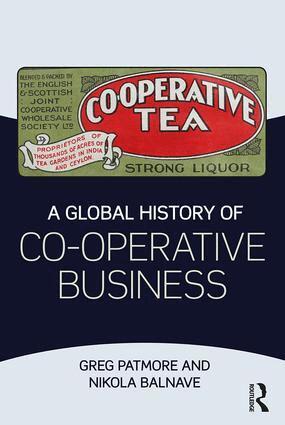
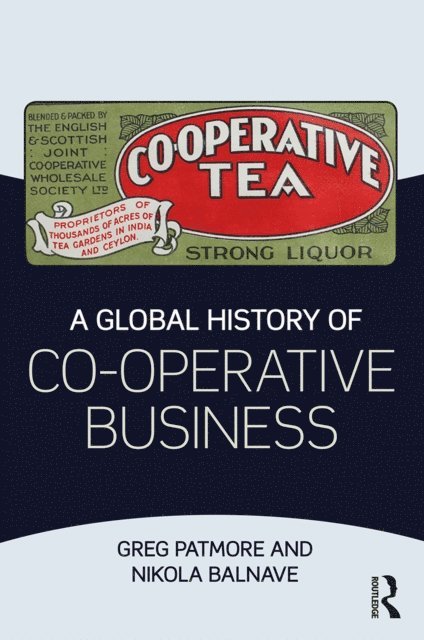
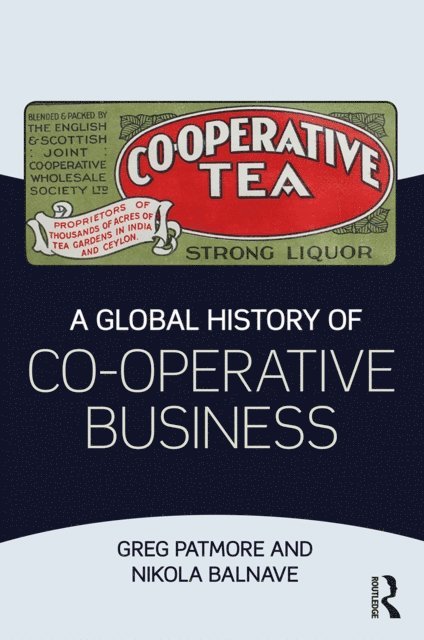
Co-operatives provide a different approach to organizing business through their ideals of member ownership and democratic practice. Every co-operative member has an equal vote regardless of his or her own personal capital investment. The contemporary significance of co-operatives was highlighted by the United Nations declaration of 2012 as the International Year of Co-operatives. This book provides an international perspective on the development of co-operatives since the mid-nineteenth century, exploring the economic, political, and social factors that explain their varying fortunes and transformation into different forms. By looking at what co-operatives are; how they have changed; the developments as well as the persecutions of the co-operative movement; and how it is an important force in promoting development and self-sufficiency in non-industrialized areas, this book provides valuable insight not only to academics, but also to practitioners and policy makers.
593 kr
Skickas inom 10-15 vardagar
Co-operatives provide a different approach to organizing business through their ideals of member ownership and democratic practice. Every co-operative member has an equal vote regardless of his or her own personal capital investment. The contemporary significance of co-operatives was highlighted by the United Nations declaration of 2012 as the International Year of Co-operatives. This book provides an international perspective on the development of co-operatives since the mid-nineteenth century, exploring the economic, political, and social factors that explain their varying fortunes and transformation into different forms. By looking at what co-operatives are; how they have changed; the developments as well as the persecutions of the co-operative movement; and how it is an important force in promoting development and self-sufficiency in non-industrialized areas, this book provides valuable insight not only to academics, but also to practitioners and policy makers.
2 150 kr
Skickas inom 10-15 vardagar
Consumer co-operatives provide a different approach to organizing business through their ideals of member ownership and democratic practice. Every co-operative member has an equal vote regardless of his or her own personal capital investment. The co-operative movement can also be an important force in promoting development and self-sufficiency in poorer areas, particularly in non-industrialised countries. This book explores in depth the fortunes of the Berkeley Consumer Co-operative, which became the largest consumer co-operative in the United States with 116,000 members in 1984 and viewed nationally as a leader in innovative retail practices and a champion of consumer rights. The Berkeley Consumer Co-operative is promoted by both supporters and opponents of the co-operative business model as a significant example of what can go wrong with the co-operatives. This book will provide the first in depth analysis of the history of the Berkeley Co-operative using its substantial but little used archives and oral histories to explore what the Berkeley experience means for the co-operative business model. The specific chapters relating to Berkeley will be organised around particular themes to highlight the issues relating to the co-operative business model and the local context of Berkeley. The themes relate to developments in Berkeley and the Bay Area in terms of the economy, politics and the retail environment; the management of the Berkeley co-operative, looking at governance, financial management and strategic decisions; relationship of management with members and employees; and finally, the relationship of the Berkeley Co-operative with the community.The core message of the book is that it is not inevitable that consumer co-operatives fail, but that the story of Berkeley story can provide insights that can strengthen the co-operative business model and minimise failures on the scale of Berkeley occurring in the future.
Del 5 - Studies in Labour History
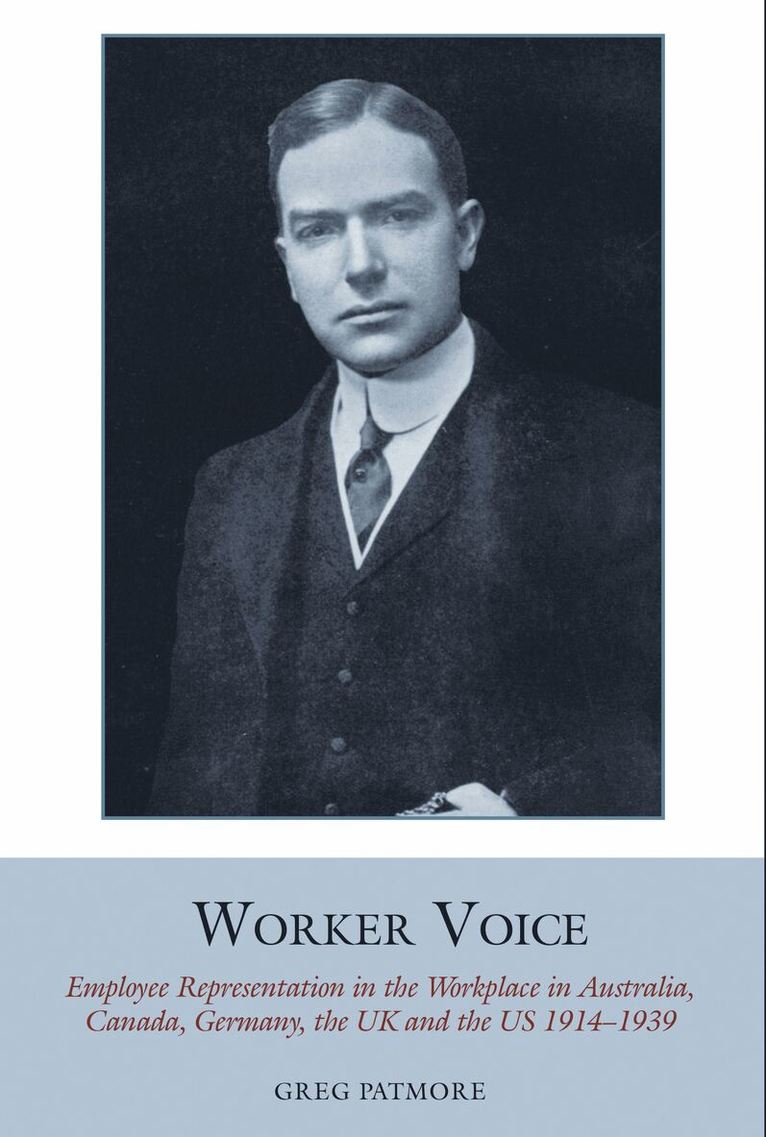
Worker Voice
Employee Representation in the Workplace in Australia, Canada, Germany, the UK and the US 1914-1939
Inbunden, Engelska, 2016
674 kr
Skickas inom 7-10 vardagar
An Open Access edition of this book is available on the Liverpool University Press website and the OAPEN library.This book informs debates about worker participation in the workplace or worker voice by analysing comparative historical data relating to these ideas during the inter-war period in Australia, Canada, Germany, the UK and the US. The issue is topical because of the contemporary shift to a workplace focus in many countries without a corresponding development of infrastructure at the workplace level, and because of the growing ‘representation gap’ as union membership declines. Some commentators have called for the introduction of works councils to address these issues. Other scholars have gone back and examined the experiences with the non-union Employee Representation Plans (ERPs) in Canada and the US. This book will test these claims through examining and comparing the historical record of previous efforts of five countries during a rich period of experimentation between the Wars. In addition to ERPs, the book expands the debate will by examining union-management co-operation, Whitley works committees and German works councils.
509 kr
Tillfälligt slut