Nikola Balnave - Böcker
Visar alla böcker från författaren Nikola Balnave. Handla med fri frakt och snabb leverans.
4 produkter
4 produkter
2 150 kr
Skickas inom 10-15 vardagar
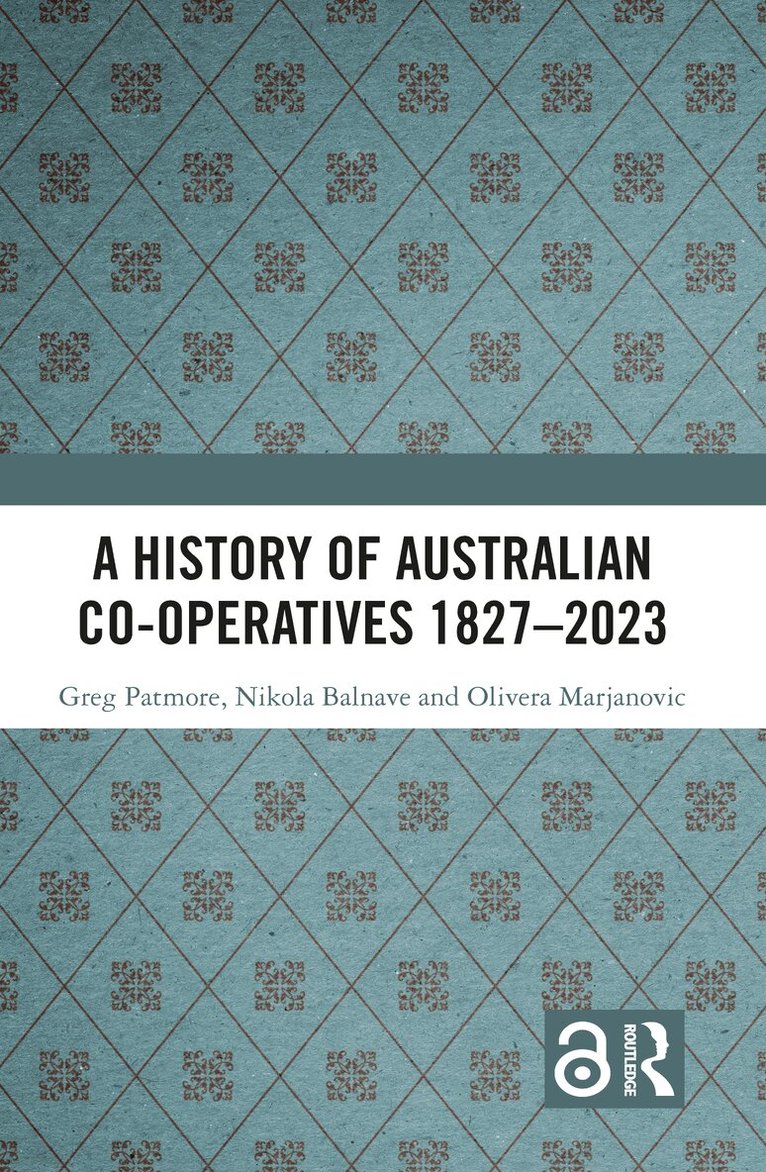
Co-operatives provide a different approach to organising business through their ideals of member ownership and democratic practice. Every co-operative member has an equal vote regardless of his or her own personal capital investment. They take a variety of different forms, including consumer co-operatives, agricultural co-operatives, worker co-operatives and financial co-operatives.Patmore, Balnave and Marjanovic provide a perspective on Australian co-operative development within a conceptual framework and international context since the 1820s by exploring the economic, political and social factors that explain their varying fortunes. Drawing upon the Visual Historical Atlas of Australian Co-operatives, a significant database of Australian co-operatives and a variety of historical sources, this book provides a detailed historical analysis of their development, from their inception in Australia to today. Australian co-operatives were heavily dependent on state sympathy for their growth and vulnerable to ideas that challenged collective organisation such as Neo-liberalism. Despite these challenges, the co-operative business model has persisted and since 2009, there has been resurgence of interest and organisation that may provide a platform for future growth.A useful resource for practitioners, students, educators, policy makers and researchers that highlights a significant alternative business model to the Investor-Owned Business and state enterprise.The Open Access version of this book, available at http://www.taylorfrancis.com, has been made available under a Creative Commons [Attribution-Non Commercial-No Derivatives (CC-BY-NC-ND)] 4.0 license.
649 kr
Skickas inom 10-15 vardagar
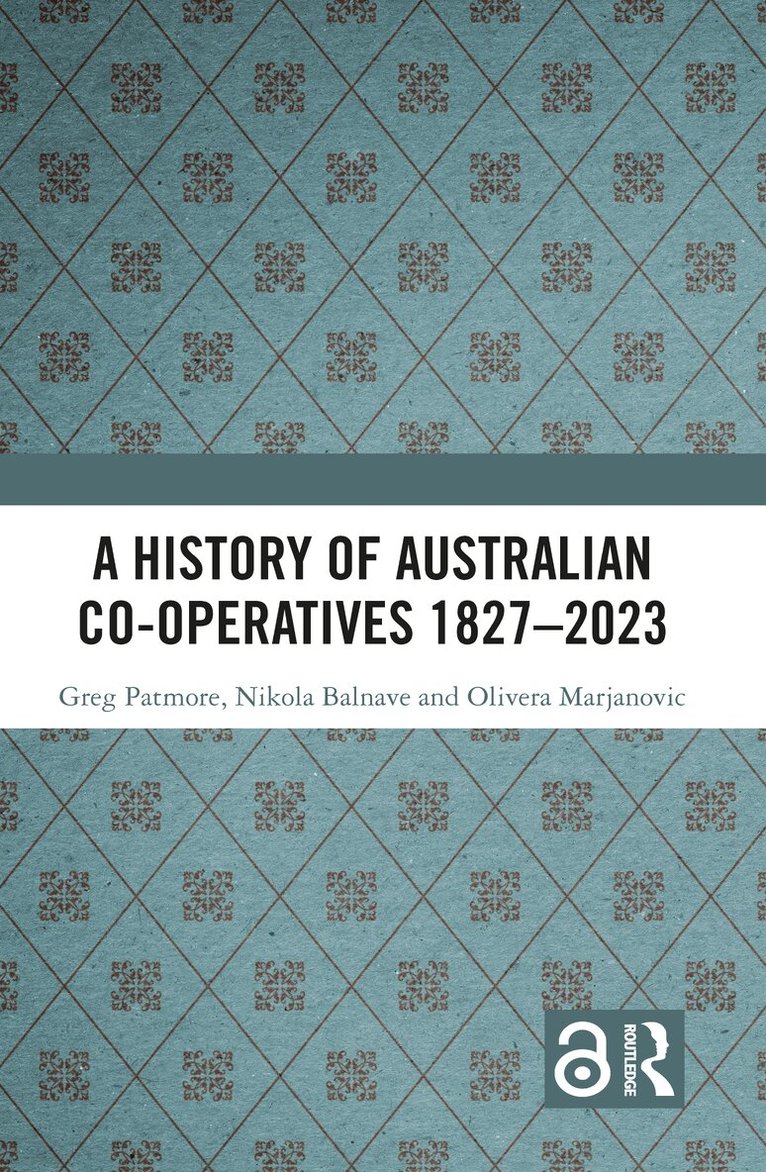
Co-operatives provide a different approach to organising business through their ideals of member ownership and democratic practice. Every co-operative member has an equal vote regardless of his or her own personal capital investment. They take a variety of different forms, including consumer co-operatives, agricultural co-operatives, worker co-operatives and financial co-operatives.Patmore, Balnave and Marjanovic provide a perspective on Australian co-operative development within a conceptual framework and international context since the 1820s by exploring the economic, political and social factors that explain their varying fortunes. Drawing upon the Visual Historical Atlas of Australian Co-operatives, a significant database of Australian co-operatives and a variety of historical sources, this book provides a detailed historical analysis of their development, from their inception in Australia to today. Australian co-operatives were heavily dependent on state sympathy for their growth and vulnerable to ideas that challenged collective organisation such as Neo-liberalism. Despite these challenges, the co-operative business model has persisted and since 2009, there has been resurgence of interest and organisation that may provide a platform for future growth.A useful resource for practitioners, students, educators, policy makers and researchers that highlights a significant alternative business model to the Investor-Owned Business and state enterprise.The Open Access version of this book, available at http://www.taylorfrancis.com, has been made available under a Creative Commons [Attribution-Non Commercial-No Derivatives (CC-BY-NC-ND)] 4.0 license.
2 150 kr
Skickas inom 10-15 vardagar
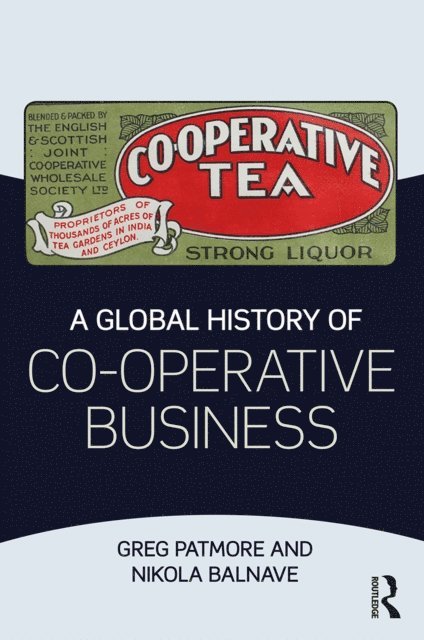
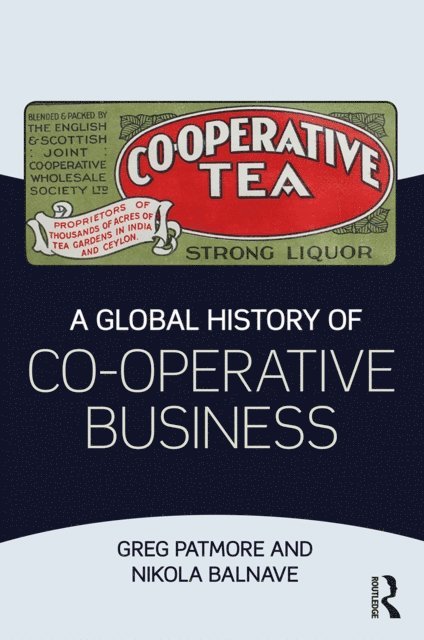
Co-operatives provide a different approach to organizing business through their ideals of member ownership and democratic practice. Every co-operative member has an equal vote regardless of his or her own personal capital investment. The contemporary significance of co-operatives was highlighted by the United Nations declaration of 2012 as the International Year of Co-operatives. This book provides an international perspective on the development of co-operatives since the mid-nineteenth century, exploring the economic, political, and social factors that explain their varying fortunes and transformation into different forms. By looking at what co-operatives are; how they have changed; the developments as well as the persecutions of the co-operative movement; and how it is an important force in promoting development and self-sufficiency in non-industrialized areas, this book provides valuable insight not only to academics, but also to practitioners and policy makers.
593 kr
Skickas inom 10-15 vardagar
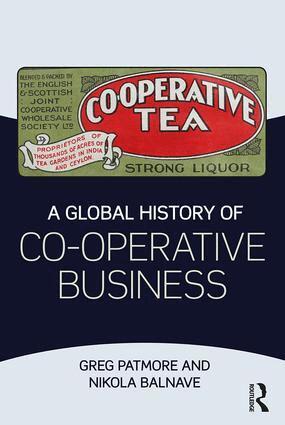
Co-operatives provide a different approach to organizing business through their ideals of member ownership and democratic practice. Every co-operative member has an equal vote regardless of his or her own personal capital investment. The contemporary significance of co-operatives was highlighted by the United Nations declaration of 2012 as the International Year of Co-operatives. This book provides an international perspective on the development of co-operatives since the mid-nineteenth century, exploring the economic, political, and social factors that explain their varying fortunes and transformation into different forms. By looking at what co-operatives are; how they have changed; the developments as well as the persecutions of the co-operative movement; and how it is an important force in promoting development and self-sufficiency in non-industrialized areas, this book provides valuable insight not only to academics, but also to practitioners and policy makers.