Gren Ireson – författare
1 613 kr
Läs direkt efter köp
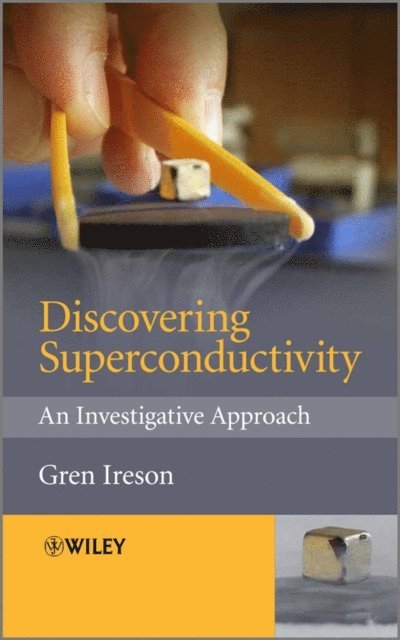
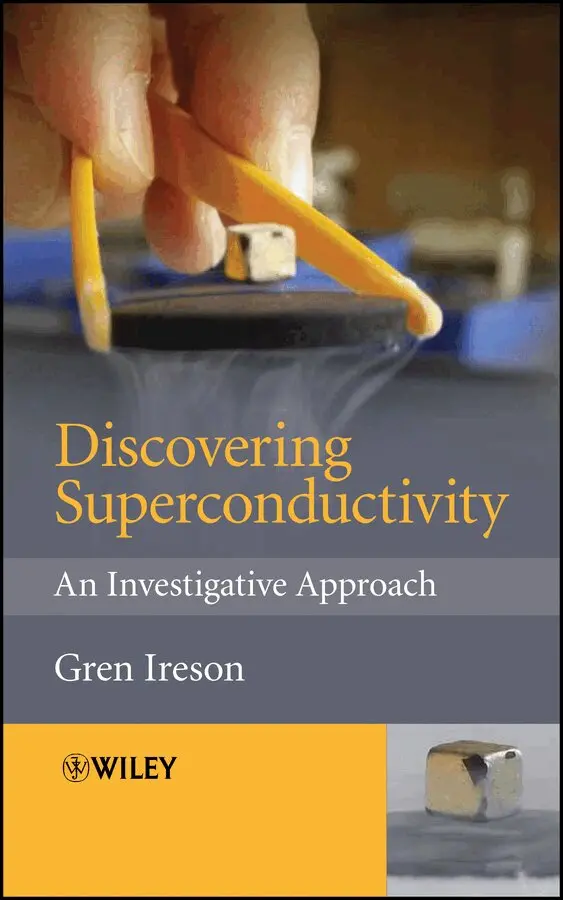
Discovering Superconductivity uses a series of practical and investigative activities, which can be used as tutor demonstrations or as student lab exercises.
This highly illustrated text features the following sections:
Introduction - including a brief history of superconductivity Superconductivity - an explanation of the phenomenon and its effects Superconducting materials – including High & Low temperature superconductors Applications – how superconductivity is used in medical imaging, at CERN and in the Maglev trainsThis text will serve as an excellent introduction for students, with or without a physics background, to superconductivity. With a strong practical, experimental emphasis, it provides readers with an overview of the topic preparing them for more advanced texts used in advanced undergraduate and post-graduate courses.
PowerPoint files of the figures presented within this text are available at: booksupport.wiley.com
A word from the author: "The intention of this text is to introduce the reader to the study of superconductivity via a minds-on approach .... The minds-on approach takes this a stage further by requiring the learner to engage with the process to a greater extent."
617 kr
Läs direkt efter köp
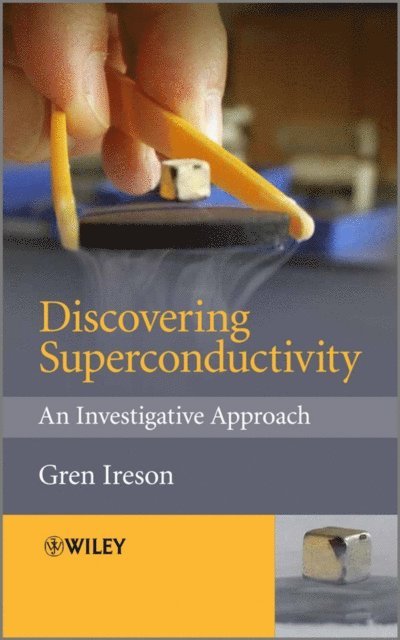
Discovering Superconductivity uses a series of practical and investigative activities, which can be used as tutor demonstrations or as student lab exercises.
This highly illustrated text features the following sections:
Introduction - including a brief history of superconductivity Superconductivity - an explanation of the phenomenon and its effects Superconducting materials – including High & Low temperature superconductors Applications – how superconductivity is used in medical imaging, at CERN and in the Maglev trainsThis text will serve as an excellent introduction for students, with or without a physics background, to superconductivity. With a strong practical, experimental emphasis, it provides readers with an overview of the topic preparing them for more advanced texts used in advanced undergraduate and post-graduate courses.
PowerPoint files of the figures presented within this text are available at: booksupport.wiley.com
A word from the author: "The intention of this text is to introduce the reader to the study of superconductivity via a minds-on approach .... The minds-on approach takes this a stage further by requiring the learner to engage with the process to a greater extent."
2 888 kr
Skickas inom 10-15 vardagar
610 kr
Skickas inom 10-15 vardagar
686 kr
Läs direkt efter köp
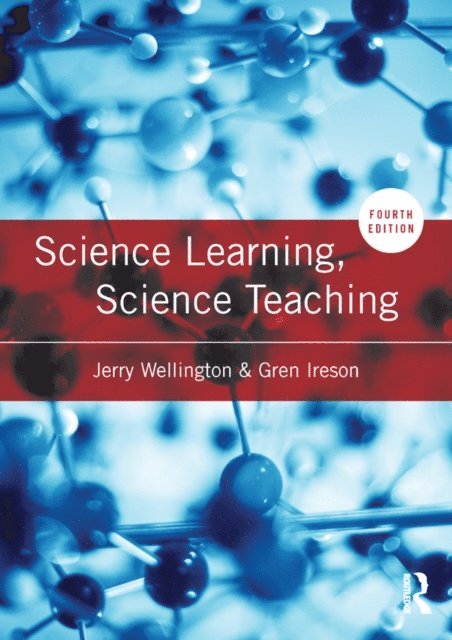
Now fully updated in its fourth edition, Science Learning, Science Teaching offers an accessible, practical guide to creative classroom teaching and a comprehensive introduction to contemporary issues in science education. Aiming to encourage and assist professionals with the process of reflection in the science classroom, the new edition re-examines the latest advances in the field and changes to the curriculum, and explores the use of mobile technology and coding, and its impact on ICT in science education.
With extra tasks integrated throughout the book and a brand new chapter, ‘Working scientifically’, to help develop learners’ investigative skills, key topics include:
• The art and craft of science teaching.
• The science curriculum and science in the curriculum.
• Planning and managing learning.
• Inclusive science education.
• Laboratory safety in science learning and teaching.
• Language and numeracy in science teaching and learning.
• Computers and computing in science education.
• Citizenship and sustainability in science education.
Including points for reflection and useful information about further reading and recommended websites, Science Learning, Science Teaching is an essential source of support, guidance and inspiration for all students, teachers, mentors and those involved in science education wishing to reflect upon, improve and enrich their practice.
686 kr
Läs direkt efter köp
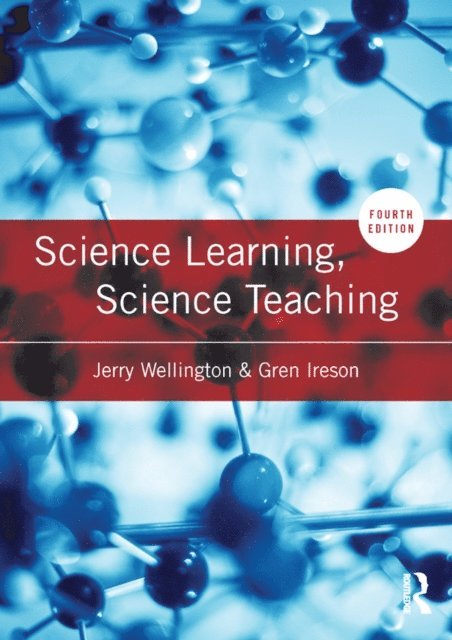
Now fully updated in its fourth edition, Science Learning, Science Teaching offers an accessible, practical guide to creative classroom teaching and a comprehensive introduction to contemporary issues in science education. Aiming to encourage and assist professionals with the process of reflection in the science classroom, the new edition re-examines the latest advances in the field and changes to the curriculum, and explores the use of mobile technology and coding, and its impact on ICT in science education.
With extra tasks integrated throughout the book and a brand new chapter, ‘Working scientifically’, to help develop learners’ investigative skills, key topics include:
• The art and craft of science teaching.
• The science curriculum and science in the curriculum.
• Planning and managing learning.
• Inclusive science education.
• Laboratory safety in science learning and teaching.
• Language and numeracy in science teaching and learning.
• Computers and computing in science education.
• Citizenship and sustainability in science education.
Including points for reflection and useful information about further reading and recommended websites, Science Learning, Science Teaching is an essential source of support, guidance and inspiration for all students, teachers, mentors and those involved in science education wishing to reflect upon, improve and enrich their practice.
534 kr
Läs direkt efter köp
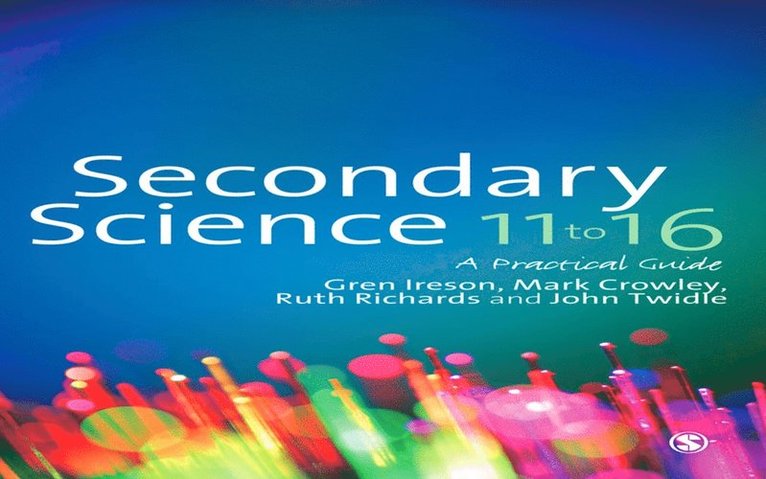
Full of suggestions for exciting practical work to engage children, this book addresses and explains the science behind the experiments, and emphasises the need to engage the learner through minds-on activities. It shows you where to make links to the national curricula in England, Scotland, Wales and Northern Ireland, and it covers the three sciences: chemistry, biology and physics. The detailed subject knowledge helps you grasp key concepts, and there are lots of useful diagrams to illustrate important points.
Experiments include:
- extracting DNA from a kiwi fruit
- capturing rainbows
- the chromatography of sweets
- removing iron from cornflakes
- a plate tectonic jigsaw
These practical activities will provide you with ways to ensure your students respond enthusiastically to science, and the book will also help you develop your subject knowledge and ensure you meet your Qualified Teacher Status (QTS) standards. Perfect reading for Secondary Science PGCE students, as well as those on the Graduate Teacher Programme (GTP), this book is also ideal for non-specialists who are looking for support as they get to grips with the sciences.
Gren Ireson is Professor of Science Education at Nottingham Trent University. Mark Crowley is a Teaching Research Fellow in the Centre for Effective Learning in Science, Nottingham Trent University. Ruth Richards is Subject Strand Leader for the PGCE and Subject Knowledge Enhancement (SKE) courses in Science at Nottingham Trent University, and an examiner for A-level Geology. John Twidle is Subject Leader for the PGCE and MSc Science programmes at Loughborough University.
1 308 kr
Skickas inom 3-6 vardagar
Full of suggestions for exciting practical work to engage children, this book addresses and explains the science behind the experiments, and emphasises the need to engage the learner through minds-on activities. It shows you where to make links to the national curricula in England, Scotland, Wales and Northern Ireland, and it covers the three sciences: chemistry, biology and physics. The detailed subject knowledge helps you grasp key concepts, and there are lots of useful diagrams to illustrate important points.
Experiments include:
- extracting DNA from a kiwi fruit
- capturing rainbows
- the chromatography of sweets
- removing iron from cornflakes
- a plate tectonic jigsaw
These practical activities will provide you with ways to ensure your students respond enthusiastically to science, and the book will also help you develop your subject knowledge and ensure you meet your Qualified Teacher Status (QTS) standards. Perfect reading for Secondary Science PGCE students, as well as those on the Graduate Teacher Programme (GTP), this book is also ideal for non-specialists who are looking for support as they get to grips with the sciences.
Gren Ireson is Professor of Science Education at Nottingham Trent University. Mark Crowley is a Teaching Research Fellow in the Centre for Effective Learning in Science, Nottingham Trent University. Ruth Richards is Subject Strand Leader for the PGCE and Subject Knowledge Enhancement (SKE) courses in Science at Nottingham Trent University, and an examiner for A-level Geology. John Twidle is Subject Leader for the PGCE and MSc Science programmes at Loughborough University.
415 kr
Tillfälligt slut
2 134 kr
Tillfälligt slut
Full of suggestions for exciting practical work to engage children, this book addresses and explains the science behind the experiments, and emphasises the need to engage the learner through minds-on activities. It shows you where to make links to the national curricula in England, Scotland, Wales and Northern Ireland, and it covers the three sciences: chemistry, biology and physics. The detailed subject knowledge helps you grasp key concepts, and there are lots of useful diagrams to illustrate important points.
Experiments include:
- extracting DNA from a kiwi fruit
- capturing rainbows
- the chromatography of sweets
- removing iron from cornflakes
- a plate tectonic jigsaw
These practical activities will provide you with ways to ensure your students respond enthusiastically to science, and the book will also help you develop your subject knowledge and ensure you meet your Qualified Teacher Status (QTS) standards. Perfect reading for Secondary Science PGCE students, as well as those on the Graduate Teacher Programme (GTP), this book is also ideal for non-specialists who are looking for support as they get to grips with the sciences.
Gren Ireson is Professor of Science Education at Nottingham Trent University. Mark Crowley is a Teaching Research Fellow in the Centre for Effective Learning in Science, Nottingham Trent University. Ruth Richards is Subject Strand Leader for the PGCE and Subject Knowledge Enhancement (SKE) courses in Science at Nottingham Trent University, and an examiner for A-level Geology. John Twidle is Subject Leader for the PGCE and MSc Science programmes at Loughborough University.