Gunn Imsen - Böcker
Visar alla böcker från författaren Gunn Imsen. Handla med fri frakt och snabb leverans.
3 produkter
3 produkter
486 kr
Skickas
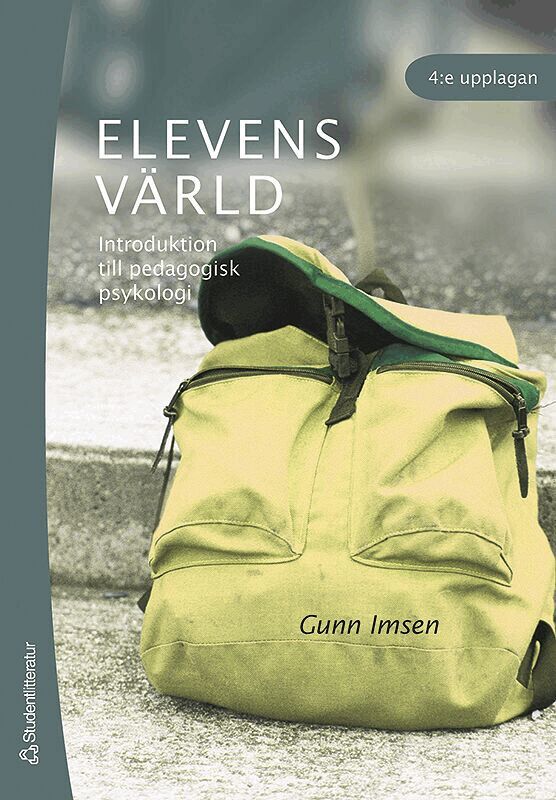
Den här boken handlar om hur det är att vara ung i dagens skola och samhälle, om hur det allt mer teknifierade och konkurrenspräglade samhällsklimatet påverkar elevers lärande och upplevelser av skolan. I den här fjärde omarbetade upplagan fokuserar författaren på de fyra teoritraditionerna behavioristisk, kognitiv, konstruktivistisk och sociokulturell teori och hur de har relevans för skolans arbete. Teorierna illustreras med konkreta och levande exempel från skolans vardag. Temat om socialisering har fått ökar utrymme i jämförelse med tidigare utgåvor tillsammans med frågor individualiserad undervisning bl.a. enligt Vygotskijs teorier om närmaste utvecklingszon. Författaren lyfter också ett antal kritiska frågor om ensidighet i pedagogiskt tänkande och arbete. Hon argumenterar för balans och helhet i utformningen av uppfostran, utbildning och skolans läromiljöer. Boken, som är en klassiker inom området pedagogisk psykologi vänder sig till studenter på lärarutbildning och pedagogik samt verksamma lärare.
1 538 kr
Skickas inom 10-15 vardagar
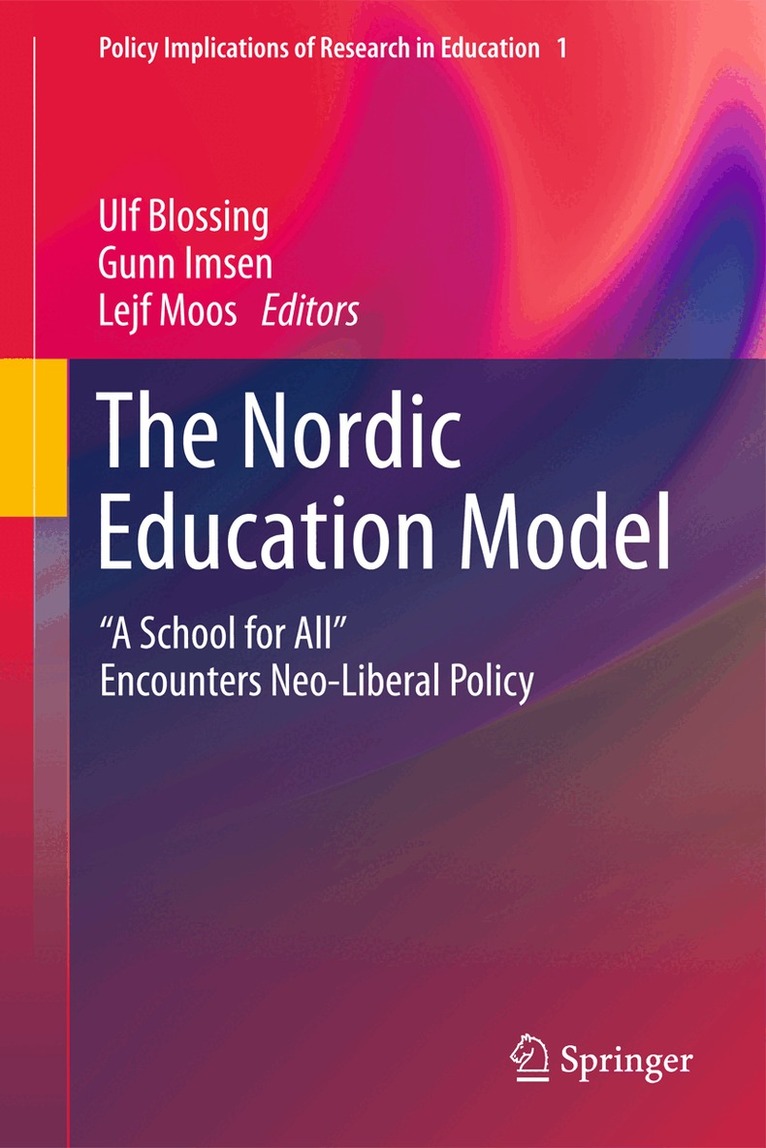
This book presents a detailed analysis of the educational model in Nordic European countries. It describes the traditional idea of education for all, which can be characterized by the right for every child to have an education of equal quality in a common school for all pupils regardless of social class, abilities, gender, or ethnicity. Against this background, The Nordic Education Model traces the rise of neo-liberal policies that have been enacted by those who believe the School for All ideology does not produce the knowledge and skills that students need to succeed in an increasingly competitive and global marketplace. It examines the conflict between these two ideas and shows how neo-liberal technologies affect the Nordic model in different ways.The authors also show how social technologies are being interpreted in different ways in actual school practices. This process of translating national regulations into internal sense builds on the values in the culture to which they are introduced. In the end, this book reveals that a Nordic model can constitute a delicate balance between traditional values, institutionalized practices, and contemporary, neo-liberal forms of governance and policies. It may be argued from a new institutional perspective that the main structures of the Nordic educational model will sustain as long as the deeply rooted Nordic culture survives in the globalised society.
1 538 kr
Skickas inom 10-15 vardagar
This book presents a detailed analysis of the educational model in Nordic European countries. It describes the traditional idea of education for all, which can be characterized by the right for every child to have an education of equal quality in a common school for all pupils regardless of social class, abilities, gender, or ethnicity. Against this background, The Nordic Education Model traces the rise of neo-liberal policies that have been enacted by those who believe the School for All ideology does not produce the knowledge and skills that students need to succeed in an increasingly competitive and global marketplace. It examines the conflict between these two ideas and shows how neo-liberal technologies affect the Nordic model in different ways.The authors also show how social technologies are being interpreted in different ways in actual school practices. This process of translating national regulations into internal sense builds on the values in the culture to which they are introduced. In the end, this book reveals that a Nordic model can constitute a delicate balance between traditional values, institutionalized practices, and contemporary, neo-liberal forms of governance and policies. It may be argued from a new institutional perspective that the main structures of the Nordic educational model will sustain as long as the deeply rooted Nordic culture survives in the globalised society.