Günter Dinhobl – författare
Visar alla böcker från författaren Günter Dinhobl. Handla med fri frakt och snabb leverans.
6 produkter
Across the Borders
Financing the World's Railways in the Nineteenth and Twentieth Centuries
Inbunden, 2008
2578 kr
Lägg i varukorg
Until now we have only had relatively narrow economic studies comparing investments in railways with investments in other fields of individual economies. 'Across the Borders' not only opens the door for fundamental new insights into a trans-national view of railway history, but also contributes to …
Across the Borders
Financing the World's Railways in the Nineteenth and Twentieth Centuries
Häftad, 2016
894 kr
Lägg i varukorg
Until now we have only had relatively narrow economic studies comparing investments in railways with investments in other fields of individual economies. 'Across the Borders' not only opens the door for fundamental new insights into a trans-national view of railway history, but also contributes to …
Across the Borders
Financing the World''s Railways in the Nineteenth and Twentieth Centuries
E-bok, 2017
1052 kr
Lägg i varukorg
Until now we have only had relatively narrow economic studies comparing investments in railways with investments in other fields of individual economies. ''Across the Borders'' not only opens the door for fundamental new insights into a trans-national view of railway history, but also contributes …
Across the Borders
Financing the World''s Railways in the Nineteenth and Twentieth Centuries
E-bok, 2017
1052 kr
Lägg i varukorg
Until now we have only had relatively narrow economic studies comparing investments in railways with investments in other fields of individual economies. ''Across the Borders'' not only opens the door for fundamental new insights into a trans-national view of railway history, but also contributes …
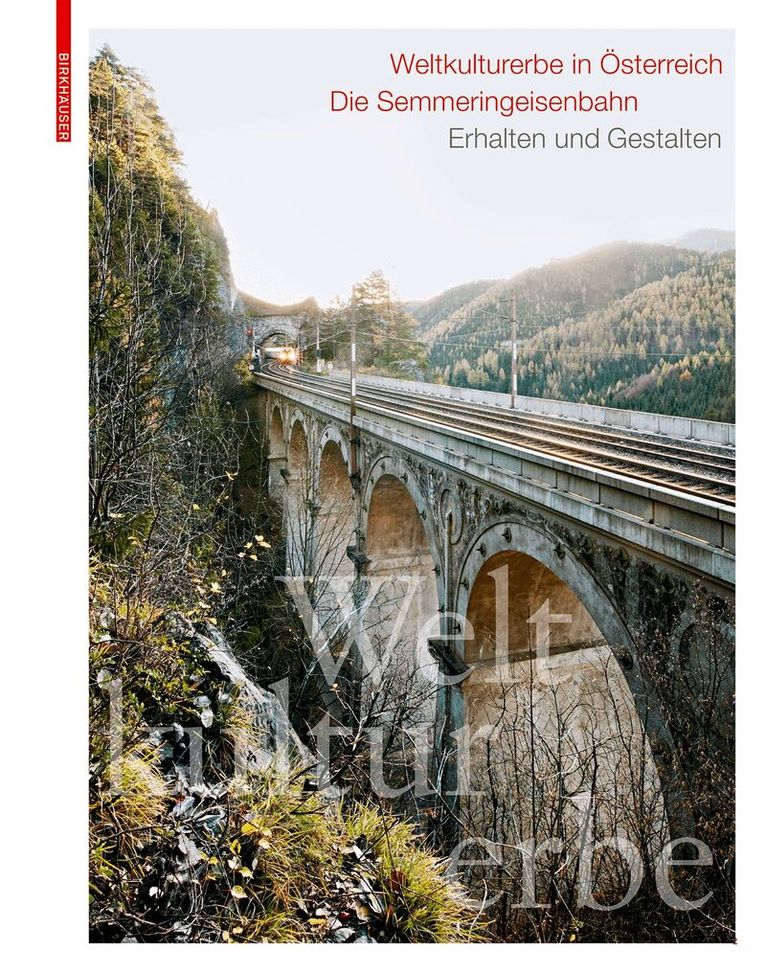
Weltkulturerbe in Österreich – Die Semmeringeisenbahn
Erhalten und Gestalten
Av Toni Häfliger, Günter Dinhobl
Inbunden, 2021
473 kr
Lägg i varukorg
Austria’s Semmering Railway is regarded as a milestone in the history of railway construction. When it opened in 1854, it demonstrated the feasibility of building railways through even ruggedly mountainous regions. With the ongoing construction of the Semmering Base Tunnel to relieve the historic …
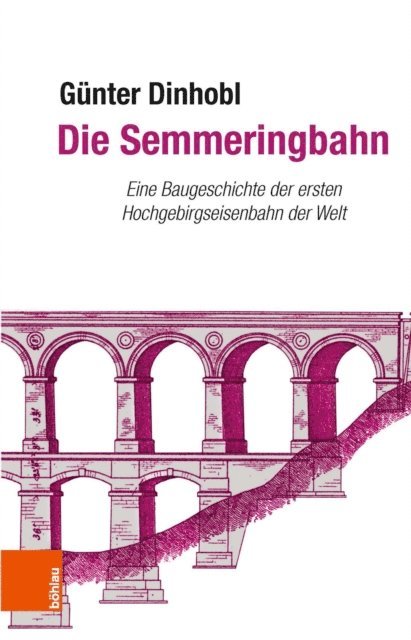
Die Semmeringbahn
Eine Baugeschichte der ersten Hochgebirgseisenbahn der Welt
E-bok, 2018
349 kr
Lägg i varukorg
Die in den Jahren 1848 bis 1854 unter der Leitung von Carl Ritter von Ghega errichtete Eisenbahn über den Semmering ging als erste Hochgebirgseisenbahn der Welt in die Geschichte ein. Der einzigartige Wert dieses Teilstückes der Südbahn von Wien nach Triest liegt in den ingenieurstechnischen …