Gustav Wollentz – författare
Visar alla böcker från författaren Gustav Wollentz. Handla med fri frakt och snabb leverans.
4 produkter
4 produkter
Häftad, Engelska, 2020
466 kr
Skickas
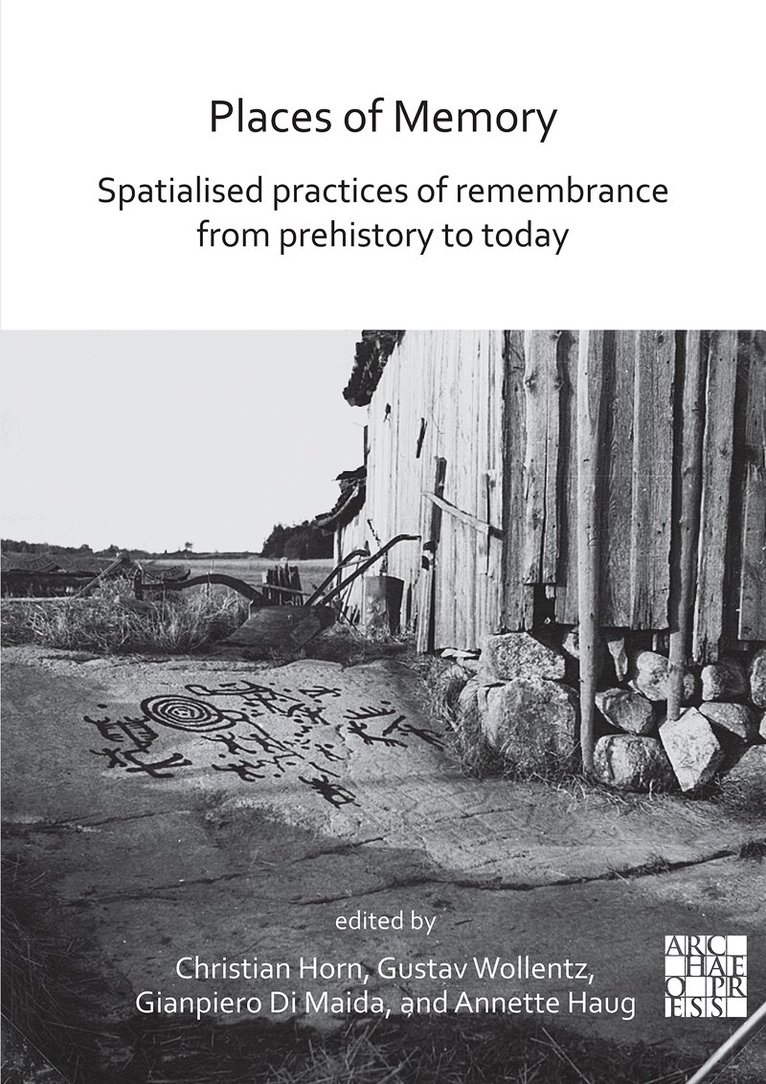
Places of Memory takes a new look at spatialised practices of remembrance and its role in reshaping societies from prehistory to today, gathering researchers representing diverse but complementary fields of expertise. This diachronic outlook provides important insights into the great variety of human and social reactions examining memory, encompassing aspects of remembering, the loss of memory, reclaiming memories, and remembering things that may not have happened. The contributions to this volume expand upon Pierre Nora’s concept of lieux des memoire (places of memory) and the notion that memory is not just stored in these places but activated through human engagement. The volume presents a reflection on the creation of memories through the organisation and use of landscapes and spaces that explicitly considers the multiplicity of meanings of the past. Thus, social identities were created, reaffirmed, strengthened, and transformed through the founding, change, and reorganization of places and spaces of memory in the cultural landscape.
Inbunden, Engelska, 2020
1 192 kr
Skickas inom 10-15 vardagar
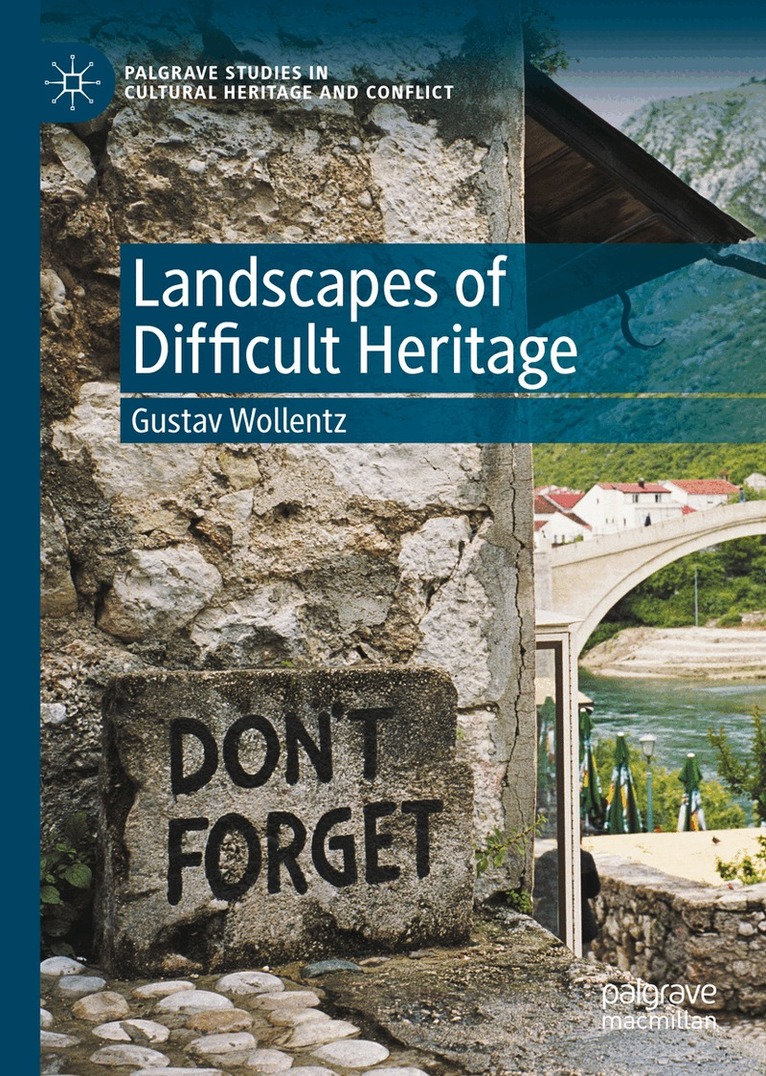
This book studies how people negotiate difficult heritage within their everyday lives, focusing on memory, belonging, and identity. The starting point for the examination is that temporalities lie at the core of understanding this negotiation and that the connection between temporalities and difficult heritage remains poorly understood and theorized in previous research. In order to fully explore the temporalities of difficult heritage, the book investigates places in which the incident of violence originated within different time periods. It examines one example of modern violence (Mostar in Bosnia and Herzegovina), one example of where the associated incident occurred during medieval times (the Gazimestan monument in Kosovo), and one example of prehistoric violence (Sandby borg in Sweden). The book presents new theoretical perspectives andprovides suggestions for developing sites of difficult heritage, and will thus be relevant for academic researchers, students, and heritage professionals.
E-bok
Engelska, 20201 575 kr
Läs direkt efter köp
This book studies how people negotiate difficult heritage within their everyday lives, focusing on memory, belonging, and identity. The starting point for the examination is that temporalities lie at the core of understanding this negotiation and that the connection between temporalities and difficult heritage remains poorly understood and theorized in previous research. In order to fully explore the temporalities of difficult heritage, the book investigates places in which the incident of violence originated within different time periods. It examines one example of modern violence (Mostar in Bosnia and Herzegovina), one example of where the associated incident occurred during medieval times (the Gazimestan monument in Kosovo), and one example of prehistoric violence (Sandby borg in Sweden). The book presents new theoretical perspectives andprovides suggestions for developing sites of difficult heritage, and will thus be relevant for academic researchers, students, and heritage professionals.
Häftad, Engelska, 2021
1 192 kr
Skickas inom 10-15 vardagar
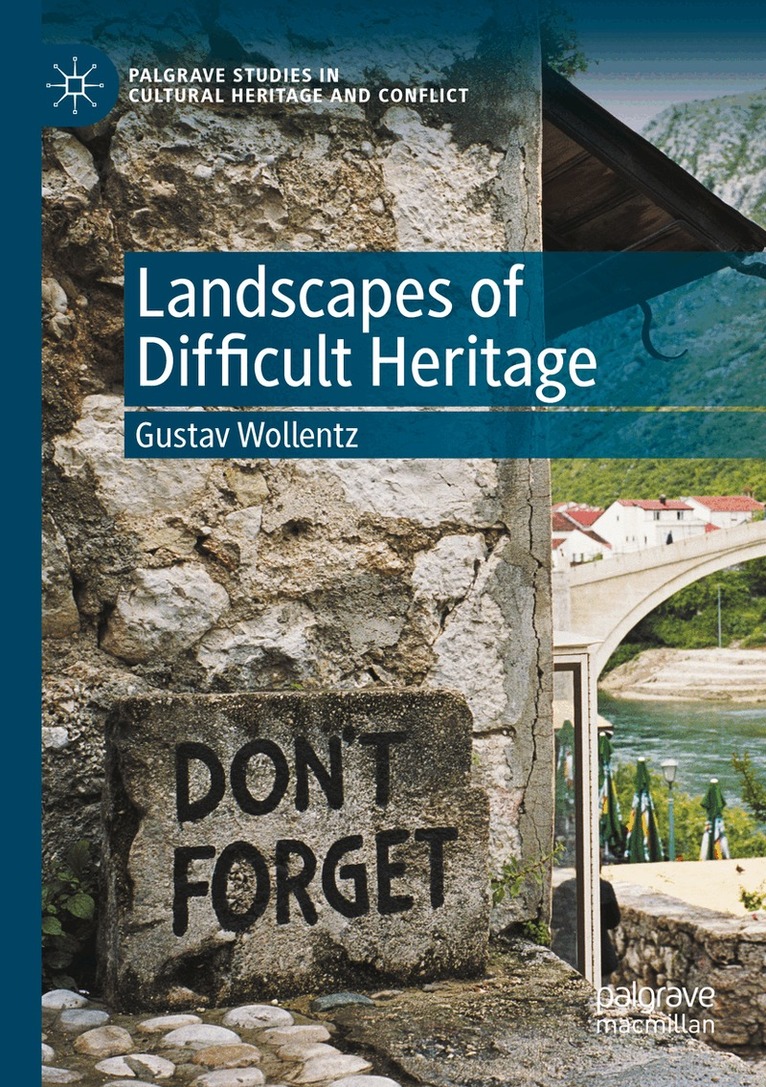
This book studies how people negotiate difficult heritage within their everyday lives, focusing on memory, belonging, and identity. The starting point for the examination is that temporalities lie at the core of understanding this negotiation and that the connection between temporalities and difficult heritage remains poorly understood and theorized in previous research. In order to fully explore the temporalities of difficult heritage, the book investigates places in which the incident of violence originated within different time periods. It examines one example of modern violence (Mostar in Bosnia and Herzegovina), one example of where the associated incident occurred during medieval times (the Gazimestan monument in Kosovo), and one example of prehistoric violence (Sandby borg in Sweden). The book presents new theoretical perspectives andprovides suggestions for developing sites of difficult heritage, and will thus be relevant for academic researchers, students, and heritage professionals.