Guy Starkey – författare
575 kr
Läs direkt efter köp
546 kr
Skickas inom 10-15 vardagar
734 kr
Läs direkt efter köp
1 676 kr
Skickas inom 10-15 vardagar
530 kr
Läs direkt efter köp
494 kr
Skickas inom 10-15 vardagar
546 kr
Skickas inom 10-15 vardagar
2 410 kr
Skickas inom 10-15 vardagar
572 kr
Skickas inom 10-15 vardagar
673 kr
Läs direkt efter köp
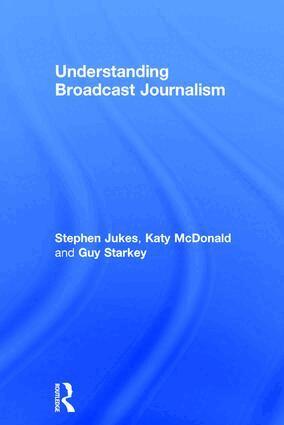
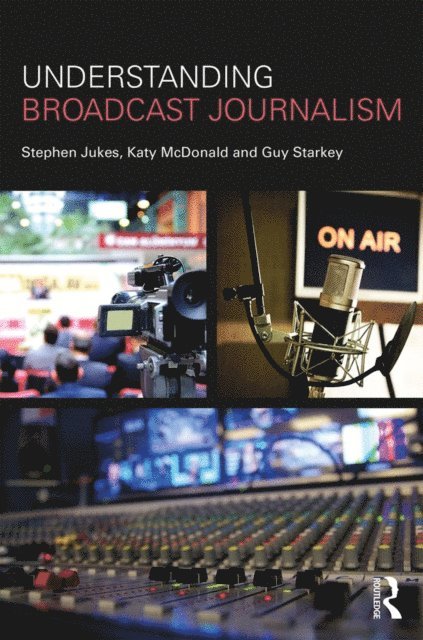
Understanding Broadcast Journalism presents an insightful exploration of broadcast journalism today; its characteristics, motivations, methods and paradigms. The authors balance discussions of industry practice with critical examinations of content, across television, radio and associated multiplatform journalism. They highlight key issues including ownership and shifting regulatory environments, the revolutionary role of user-generated-content and digital convergence, and coverage of global issues by rolling news services.
Chapters include:
• a brief history of broadcasting;
• an overview of recent commercial challenges in the news industry and the impact on television news;
• current trends in the running of local radio stations, with particular focus on the rise of ‘hubbing’;
• the ethics of broadcast journalism;
• the significance of international broadcasters including the BBC, CNN and Al-Jazeera.
The book identifies how the dissemination of broadcast journalism is evolving, whilst also arguing for the continued resilience of this industry now and in the future, making the case that journalistic storytelling remains at its most effective in broadcast environments. Professional journalists and students of media studies and journalism will find this a timely and thought-provoking intervention, which will help to inform their professional practice and research.
673 kr
Läs direkt efter köp
Understanding Broadcast Journalism presents an insightful exploration of broadcast journalism today; its characteristics, motivations, methods and paradigms. The authors balance discussions of industry practice with critical examinations of content, across television, radio and associated multiplatform journalism. They highlight key issues including ownership and shifting regulatory environments, the revolutionary role of user-generated-content and digital convergence, and coverage of global issues by rolling news services.
Chapters include:
• a brief history of broadcasting;
• an overview of recent commercial challenges in the news industry and the impact on television news;
• current trends in the running of local radio stations, with particular focus on the rise of ‘hubbing’;
• the ethics of broadcast journalism;
• the significance of international broadcasters including the BBC, CNN and Al-Jazeera.
The book identifies how the dissemination of broadcast journalism is evolving, whilst also arguing for the continued resilience of this industry now and in the future, making the case that journalistic storytelling remains at its most effective in broadcast environments. Professional journalists and students of media studies and journalism will find this a timely and thought-provoking intervention, which will help to inform their professional practice and research.
603 kr
Skickas inom 11-20 vardagar
530 kr
Läs direkt efter köp
1 815 kr
Skickas inom 10-15 vardagar
535 kr
Skickas inom 10-15 vardagar
2 202 kr
Skickas inom 11-20 vardagar
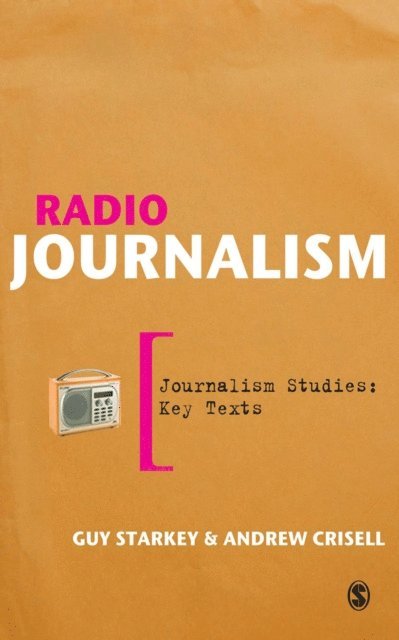
"This is not another turgid guide to digital editing, writing for radio and the structure of a newsroom team. It is an ambitious and accessible study that combines a succinct narrative history of radio journalism with an analysis of its power in the public sphere. It describes the development of British audio broadcasting before locating it in an international context and contemplating the contours of the convergent future. Such ambition is often the prelude to failure. Instead, Starkey and Crisell have written a precious introduction to the theory, practice and purposes of radio journalism that will be very useful to serious students of the subject... This is a very good book."- THE (Times Higher Education)Radio Journalism introduduces key themes in journalism studies to explore what makes radio reporting distinctive and lay out the claims for radio's critical importance in the news landscape.
With their extensive experience in radio production and academica, authors Guy Starkey and Andrew Crisell take readers on a tour through the past, present and future of radio broadcasting, from the infancy of the BBC in the 1920s up to the prospect of rolling news delivered to mobile telephones. Grounding each chapter in a survey of scholarly writing on the radio, they explore the connections between politics, policy and practice, inviting critical reflection on who radio professionals are, what they do and why. Putting theory and practice into dialogue, this book is the perfect bridge between unreflective production manuals and generalised media theory texts.
Witty and engaging, Radio Journalism provides an essential framework for understanding the continuing relevance of radio journalism as a profession, set of practices and arena for critical debate.
1 346 kr
Skickas inom 3-6 vardagar
"This is not another turgid guide to digital editing, writing for radio and the structure of a newsroom team. It is an ambitious and accessible study that combines a succinct narrative history of radio journalism with an analysis of its power in the public sphere. It describes the development of British audio broadcasting before locating it in an international context and contemplating the contours of the convergent future. Such ambition is often the prelude to failure. Instead, Starkey and Crisell have written a precious introduction to the theory, practice and purposes of radio journalism that will be very useful to serious students of the subject... This is a very good book."- THE (Times Higher Education)Radio Journalism introduduces key themes in journalism studies to explore what makes radio reporting distinctive and lay out the claims for radio's critical importance in the news landscape.
With their extensive experience in radio production and academica, authors Guy Starkey and Andrew Crisell take readers on a tour through the past, present and future of radio broadcasting, from the infancy of the BBC in the 1920s up to the prospect of rolling news delivered to mobile telephones. Grounding each chapter in a survey of scholarly writing on the radio, they explore the connections between politics, policy and practice, inviting critical reflection on who radio professionals are, what they do and why. Putting theory and practice into dialogue, this book is the perfect bridge between unreflective production manuals and generalised media theory texts.
Witty and engaging, Radio Journalism provides an essential framework for understanding the continuing relevance of radio journalism as a profession, set of practices and arena for critical debate.
570 kr
Läs direkt efter köp
"This is not another turgid guide to digital editing, writing for radio and the structure of a newsroom team. It is an ambitious and accessible study that combines a succinct narrative history of radio journalism with an analysis of its power in the public sphere. It describes the development of British audio broadcasting before locating it in an international context and contemplating the contours of the convergent future. Such ambition is often the prelude to failure. Instead, Starkey and Crisell have written a precious introduction to the theory, practice and purposes of radio journalism that will be very useful to serious students of the subject... This is a very good book."- THE (Times Higher Education)Radio Journalism introduduces key themes in journalism studies to explore what makes radio reporting distinctive and lay out the claims for radio′s critical importance in the news landscape.
With their extensive experience in radio production and academica, authors Guy Starkey and Andrew Crisell take readers on a tour through the past, present and future of radio broadcasting, from the infancy of the BBC in the 1920s up to the prospect of rolling news delivered to mobile telephones. Grounding each chapter in a survey of scholarly writing on the radio, they explore the connections between politics, policy and practice, inviting critical reflection on who radio professionals are, what they do and why. Putting theory and practice into dialogue, this book is the perfect bridge between unreflective production manuals and generalised media theory texts.
Witty and engaging, Radio Journalism provides an essential framework for understanding the continuing relevance of radio journalism as a profession, set of practices and arena for critical debate.
394 kr
Skickas inom 5-8 vardagar