Guy Van Gyes – författare
Visar alla böcker från författaren Guy Van Gyes. Handla med fri frakt och snabb leverans.
4 produkter
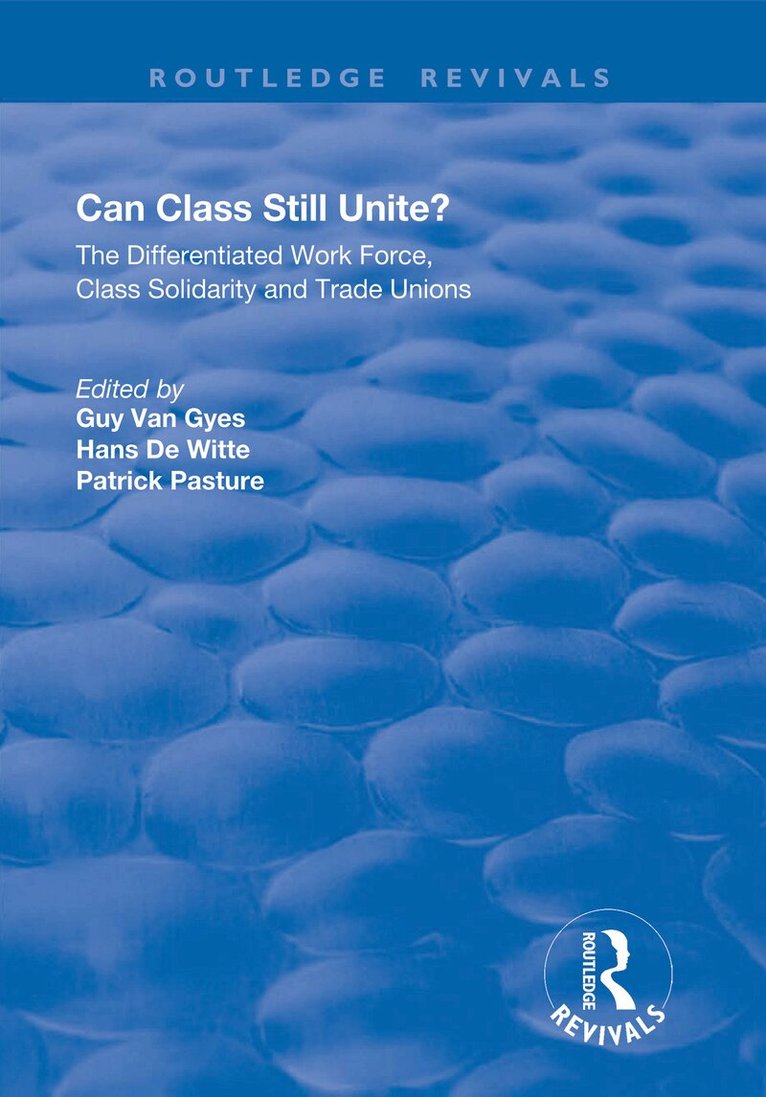
Can Class Still Unite?
The Differentiated Work Force, Class Solidarity and Trade Unions
Av Guy Van Gyes, Hans De Witte m. fl.
Häftad, 2019
562 kr
Lägg i varukorg
This title was first published in 2001. This detailed study of European trade unions also addresses academic concerns about the continuing relevance of the class concept as an analytical tool. As a social movement, the trade union has always used the class principal to unite and defend workers, and …
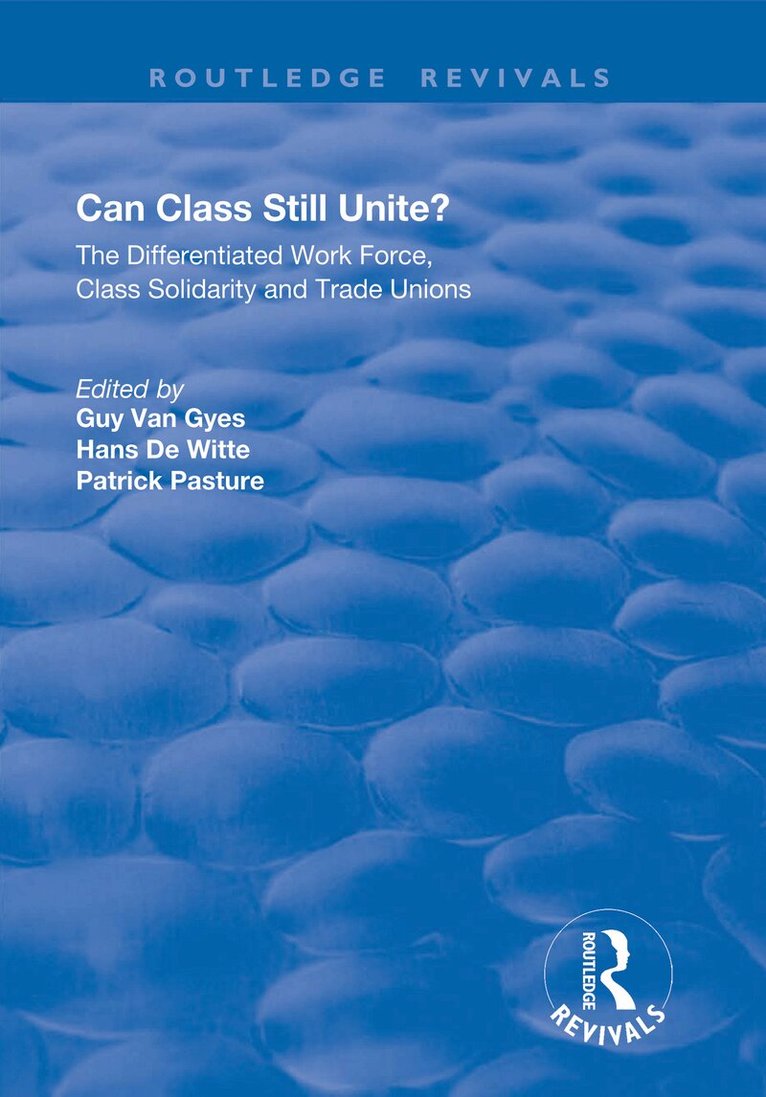
Can Class Still Unite?
The Differentiated Work Force, Class Solidarity and Trade Unions
Av Guy Van Gyes, Hans De Witte m. fl.
Inbunden, 2017
1527 kr
Lägg i varukorg
This title was first published in 2001. This detailed study of European trade unions also addresses academic concerns about the continuing relevance of the class concept as an analytical tool. As a social movement, the trade union has always used the class principal to unite and defend workers, and …
Can Class Still Unite?
The Differentiated Work Force, Class Solidarity and Trade Unions
Av Patrick Pasture, Hans De Witte m. fl.
E-bok, 2018
658 kr
Lägg i varukorg
This title was first published in 2001. This detailed study of European trade unions also addresses academic concerns about the continuing relevance of the class concept as an analytical tool. As a social movement, the trade union has always used the class principal to unite and defend workers, and …
Can Class Still Unite?
The Differentiated Work Force, Class Solidarity and Trade Unions
Av Patrick Pasture, Hans De Witte m. fl.
E-bok, 2018
637 kr
Lägg i varukorg
This title was first published in 2001. This detailed study of European trade unions also addresses academic concerns about the continuing relevance of the class concept as an analytical tool. As a social movement, the trade union has always used the class principal to unite and defend workers, and …