Gyan Prakash – författare
Visar alla böcker från författaren Gyan Prakash. Handla med fri frakt och snabb leverans.
43 produkter
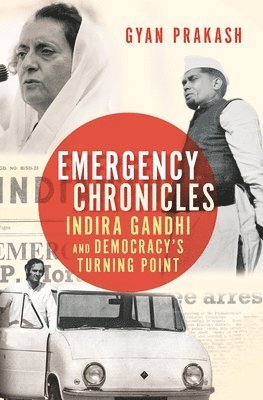
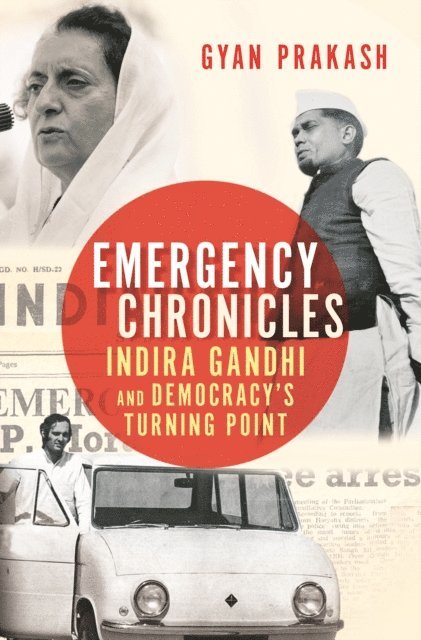
Emergency Chronicles
Indira Gandhi and Democracy's Turning Point
Av Gyan Prakash
Inbunden, 2019
401 kr
Lägg i varukorg
The gripping story of an explosive turning point in the history of modern IndiaOn the night of June 25, 1975, Indira Gandhi declared a state of emergency in India, suspending constitutional rights and rounding up her political opponents in midnight raids across the country. In the twenty-one …
Contesting Power
Resistance and Everyday Social Relations in South Asia
Av Douglas E. Haynes, Gyan Prakash
Inbunden, 1992
546 kr
Lägg i varukorg
Covering groups from peasants to urban laborers, and from women to merchants, the essays in this volume depict a rich variety of non-confrontational forms of resistance and contestatory behaviors that challenge our usual assumptions about the overt nature of resistance to dominant powerholders. …
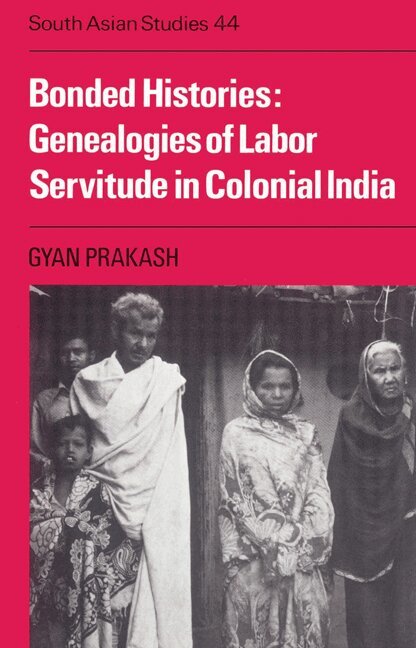
Bonded Histories
Genealogies of Labor Servitude in Colonial India
Av Gyan Prakash
Häftad, 2003
955 kr
Lägg i varukorg
To the modern world, the notions that freedom is an innate condition of human beings and that money possesses the power to bind people appear as natural facts. Bonded Histories traces the historical processes by which these notions became established as dominant discourses in India during colonial …
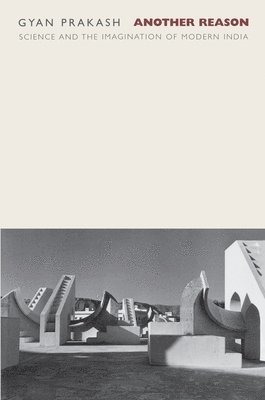
Another Reason
Science and the Imagination of Modern India
Av Gyan Prakash
Häftad, 1999
624 kr
Lägg i varukorg
Another Reason is a bold and innovative study of the intimate relationship between science, colonialism, and the modern nation. Gyan Prakash, one of the most influential historians of India writing today, explores in fresh and unexpected ways the complexities, contradictions, and profound …
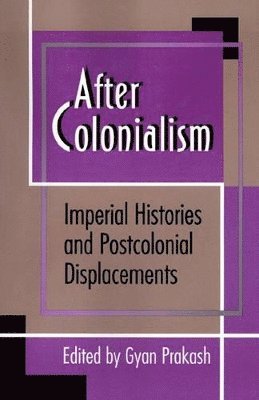
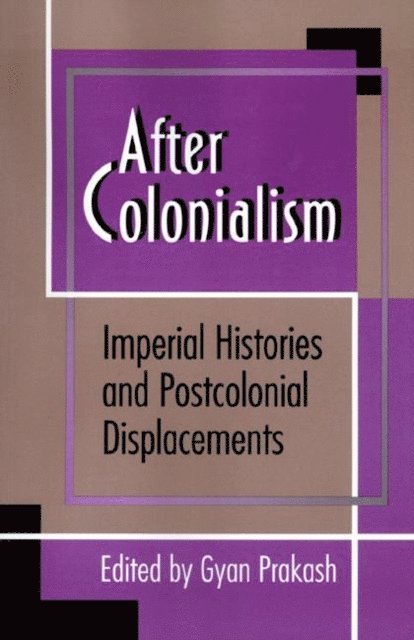
After Colonialism
Imperial Histories and Postcolonial Displacements
Av Gyan Prakash
Häftad, 1994
545 kr
Lägg i varukorg
After Colonialism offers a fresh look at the history of colonialism and the changes in knowledge, disciplines, and identities produced by the imperial experience. Ranging across disciplines--from history to anthropology to literary studies--and across regions--from India to Palestine to Latin …
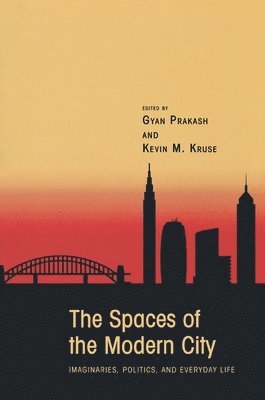
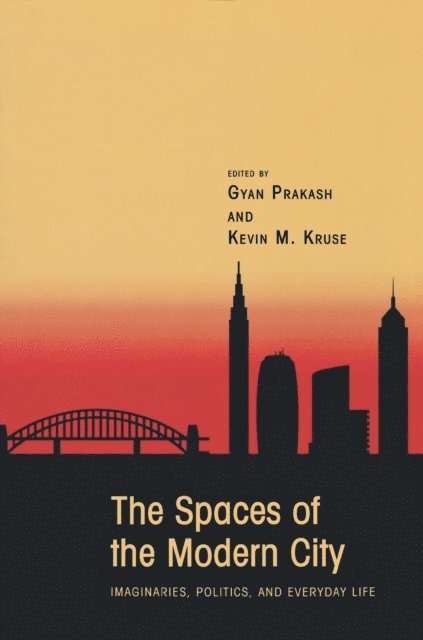
Spaces of the Modern City
Imaginaries, Politics, and Everyday Life
Av Gyan Prakash, Kevin M. Kruse
Häftad, 2008
809 kr
Lägg i varukorg
By United Nations estimates, 60 percent of the world's population will be urban by 2030. With the increasing speed of urbanization, especially in the developing world, scholars are now rethinking standard concepts and histories of modern cities. The Spaces of the Modern City historicizes the …
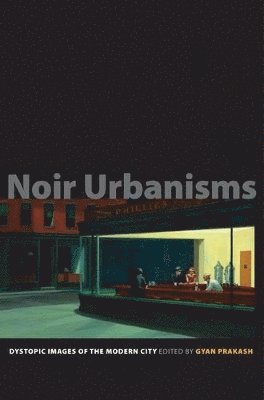
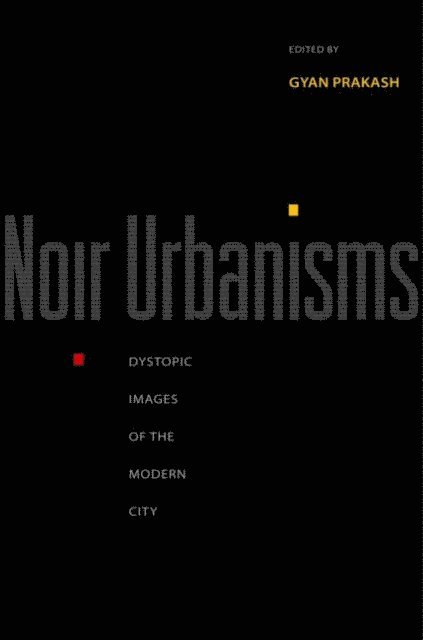
Noir Urbanisms
Dystopic Images of the Modern City
Av Gyan Prakash
Häftad, 2010
351 kr
Lägg i varukorg
Dystopic imagery has figured prominently in modern depictions of the urban landscape. The city is often portrayed as a terrifying world of darkness, crisis, and catastrophe. Noir Urbanisms traces the history of the modern city through its critical representations in art, cinema, print journalism, …
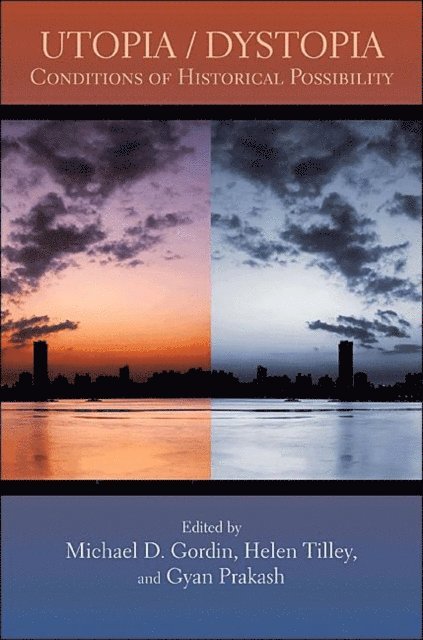
Utopia/Dystopia
Conditions of Historical Possibility
Av Michael D. Gordin, Helen Tilley m. fl.
Häftad, 2010
430 kr
Lägg i varukorg
The concepts of utopia and dystopia have received much historical attention. Utopias have traditionally signified the ideal future: large-scale social, political, ethical, and religious spaces that have yet to be realized. Utopia/Dystopia offers a fresh approach to these ideas. Rather than locate …
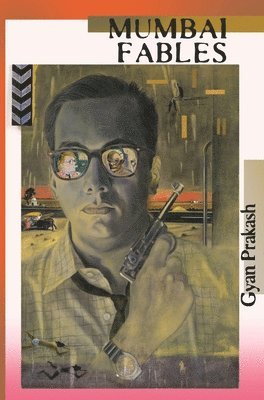
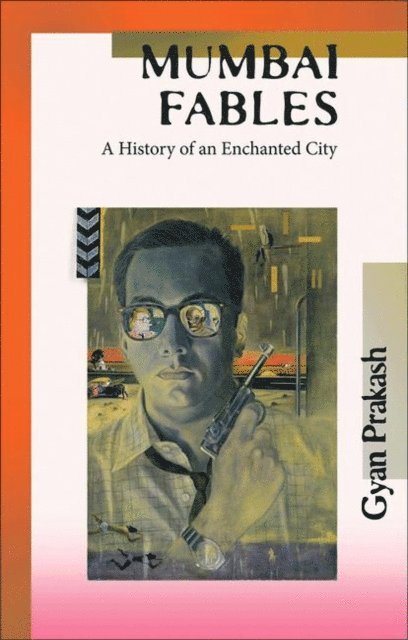
Mumbai Fables
Av Gyan Prakash
Häftad, 2011
298 kr
Lägg i varukorg
This is a place of spectacle and ruin, Mumbai exemplifies the cosmopolitan metropolis. It is not just a big city but also a soaring vision of modern urban life. Millions from India and beyond, of different ethnicities, languages, and religions, have washed up on its shores, bringing with them their …
Emergency Chronicles
Indira Gandhi and Democracy''s Turning Point
Av Gyan Prakash
E-bok, 2019
314 kr
Lägg i varukorg
The gripping story of an explosive turning point in the history of modern India On the night of June 25, 1975, Indira Gandhi declared a state of emergency in India, suspending constitutional rights and rounding up her political opponents in midnight raids across the country. In the twenty-one …
Emergency Chronicles
Indira Gandhi and Democracy's Turning Point
Av Gyan Prakash
Häftad, 2021
245 kr
Lägg i varukorg
The gripping story of an explosive turning point in the history of modern IndiaOn the night of June 25, 1975, Indira Gandhi declared a state of emergency in India, suspending constitutional rights and rounding up her political opponents in midnight raids across the country. In the twenty-one …
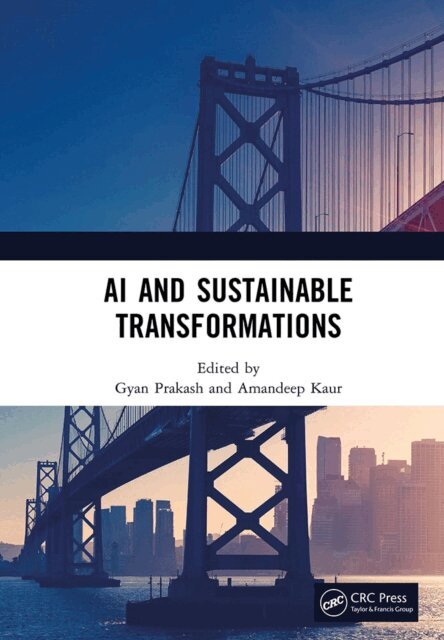
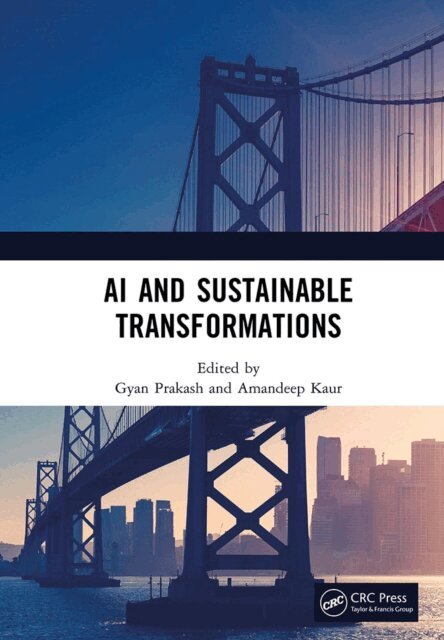
AI and Sustainable Transformations
Av Amandeep Kaur, Gyan Prakash
E-bok, 2025
992 kr
Lägg i varukorg
AI and Sustainable Transformations presents cutting-edge research and insights into the role of Artificial Intelligence (AI) and emerging technologies in driving human-centered innovation and sustainable transformation across various industries.With an emphasis on aligning technological …
AI and Sustainable Transformations
Av Amandeep Kaur, Gyan Prakash
E-bok, 2025
992 kr
Lägg i varukorg
AI and Sustainable Transformations presents cutting-edge research and insights into the role of Artificial Intelligence (AI) and emerging technologies in driving human-centered innovation and sustainable transformation across various industries.With an emphasis on aligning technological …
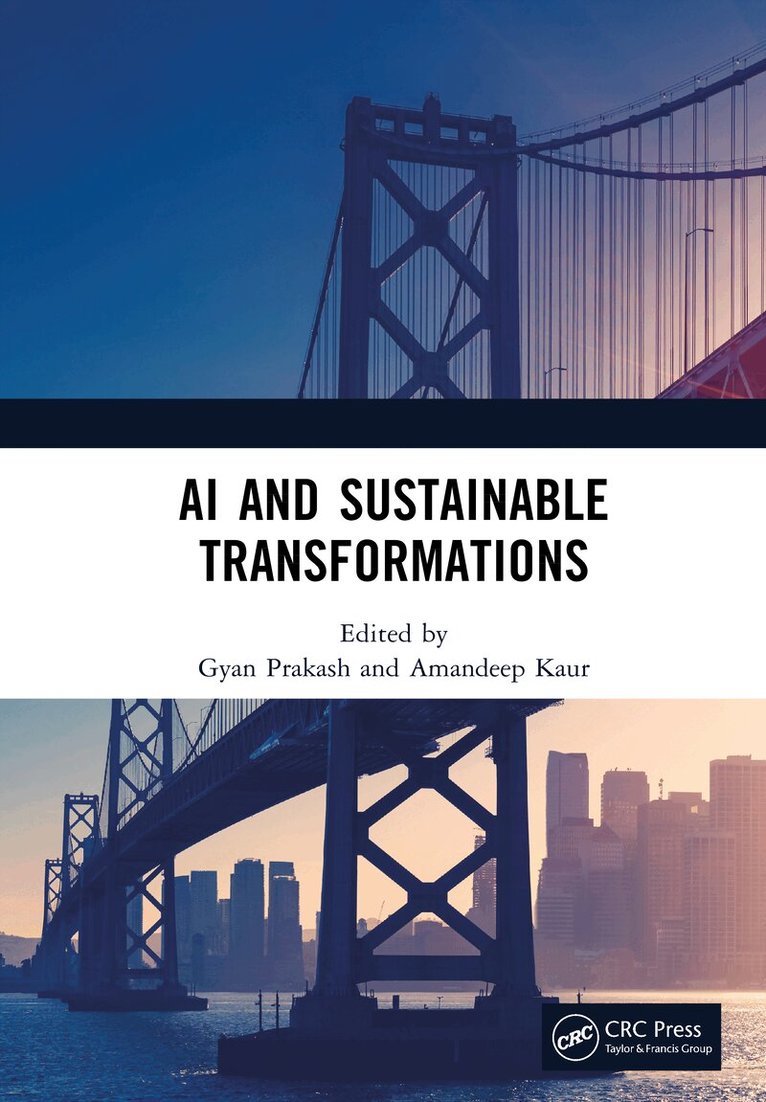
AI and Sustainable Transformations
Av Gyan Prakash, Amandeep Kaur
Inbunden, 2025
2588 kr
Lägg i varukorg
AI and Sustainable Transformations presents cutting-edge research and insights into the role of Artificial Intelligence (AI) and emerging technologies in driving human-centered innovation and sustainable transformation across various industries.With an emphasis on aligning technological …
Reimagining Tomorrow
AI and Sustainable Imperative
Av Gyan Prakash, Amandeep Kaur
Inbunden, 2027
2549 kr
Kommande
Reimagining Tomorrow: AI and Sustainable Imperative presents a curated collection of high-quality research contributions that explore the transformative role of Artificial Intelligence across diverse sectors in addressing pressing sustainability challenges.The book highlights how advanced AI …
Reimagining Tomorrow
AI and Sustainable Imperative
Av Gyan Prakash, Amandeep Kaur
Häftad, 2027
775 kr
Kommande
Reimagining Tomorrow: AI and Sustainable Imperative presents a curated collection of high-quality research contributions that explore the transformative role of Artificial Intelligence across diverse sectors in addressing pressing sustainability challenges.The book highlights how advanced AI …
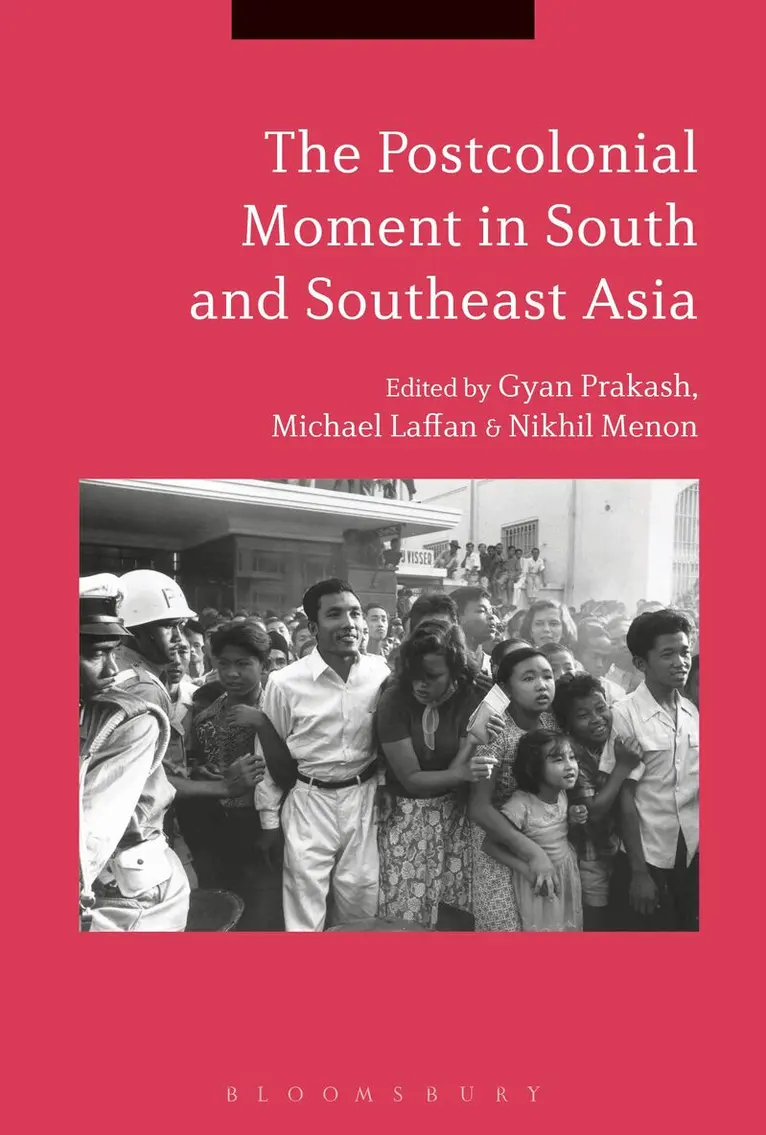
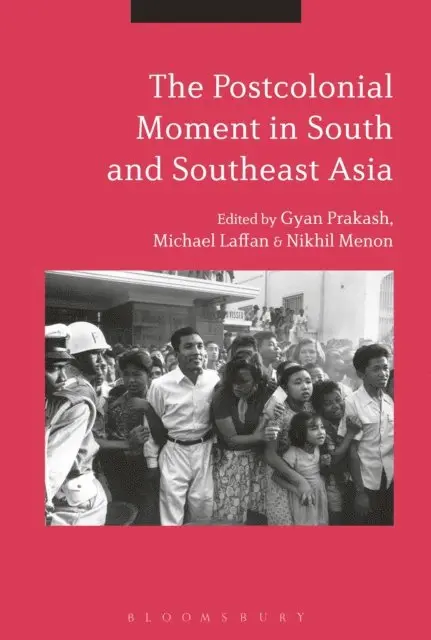
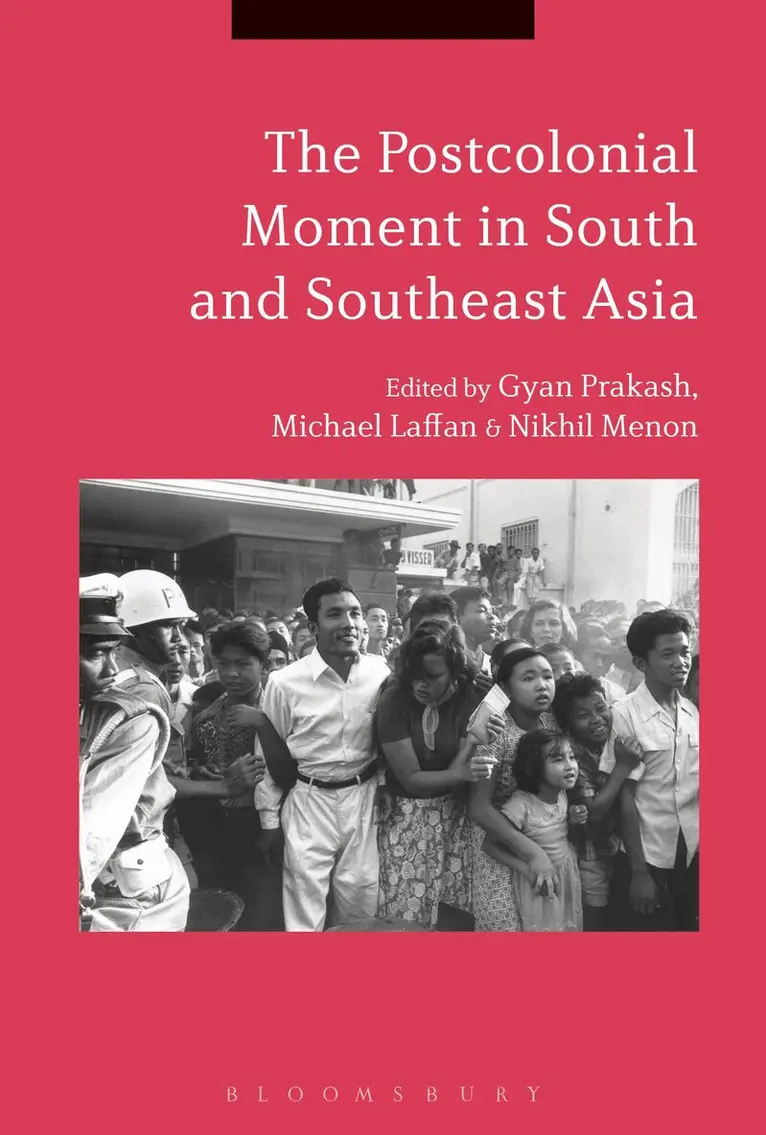
Postcolonial Moment in South and Southeast Asia
Av Gyan Prakash, Nikhil Menon m. fl.
Inbunden, 2018
1898 kr
Lägg i varukorg
By exploring themes of fragility, mobility and turmoil, anxieties and agency, and pedagogy, this book shows how colonialism shaped postcolonial projects in South and Southeast Asia including India, Pakistan, Burma, and Indonesia. Its chapters unearth the contingency and contention that accompanied …
Postcolonial Moment in South and Southeast Asia
Av Gyan Prakash, Nikhil Menon m. fl.
E-bok, 2018
562 kr
Lägg i varukorg
By exploring themes of fragility, mobility and turmoil, anxieties and agency, and pedagogy, this book shows how colonialism shaped postcolonial projects in South and Southeast Asia including India, Pakistan, Burma, and Indonesia. Its chapters unearth the contingency and contention that accompanied …
Postcolonial Moment in South and Southeast Asia
Av Gyan Prakash, Nikhil Menon m. fl.
E-bok, 2018
562 kr
Lägg i varukorg
By exploring themes of fragility, mobility and turmoil, anxieties and agency, and pedagogy, this book shows how colonialism shaped postcolonial projects in South and Southeast Asia including India, Pakistan, Burma, and Indonesia. Its chapters unearth the contingency and contention that accompanied …
Postcolonial Moment in South and Southeast Asia
Av Gyan Prakash, Nikhil Menon m. fl.
Häftad, 2019
516 kr
Lägg i varukorg
By exploring themes of fragility, mobility and turmoil, anxieties and agency, and pedagogy, this book shows how colonialism shaped postcolonial projects in South and Southeast Asia including India, Pakistan, Burma, and Indonesia. Its chapters unearth the contingency and contention that accompanied …
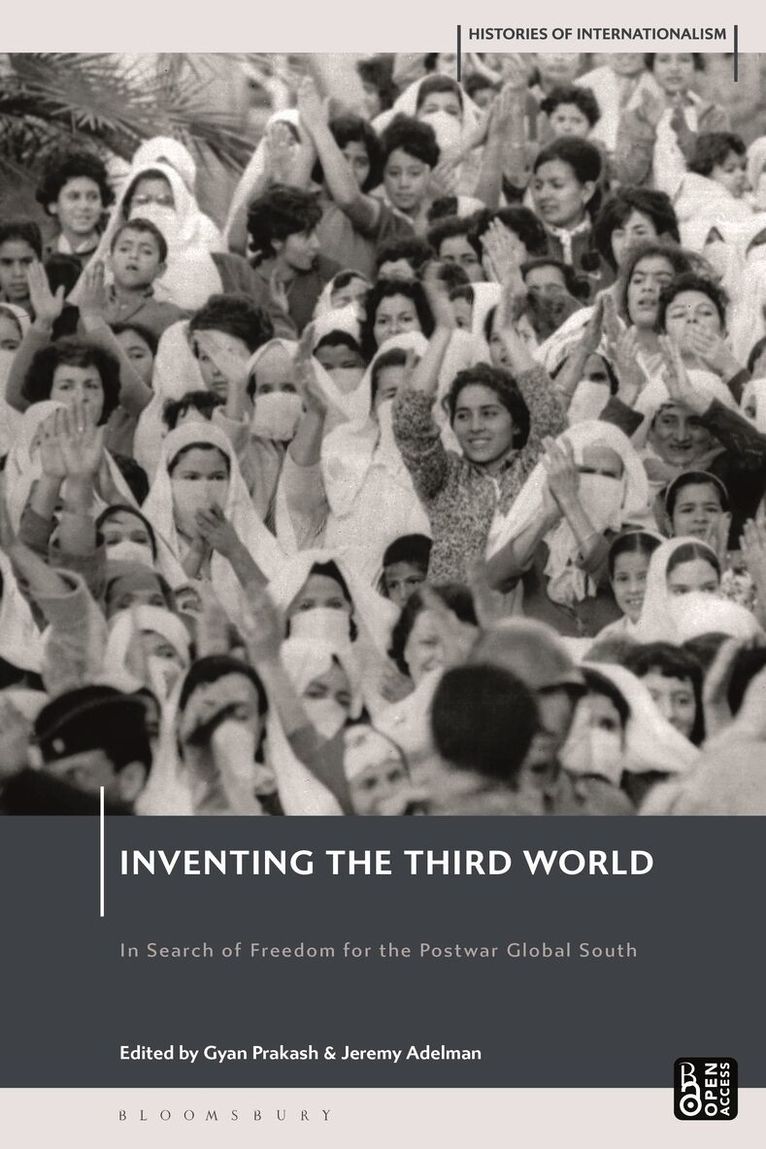
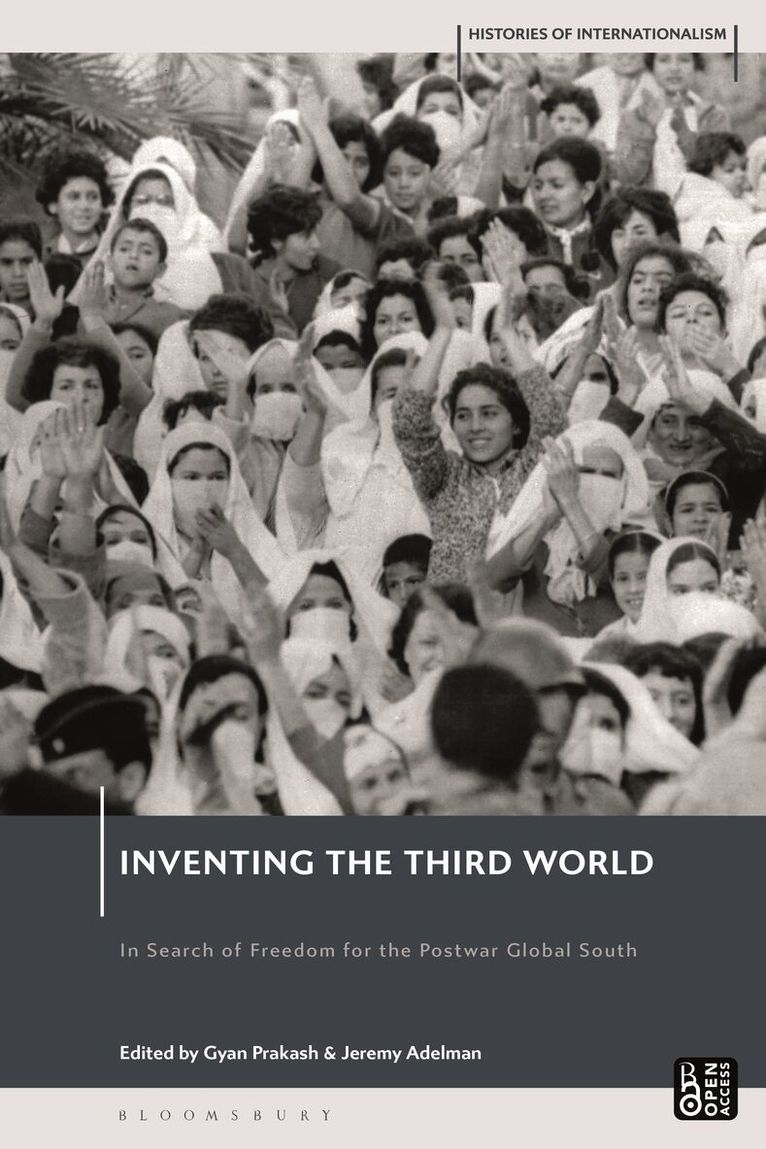
Inventing the Third World
In Search of Freedom for the Postwar Global South
Av Jeremy Adelman, Gyan Prakash
Inbunden, 2022
1316 kr
Lägg i varukorg
This open access book explores the ways in which the global south reimagined the future world order at the end of the Second World War, and the cultural and intellectual breakthroughs that these new narratives created. The end of the Second World War and the eclipse of empires brought a wave of …
Inventing the Third World
In Search of Freedom for the Postwar Global South
Av Jeremy Adelman, Gyan Prakash
Häftad, 2024
443 kr
Lägg i varukorg
This open access book explores the ways in which the global south reimagined the future world order at the end of the Second World War, and the cultural and intellectual breakthroughs that these new narratives created. The end of the Second World War and the eclipse of empires brought a wave of …
After Colonialism
Imperial Histories and Postcolonial Displacements
Av Gyan Prakash
E-bok, 1994
719 kr
Lägg i varukorg
After Colonialism offers a fresh look at the history of colonialism and the changes in knowledge, disciplines, and identities produced by the imperial experience. Ranging across disciplines--from history to anthropology to literary studies--and across regions--from India to Palestine to Latin …
Utopia/Dystopia
Conditions of Historical Possibility
Av Gyan Prakash, Helen Tilley m. fl.
E-bok, 2010
575 kr
Lägg i varukorg
The concepts of utopia and dystopia have received much historical attention. Utopias have traditionally signified the ideal future: large-scale social, political, ethical, and religious spaces that have yet to be realized. Utopia/Dystopia offers a fresh approach to these ideas. Rather than locate …
Mumbai Fables
Av Gyan Prakash
E-bok, 2010
403 kr
Lägg i varukorg
A sweeping cultural history of India’s largest city A place of spectacle and ruin, Mumbai exemplifies the cosmopolitan metropolis. It is not just a big city but also a soaring vision of modern urban life. Millions from India and beyond, of different ethnicities, languages, and religions, have …
Noir Urbanisms
Dystopic Images of the Modern City
Av Gyan Prakash
E-bok, 2010
470 kr
Lägg i varukorg
Dystopic imagery has figured prominently in modern depictions of the urban landscape. The city is often portrayed as a terrifying world of darkness, crisis, and catastrophe. Noir Urbanisms traces the history of the modern city through its critical representations in art, cinema, print journalism, …
Spaces of the Modern City
Imaginaries, Politics, and Everyday Life
Av Kevin M. Kruse, Gyan Prakash
E-bok, 2021
617 kr
Lägg i varukorg
By United Nations estimates, 60 percent of the world''s population will be urban by 2030. With the increasing speed of urbanization, especially in the developing world, scholars are now rethinking standard concepts and histories of modern cities. The Spaces of the Modern City historicizes the …
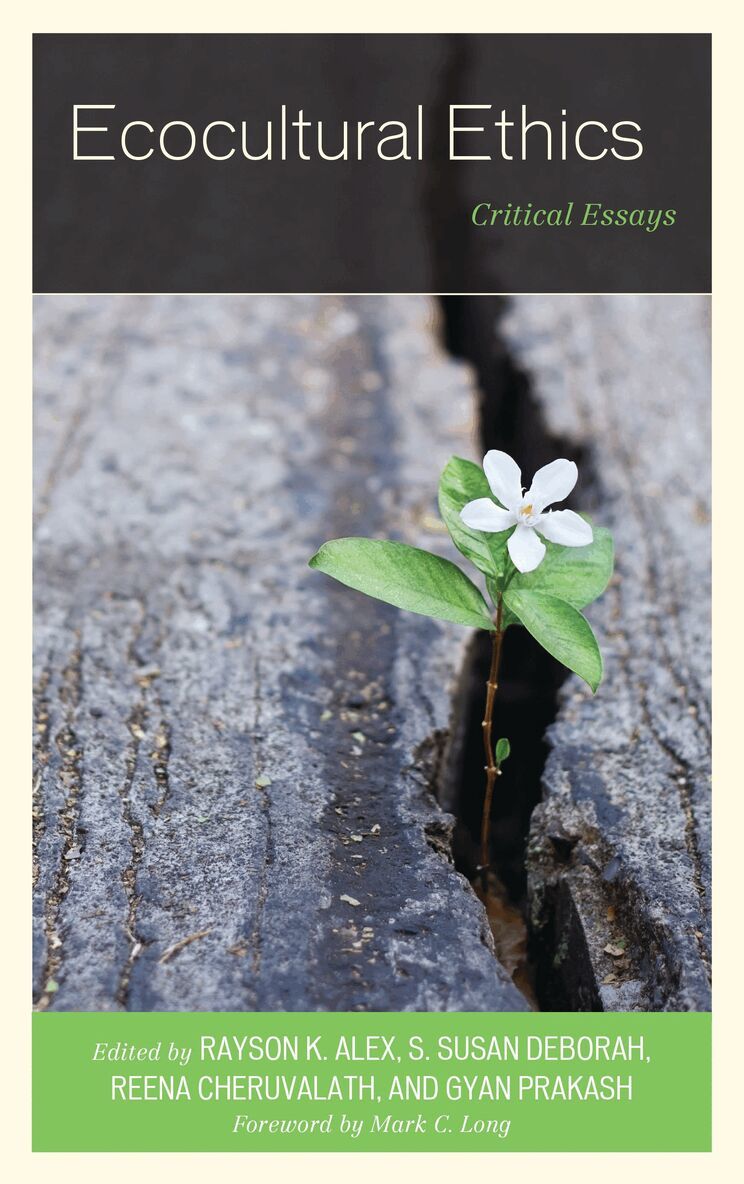
Ecocultural Ethics
Critical Essays
Av Rayson K. Alex, S. Susan Deborah m. fl.
Inbunden, 2017
1191 kr
Lägg i varukorg
The book offers twelve cases of ethics relating to ecology and culture. The twelve cases presented in the twelve essays, are written by eminent scholars from India, USA, Canada and Egypt. Employing various ecocritical frameworks, the writers have tried to understand/analyse literary, cinematic and …
Advances in Vision Research, Volume I
Genetic Eye Research in Asia and the Pacific
Av Gyan Prakash, Takeshi Iwata
Inbunden, 2017
2250 kr
Lägg i varukorg
This book presents the state of the art in genetic eye research in Asia and the Pacific. Though there has been an explosion of information on genetic eye research in western countries, more than sixty percent of the human genes involved in eye diseases in the Asian and Pacific population remain …
Advances in Vision Research, Volume I
Genetic Eye Research in Asia and the Pacific
Av Takeshi Iwata, Gyan Prakash
E-bok, 2017
3013 kr
Lägg i varukorg
This book presents the state of the art in genetic eye research in Asia and the Pacific. Though there has been an explosion of information on genetic eye research in western countries, more than sixty percent of the human genes involved in eye diseases in the Asian and Pacific population remain …