Haakon A. Ikonomou – författare
Visar alla böcker från författaren Haakon A. Ikonomou. Handla med fri frakt och snabb leverans.
12 produkter
The Cambridge Handbook of the League of Nations and International Law
Av Haakon A. Ikonomou, Karin van Leeuwen m. fl.
Inbunden, 2026
2412 kr
Lägg i varukorg
Established in the wake of the First World War, the League of Nations fundamentally transformed international politics, global governance and multilateral cooperation in a multitude of fields from the economy, labour and social affairs to colonial, minority and security questions. This Handbook …
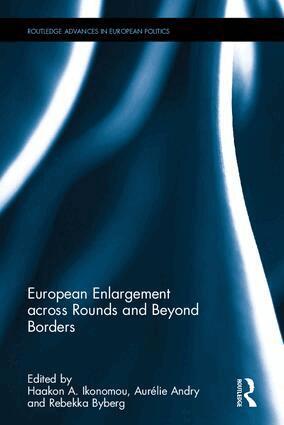
European Enlargement across Rounds and Beyond Borders
Av Haakon A. Ikonomou, Aurélie Andry m. fl.
Häftad, 2019
772 kr
Lägg i varukorg
Enlargement has been an almost constant part of European integration history – going from an improvised exercise to the EU’s most developed foreign policy tool. However, neither the longevity nor the complexity of enlargement has been properly historicised.European Enlargement across Rounds and …
Rethinking European Integration History in Light of Capitalism
Av Quentin Jouan, Haakon A. Ikonomou m. fl.
E-bok, 2022
762 kr
Lägg i varukorg
This book outlines the possibilities and perspectives of an intertwining of European integration historiography with the history and concept of capitalism. Although debates on capitalism have been making a comeback since the 2008 crisis, to date the concept of capitalism remains almost completely …
Rethinking European Integration History in Light of Capitalism
Av Quentin Jouan, Haakon A. Ikonomou m. fl.
E-bok, 2022
746 kr
Lägg i varukorg
This book outlines the possibilities and perspectives of an intertwining of European integration historiography with the history and concept of capitalism. Although debates on capitalism have been making a comeback since the 2008 crisis, to date the concept of capitalism remains almost completely …
Cambridge Handbook of the League of Nations and International Law
Av Morten Rasmussen, Karin van Leeuwen m. fl.
E-bok, 2026
2347 kr
Lägg i varukorg
Cambridge Handbook of the League of Nations and International Law
Av Morten Rasmussen, Karin van Leeuwen m. fl.
E-bok, 2026
2347 kr
Lägg i varukorg
Rethinking European Integration History in Light of Capitalism
Av Aurélie D. Andry, Emmanuel Mourlon-Druol m. fl.
Inbunden, 2022
2586 kr
Lägg i varukorg
This book outlines the possibilities and perspectives of an intertwining of European integration historiography with the history and concept of capitalism.Although debates on capitalism have been making a comeback since the 2008 crisis, to date the concept of capitalism remains almost completely …
Rethinking European Integration History in Light of Capitalism
Av Aurélie D. Andry, Emmanuel Mourlon-Druol m. fl.
Häftad, 2024
667 kr
Lägg i varukorg
This book outlines the possibilities and perspectives of an intertwining of European integration historiography with the history and concept of capitalism.Although debates on capitalism have been making a comeback since the 2008 crisis, to date the concept of capitalism remains almost completely …
European Enlargement across Rounds and Beyond Borders
Av Haakon A. Ikonomou, Aurélie Andry m. fl.
Inbunden, 2017
2826 kr
Lägg i varukorg
Enlargement has been an almost constant part of European integration history – going from an improvised exercise to the EU’s most developed foreign policy tool. However, neither the longevity nor the complexity of enlargement has been properly historicised.European Enlargement across Rounds and …
European Enlargement across Rounds and Beyond Borders
Av Rebekka Byberg, Aurelie Andry m. fl.
E-bok, 2017
910 kr
Lägg i varukorg
Enlargement has been an almost constant part of European integration history – going from an improvised exercise to the EU’s most developed foreign policy tool. However, neither the longevity nor the complexity of enlargement has been properly historicised. European Enlargement across Rounds …
European Enlargement across Rounds and Beyond Borders
Av Rebekka Byberg, Aurelie Andry m. fl.
E-bok, 2017
910 kr
Lägg i varukorg
Enlargement has been an almost constant part of European integration history – going from an improvised exercise to the EU’s most developed foreign policy tool. However, neither the longevity nor the complexity of enlargement has been properly historicised. European Enlargement across Rounds …
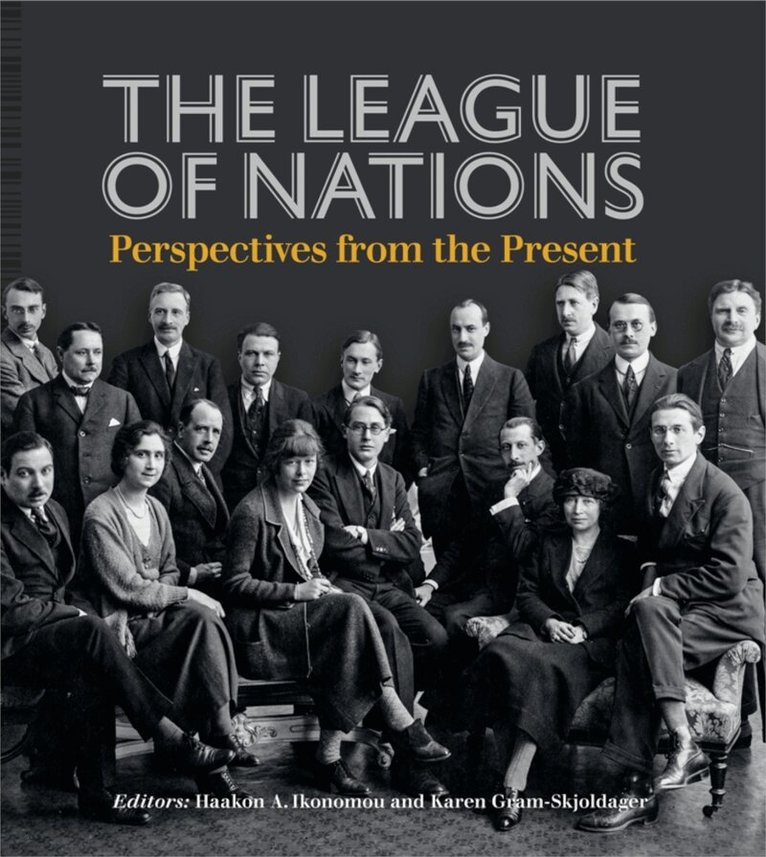
League of Nations
Perspectives from the Present
Av Haakon A. Ikonomou, Karen Gram-Skjoldager
Inbunden, 2019
425 kr
Lägg i varukorg
The League of Nations – Perspectives from the Present is an accessible and richly illustrated edited volume displaying a wide variety of cutting-edge research on the many ways the League of Nations shaped its times and continues to shape our contemporary world. A series of bite-size studies, …