• Fri frakt över 249 kr
  • •
  • Snabba leveranser
  • •
  • Billiga böcker
Kundservice

Du är på sajten för privatpersoner.

Företag, bibliotek eller offentlig verksamhet?

Du handlar på classic.bokus.com, där alla dina funktioner finns intakta.
Till classic.bokus.com
Bokus logotyp. Gå till startsidan.
  • Erbjudanden
  • Nyheter
  • Student
  • Topplistor
  • Barn & ungdom
  • Bokus Play
  • E-böcker
  • Pocketböcker
  • Spel & pussel

Må bättre, för mindre! Upp till 50% rabatt på hälsoböcker

Sidfot

Mina sidor

    Hjälp

    • Kundservice
    • Vanliga frågor och svar
    • Frakt och leverans
    • Retur vid ångerrätt
    • Reklamera vara
    • Betalning
    • Köpvillkor
    • Allmänna villkor
    • Information om webbplatsens tillgänglighet

    Om Bokus

    • Om oss
    • Pressrum
    • För studenter
    • För företag
    • För bibliotek och offentlig verksamhet
    • För leverantörer
    • Hållbarhet

    Populärt

    • Aktuella erbjudanden
    • Presentkort
    • Studentlitteratur
    • Nya böcker
    • Topplistor
    • Signerade böcker
    • Engelska böcker

    Inspiration

    • Boktips
    • BookTok
    • Populära bokserier
    • Barnbokskaraktärer
    • Populära författare
    Logotyp för Bokus
    Följ oss på Facebook (extern länk)Följ oss på Instagram (extern länk)Följ oss på YouTube (extern länk)Följ oss på TikTok (extern länk)
    bokus @ CookiesAnpassa cookiesIntegritetspolicyKöpvillkor
    Till Citymail hemsida (extern länk)Till Budbee hemsida (extern länk)Till Postnord hemsida (extern länk)Till Schenker hemsida (extern länk)Till Early Bird hemsida (extern länk)Till Walleys hemsida (extern länk)
    1. Historia och arkeologi
    2. Historia
    3. Europas historia

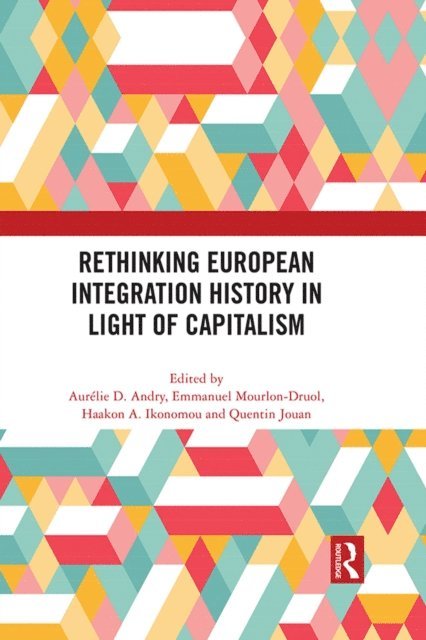
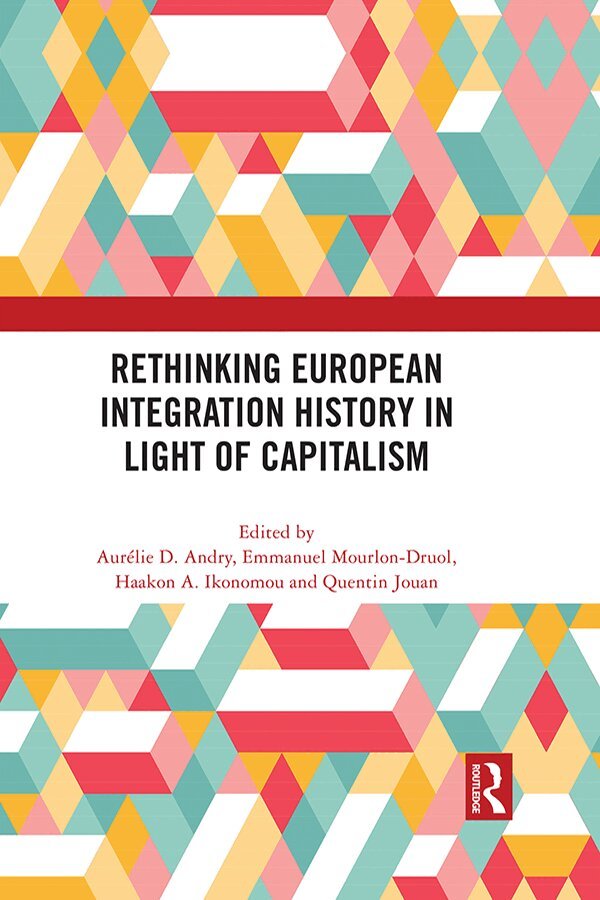
    Rethinking European Integration History in Light of Capitalism

    AvAurélie D. Andry,Emmanuel Mourlon-Druol

    Häftad, Engelska, 2024

    643 kr

    Beställningsvara. Skickas inom 10-15 vardagar. Fri frakt över 249 kr.

    Beskrivning

    This book outlines the possibilities and perspectives of an intertwining of European integration historiography with the history and concept of capitalism.Although debates on capitalism have been making a comeback since the 2008 crisis, to date the concept of capitalism remains almost completely avoided by historians of European integration. This book thus conceptualizes ‘capitalism’ as a useful analytical tool that should be used by historians of European integration and proposes three major approaches for them to do so: first, by bringing the question of social conflict, integral to the concept of capitalism, into European integration history; second, by better conceptualizing the link between European governance, Europeanization and the globalization of capitalism; and thirdly by investigating the economic, political and ideological models or doctrines that underlie European cooperation, integration, policies and institutions. This analytical encounter between European integration history and capitalism allows for a better understanding of how today’s "Europe" resulted from a complex social, economic and political conflict that took place in part at the European level.The chapters in this book were originally published as a special issue of the journal, the European Review of History.

    Produktinformation

    • Utgivningsdatum:2024-01-29
    • Mått:174 x 246 x 12 mm
    • Vikt:453 g
    • Format:Häftad
    • Språk:Engelska
    • Antal sidor:200
    • Förlag:Taylor & Francis Ltd
    • ISBN:9781032264479

    Utforska kategorier

    • Europas historia inom Historia och arkeologi
    • Internationella relationer inom Samhälle och politik
    • Ekonomisk historia inom Ekonomi och Ledarskap

    Mer om författaren

    Aurélie D. Andry is Research Fellow at Université Paris-Saclay and a member of the ANRDFG-funded project ‘Workplace democracy: a European ideal?: discourses and practices about the democratization of work after 1945’. Her research focuses mainly on the history of European integration and the history of socialism and trade unionism in Europe.Emmanuel Mourlon-Druol is Professor of International Economic History at the University of Glasgow, and Non Resident Fellow at the Brussels-based think tank Bruegel. Prior to coming to the University of Glasgow, Emmanuel held the Pinto Postdoctoral fellowship at the London School of Economics (LSE). He is the author of A Europe Made of Money: the Emergence of the European Monetary System (2012) and co-editor of International Summitry and Global Governance: the Rise of the G-7 and the European Council, 1974–1991 (with Federico Romero, Routledge 2014). His work has appeared in Business History, Contemporary European History, JCMS: Journal of Common Market Studies and West European Politics, among others.Haakon A. Ikonomou is Gerda Henkel Fellow and Teaching Associate Professor at the Saxo Institute, University of Copenhagen. Ikonomou is co-founder and steering committee member of Global Biography Working Group (GloBio), review and online media editor of Diplomatica (Brill) and the New Diplomatic History Network, and co-director of the Europe and International Cooperation Research Group at the Centre for Modern European Studies (CEMES).Quentin Jouan is a strategy consultant and a guest lecturer in different Belgian universities. As a consultant, he is supporting public and private organisations in defining long-term strategies and coping with regulatory, environmental and societal challenges. As a lecturer, Quentin is teaching Belgian and European institutional history. His research area focuses on the socio-economic interplay between national actors and European institutions as well as on the history of the legal regulation of capitalism.

    Innehållsförteckning

    • Introduction - Rethinking European integration history in light of capitalism: the case of the long 1970s 1. Stabilization through integration: the European rescue of Italian capitalism 2. European integration and the paradoxical answers of national trade unions to the crises of capitalism 3. Crises and transformations of European integration: European business circles during the long 1970s 4. Crisis, capitalism and common policies: Greek and Norwegian responses to common shipping policy efforts in the 1960s and 1970s 5. A globalization laboratory: European banking regulation and global capitalism in the 1970s and early 1980s 6. Crisis and continuity: Robert Marjolin, transnational policy-making and neoliberalism, 1930s–70s 7. The European Commission facing crisis: social, neo-mercantilist and market-oriented approaches (1967–85) 8. Was there an alternative? European socialists facing capitalism in the long 1970s