Halina Goldberg - Böcker
Visar alla böcker från författaren Halina Goldberg. Handla med fri frakt och snabb leverans.
8 produkter
8 produkter
943 kr
Skickas inom 7-10 vardagar
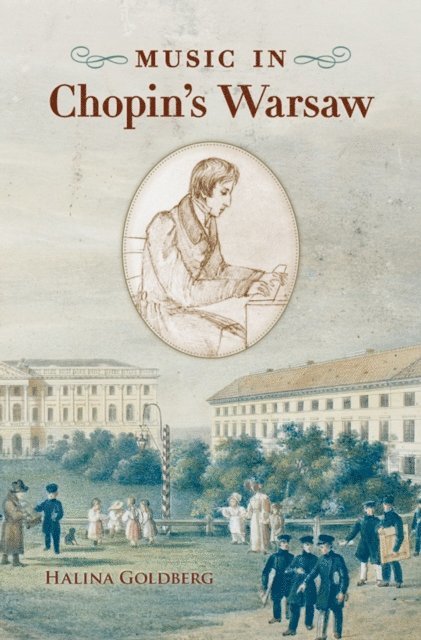
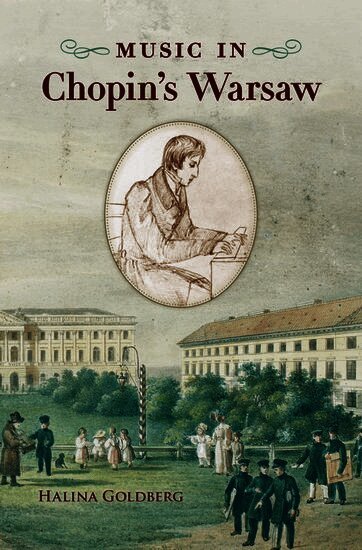
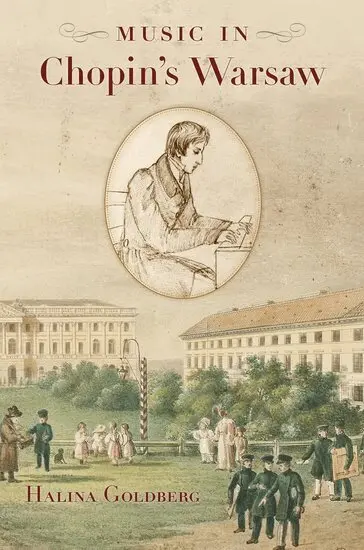
Music in Chopin's Warsaw examines the rich musical environment of Fryderyk Chopin's youth--largely unknown to the English-speaking world--and places Chopin's early works in the context of this milieu. Halina Goldberg provides a historiographic perspective that allows a new and better understanding of Poland's cultural and musical circumstances. Chopin's Warsaw emerges as a vibrant European city that was home to an opera house, various smaller theaters, one of the earliest modern conservatories in Europe, several societies which organized concerts, musically active churches, spirited salon life, music publishers and bookstores, instrument builders, and for a short time even a weekly paper devoted to music. Warsaw was aware of and in tune with the most recent European styles and fashions in music, but it was also the cradle of a vernacular musical language that was initiated by the generation of Polish composers before Chopin and which found its full realization in his work. Significantly, this period of cultural revival in the Polish capital coincided with the duration of Chopin's stay there--from his infancy in 1810 to his final departure from his homeland in 1830. An uncanny convergence of political, economic, social, and cultural circumstances generated the dynamic musical, artistic, and intellectual environment that nurtured the developing genius. Had Chopin been born a decade earlier or a decade later, Goldberg argues, the capital--devastated by warfare and stripped of all cultural institutions--could not have provided support for his talent. The young composer would have been compelled to seek musical education abroad and thus would have been deprived of the specifically Polish experience so central to his musical style. A rigorously-researched and fascinating look at the Warsaw in which Chopin grew up, this book will appeal to students and scholars of nineteenth century music, as well as music lovers and performers.
491 kr
Skickas inom 5-8 vardagar
Music in Chopin's Warsaw examines the rich musical environment of Fryderyk Chopin's youth--largely unknown to the English-speaking world--and places Chopin's early works in this context. Halina Goldberg provides a historiographic perspective that allows a new and better understanding of Poland's cultural and musical circumstances. Chopin's Warsaw emerges as a vibrant European city that was home to an opera house, various smaller theaters, one of the earliest modern conservatories in Europe, several societies which organized concerts, musically active churches, spirited salon life, music publishers and bookstores, instrument builders, and (for a short time) a weekly paper devoted to music.Warsaw was aware of and in tune with the most recent European styles and fashions in music, but it was also the cradle of a vernacular musical language that was initiated by the generation of Polish composers before Chopin and which found its full realization in his work. Significantly, this period of cultural revival in the Polish capital coincided with the duration of Chopin's stay there--from his infancy in 1810 to his final departure from his homeland in 1830. An uncanny convergence of political, economic, social, and cultural circumstances generated the dynamic musical, artistic, and intellectual environment that nurtured the developing genius. Had Chopin been born a decade earlier or a decade later, Goldberg argues, the capital--devastated by warfare and stripped of all cultural institutions--could not have provided support for his talent. The young composer would have been compelled to seek musical education abroad and thus would have been deprived of the specifically Polish experience so central to his musical style.A rigorously-researched and fascinating look at the Warsaw in which Chopin grew up, this book will appeal to students and scholars of nineteenth-century music, as well as music lovers and performers.
1 097 kr
Skickas inom 7-10 vardagar
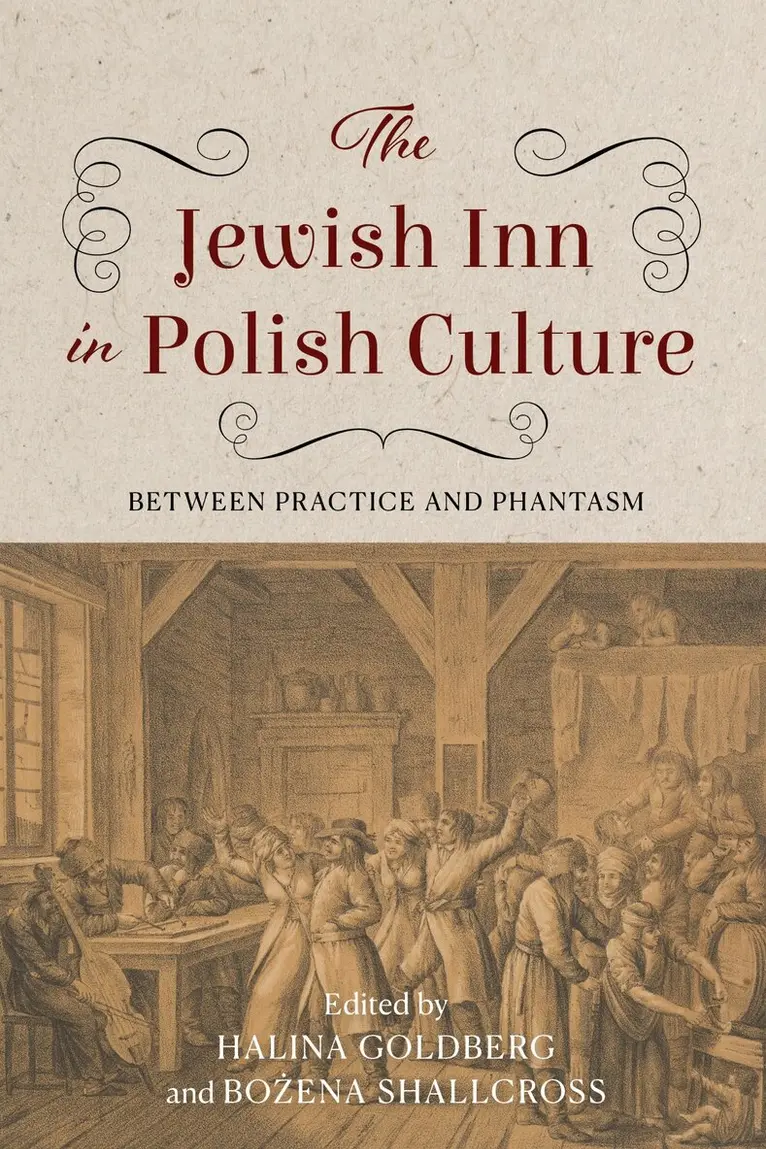
The Jewish inn (żydowska karczma) was a central pillar of economic and social life in Polish lands before the Second World War. While its primary role was to provide hospitality, it also functioned as a multifaceted hub for business, leisure, and religious festivities, reflecting its vital role in the community.In The Jewish Inn: Between Practice and Phantasm, editors Halina Goldberg and Bożena Shallcross present 11 captivating articles that delve into the inn's significance as a symbolic incubator of Jewish cultural possibilities. The collection examines the inn's evolving artistic potential across different eras, genres, media, and analytical perspectives.From exploring the intricate connections between music, dance, and other arts within the inn's spatial arrangement to highlighting the increasing prominence of women in the inn's family dynamics, The Jewish Inn offers a comprehensive and transdisciplinary reevaluation of this crucial institution and stands as a significant and creative contribution to Polish-Jewish studies.
471 kr
Skickas
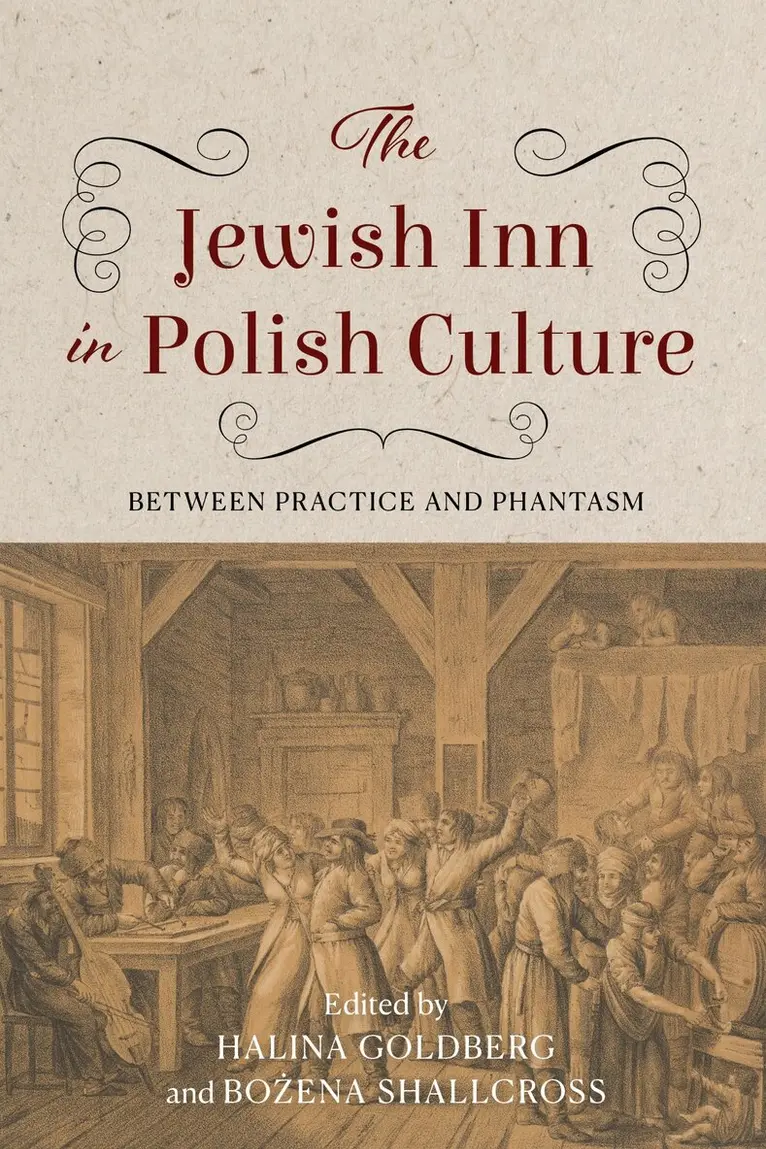
The Jewish inn (żydowska karczma) was a central pillar of economic and social life in Polish lands before the Second World War. While its primary role was to provide hospitality, it also functioned as a multifaceted hub for business, leisure, and religious festivities, reflecting its vital role in the community.In The Jewish Inn: Between Practice and Phantasm, editors Halina Goldberg and Bożena Shallcross present 11 captivating articles that delve into the inn's significance as a symbolic incubator of Jewish cultural possibilities. The collection examines the inn's evolving artistic potential across different eras, genres, media, and analytical perspectives.From exploring the intricate connections between music, dance, and other arts within the inn's spatial arrangement to highlighting the increasing prominence of women in the inn's family dynamics, The Jewish Inn offers a comprehensive and transdisciplinary reevaluation of this crucial institution and stands as a significant and creative contribution to Polish-Jewish studies.
323 kr
Skickas inom 10-15 vardagar
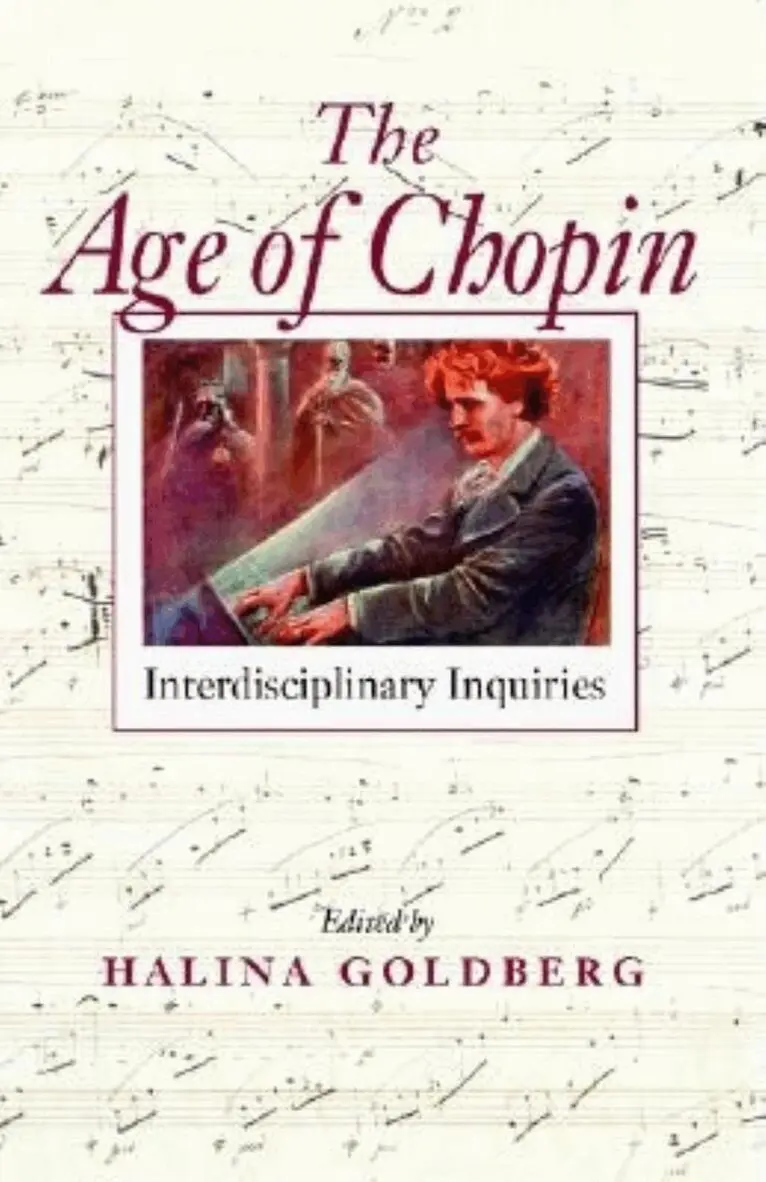
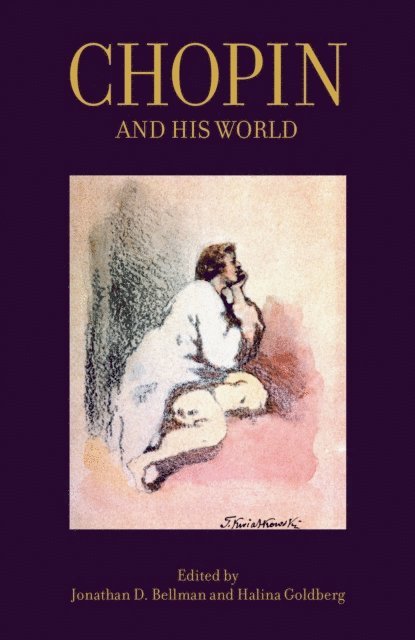
This multidisciplinary collection addresses Chopin's life and oeuvre in various cultural contexts of his era. Fourteen original essays by internationally-known scholars suggest new connections between his compositions and the intellectual, literary, artistic, and musical environs of Warsaw and Paris. Individual essays consider representations of Chopin in the visual arts; reception in the United States and in Poland; analytical aspects of the mazurkas and waltzes; and political, literary, and gender aspects of Chopin's music and legacy. Several senior scholars represent the fields of American, Western European, and Polish history; Slavic literature; musicology; music theory; and art history.
594 kr
Skickas inom 3-6 vardagar
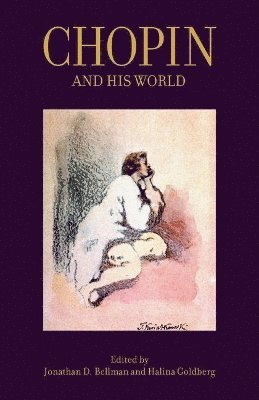
A new look at the life, times, and music of Polish composer and piano virtuoso Fryderyk Chopin Fryderyk Chopin (1810-49), although the most beloved of piano composers, remains a contradictory figure, an artist of virtually universal appeal who preferred the company of only a few sympathetic friends and listeners. Chopin and His World reexamines Chopin and his music in light of the cultural narratives formed during his lifetime. These include the romanticism of the ailing spirit, tragically singing its death-song as life ebbs; the Polish expatriate, helpless witness to the martyrdom of his beloved homeland, exiled among friendly but uncomprehending strangers; the sorcerer-bard of dream, memory, and Gothic terror; and the pianist's pianist, shunning the appreciative crowds yet composing and improvising idealized operas, scenes, dances, and narratives in the shadow of virtuoso-idol Franz Liszt. The international Chopin scholars gathered here demonstrate the ways in which Chopin responded to and was understood to exemplify these narratives, as an artist of his own time and one who transcended it.This collection also offers recently rediscovered artistic representations of his hands (with analysis), and--for the first time in English--an extended tribute to Chopin published in Poland upon his death and contemporary Polish writings contextualizing Chopin's compositional strategies. The contributors are Jonathan D. Bellman, Leon Botstein, Jean-Jacques Eigeldinger, Halina Goldberg, Jeffrey Kallberg, David Kasunic, Anatole Leikin, Eric McKee, James Parakilas, John Rink, and Sandra P. Rosenblum. Contemporary documents by Karol Kurpi?ski, Adam Mickiewicz, and Jozef Sikorski are included.
400 kr
Skickas inom 7-10 vardagar
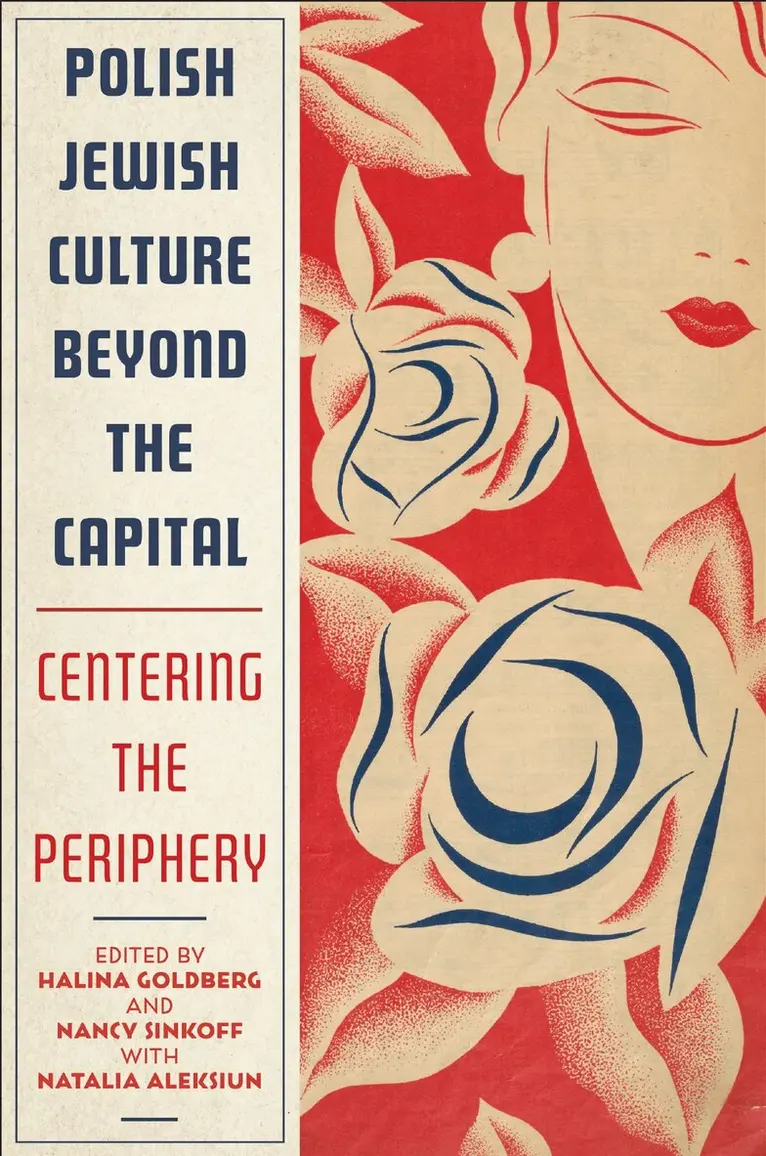
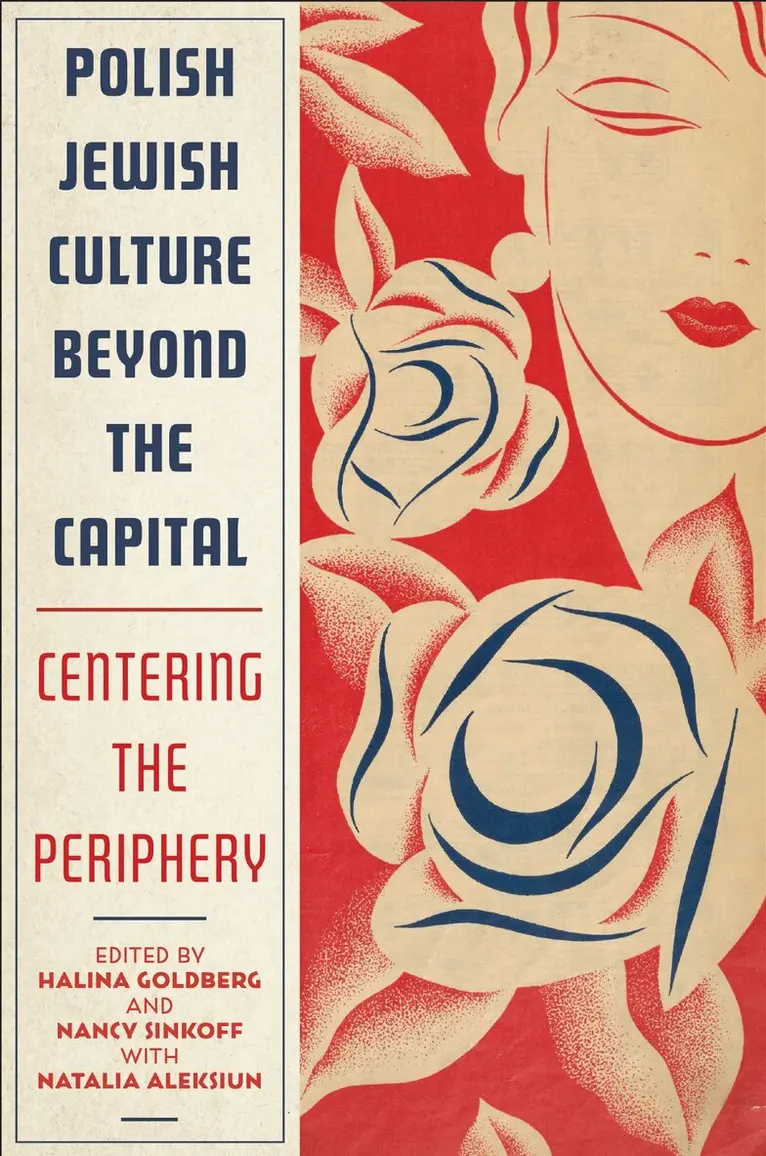
Polish Jewish Culture beyond the Capital: Centering the Periphery is a path-breaking exploration of the diversity and vitality of urban Jewish identity and culture in Polish lands from the second half of the nineteenth century to the outbreak of the Second World War (1899–1939). In this multidisciplinary essay collection, a cohort of international scholars provides an integrated history of the arts and humanities in Poland by illuminating the complex roles Jews in urban centers other than Warsaw played in the creation of Polish and Polish Jewish culture. Each essay presents readers with the extraordinary production and consumption of culture by Polish Jews in literature, film, cabaret, theater, the visual arts, architecture, and music. They show how this process was defined by a reciprocal cultural exchange that flourished between cities at the periphery-from LwÓw and Wilno to KrakÓw and ŁÓdź-and international centers like Warsaw, thereby illuminating the place of Polish Jews within urban European cultures.Companion website (https://polishjewishmusic.iu.edu)
1 617 kr
Skickas inom 7-10 vardagar
Polish Jewish Culture beyond the Capital: Centering the Periphery is a path-breaking exploration of the diversity and vitality of urban Jewish identity and culture in Polish lands from the second half of the nineteenth century to the outbreak of the Second World War (1899–1939). In this multidisciplinary essay collection, a cohort of international scholars provides an integrated history of the arts and humanities in Poland by illuminating the complex roles Jews in urban centers other than Warsaw played in the creation of Polish and Polish Jewish culture. Each essay presents readers with the extraordinary production and consumption of culture by Polish Jews in literature, film, cabaret, theater, the visual arts, architecture, and music. They show how this process was defined by a reciprocal cultural exchange that flourished between cities at the periphery-from LwÓw and Wilno to KrakÓw and ŁÓdź-and international centers like Warsaw, thereby illuminating the place of Polish Jews within urban European cultures.Companion website (https://polishjewishmusic.iu.edu)