Hanna Pięta - Böcker
Visar alla böcker från författaren Hanna Pięta. Handla med fri frakt och snabb leverans.
4 produkter
4 produkter
2 418 kr
Skickas inom 10-15 vardagar
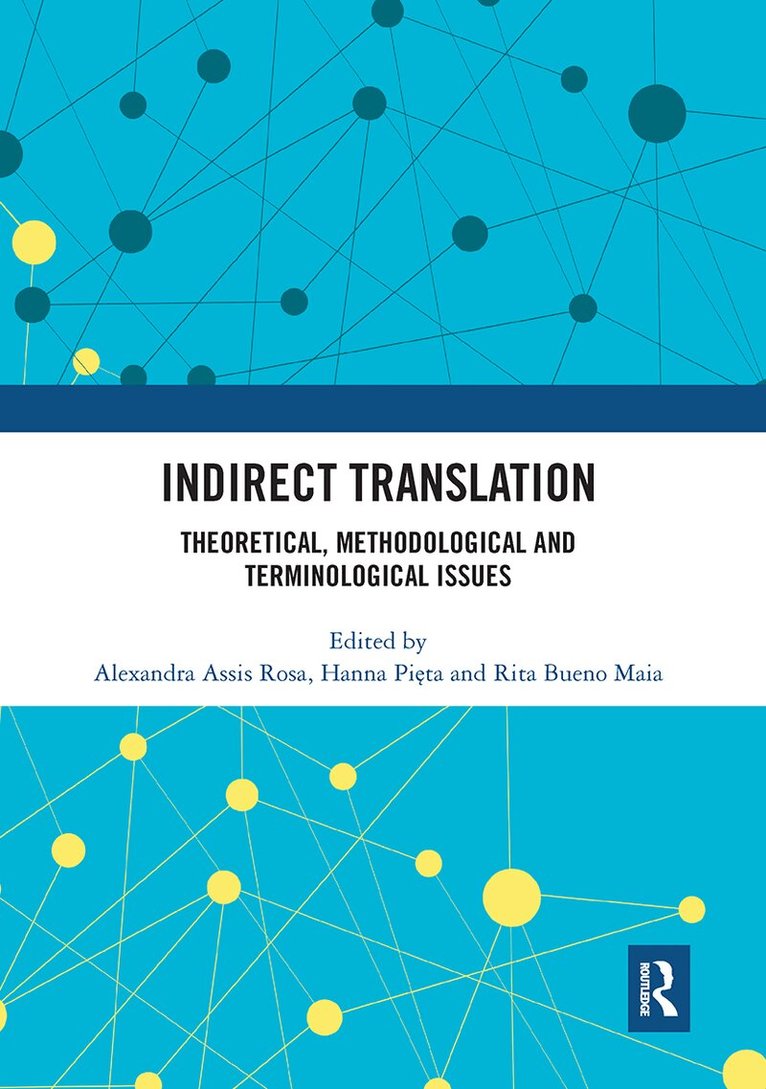
In an effort to counter the marginalization of indirect translation in systematic research, this book establishes innovative theoretical and methodological grounds and mitigates terminological instability in the field. In so doing, it unsettles the binary paradigms still predominant in translation research, such as original versus translation and source versus target culture/language/text. The contributors focus on the indirect translation of literature and cover a variety of European and Asian cultures and languages, such as Assamese, Bengali, Catalan, Chinese, Hindi, Japanese, Kannada, Malayalam, Marathi, Oriya, Russian, Spanish, Swedish, Tamil and Urdu. This book will be of interest to all researchers studying intercultural relations, the probabilistic genealogies of texts, the circulation of texts and ideas among dominant and dominated cultures and groups, and the implications of English as a main pivot language in today’s world. This book was originally published as a special issue of Translation Studies.
580 kr
Skickas inom 10-15 vardagar
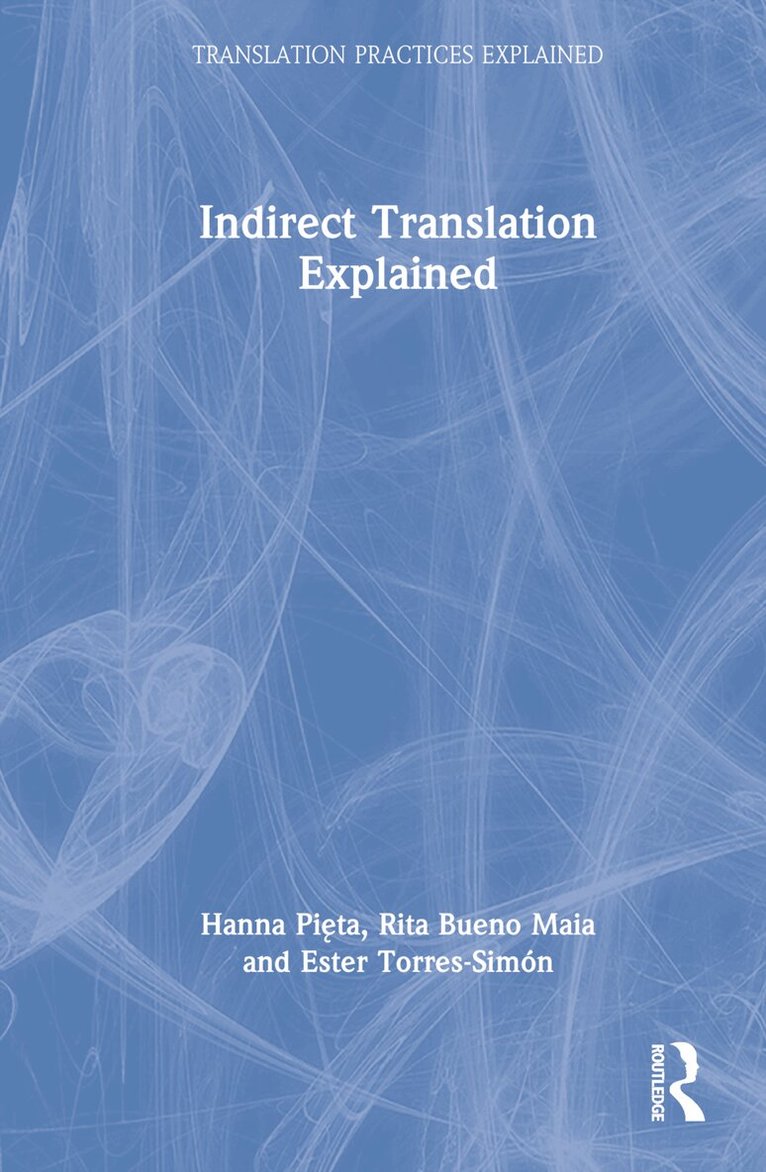
Indirect Translation Explained is the first comprehensive, user-friendly book on the practice of translating indirectly in today’s world. Unlike previous scholarly approaches, which have traditionally focused on translating from the original, this textbook offers practical advice on how to efficiently translate from an already translated text and for the specific purpose of further translation.Written by key specialists in this area of research and drawing on many years of translation teaching and practice, this process-focused textbook covers a range of languages, geographical settings and types of translation, including audiovisual, literary, news, and scientific-technical translation, as well as localization and interpreting. Since this topic addresses the concerns and practices of both more peripheral and more dominant languages, this textbook is usable by all, regardless of the language combinations they work with.Featuring theoretical considerations, tasks for hands-on practice, suggestions for further discussion and diverse, real-world examples, this is the essential textbook for all students and autodidacts learning how to translate via a third language.Additional resources are available on the Routledge Translation Studies Portal: http://routledgetranslationstudiesportal.com
2 151 kr
Skickas inom 10-15 vardagar
Indirect Translation Explained is the first comprehensive, user-friendly book on the practice of translating indirectly in today’s world. Unlike previous scholarly approaches, which have traditionally focused on translating from the original, this textbook offers practical advice on how to efficiently translate from an already translated text and for the specific purpose of further translation.Written by key specialists in this area of research and drawing on many years of translation teaching and practice, this process-focused textbook covers a range of languages, geographical settings and types of translation, including audiovisual, literary, news, and scientific-technical translation, as well as localization and interpreting. Since this topic addresses the concerns and practices of both more peripheral and more dominant languages, this textbook is usable by all, regardless of the language combinations they work with.Featuring theoretical considerations, tasks for hands-on practice, suggestions for further discussion and diverse, real-world examples, this is the essential textbook for all students and autodidacts learning how to translate via a third language.Additional resources are available on the Routledge Translation Studies Portal: http://routledgetranslationstudiesportal.com
709 kr
Skickas inom 10-15 vardagar
In an effort to counter the marginalization of indirect translation in systematic research, this book establishes innovative theoretical and methodological grounds and mitigates terminological instability in the field. In so doing, it unsettles the binary paradigms still predominant in translation research, such as original versus translation and source versus target culture/language/text. The contributors focus on the indirect translation of literature and cover a variety of European and Asian cultures and languages, such as Assamese, Bengali, Catalan, Chinese, Hindi, Japanese, Kannada, Malayalam, Marathi, Oriya, Russian, Spanish, Swedish, Tamil and Urdu. This book will be of interest to all researchers studying intercultural relations, the probabilistic genealogies of texts, the circulation of texts and ideas among dominant and dominated cultures and groups, and the implications of English as a main pivot language in today’s world. This book was originally published as a special issue of Translation Studies.