Hans Krueger – författare
Visar alla böcker från författaren Hans Krueger. Handla med fri frakt och snabb leverans.
8 produkter
8 produkter
E-bok
Engelska, 2010867 kr
Läs direkt efter köp
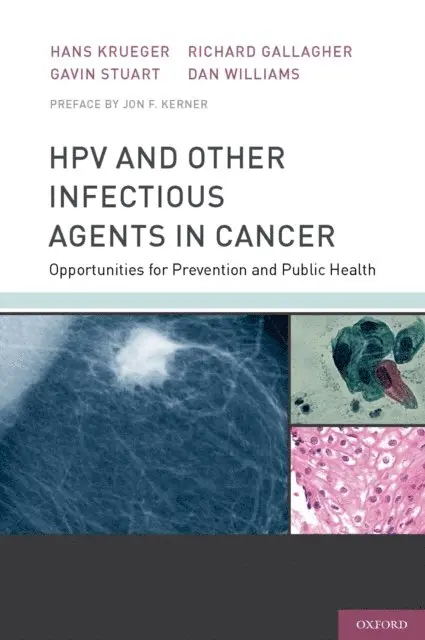
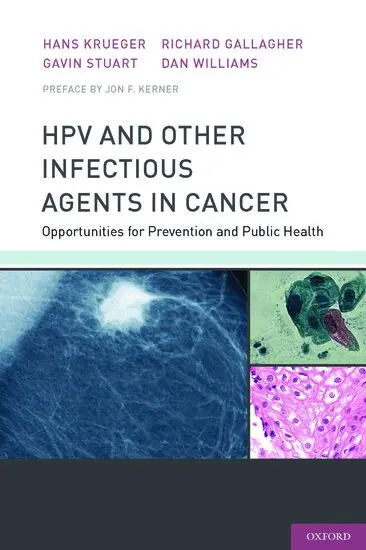
After considering the aging population in developed countries, it has become clear to physicians and public policy administrators that prevention of cancer must play a more important role in national anti-cancer policy than it has in the past. The recent introduction of an HPV vaccine, coupled with discoveries concerning the relationship of H. pylori and cancer has brought the role of infectious agents in cancer into sharp focus in the medical community. While interest in the subject has grown, no single source existed to bring clinicians up-to-date on developments in disease mechanisms, population-based risk assessment and policy considerations in the field of cancer prevention. In this current and comprehensive text the authors review the basic science and clinical implications of individual infectious agents, while going beyond a mere update of the literature to offer insights on the current emerging prevention possibilities. This prevention perspective is what makes this particular text so valuable to researchers, epidemiologists, health care policy makers and oncologists. The discussion is organized to highlight the vital role of primary cancer prevention, and suggest directions for future research, practice and policy.Since HPV continues to be at the center of interest in the arena of infectious agents and cancer, the authors frame the majority of their discussion on this now-famous virus. The sheer volume of literature related to this virus and its many related cancers, and the burgeoning research on the development and implementation of a prophylactic vaccine necessitates a much fuller review of this infectious agent. Therefore, the book is roughly divided into two equal parts: one part devoted to HPV and another part devoted to five other prominent infectious agents in cancer.
Inbunden, Engelska, 2010
1 572 kr
Skickas inom 5-8 vardagar
After considering the aging population in developed countries, it has become clear to physicians and public policy administrators that prevention of cancer must play a more important role in national anti-cancer policy than it has in the past. The recent introduction of an HPV vaccine, coupled with discoveries concerning the relationship of H. pylori and cancer has brought the role of infectious agents in cancer into sharp focus in the medical community. While interest in the subject has grown, no single source existed to bring clinicians up-to-date on developments in disease mechanisms, population-based risk assessment and policy considerations in the field of cancer prevention. In this current and comprehensive text the authors review the basic science and clinical implications of individual infectious agents, while going beyond a mere update of the literature to offer insights on the current emerging prevention possibilities. This prevention perspective is what makes this particular text so valuable to researchers, epidemiologists, health care policy makers and oncologists. The discussion is organized to highlight the vital role of primary cancer prevention, and suggest directions for future research, practice and policy. Since HPV continues to be at the center of interest in the arena of infectious agents and cancer, the authors frame the majority of their discussion on this now-famous virus. The sheer volume of literature related to this virus and its many related cancers, and the burgeoning research on the development and implementation of a prophylactic vaccine necessitates a much fuller review of this infectious agent. Therefore, the book is roughly divided into two equal parts: one part devoted to HPV and another part devoted to five other prominent infectious agents in cancer.
E-bok
PDF, Engelska, 2010867 kr
Läs direkt efter köp
After considering the aging population in developed countries, it has become clear to physicians and public policy administrators that prevention of cancer must play a more important role in national anti-cancer policy than it has in the past. The recent introduction of an HPV vaccine, coupled with discoveries concerning the relationship of H. pylori and cancer has brought the role of infectious agents in cancer into sharp focus in the medical community. While interest in the subject has grown, no single source existed to bring clinicians up-to-date on developments in disease mechanisms, population-based risk assessment and policy considerations in the field of cancer prevention. In this current and comprehensive text the authors review the basic science and clinical implications of individual infectious agents, while going beyond a mere update of the literature to offer insights on the current emerging prevention possibilities. This prevention perspective is what makes this particular text so valuable to researchers, epidemiologists, health care policy makers and oncologists. The discussion is organized to highlight the vital role of primary cancer prevention, and suggest directions for future research, practice and policy. Since HPV continues to be at the center of interest in the arena of infectious agents and cancer, the authors frame the majority of their discussion on this now-famous virus. The sheer volume of literature related to this virus and its many related cancers, and the burgeoning research on the development and implementation of a prophylactic vaccine necessitates a much fuller review of this infectious agent. Therefore, the book is roughly divided into two equal parts: one part devoted to HPV and another part devoted to five other prominent infectious agents in cancer.
Inbunden, Engelska, 2013
623 kr
Skickas inom 5-8 vardagar
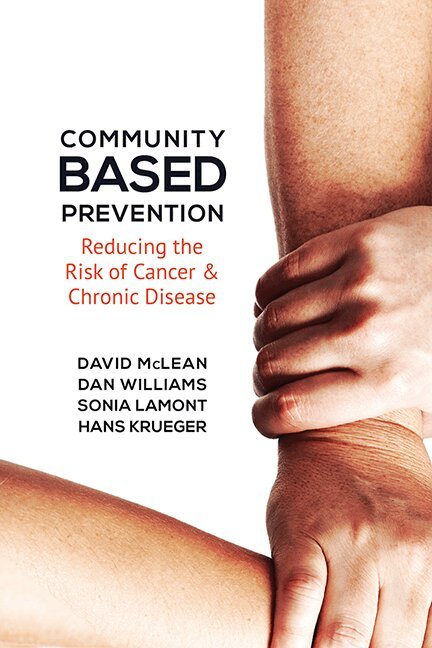
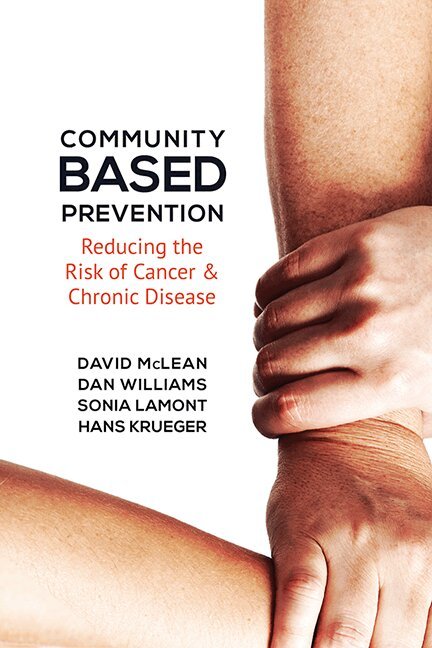
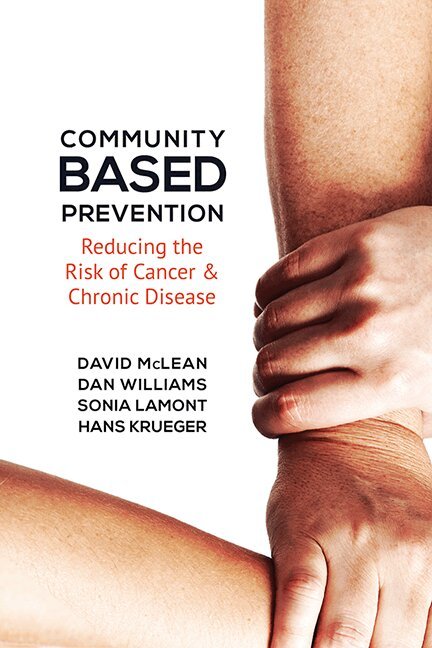
Cancer and chronic disease are a rapidly increasing global health burden: according to the Milken Institute, the annual cost to the national US economy of the seven most common chronic conditions will rise to $4.2 trillion by 2023. The data are just as dramatic in Canada, Europe, Australia, and increasingly, in countries in the developing world. As communities, governments, and health organizations worldwide struggle to avoid being swamped by health care costs – not to mention the impact of suffering and poor quality of life – the only long-term, sustainable hope must be based on prevention efforts.This book presents a promising new approach to educating, engaging, empowering, and generating action within communities as part of that broader prevention agenda. The authors review representative global experiences with community based prevention educators, focusing on the prevention coordination work that can be accomplished within geographical areas ranging from local communities to broader regions. Among the findings they reveal in this book are the fundamental elements of successful Community Based Prevention programs – skilled staff, high-quality evaluation, and sustained investment in prevention efforts.
E-bok
PDF, Engelska, 2013771 kr
Läs direkt efter köp
Cancer and chronic disease are a rapidly increasing global health burden: according to the Milken Institute, the annual cost to the national US economy of the seven most common chronic conditions will rise to $4.2 trillion by 2023. The data are just as dramatic in Canada, Europe, Australia, and increasingly, in countries in the developing world. As communities, governments, and health organizations worldwide struggle to avoid being swamped by health care costs – not to mention the impact of suffering and poor quality of life – the only long-term, sustainable hope must be based on prevention efforts.This book presents a promising new approach to educating, engaging, empowering, and generating action within communities as part of that broader prevention agenda. The authors review representative global experiences with community based prevention educators, focusing on the prevention coordination work that can be accomplished within geographical areas ranging from local communities to broader regions. Among the findings they reveal in this book are the fundamental elements of successful Community Based Prevention programs – skilled staff, high-quality evaluation, and sustained investment in prevention efforts.
E-bok
Engelska, 2013771 kr
Läs direkt efter köp
Cancer and chronic disease are a rapidly increasing global health burden: according to the Milken Institute, the annual cost to the national US economy of the seven most common chronic conditions will rise to $4.2 trillion by 2023. The data are just as dramatic in Canada, Europe, Australia, and increasingly, in countries in the developing world. As communities, governments, and health organizations worldwide struggle to avoid being swamped by health care costs – not to mention the impact of suffering and poor quality of life – the only long-term, sustainable hope must be based on prevention efforts.This book presents a promising new approach to educating, engaging, empowering, and generating action within communities as part of that broader prevention agenda. The authors review representative global experiences with community based prevention educators, focusing on the prevention coordination work that can be accomplished within geographical areas ranging from local communities to broader regions. Among the findings they reveal in this book are the fundamental elements of successful Community Based Prevention programs – skilled staff, high-quality evaluation, and sustained investment in prevention efforts.
E-bok
PDF, Engelska, 2007488 kr
Läs direkt efter köp
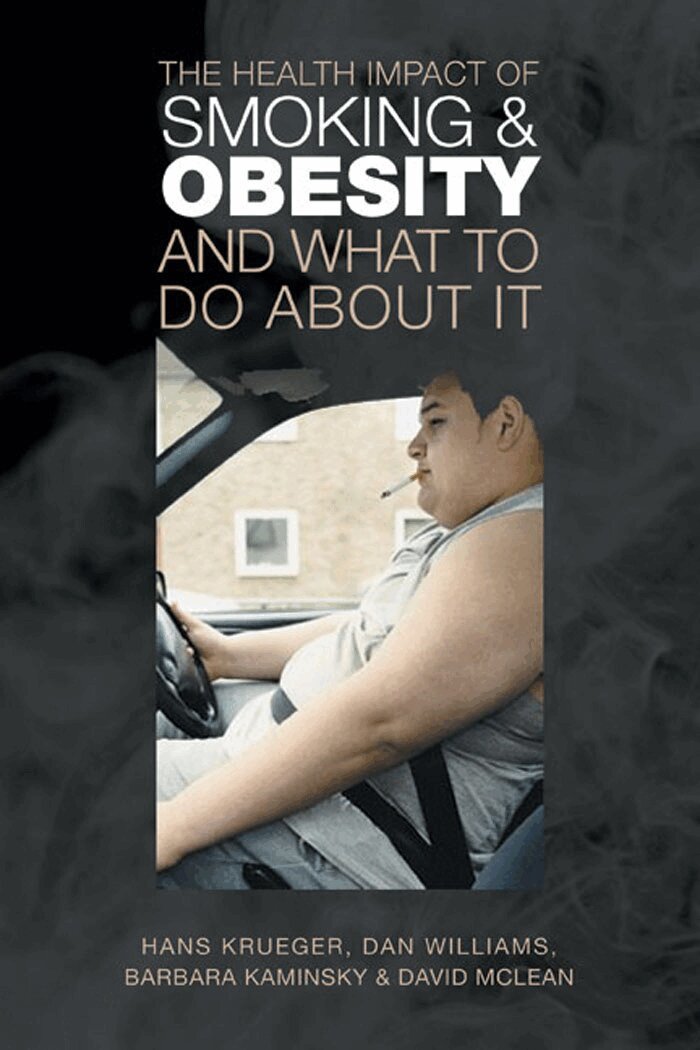
Despite significant progress due to public health campaigns and other policy efforts, smoking continues to be a serious health threat throughout the world. In addition, sedentary lifestyles, poor diet, and obesity continue to be major causes of chronic diseases. The Health Impact of Smoking and Obesity and What to Do about It synthesizes a vast quantity of recent data on the benefits and cost-effectiveness of both clinical and public health interventions in addressing the risk factors of smoking and obesity.A large proportion of chronic disease is preventable. The Health Impact of Smoking and Obesity and What to Do about It provides solid evidence and practical advice to health care planners, decision-makers, and frontline providers alike. The volume discusses various approaches to measuring disease burden and setting health care targets, and provides a summary of interventions of proven effectiveness. Taking into account the vital lessons learned from the experience of tobacco control over forty years, and focusing on the current state of the evidence for obesity control, the study stresses the importance of comprehensive strategies that deal with both individual behaviour changes and the need to encourage social contexts that enhance healthy choices and lifestyles.
E-bok
Engelska, 2007551 kr
Läs direkt efter köp
Despite significant progress due to public health campaigns and other policy efforts, smoking continues to be a serious health threat throughout the world. In addition, sedentary lifestyles, poor diet, and obesity continue to be major causes of chronic diseases. The Health Impact of Smoking and Obesity and What to Do about It synthesizes a vast quantity of recent data on the benefits and cost-effectiveness of both clinical and public health interventions in addressing the risk factors of smoking and obesity.A large proportion of chronic disease is preventable. The Health Impact of Smoking and Obesity and What to Do about It provides solid evidence and practical advice to health care planners, decision-makers, and frontline providers alike. The volume discusses various approaches to measuring disease burden and setting health care targets, and provides a summary of interventions of proven effectiveness. Taking into account the vital lessons learned from the experience of tobacco control over forty years, and focusing on the current state of the evidence for obesity control, the study stresses the importance of comprehensive strategies that deal with both individual behaviour changes and the need to encourage social contexts that enhance healthy choices and lifestyles.