Harihara Subramanian - Böcker
Visar alla böcker från författaren Harihara Subramanian. Handla med fri frakt och snabb leverans.
3 produkter
3 produkter
2 577 kr
Skickas inom 10-15 vardagar
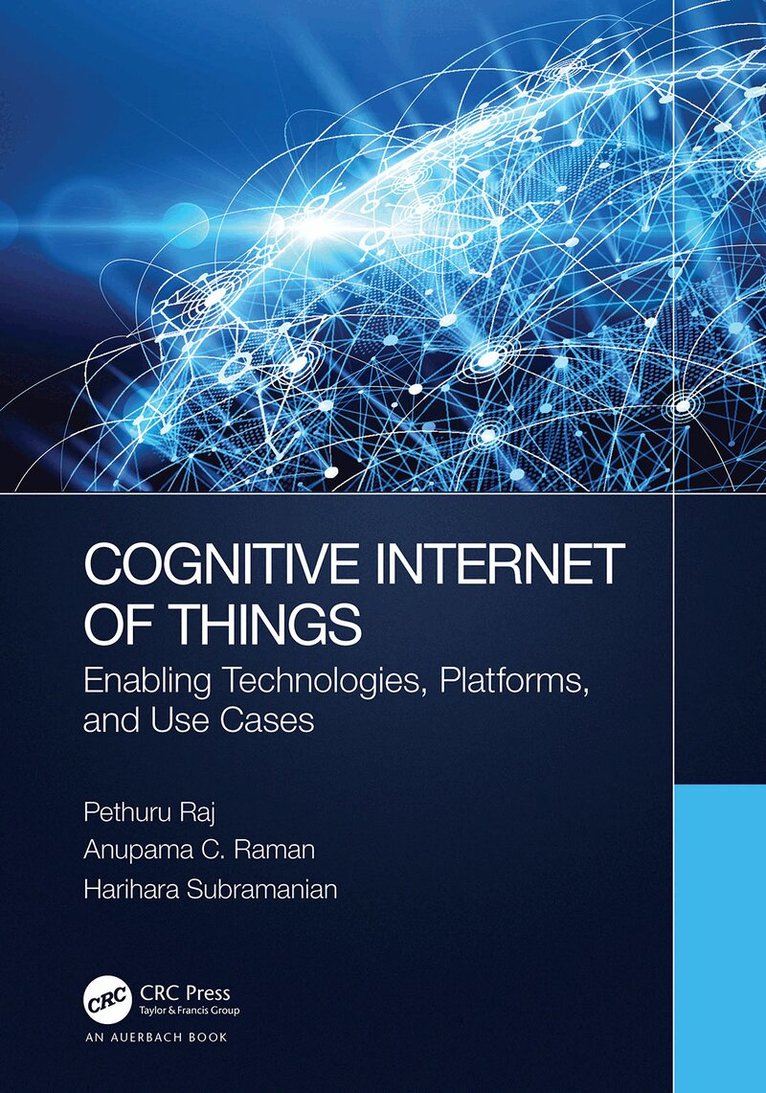
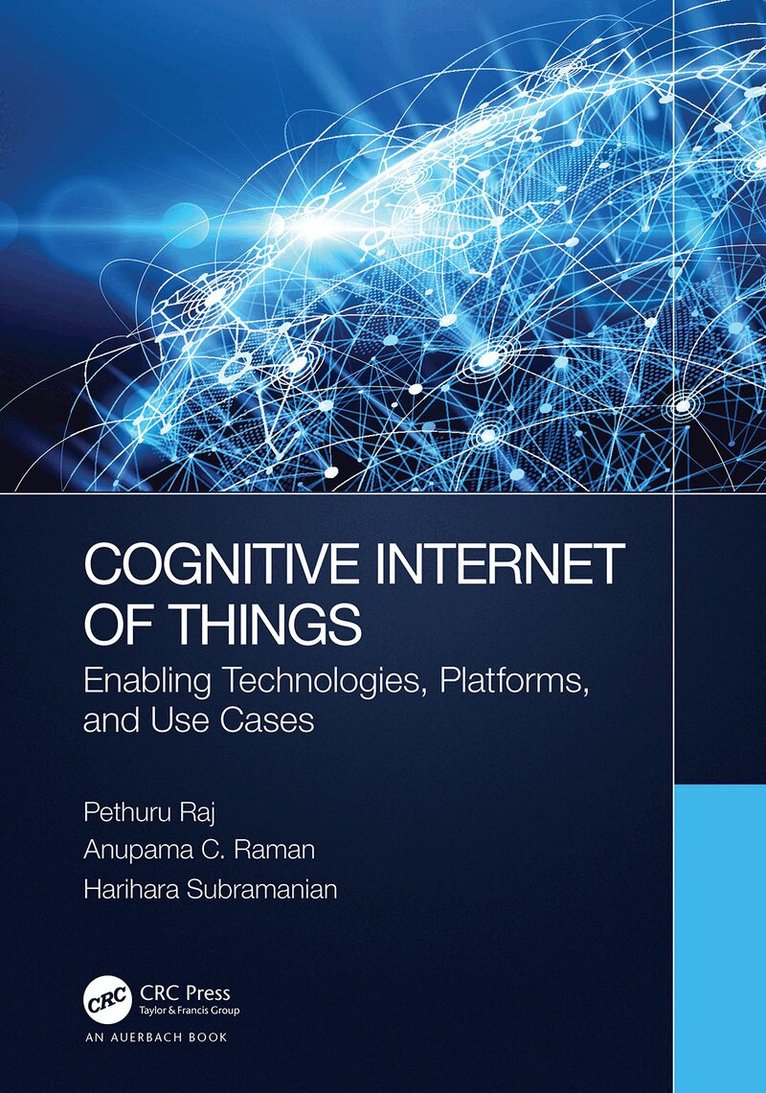
The Internet of Things (IoT) concept is defined as a flexible and futuristic network where all the different types of devices and smart objects can become seamlessly connected to each other and can actively participate in all types of processes which are happening around us. The grand objective of making physical, mechanical, electrical, and electronic devices to use the deeper and extreme connectivity and service-enablement techniques is to make them intelligent in their deeds, decisions, and deals. Cognitive IoT is the application of cognitive computing technologies to the data which is generated by the connected devices of the IoT ecosystem. Cognition means thinking; however, computers are not yet fully capable of mimicking human like thought. However, the present-day computer systems can perform some functions which are like the capability of human beings to think.Cognitive Internet of Things: Enabling Technologies, Platforms, and Use Cases explains the concepts surrounding Cognitive IoT. It also looks at the use cases and such supporting technologies as artificial intelligence and machine learning that act as key enablers of Cognitive IoT ecosystem. Different Cognitive IoT enabled platforms like IBM Watson and other product specific use cases like Amazon Alexa are covered in depth. Other highlights of the book include:Demystifying the cognitive computing paradigmDelineating the key capabilities of cognitive cloud environmentsDeep learning algorithms for cognitive IoT solutionsNatural language processing (NLP) methods for cognitive IoT systemsDesigning a secure infrastructure for cognitive IoT platforms and applications
1 171 kr
Skickas inom 10-15 vardagar
The Internet of Things (IoT) concept is defined as a flexible and futuristic network where all the different types of devices and smart objects can become seamlessly connected to each other and can actively participate in all types of processes which are happening around us. The grand objective of making physical, mechanical, electrical, and electronic devices to use the deeper and extreme connectivity and service-enablement techniques is to make them intelligent in their deeds, decisions, and deals. Cognitive IoT is the application of cognitive computing technologies to the data which is generated by the connected devices of the IoT ecosystem. Cognition means thinking; however, computers are not yet fully capable of mimicking human like thought. However, the present-day computer systems can perform some functions which are like the capability of human beings to think.Cognitive Internet of Things: Enabling Technologies, Platforms, and Use Cases explains the concepts surrounding Cognitive IoT. It also looks at the use cases and such supporting technologies as artificial intelligence and machine learning that act as key enablers of Cognitive IoT ecosystem. Different Cognitive IoT enabled platforms like IBM Watson and other product specific use cases like Amazon Alexa are covered in depth. Other highlights of the book include:Demystifying the cognitive computing paradigmDelineating the key capabilities of cognitive cloud environmentsDeep learning algorithms for cognitive IoT solutionsNatural language processing (NLP) methods for cognitive IoT systemsDesigning a secure infrastructure for cognitive IoT platforms and applications
Architectural Patterns
Uncover essential patterns in the most indispensable realm of enterprise architecture
Häftad, Engelska, 2017
631 kr
Skickas inom 5-8 vardagar
Learn the importance of architectural and design patterns in producing and sustaining next-generation IT and business-critical applications with this guide.Key Features Use patterns to tackle communication, integration, application structure, and more Implement modern design patterns such as microservices to build resilient and highly available applications Choose between the MVP, MVC, and MVVM patterns depending on the application being builtBook Description Enterprise Architecture (EA) is typically an aggregate of the business, application, data, and infrastructure architectures of any forward-looking enterprise. Due to constant changes and rising complexities in the business and technology landscapes, producing sophisticated architectures is on the rise. Architectural patterns are gaining a lot of attention these days. The book is divided in three modules. You'll learn about the patterns associated with object-oriented, component-based, client-server, and cloud architectures. The second module covers Enterprise Application Integration (EAI) patterns and how they are architected using various tools and patterns. You will come across patterns for Service-Oriented Architecture (SOA), Event-Driven Architecture (EDA), Resource-Oriented Architecture (ROA), big data analytics architecture, and Microservices Architecture (MSA). The final module talks about advanced topics such as Docker containers, high performance, and reliable application architectures. The key takeaways include understanding what architectures are, why they're used, and how and where architecture, design, and integration patterns are being leveraged to build better and bigger systems.What you will learn Understand how several architectural and design patterns work to systematically develop multitier web, mobile, embedded, and cloud applications Learn object-oriented and component-based software engineering principles and patterns Explore the frameworks corresponding to various architectural patterns Implement domain-driven, test-driven, and behavior-driven methodologies Deploy key platforms and tools effectively to enable EA design and solutioning Implement various patterns designed for the cloud paradigmWho this book is for This book will empower and enrich IT architects (such as enterprise architects, software product architects, and solution and system architects), technical consultants, evangelists, and experts.