Harriet M. Phinney – författare
Visar alla böcker från författaren Harriet M. Phinney. Handla med fri frakt och snabb leverans.
4 produkter
4 produkter
1 763 kr
Skickas inom 5-8 vardagar
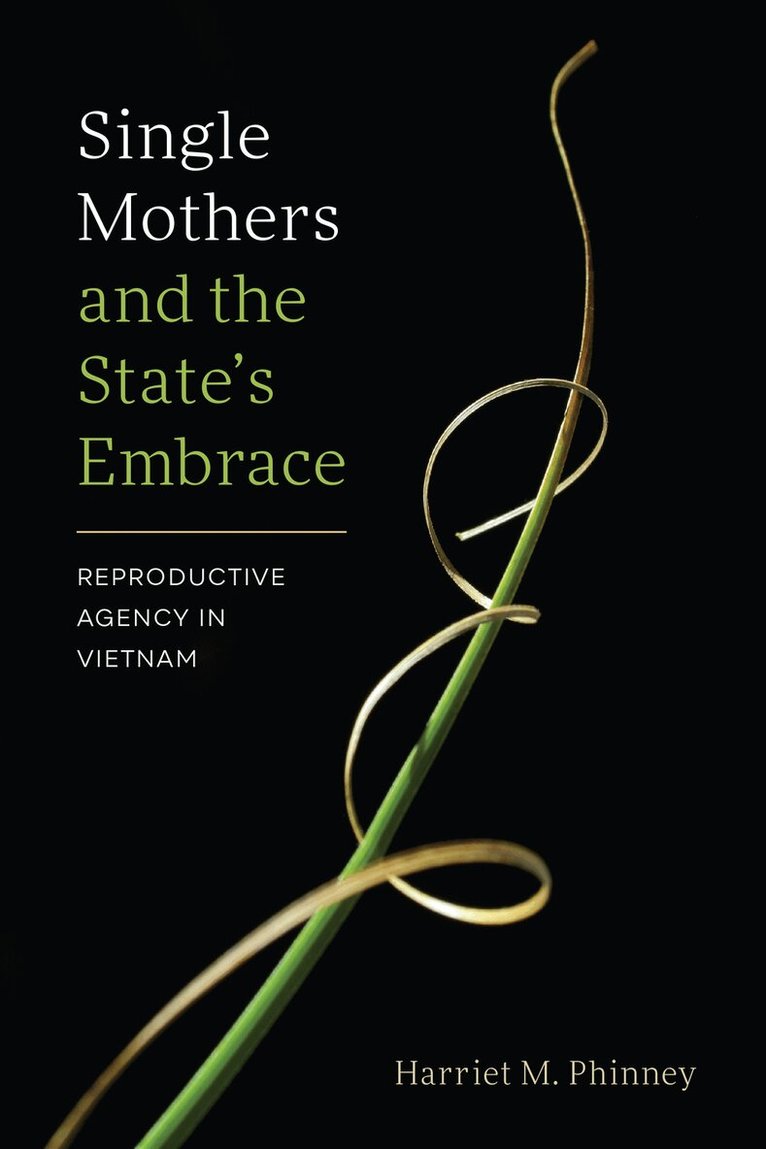
The first in-depth study of xin con (asking for a child)In the mid-1980s, after the Indochina Wars, a shortage of men meant that many single women in Vietnam found themselves without suitable marital prospects. A number of these women chose to pursue single motherhood by "asking for a child" (xin con)—asking men to get them pregnant out of wedlock. Xin con appeared to be a radical departure from traditional Vietnamese kinship values and practices, which were based in Confucian patriarchal and patrilineal reproductive interests. However, this innovative solution was rooted in both pre- and postwar values, practices, and notions of gender, kinship, love, and sexuality.This ethnography explores the practice of xin con among single mothers in the postwar era and today, and considers the ways their reproductive agency was embraced rather than rejected by the Vietnamese state as it entered the global market economy. Rather than condemning or trying to restrict older single women's reproductive agency, government officials enacted policies that would accommodate both the women and the state—a strategy that represents an intriguing alignment of Confucian heritage, Communist ideology, and governing tactics and demonstrates the social power of women.
505 kr
Skickas inom 5-8 vardagar
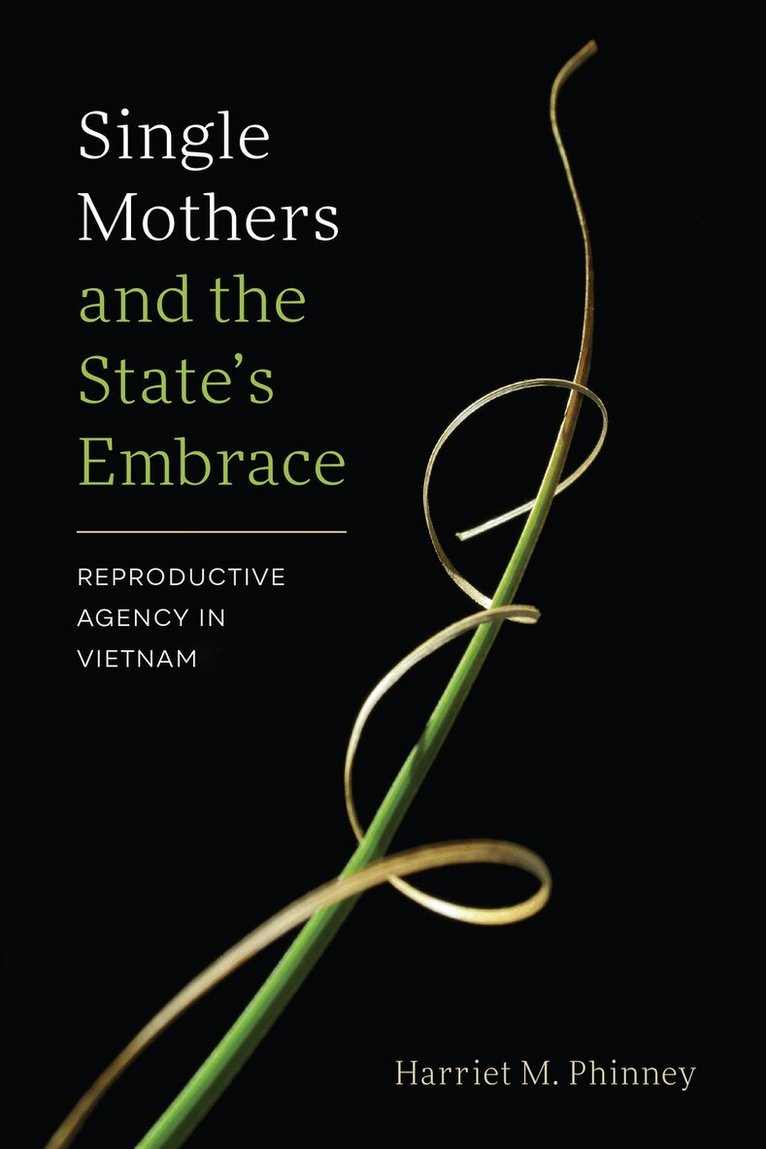
The first in-depth study of xin con (asking for a child)In the mid-1980s, after the Indochina Wars, a shortage of men meant that many single women in Vietnam found themselves without suitable marital prospects. A number of these women chose to pursue single motherhood by “asking for a child” (xin con)—asking men to get them pregnant out of wedlock. Xin con appeared to be a radical departure from traditional Vietnamese kinship values and practices, which were based in Confucian patriarchal and patrilineal reproductive interests. However, this innovative solution was rooted in both pre- and postwar values, practices, and notions of gender, kinship, love, and sexuality.This ethnography explores the practice of xin con among single mothers in the postwar era and today, and considers the ways their reproductive agency was embraced rather than rejected by the Vietnamese state as it entered the global market economy. Rather than condemning or trying to restrict older single women’s reproductive agency, government officials enacted policies that would accommodate both the women and the state—a strategy that represents an intriguing alignment of Confucian heritage, Communist ideology, and governing tactics and demonstrates the social power of women.
1 362 kr
Skickas inom 5-8 vardagar
For many women around the world, their greatest risk of HIV infection comes from having sex with the very person with whom they are supposed to have sex: their spouse. ""The Secret"" situates marital HIV risk within a broader exploration of marital and extramarital sexuality in five diverse settings: Mexico, Nigeria, Uganda, Vietnam, and Papua New Guinea. In these settings, the authors write, extramarital sex is an officially secret but actually widespread (and widely acknowledged) social practice, rather than something men do because their bodies demand it and women can't stop them. Drawing on research conducted as part of an innovative comparative ethnographic study, and modeling a novel approach to collaborative anthropological scholarship, the authors show extramarital sex to be a fundamental aspect of gendered social organization. Through theoretically sophisticated yet lucid writing and vivid ethnographic description, drawing on rich data from the marital case studies conducted by research teams in each country, they trace how extramarital opportunity structures, sexual geographies, and concerns about social risk facilitate men's participation in extramarital sex. Also documented throughout is the collision between traditional ways and the new practices of romantic companionate marriage.
553 kr
Skickas inom 5-8 vardagar
For many women around the world, their greatest risk of HIV infection comes from having sex with the very person with whom they are supposed to have sex: their spouse. ""The Secret"" situates marital HIV risk within a broader exploration of marital and extramarital sexuality in five diverse settings: Mexico, Nigeria, Uganda, Vietnam, and Papua New Guinea. In these settings, the authors write, extramarital sex is an officially secret but actually widespread (and widely acknowledged) social practice, rather than something men do because their bodies demand it and women can't stop them. Drawing on research conducted as part of an innovative comparative ethnographic study, and modeling a novel approach to collaborative anthropological scholarship, the authors show extramarital sex to be a fundamental aspect of gendered social organization. Through theoretically sophisticated yet lucid writing and vivid ethnographic description, drawing on rich data from the marital case studies conducted by research teams in each country, they trace how extramarital opportunity structures, sexual geographies, and concerns about social risk facilitate men's participation in extramarital sex. Also documented throughout is the collision between traditional ways and the new practices of romantic companionate marriage.