Harry F. Baker – författare
Visar alla böcker från författaren Harry F. Baker. Handla med fri frakt och snabb leverans.
6 produkter
6 produkter
Inbunden, Engelska, 1996
1 674 kr
Skickas inom 10-15 vardagar
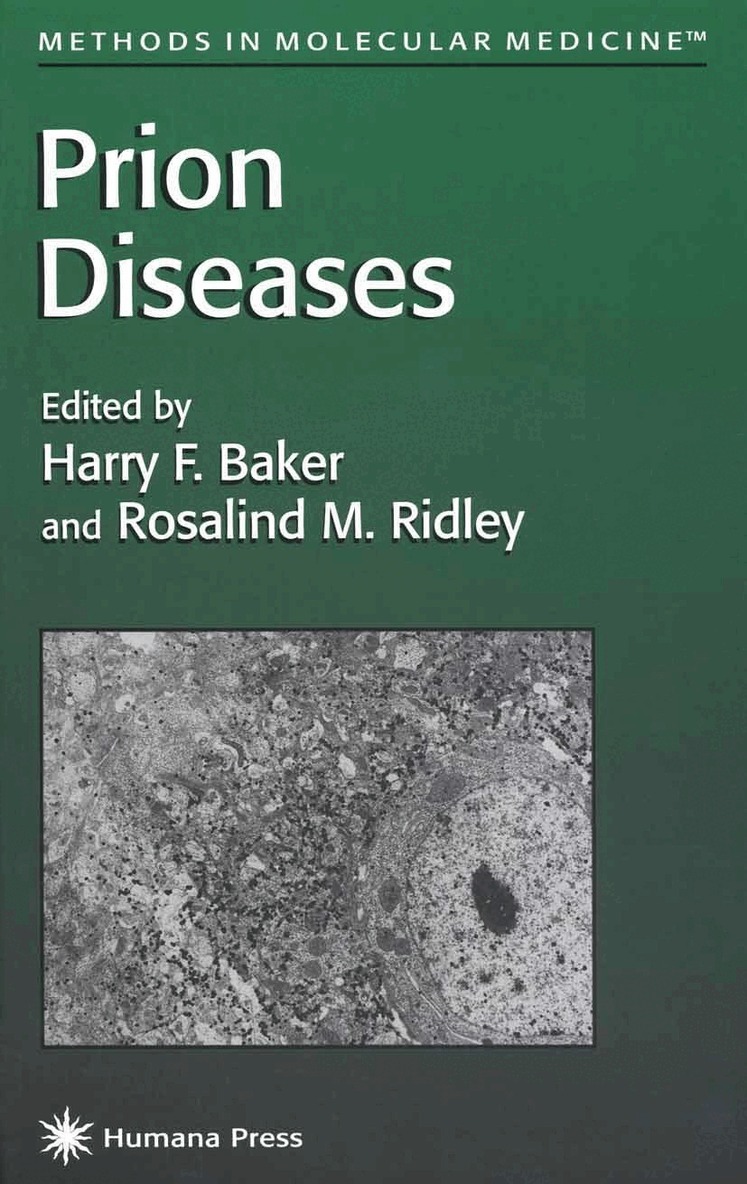
Leading researchers and clinicians describe their state-of-the-art findings and hypotheses arising from a variety of different approaches to this group of diseases. Their approaches include clinical presentations, epidemiology, transgenic methods, and diagnostic tests via transmission electron microscopy and immunoblotting. The diseases treated range from human to animal spongiform encephalopathies and include Creutzfeldt-Jakob disease, mad cow disease, and scrapie.
Inbunden, Engelska, 2001
1 119 kr
Skickas inom 10-15 vardagar
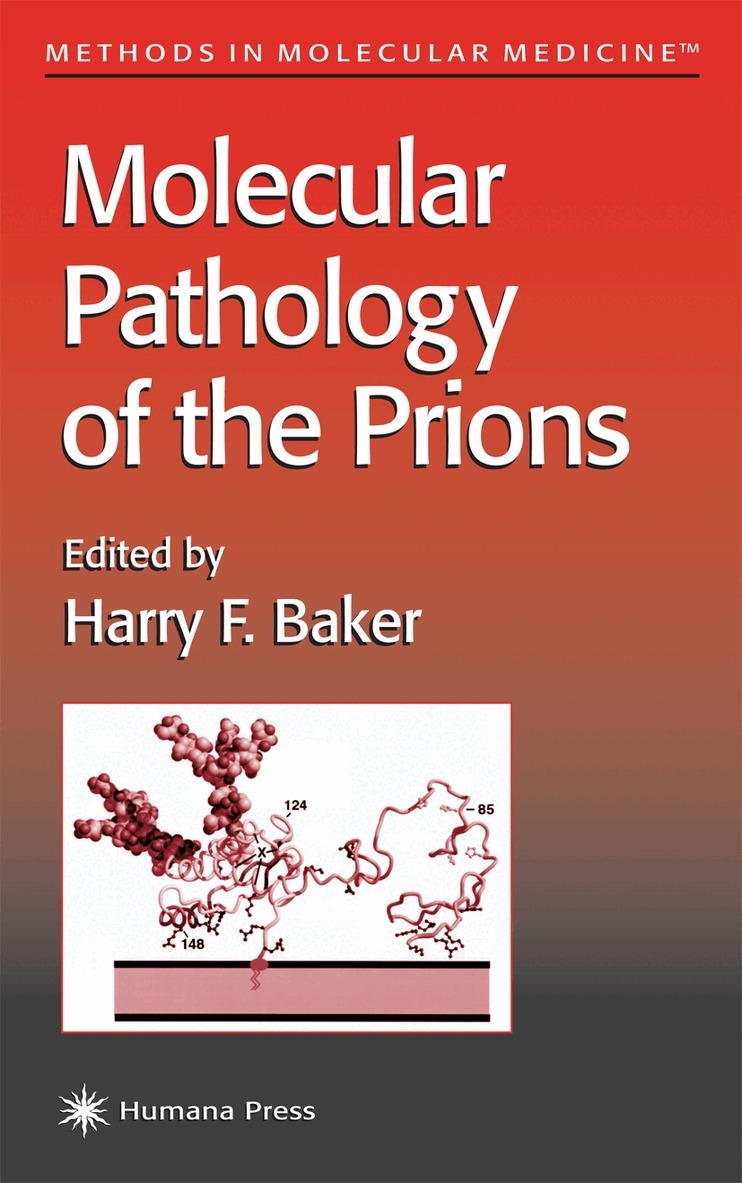
Internationally recognized investigators review the latest developments in, and novel approaches to, understanding the prion protein and prion diseases at the molecular level.
Häftad, Engelska, 2013
1 626 kr
Skickas inom 10-15 vardagar
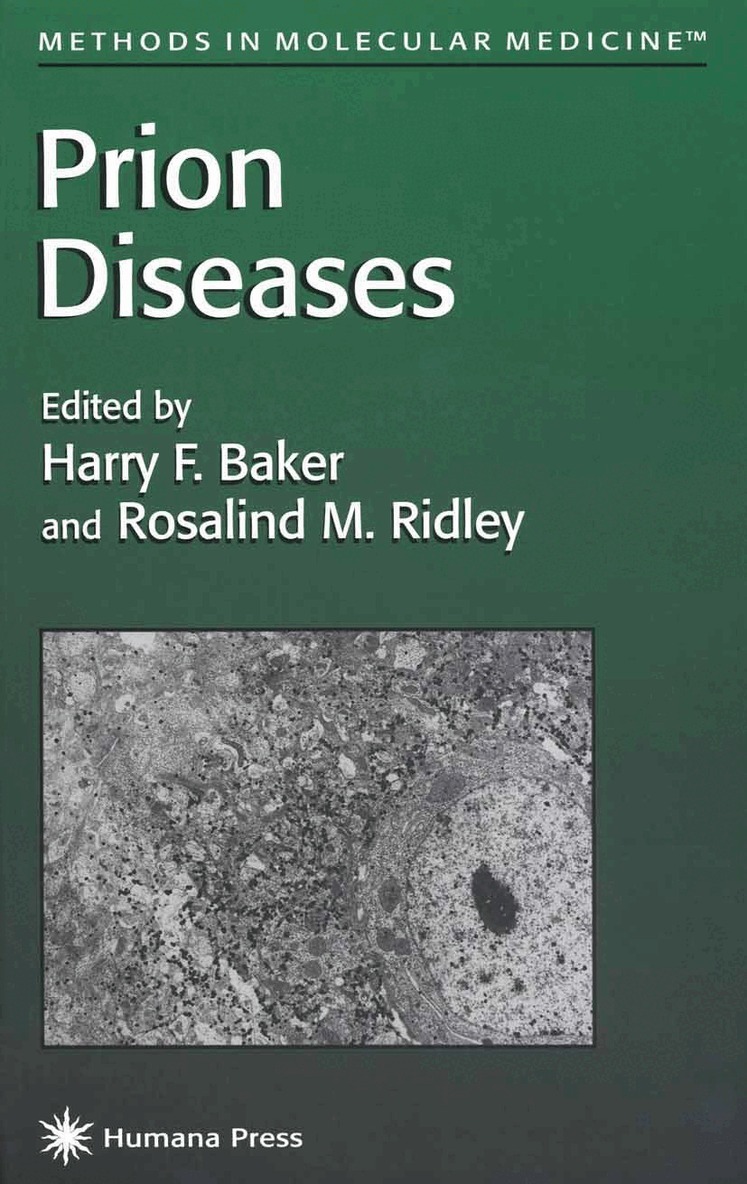
Harry Baker and Rosalind Ridley have done an admirable job in assem bling this collection of articles that describe the methodology frequently used to study a group of CNS illnesses often referred to as the "prion diseases."
E-bok
Engelska, 20081 408 kr
Läs direkt efter köp
Internationally recognized investigators review the latest developments in, and novel approaches to, understanding the prion protein and prion diseases at the molecular level. Utilizing a variety of cutting-edge techniques, these distinguished scientists seek to define the normal function of a prion protein, to detect and measure the early immune response to prion disease, and to discover possible therapeutic targets. They also use transgenic mice and new electrophysiological investigations to elucidate the pathogenetic mechanisms involved in prion diseases. State-of-the-art and richly insightful, Molecular Pathology of the Prions captures for basic and clinical neuropathologists the latest developments and approaches to understanding the pathogenesis of prion diseases, and by analogy suggests possible research techniques for the more common proteinopthies, such as Alzheimer''s and Parkinson''s diseases.
E-bok
Engelska, 20082 049 kr
Läs direkt efter köp
Harry Baker and Rosalind Ridley have done an admirable job in assem bling this collection of articles that describe the methodology frequently used to study a group of CNS illnesses often referred to as the "prion diseases." Research on prions and the disorders that they cause has progressed relatively rapidly over the last decade since the discovery of the prion protein (PrP) that allowed the application of modem molecular biological and genetic tools. The power of these techniques is awesome and their use in deciphering the once mysterious prion diseases has brought a wealth of new information. Although prions are unprecedented pathogens, appearing to consist only of PrPSc molecules, the diseases that they cause are no less remarkable. The prion diseases in animals include scrapie of sheep and goats as well as "mad cow" disease or bovine spongiform encephalopathy (BSE). In the United King dom, the epidemic of BSE has heightened public awareness of this previously obscure group of diseases such that any work in the field is likely to stir up interest in the media and become a subject of public debate. It has been diffi cult for British investigators to work on prion diseases without being involved in these controversies. As such, several chapters have been included that deal with political and social issues surrounding prion diseases. The human prion diseases present an equally fascinating saga in which these CNS degenerations present as genetic, sporadic, and infectious illnesses.
Häftad, Engelska, 2010
1 563 kr
Skickas inom 10-15 vardagar
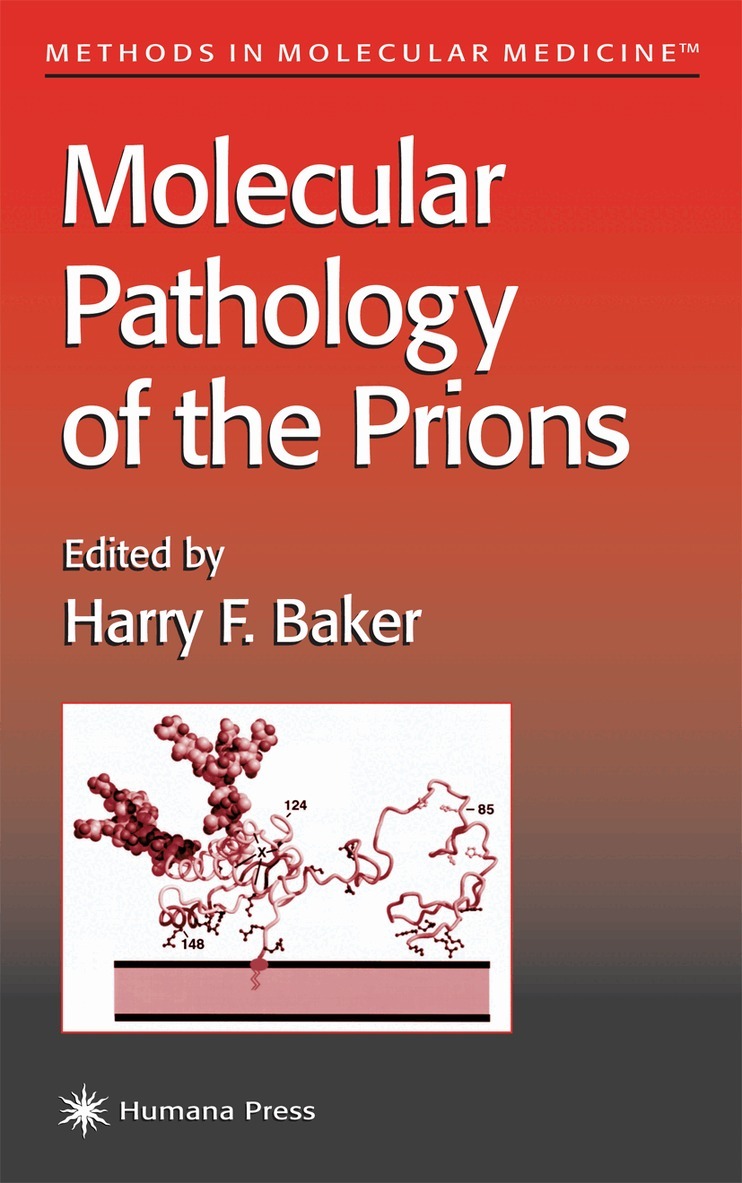
Internationally recognized investigators review the latest developments in, and novel approaches to, understanding the prion protein and prion diseases at the molecular level. Utilizing a variety of cutting-edge techniques, these distinguished scientists seek to define the normal function of a prion protein, to detect and measure the early immune response to prion disease, and to discover possible therapeutic targets. They also use transgenic mice and new electrophysiological investigations to elucidate the pathogenetic mechanisms involved in prion diseases. State-of-the-art and richly insightful, Molecular Pathology of the Prions captures for basic and clinical neuropathologists the latest developments and approaches to understanding the pathogenesis of prion diseases, and by analogy suggests possible research techniques for the more common proteinopthies, such as Alzheimer's and Parkinson's diseases.