Harry Pappas – författare
Visar alla böcker från författaren Harry Pappas. Handla med fri frakt och snabb leverans.
15 produkter
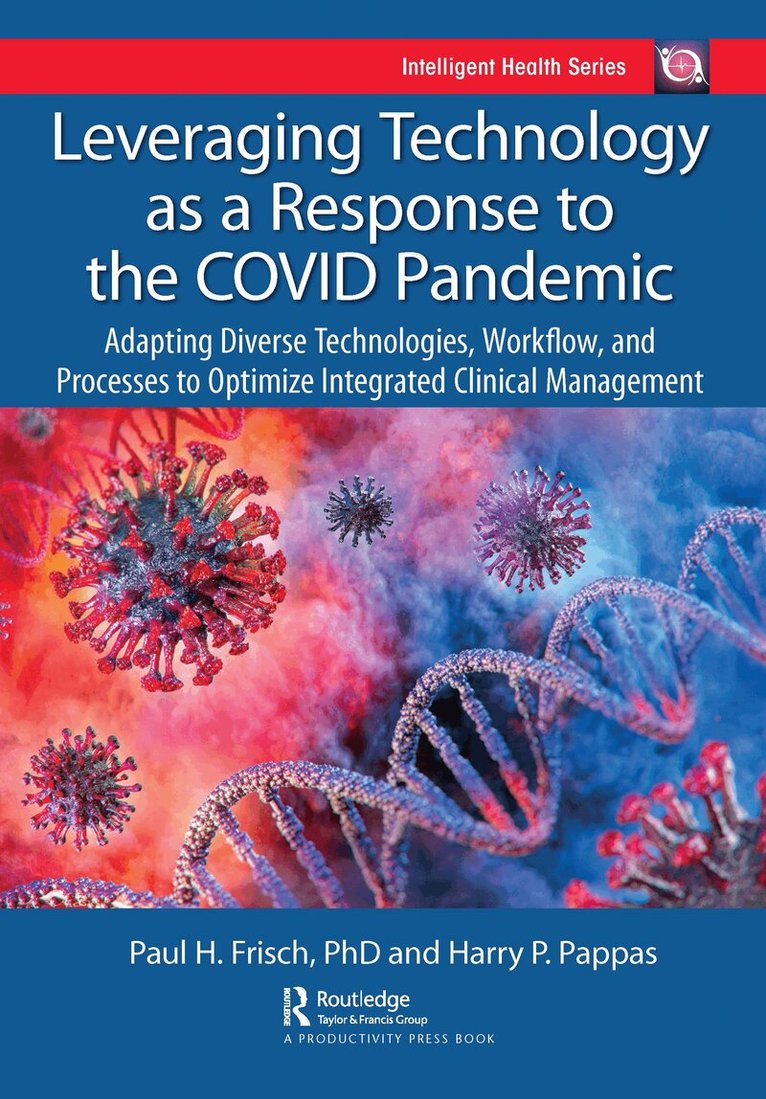
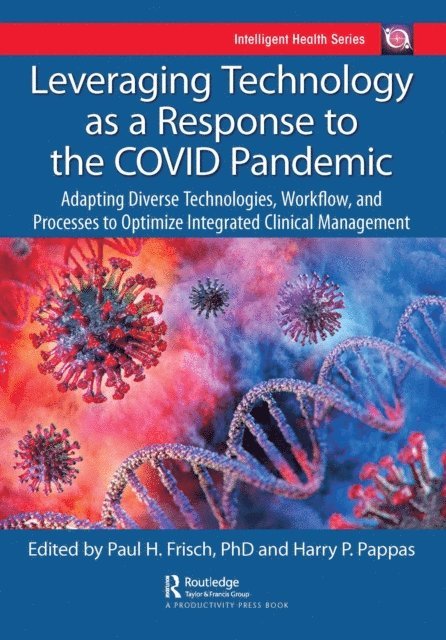
Leveraging Technology as a Response to the COVID Pandemic
Adapting Diverse Technologies, Workflow, and Processes to Optimize Integrated Clinical Management
Häftad, 2022
667 kr
Lägg i varukorg
In 2019 the world was struck with the Coronavirus (COVID-19) infecting major portions of the world’s population. There were no vaccines or treatments available to help mitigate the disease or offer a cure. The world's health systems were inundated with massive numbers of patients with varying …
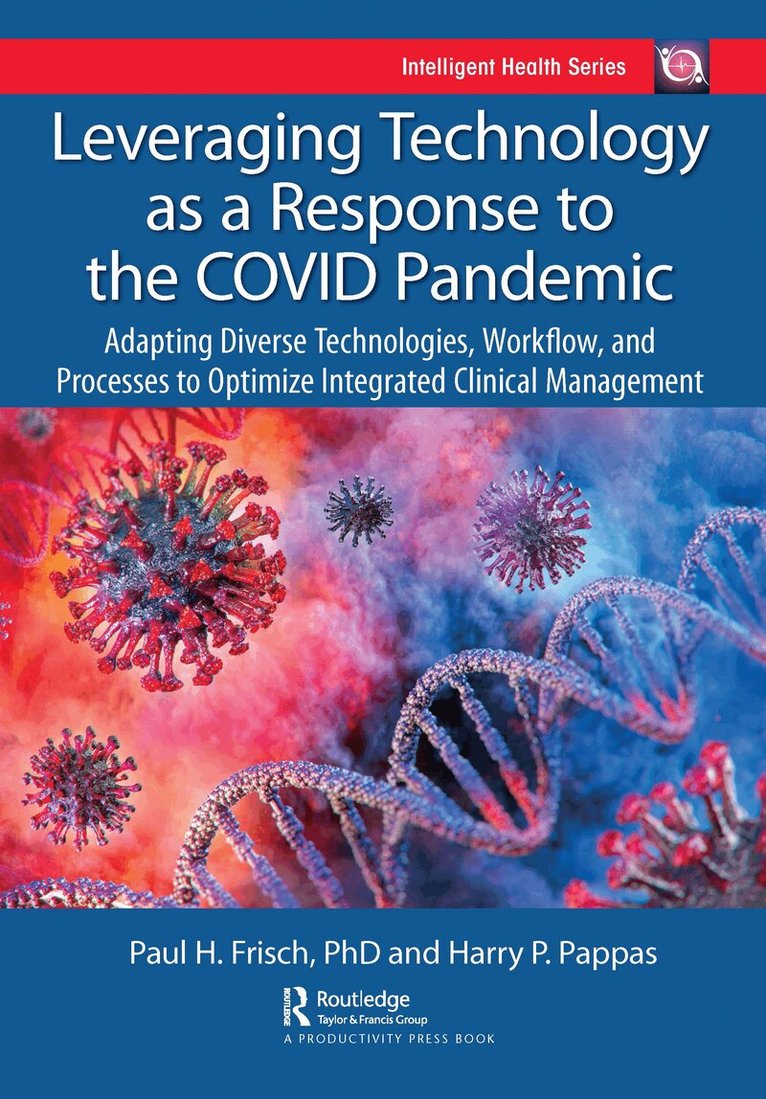
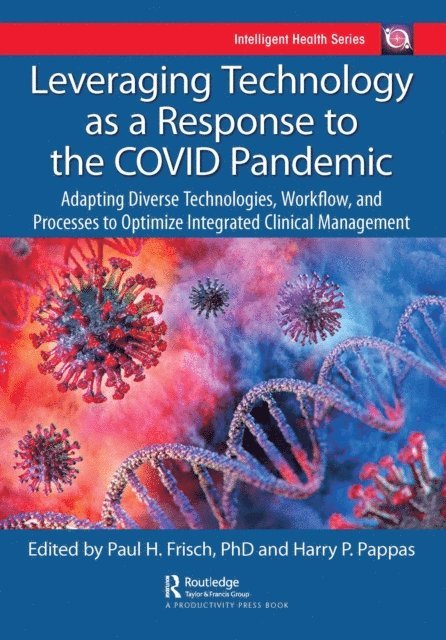
Leveraging Technology as a Response to the COVID Pandemic
Adapting Diverse Technologies, Workflow, and Processes to Optimize Integrated Clinical Management
Inbunden, 2022
2195 kr
Lägg i varukorg
In 2019 the world was struck with the Coronavirus (COVID-19) infecting major portions of the world’s population. There were no vaccines or treatments available to help mitigate the disease or offer a cure. The world's health systems were inundated with massive numbers of patients with varying …
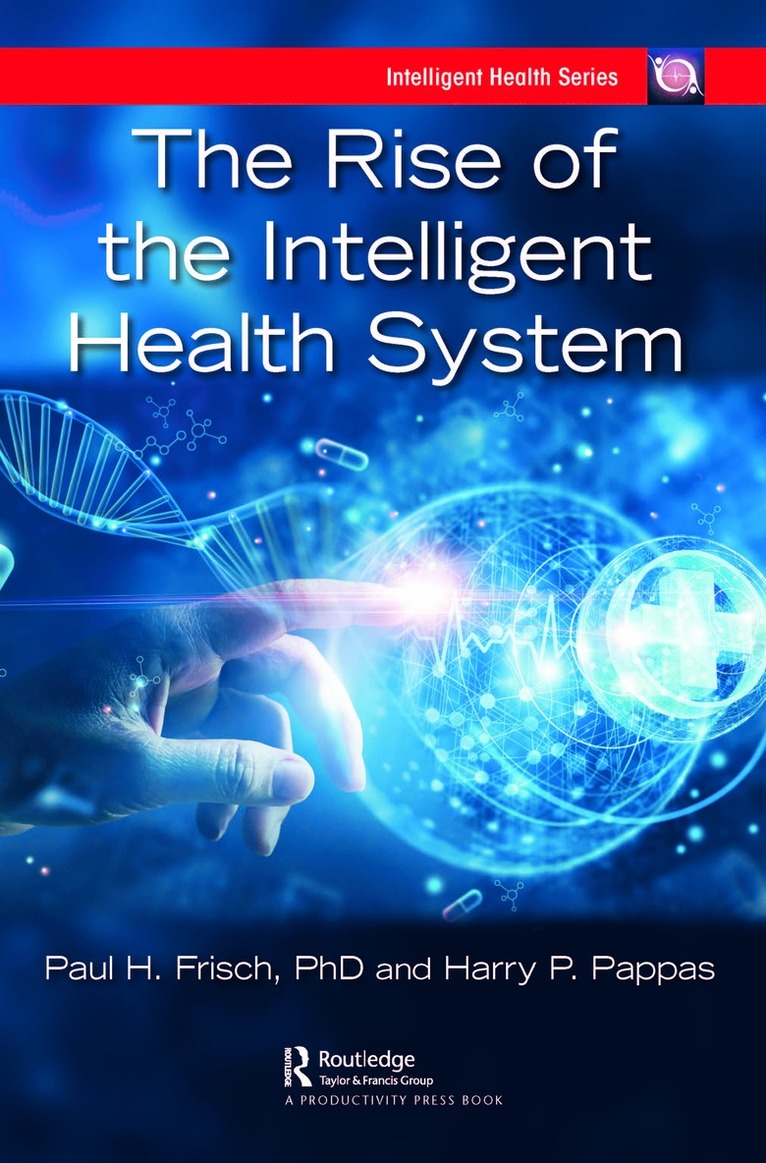
Rise of the Intelligent Health System
Häftad, 2024
783 kr
Lägg i varukorg
"I recommend that all members of the health community read this book to obtain a real snapshot of how the Intelligent Health System is being transformed via new technologies." Chris Landon MD FAAP, FCCP, FRSMClinical Associate Professor USC Keck School of MedicineTechnology Development Center …
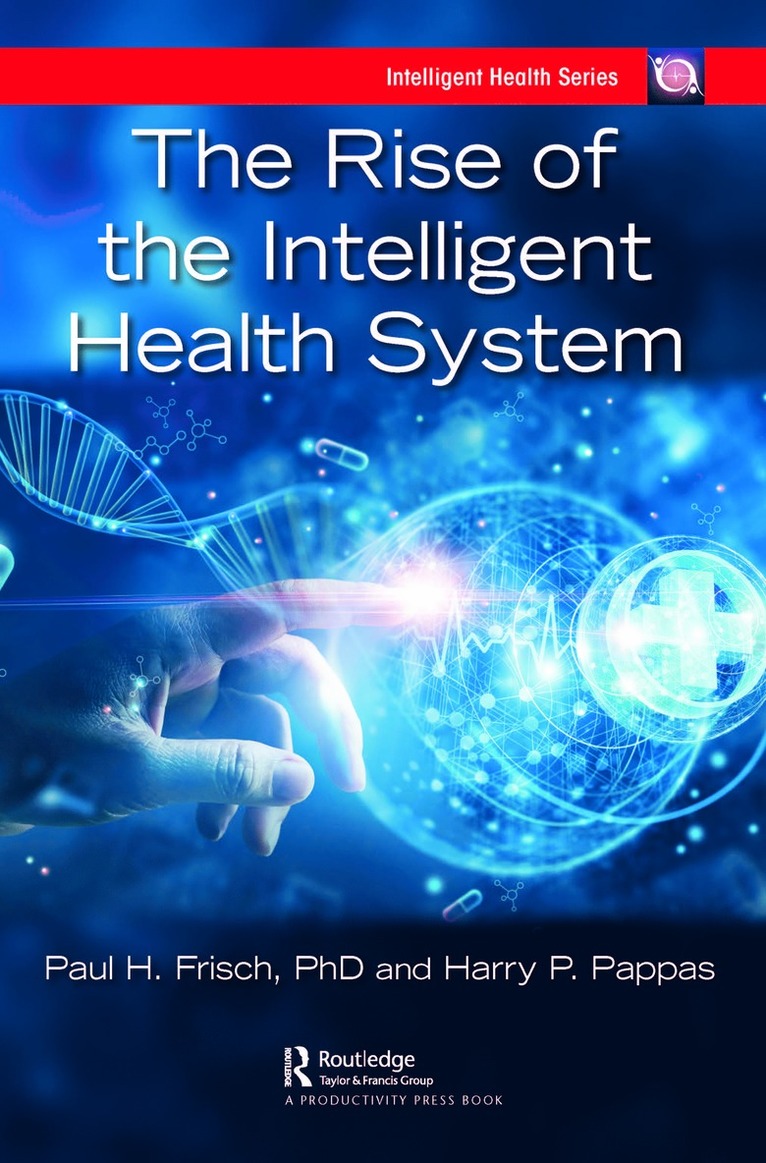
Rise of the Intelligent Health System
Inbunden, 2024
2585 kr
Lägg i varukorg
"I recommend that all members of the health community read this book to obtain a real snapshot of how the Intelligent Health System is being transformed via new technologies." Chris Landon MD FAAP, FCCP, FRSMClinical Associate Professor USC Keck School of MedicineTechnology Development Center …
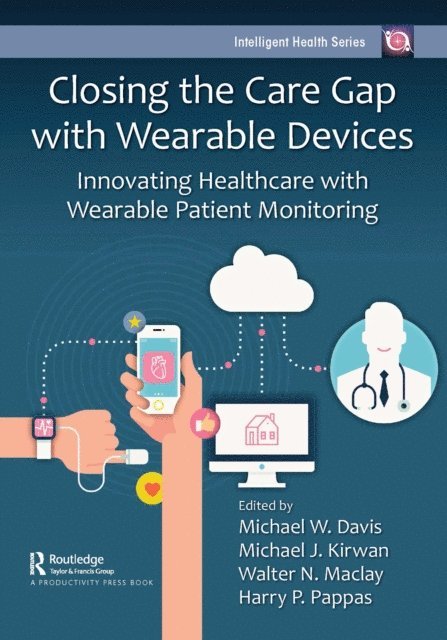
Closing the Care Gap with Wearable Devices
Innovating Healthcare with Wearable Patient Monitoring
Av Harry Pappas, Walter Maclay m. fl.
E-bok, 2022
795 kr
Lägg i varukorg
Patient-focused healthcare, driven by COVID-19 experiences, has become a hallmark for providing healthcare services to patients across all modalities of care and in the home. The ability to capture real-time patient data, no matter the location, via remote patient monitoring, and to transmit that …
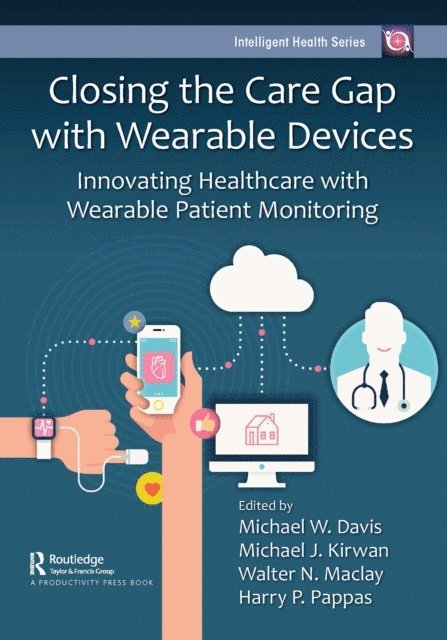
Closing the Care Gap with Wearable Devices
Innovating Healthcare with Wearable Patient Monitoring
Av Harry Pappas, Walter Maclay m. fl.
E-bok, 2022
813 kr
Lägg i varukorg
Patient-focused healthcare, driven by COVID-19 experiences, has become a hallmark for providing healthcare services to patients across all modalities of care and in the home. The ability to capture real-time patient data, no matter the location, via remote patient monitoring, and to transmit that …
Leveraging Technology as a Response to the COVID Pandemic
Adapting Diverse Technologies, Workflow, and Processes to Optimize Integrated Clinical Management
E-bok, 2022
785 kr
Lägg i varukorg
In 2019 the world was struck with the Coronavirus (COVID-19) infecting major portions of the world’s population. There were no vaccines or treatments available to help mitigate the disease or offer a cure. The world''s health systems were inundated with massive numbers of patients with varying …
Leveraging Technology as a Response to the COVID Pandemic
Adapting Diverse Technologies, Workflow, and Processes to Optimize Integrated Clinical Management
E-bok, 2022
785 kr
Lägg i varukorg
In 2019 the world was struck with the Coronavirus (COVID-19) infecting major portions of the world’s population. There were no vaccines or treatments available to help mitigate the disease or offer a cure. The world''s health systems were inundated with massive numbers of patients with varying …
Rise of the Intelligent Health System
E-bok, 2024
927 kr
Lägg i varukorg
"I recommend that all members of the health community read this book to obtain a real snapshot of how the Intelligent Health System is being transformed via new technologies." Chris Landon MD FAAP, FCCP, FRSM Clinical Associate Professor USC Keck School of Medicine Technology Development Center …
Rise of the Intelligent Health System
E-bok, 2024
927 kr
Lägg i varukorg
"I recommend that all members of the health community read this book to obtain a real snapshot of how the Intelligent Health System is being transformed via new technologies." Chris Landon MD FAAP, FCCP, FRSM Clinical Associate Professor USC Keck School of Medicine Technology Development Center …
Closing the Care Gap with Wearable Devices
Innovating Healthcare with Wearable Patient Monitoring
Av Michael Davis, Michael Kirwan m. fl.
Häftad, 2022
772 kr
Lägg i varukorg
Patient-focused healthcare, driven by COVID-19 experiences, has become a hallmark for providing healthcare services to patients across all modalities of care and in the home. The ability to capture real-time patient data, no matter the location, via remote patient monitoring, and to transmit that …
Closing the Care Gap with Wearable Devices
Innovating Healthcare with Wearable Patient Monitoring
Av Michael Davis, Michael Kirwan m. fl.
Inbunden, 2022
2195 kr
Lägg i varukorg
Patient-focused healthcare, driven by COVID-19 experiences, has become a hallmark for providing healthcare services to patients across all modalities of care and in the home. The ability to capture real-time patient data, no matter the location, via remote patient monitoring, and to transmit that …
ABC - AI, Blockchain, and Cybersecurity for Healthcare
New Innovations for the Post-Quantum Era
Av David Metcalf, Dexter Hadley m. fl.
Häftad, 2024
653 kr
Lägg i varukorg
Join us in the beginning of a conversation and what we hope will be a community dedicated to leveraging some of the latest technologies for a next generation of infrastructure. After decades of building enterprise systems, a fundamental change is occurring because of AI, Blockchain, and …
ABC - AI, Blockchain, and Cybersecurity for Healthcare
New Innovations for the Post-Quantum Era
Av David Metcalf, Dexter Hadley m. fl.
Inbunden, 2024
2076 kr
Lägg i varukorg
Join us in the beginning of a conversation and what we hope will be a community dedicated to leveraging some of the latest technologies for a next generation of infrastructure. After decades of building enterprise systems, a fundamental change is occurring because of AI, Blockchain, and …
The Better Way; A Better Life: A Life Changing Journey for CPAs & Financial Advisors on Purpose, with Passion, by Design
Av Harry Pappas
Häftad, 2014
353 kr
Lägg i varukorg