Harvey S James, Jr - Böcker
Visar alla böcker från författaren Harvey S James, Jr. Handla med fri frakt och snabb leverans.
4 produkter
4 produkter
722 kr
Skickas inom 7-10 vardagar
The introduction of new technologies can be controversial, especially when they create ethical tensions as well as winners and losers among stakeholders and interest groups. While ethical tensions resulting from the genetic modification of crops and plants and their supportive gene technologies have been apparent for decades, persistent challenges remain. This book explores the contemporary nature, type, extent and implications of ethical tensions resulting from agricultural biotechnology specifically and technology generally. There are four main arenas of ethical tensions: public opinion, policy and regulation, technology as solutions to problems, and older versus new technologies. Contributions focus on one or more of these arenas by identifying the ethical tensions technology creates and articulating emerging fault lines and, where possible, viable solutions. Key features include: Focusing on contemporary challenges created by new and emerging technologies, especially agricultural biotechnology. Identifying a unique perspective by considering the problem of ethical tensions created or enhanced by new technologies. Providing an interdisciplinary perspective by including perspectives from sociologists, economists, philosophers and other social scientists. This book will be of interest to academics in agricultural economics, sociology and philosophy and policymakers concerned with introducing new technology into agriculture.
3 059 kr
Skickas inom 7-10 vardagar
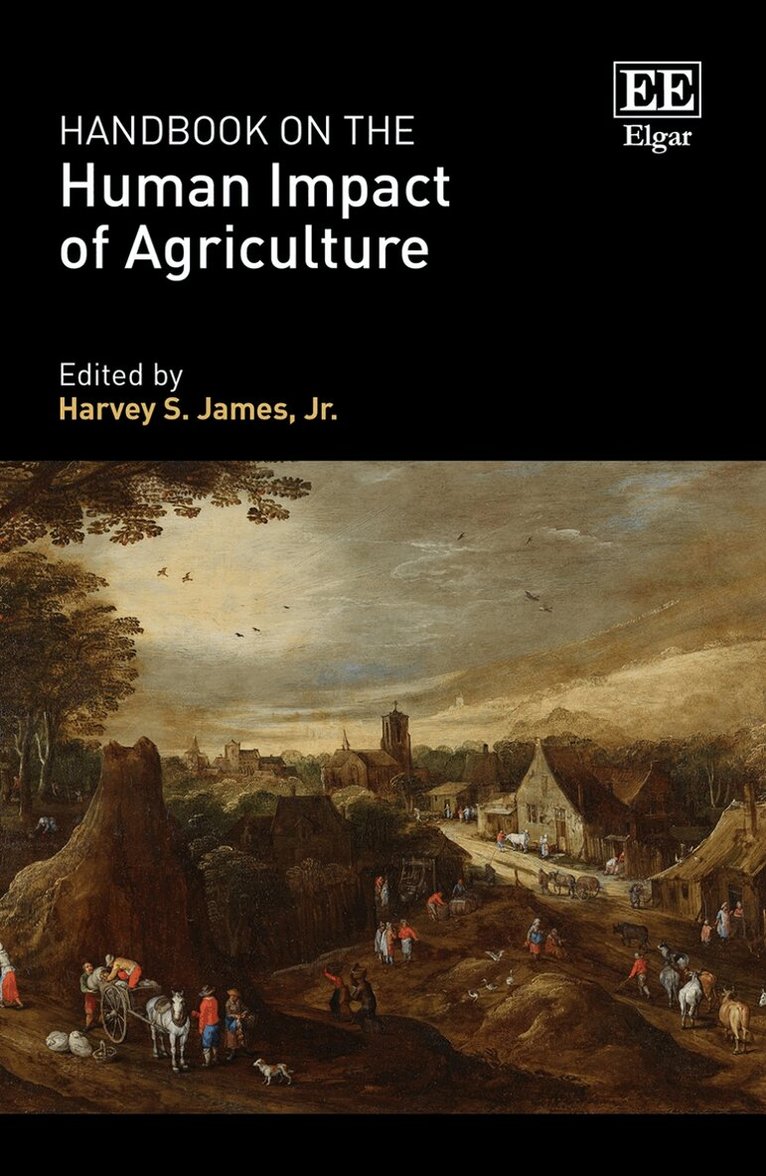
This timely Handbook synthesizes and analyzes key issues and concerns relating to the impact of agriculture on both farmers and non-farmers. With a unique focus on humans rather than animals or the environment, the book is interdisciplinary and international in scope, with contributions from sociologists, economists, anthropologists and geographers providing case studies and examples from all six populated continents.Looking at the pervasive impact of agriculture, the Handbook explores all aspects of the production of food and fiber within the agrifood value chain, including: farmers and laborers growing crops and raising livestock, businesses supplying inputs for these operations, and processors transforming plants and animals into intermediate and finished food, beverage and clothing products. Separated into four parts, it analyzes how the agrifood industry affects farmer well-being; the application of science and technology within an agricultural context; the ways in which agriculture affects the well-being of smallholder farmers, especially in developing countries; and agriculture’s impact more broadly on society.This will be a beneficial read for economics and sociology students, particularly those looking at the impacts of agriculture. Accessible and clear, the Handbook will also be helpful for policymakers and agricultural NGOs wanting a more in-depth understanding of the impact of agriculture on human life.
1 422 kr
Skickas inom 10-15 vardagar
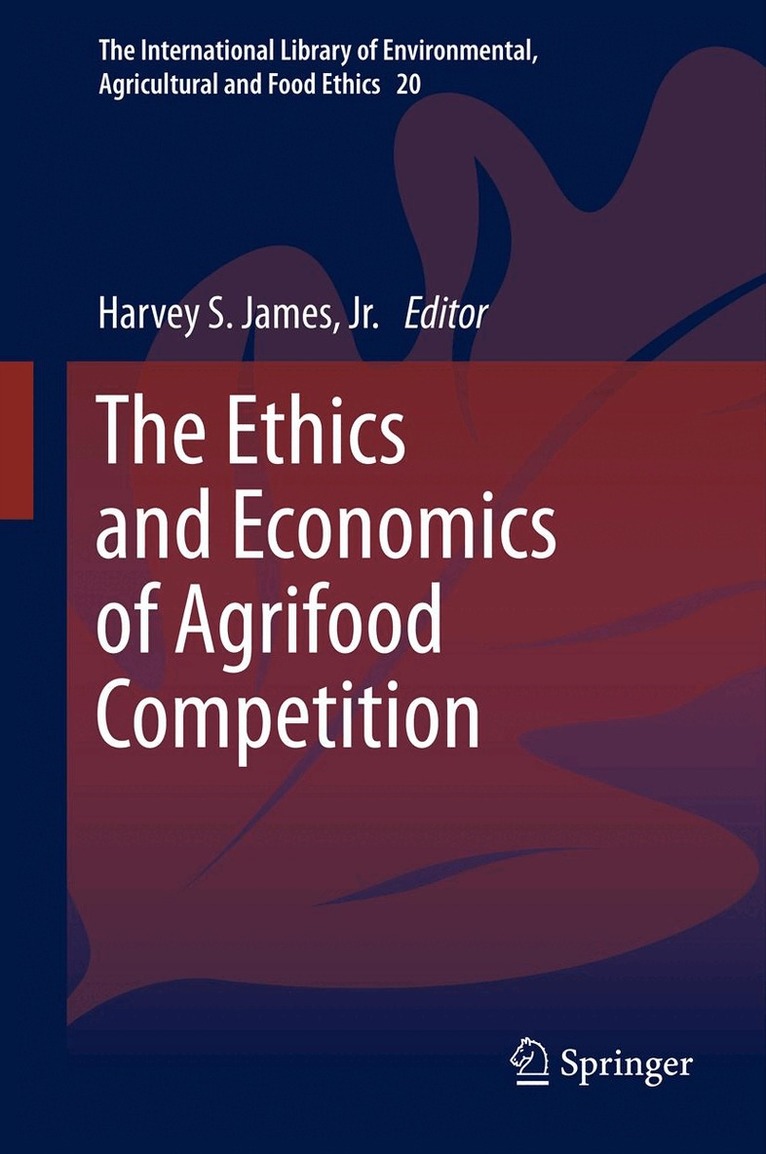
This edited volume presents ethical and economic analyses of agrifood competition. By systematically examining fairness and openness in agricultural markets, it seeks to answer the question of whether there is adequate competition in the agrifood industry and whether the system is fair to all participants. It outlines ethical and economic principles important for understanding agrifood competition, presents arguments for and against consolidation, globalization and the integration of agrifood industries, and looks at the implications of globalization on the nature of competition in specific agricultural contexts.
1 381 kr
Skickas inom 10-15 vardagar
This edited volume presents ethical and economic analyses of agrifood competition. By systematically examining fairness and openness in agricultural markets, it seeks to answer the question of whether there is adequate competition in the agrifood industry and whether the system is fair to all participants. It outlines ethical and economic principles important for understanding agrifood competition, presents arguments for and against consolidation, globalization and the integration of agrifood industries, and looks at the implications of globalization on the nature of competition in specific agricultural contexts.