Heather Barker – författare
Visar alla böcker från författaren Heather Barker. Handla med fri frakt och snabb leverans.
9 produkter
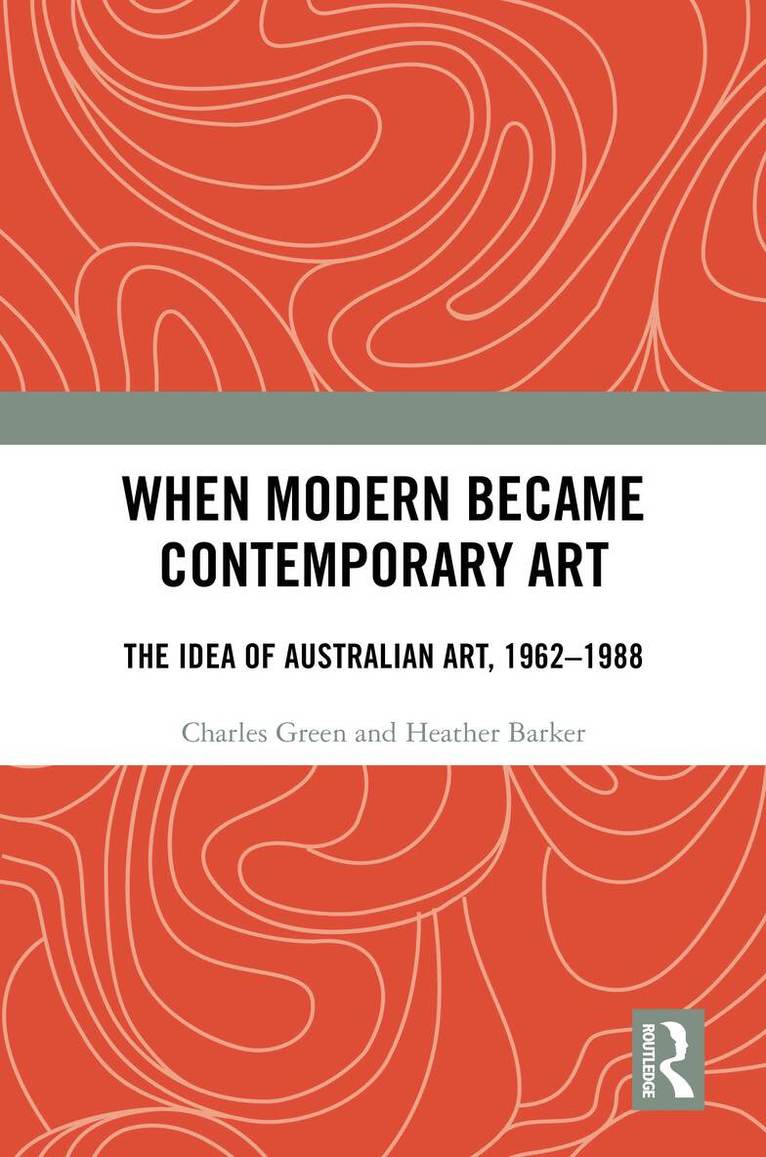
When Modern Became Contemporary Art
The Idea of Australian Art, 1962-1988
Av Charles Green, Heather Barker
Inbunden, 2024
2578 kr
Lägg i varukorg
This book is a portrait of the period when modern art became contemporary art. It explores how and why writers and artists in Australia argued over the idea of a distinctively Australian modern and then postmodern art from 1962, the date of publication of a foundational book, Australian Painting …
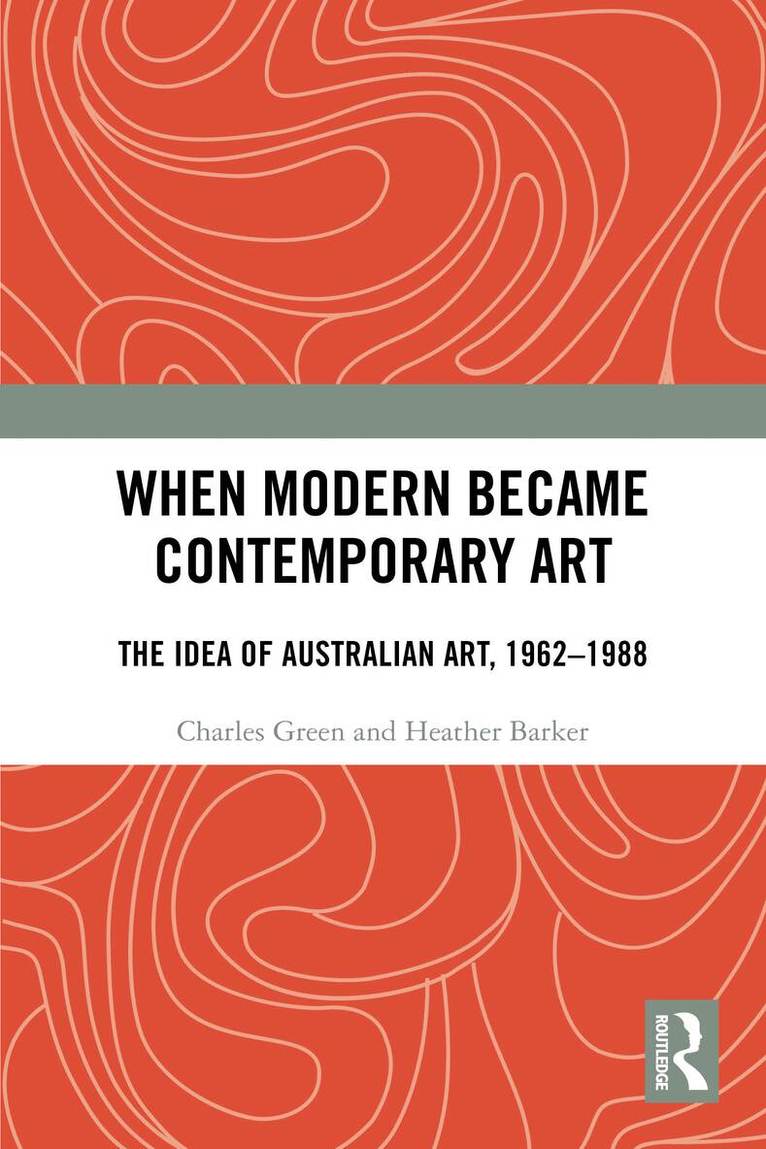
When Modern Became Contemporary Art
The Idea of Australian Art, 1962-1988
Av Charles Green, Heather Barker
Häftad, 2026
725 kr
Lägg i varukorg
This book is a portrait of the period when modern art became contemporary art. It explores how and why writers and artists in Australia argued over the idea of a distinctively Australian modern and then postmodern art from 1962, the date of publication of a foundational book, Australian Painting …
When Modern Became Contemporary Art
The Idea of Australian Art, 1962-1988
Av Heather Barker, Charles Green
E-bok, 2024
838 kr
Lägg i varukorg
This book is a portrait of the period when modern art became contemporary art. It explores how and why writers and artists in Australia argued over the idea of a distinctively Australian modern and then postmodern art from 1962, the date of publication of a foundational book, Australian Painting …
When Modern Became Contemporary Art
The Idea of Australian Art, 1962-1988
Av Heather Barker, Charles Green
E-bok, 2024
856 kr
Lägg i varukorg
This book is a portrait of the period when modern art became contemporary art. It explores how and why writers and artists in Australia argued over the idea of a distinctively Australian modern and then postmodern art from 1962, the date of publication of a foundational book, Australian Painting …
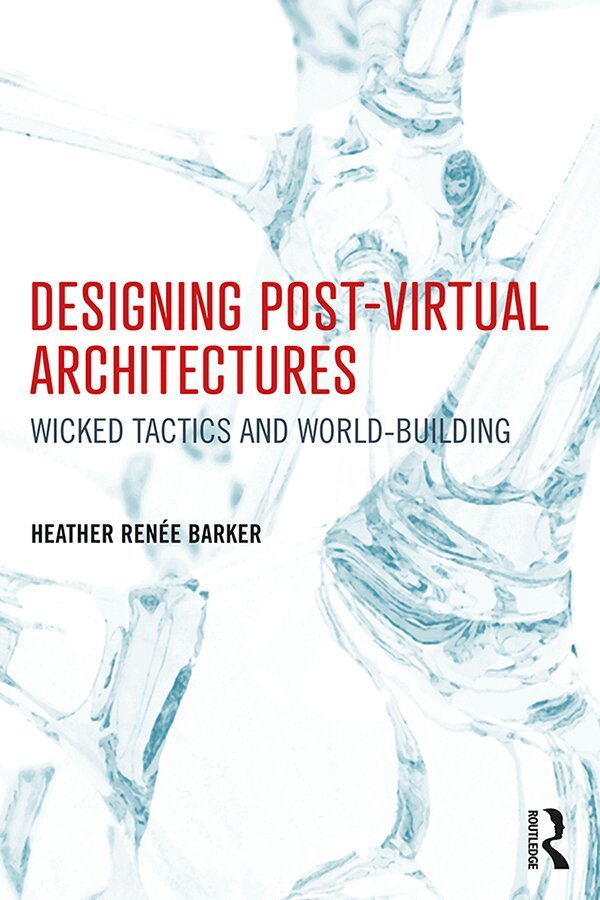
Designing Post-Virtual Architectures
Wicked Tactics and World-Building
Inbunden, 2019
2578 kr
Lägg i varukorg
Designing Post-Virtual Architectures: Wicked Tactics and World-Building explores, describes, and demonstrates theories and strategies for design in a post-virtual world. This book reveals affinities among social, mathematical, philosophical, and language expressions integrated into a theoretical …
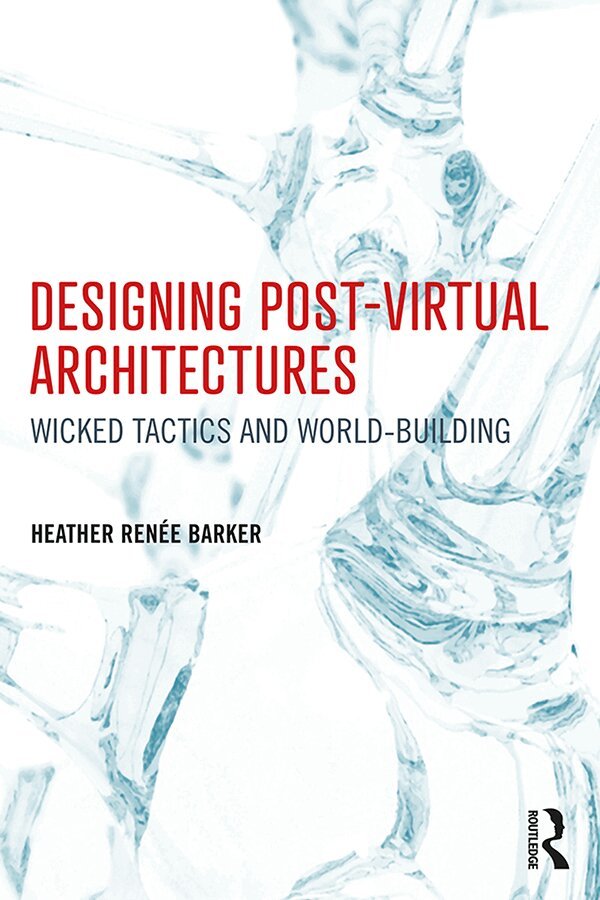
Designing Post-Virtual Architectures
Wicked Tactics and World-Building
Häftad, 2019
710 kr
Lägg i varukorg
Designing Post-Virtual Architectures: Wicked Tactics and World-Building explores, describes, and demonstrates theories and strategies for design in a post-virtual world. This book reveals affinities among social, mathematical, philosophical, and language expressions integrated into a theoretical …
Designing Post-Virtual Architectures
Wicked Tactics and World-Building
E-bok, 2019
838 kr
Lägg i varukorg
Designing Post-Virtual Architectures: Wicked Tactics and World-Building explores, describes, and demonstrates theories and strategies for design in a post-virtual world. This book reveals affinities among social, mathematical, philosophical, and language expressions integrated into a theoretical …
Designing Post-Virtual Architectures
Wicked Tactics and World-Building
E-bok, 2019
814 kr
Lägg i varukorg
Designing Post-Virtual Architectures: Wicked Tactics and World-Building explores, describes, and demonstrates theories and strategies for design in a post-virtual world. This book reveals affinities among social, mathematical, philosophical, and language expressions integrated into a theoretical …
Pepperpot
Best New Stories from the Caribbean
Av Garfield Ellis, Kevin Jared Hosein m. fl.
E-bok, 2014
241 kr
Lägg i varukorg
"This wonderful anthology of fresh voices . . . includes writers from Antigua and Barbuda, the Bahamas, Barbados, Belize, Jamaica, and Trinidad and Tobago." —Booklist Akashic Books and Peepal Tree Press, two of the foremost publishers of Caribbean literature, launch a joint Caribbean-focused …