Heather J. Shotton - Böcker
Visar alla böcker från författaren Heather J. Shotton. Handla med fri frakt och snabb leverans.
10 produkter
10 produkter
455 kr
Skickas inom 7-10 vardagar
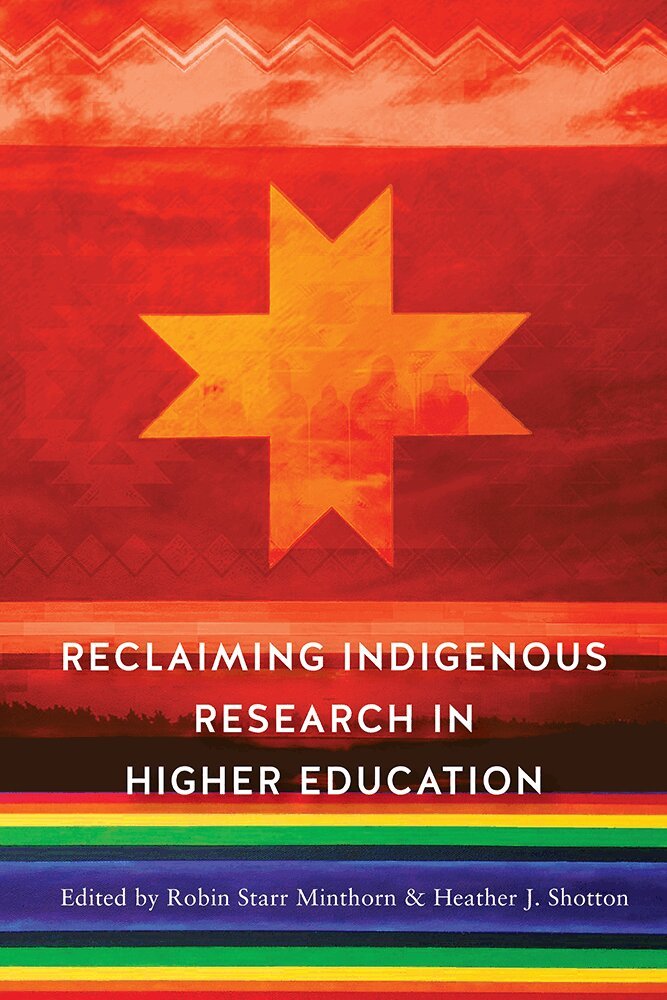
Indigenous students remain one of the least represented populations in higher education. They continue to account for only one percent of the total post-secondary student population, and this lack of representation is felt in multiple ways beyond enrollment. Less research money is spent studying Indigenous students, and their interests are often left out of projects that otherwise purport to address diversity in higher education. Recently, Native scholars have started to reclaim research through the development of their own research methodologies and paradigms that are based in tribal knowledge systems and values, and that allow inherent Indigenous knowledge and lived experiences to strengthen the research. Reclaiming Indigenous Research in Higher Education highlights the current scholarship emerging from these scholars of higher education. From understanding how Native American students make their way through school, to tracking tribal college and university transfer students, this book allows Native scholars to take center stage, and shines the light squarely on those least represented among us.
1 544 kr
Skickas inom 7-10 vardagar
Indigenous students remain one of the least represented populations in higher education. They continue to account for only one percent of the total post-secondary student population, and this lack of representation is felt in multiple ways beyond enrollment. Less research money is spent studying Indigenous students, and their interests are often left out of projects that otherwise purport to address diversity in higher education. Recently, Native scholars have started to reclaim research through the development of their own research methodologies and paradigms that are based in tribal knowledge systems and values, and that allow inherent Indigenous knowledge and lived experiences to strengthen the research. Reclaiming Indigenous Research in Higher Education highlights the current scholarship emerging from these scholars of higher education. From understanding how Native American students make their way through school, to tracking tribal college and university transfer students, this book allows Native scholars to take center stage, and shines the light squarely on those least represented among us.
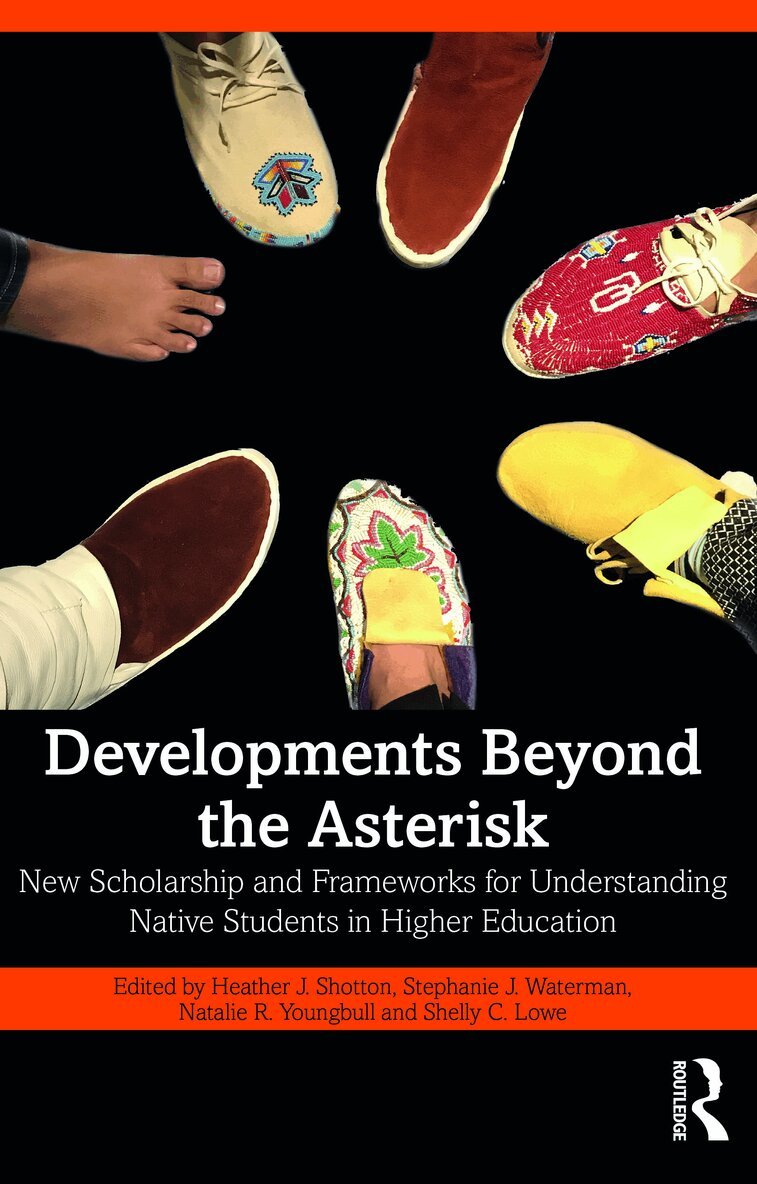
Developments Beyond the Asterisk
New Scholarship and Frameworks for Understanding Native Students in Higher Education
Häftad, Engelska, 2023
508 kr
Skickas inom 10-15 vardagar
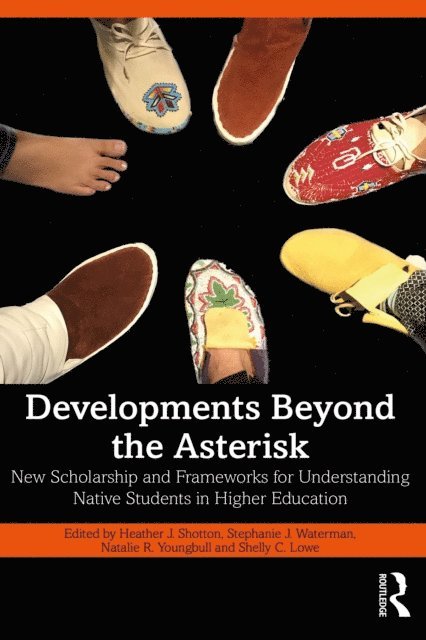
This edited volume serves as a follow-up to Beyond the Asterisk: Understanding Native Students in Higher Education, focusing on new scholarship, continued conversations, and growth in the field of Indigenous higher education.The landscape of higher education has changed significantly over the past decade; likewise, Indigenous higher education has grown into its own respective field with emerging scholarship that is written for and by Indigenous people. This book focuses on this growth, revisiting relevant topics in Indigenous higher education, while adding new and expanded research and insight from emerging scholars and practitioners, including chapters on Indigenous LGBTQIA+ and Two-Spirt students and Native Hawaiian and Pacific Islanders.The voices of Indigenous scholars who are challenging the status quo in higher education have grown louder, and institutions and organizations have increasingly begun to respond. This volume is essential to continued conversations in Indigenous higher education and invites current, emerging, and future scholars to carry the conversation forward in respectful, responsible, and relational ways.
Developments Beyond the Asterisk
New Scholarship and Frameworks for Understanding Native Students in Higher Education
Inbunden, Engelska, 2023
2 053 kr
Skickas inom 10-15 vardagar
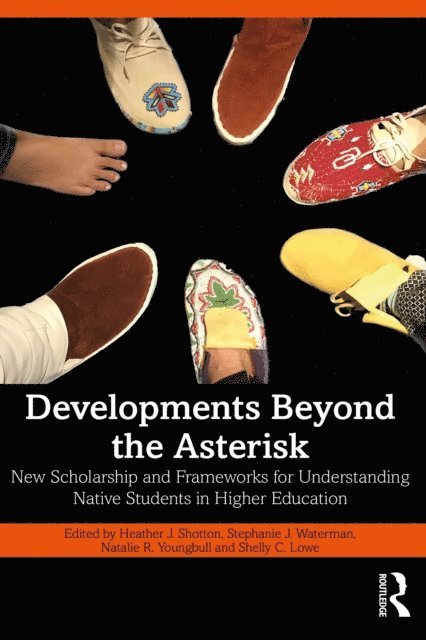
This edited volume serves as a follow-up to Beyond the Asterisk: Understanding Native Students in Higher Education, focusing on new scholarship, continued conversations, and growth in the field of Indigenous higher education.The landscape of higher education has changed significantly over the past decade; likewise, Indigenous higher education has grown into its own respective field with emerging scholarship that is written for and by Indigenous people. This book focuses on this growth, revisiting relevant topics in Indigenous higher education, while adding new and expanded research and insight from emerging scholars and practitioners, including chapters on Indigenous LGBTQIA+ and Two-Spirt students and Native Hawaiian and Pacific Islanders.The voices of Indigenous scholars who are challenging the status quo in higher education have grown louder, and institutions and organizations have increasingly begun to respond. This volume is essential to continued conversations in Indigenous higher education and invites current, emerging, and future scholars to carry the conversation forward in respectful, responsible, and relational ways.
2 053 kr
Skickas inom 10-15 vardagar
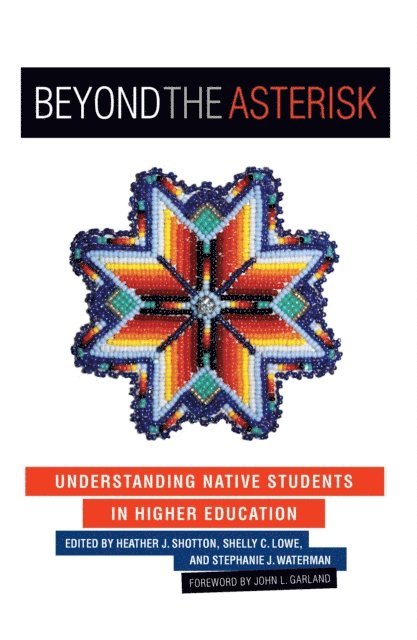
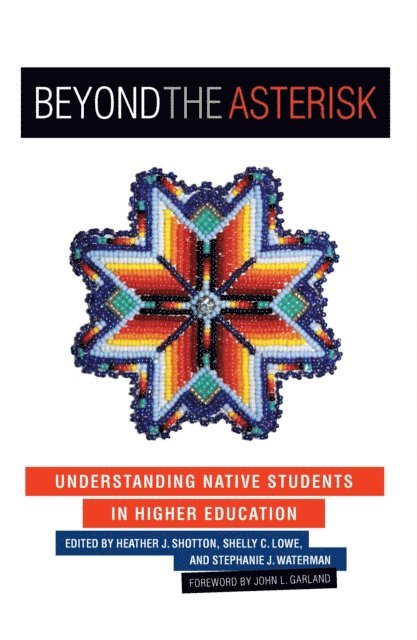
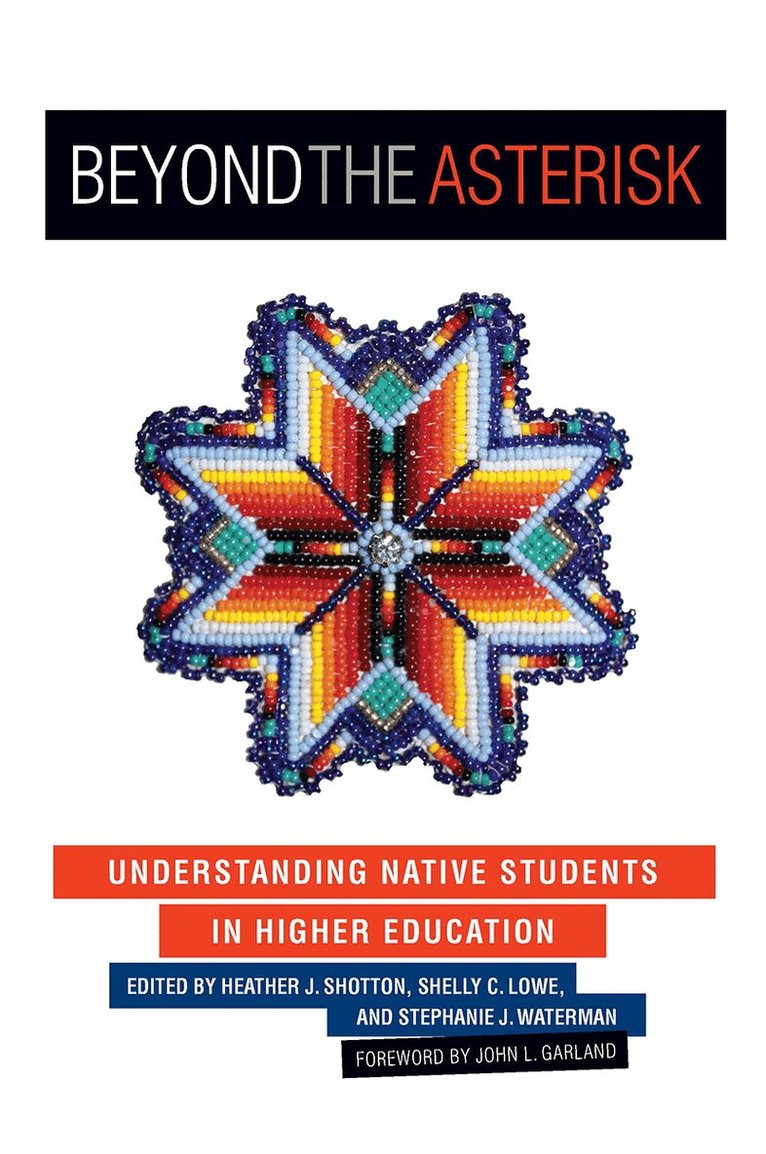
A Choice Outstanding Academic Title for 2013While the success of higher education and student affairs is predicated on understanding the students we serve, the reality is, where the Native American population is concerned, that this knowledge is generally lacking. This lack may be attributed to this population’s invisibility within the academy – it is often excluded from institutional data and reporting, and frequently noted as not statistically significant – and its relegation to what is referred to as the “American Indian research asterisk.”The purpose of this book is to move beyond the asterisk in an effort to better understand Native students, challenge the status quo, and provide an informed base for leaders in student and academic affairs, and administrators concerned with the success of students on their campuses.The authors of this book share their understanding of Native epistemologies, culture, and social structures, offering student affairs professionals and institutions a richer array of options, resources, and culturally-relevant and inclusive models to better serve this population. The book begins by providing insights into Native student experiences, presenting the first-year experience from a Native perspective, illustrating the role of a Native living/learning community in student retention, and discussing the importance of incorporating culture into student programming for Native students as well as the role of Native fraternities and sororities.The authors then consider administrative issues, such as the importance of outreach to tribal nations, the role of Tribal Colleges and Universities and opportunities for collaborations, and the development of Native American Student Services Units..The book concludes with recommendations for how institutions can better serve Native students in graduate programs, the role that Indigenous faculty play in student success, and how professional associations can assist student affairs professionals with fulfilling their role of supporting the success of Native American students, staff, and faculty. This book moves beyond the asterisk to provide important insights from Native American higher education leaders and non-Native practitioners who have made Native students a priority in their work.While predominantly addressed to the student affairs profession – providing an understanding of the needs of the Native students it serves, describing the multi-faceted and unique issues, characteristics and experiences of this population, and sharing proven approaches to developing appropriate services – it also covers issues of broader administrative concern, such as collaboration with tribal colleges; as well academic issues, such as graduate and professional education. The book covers new material, as well as expanding on topics previously addressed in the literature, including Native American Greek organizations, incorporating Native culture into student programming, and the role of Native American Special Advisors. The contributors are themselves products of colleges and universities where Native students are too often invisible, and who succeeded despite the odds. Their insights and the examples they provide add richness to this book. It will provide a catalyst for new higher education practices that lead to direct, and increased support for, Native Americans and others who are working to remove the Native American asterisk from research and practice.
522 kr
Skickas inom 10-15 vardagar
A Choice Outstanding Academic Title for 2013While the success of higher education and student affairs is predicated on understanding the students we serve, the reality is, where the Native American population is concerned, that this knowledge is generally lacking. This lack may be attributed to this population’s invisibility within the academy – it is often excluded from institutional data and reporting, and frequently noted as not statistically significant – and its relegation to what is referred to as the “American Indian research asterisk.”The purpose of this book is to move beyond the asterisk in an effort to better understand Native students, challenge the status quo, and provide an informed base for leaders in student and academic affairs, and administrators concerned with the success of students on their campuses.The authors of this book share their understanding of Native epistemologies, culture, and social structures, offering student affairs professionals and institutions a richer array of options, resources, and culturally-relevant and inclusive models to better serve this population. The book begins by providing insights into Native student experiences, presenting the first-year experience from a Native perspective, illustrating the role of a Native living/learning community in student retention, and discussing the importance of incorporating culture into student programming for Native students as well as the role of Native fraternities and sororities.The authors then consider administrative issues, such as the importance of outreach to tribal nations, the role of Tribal Colleges and Universities and opportunities for collaborations, and the development of Native American Student Services Units..The book concludes with recommendations for how institutions can better serve Native students in graduate programs, the role that Indigenous faculty play in student success, and how professional associations can assist student affairs professionals with fulfilling their role of supporting the success of Native American students, staff, and faculty. This book moves beyond the asterisk to provide important insights from Native American higher education leaders and non-Native practitioners who have made Native students a priority in their work.While predominantly addressed to the student affairs profession – providing an understanding of the needs of the Native students it serves, describing the multi-faceted and unique issues, characteristics and experiences of this population, and sharing proven approaches to developing appropriate services – it also covers issues of broader administrative concern, such as collaboration with tribal colleges; as well academic issues, such as graduate and professional education. The book covers new material, as well as expanding on topics previously addressed in the literature, including Native American Greek organizations, incorporating Native culture into student programming, and the role of Native American Special Advisors. The contributors are themselves products of colleges and universities where Native students are too often invisible, and who succeeded despite the odds. Their insights and the examples they provide add richness to this book. It will provide a catalyst for new higher education practices that lead to direct, and increased support for, Native Americans and others who are working to remove the Native American asterisk from research and practice.
2 053 kr
Skickas inom 10-15 vardagar
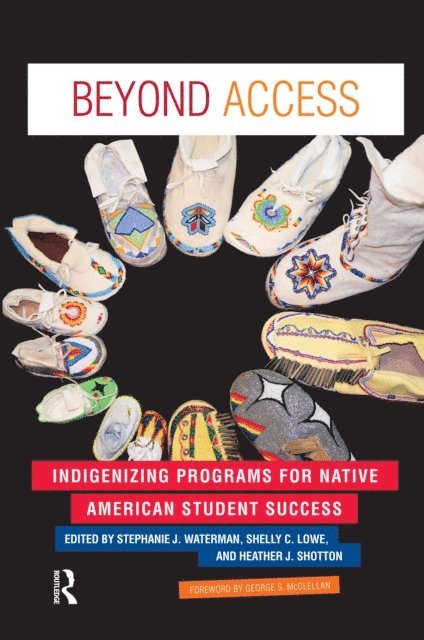
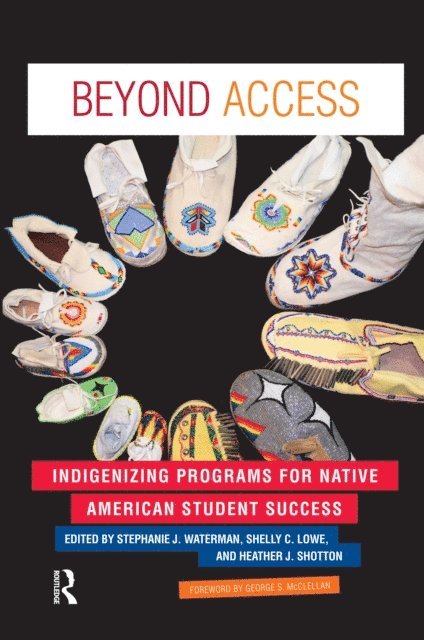
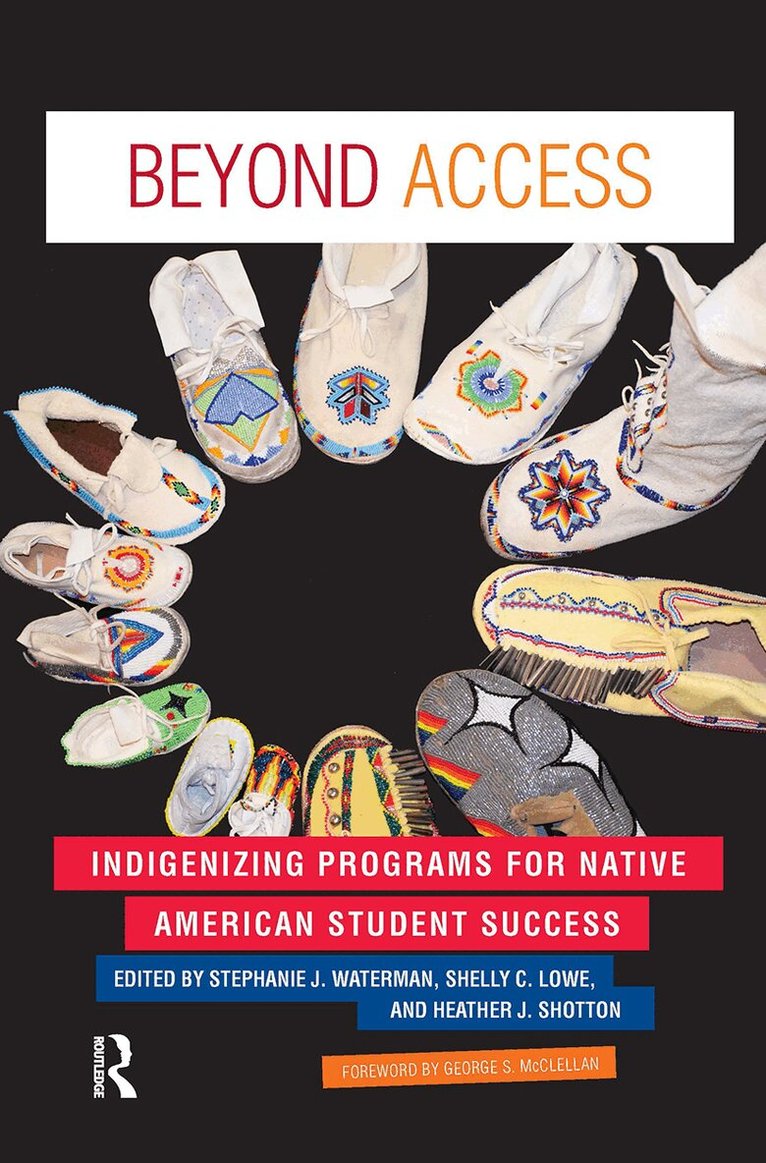
This book argues that two principal factors are inhibiting Native students from transitioning from school to college and from succeeding in their post-secondary studies. It presents models and examples of pathways to success that align with Native American students’ aspirations and cultural values.Many attend schools that are poorly resourced where they are often discouraged from aspiring to college. Many are alienated from the educational system by a lack of culturally appropriate and meaningful environment or support systems that reflect Indigenous values of community, sharing, honoring extended family, giving-back to one’s community, and respect for creation.The contributors to this book highlight Indigenized college access programs--meaning programs developed by, not just for--the Indigenous community, and are adapted, or developed, for the unique Indigenous populations they serve. Individual chapters cover a K-12 program to develop a Native college-going culture through community engagement; a “crash course” offered by a higher education institution to compensate for the lack of college counseling and academic advising at students’ schools; the role of tribal colleges and universities; the recruitment and retention of Native American students in STEM and nursing programs; financial aid; educational leadership programs to prepare Native principals, superintendents, and other school leaders; and, finally, data regarding Native American college students with disabilities. The chapters are interspersed with narratives from current Indigenous graduate students.This is an invaluable resource for student affairs practitioners and higher education administrators wanting to understand and serve their Indigenous students.
482 kr
Skickas inom 10-15 vardagar
This book argues that two principal factors are inhibiting Native students from transitioning from school to college and from succeeding in their post-secondary studies. It presents models and examples of pathways to success that align with Native American students’ aspirations and cultural values.Many attend schools that are poorly resourced where they are often discouraged from aspiring to college. Many are alienated from the educational system by a lack of culturally appropriate and meaningful environment or support systems that reflect Indigenous values of community, sharing, honoring extended family, giving-back to one’s community, and respect for creation.The contributors to this book highlight Indigenized college access programs--meaning programs developed by, not just for--the Indigenous community, and are adapted, or developed, for the unique Indigenous populations they serve. Individual chapters cover a K-12 program to develop a Native college-going culture through community engagement; a “crash course” offered by a higher education institution to compensate for the lack of college counseling and academic advising at students’ schools; the role of tribal colleges and universities; the recruitment and retention of Native American students in STEM and nursing programs; financial aid; educational leadership programs to prepare Native principals, superintendents, and other school leaders; and, finally, data regarding Native American college students with disabilities. The chapters are interspersed with narratives from current Indigenous graduate students.This is an invaluable resource for student affairs practitioners and higher education administrators wanting to understand and serve their Indigenous students.
455 kr
Skickas inom 7-10 vardagar
Indigenous Motherhood in the Academy highlights the experiences and narratives emerging from Indigenous mothers in the academy who are negotiating their roles in multiple contexts. The essays in this volume contribute to the broader higher education literature and the literature on Indigenous representation in the academy, filling a longtime gap that has excluded Indigenous women scholar voices. This book covers diverse topics such as the journey to motherhood, lessons through motherhood, acknowledging ancestors and grandparents in one’s mothering, how historical trauma and violence plague the past, and balancing mothering through the healing process. More specific to Indigenous motherhood in the academy is how culture and place impacts mothering (specifically, if Indigenous mothers are not in their traditional homelands as they raise their children), how academia impacts mothering, how mothering impacts scholarship, and how to negotiate loss and other complexities between motherhood and one’s role in the academy.
1 636 kr
Skickas inom 7-10 vardagar
Indigenous Motherhood in the Academy highlights the experiences and narratives emerging from Indigenous mothers in the academy who are negotiating their roles in multiple contexts. The essays in this volume contribute to the broader higher education literature and the literature on Indigenous representation in the academy, filling a longtime gap that has excluded Indigenous women scholar voices. This book covers diverse topics such as the journey to motherhood, lessons through motherhood, acknowledging ancestors and grandparents in one’s mothering, how historical trauma and violence plague the past, and balancing mothering through the healing process. More specific to Indigenous motherhood in the academy is how culture and place impacts mothering (specifically, if Indigenous mothers are not in their traditional homelands as they raise their children), how academia impacts mothering, how mothering impacts scholarship, and how to negotiate loss and other complexities between motherhood and one’s role in the academy.