Heather Nicol - Böcker
Visar alla böcker från författaren Heather Nicol. Handla med fri frakt och snabb leverans.
4 produkter
4 produkter
789 kr
Skickas inom 5-8 vardagar
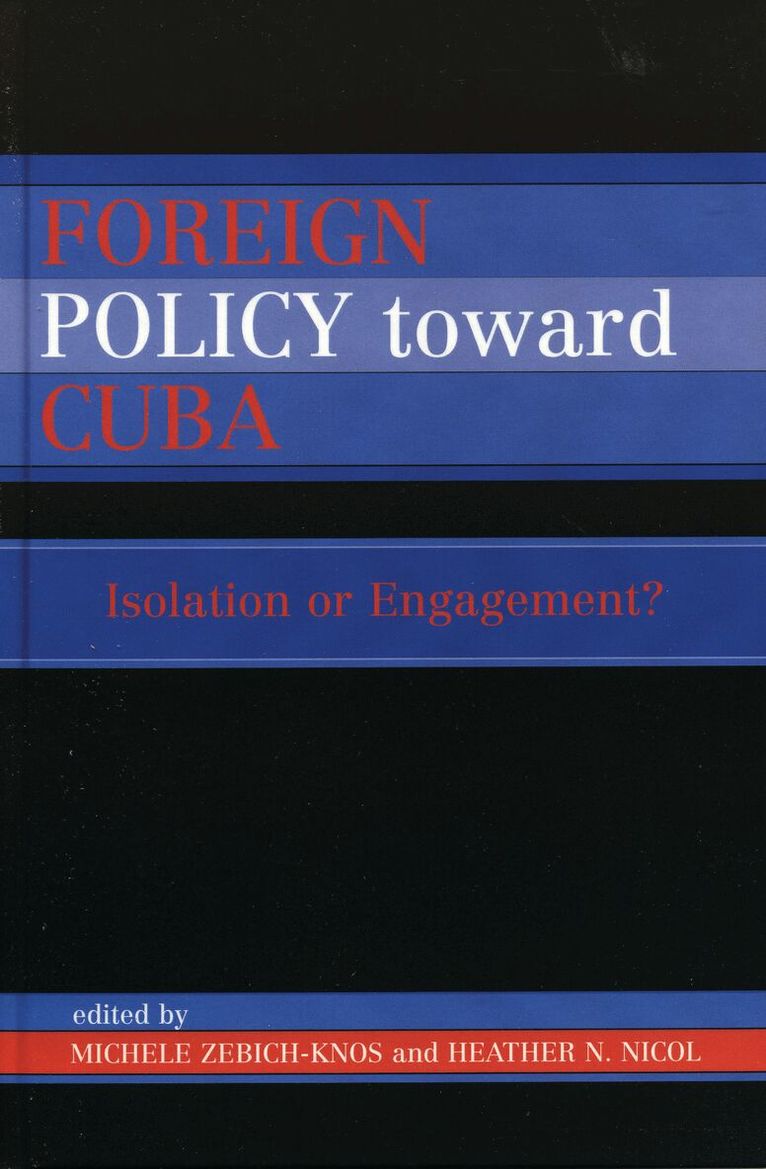
Foreign Policy Toward Cuba examines the disagreement between the foreign policy-making communities of the United States and Canada and that of Cuba and the Caribbean region. The book contrasts the differing Cuban foreign policy positions taken by the United States and Canada, contrasting them in turn with Caribbean and Cuban positions on North America. The book uses a wide range of perspectives, paying particular attention to the way the Western Hemisphere understands Cuba and the approaches of Cuban and Caribbean foreign policy toward North America. Of interest to students of Latin America, Cuba, and foreign policy and international relations, the book provides a clear interpretation of the complex foreign policy between nations.
2 155 kr
Skickas inom 10-15 vardagar
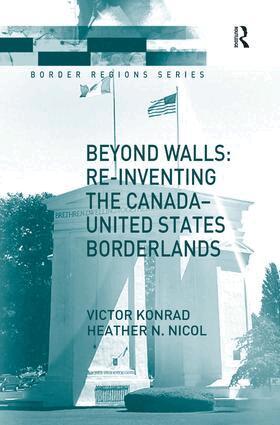
September 11, 2001 marked the beginning of a new era of security imperatives for many countries. The border between Canada and the United States suddenly emerged from relative obscurity to become a focus of constant attention by media, federal and state/provincial governments on both sides of the boundary, and the public at large. This book provides a comprehensive examination of the Canada-USA border in its 21st century form, placing it within the context of border and borderlands theory, globalization and the changing geopolitical dialogue. It argues that this border has been reinvented as a 'state of the art', technology-steeped crossing system, while the image of the border has been engineered to appear consistent with the 'friendly' border of the past. It shows how a border can evolve to a heightened level of security and yet continue to function well, sustaining the massive flow of trade. It argues whether, in doing so, the US-Canada border offers a model for future borderlands. Although this model is still evolving and still aspires toward better management practices, the template may prove useful, not only for North America, but also in conflict border zones as well as the meshed border regions of the EU, Africa's artificial line boundaries and other global situations.
96 kr
Skickas inom 5-8 vardagar
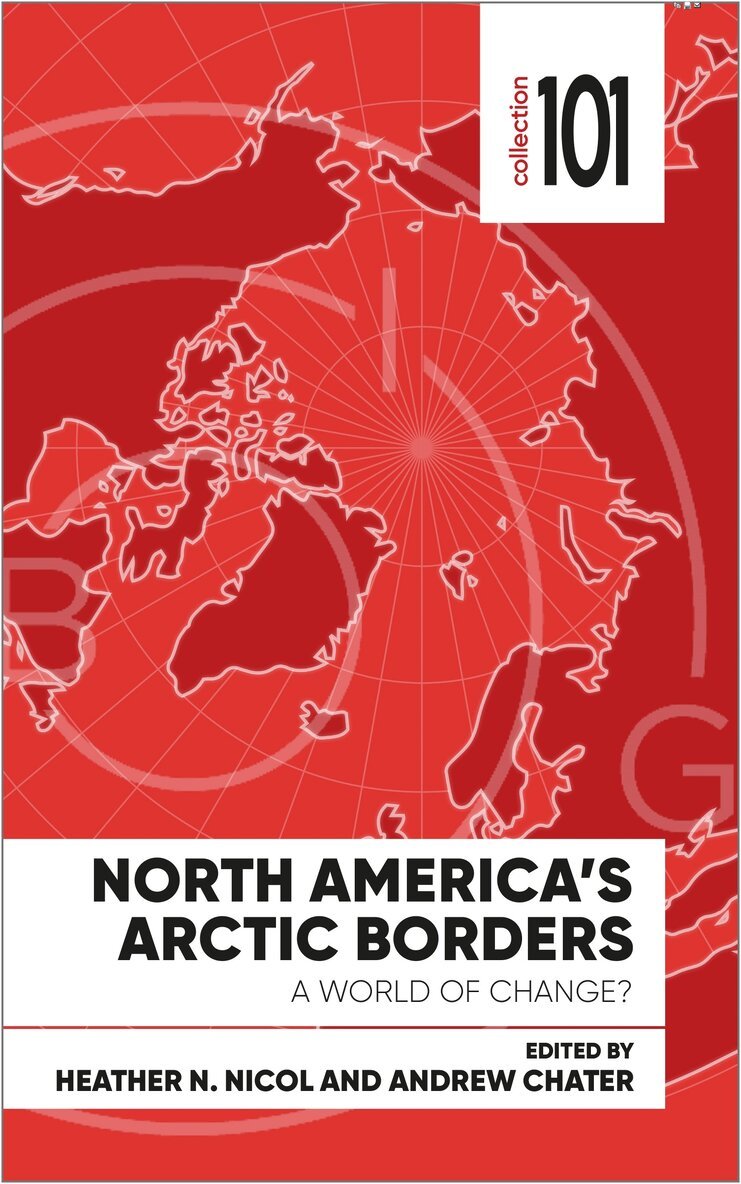
Although part of a broader circumpolar world, North America’s Arctic and sub-Arctic borders—and the establishment of new boundaries in the wake of significant, and regionally unique, change—are increasingly relevant in the broader, global world.Indeed, the Arctic reality has been dramatically reshaped by new territorial configurations and comprehensive land claims; increasing flows of international investment and trade focused upon resource industries and hydrocarbon extraction; the growing importance and role of sub-national entities, organizations, and Indigenous governments; shifting geopolitical interests; and existential challenges created by climate change and environmental security.This book demonstrates how North America’s Arctic borders are being reshaped by globalization even as these borders are adjusting to new internal pressures such as devolution and the rise of sub-national territorial interests.
752 kr
Skickas inom 10-15 vardagar
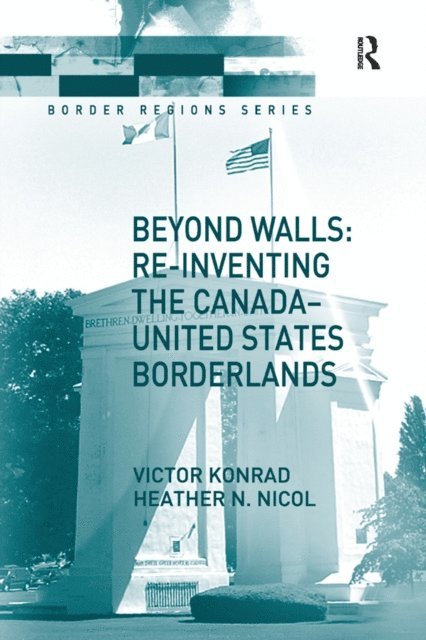
September 11, 2001 marked the beginning of a new era of security imperatives for many countries. The border between Canada and the United States suddenly emerged from relative obscurity to become a focus of constant attention by media, federal and state/provincial governments on both sides of the boundary, and the public at large. This book provides a comprehensive examination of the Canada-USA border in its 21st century form, placing it within the context of border and borderlands theory, globalization and the changing geopolitical dialogue. It argues that this border has been reinvented as a 'state of the art', technology-steeped crossing system, while the image of the border has been engineered to appear consistent with the 'friendly' border of the past. It shows how a border can evolve to a heightened level of security and yet continue to function well, sustaining the massive flow of trade. It argues whether, in doing so, the US-Canada border offers a model for future borderlands. Although this model is still evolving and still aspires toward better management practices, the template may prove useful, not only for North America, but also in conflict border zones as well as the meshed border regions of the EU, Africa's artificial line boundaries and other global situations.