Heewon Kim - Böcker
Visar alla böcker från författaren Heewon Kim. Handla med fri frakt och snabb leverans.
3 produkter
3 produkter
2 073 kr
Skickas inom 10-15 vardagar
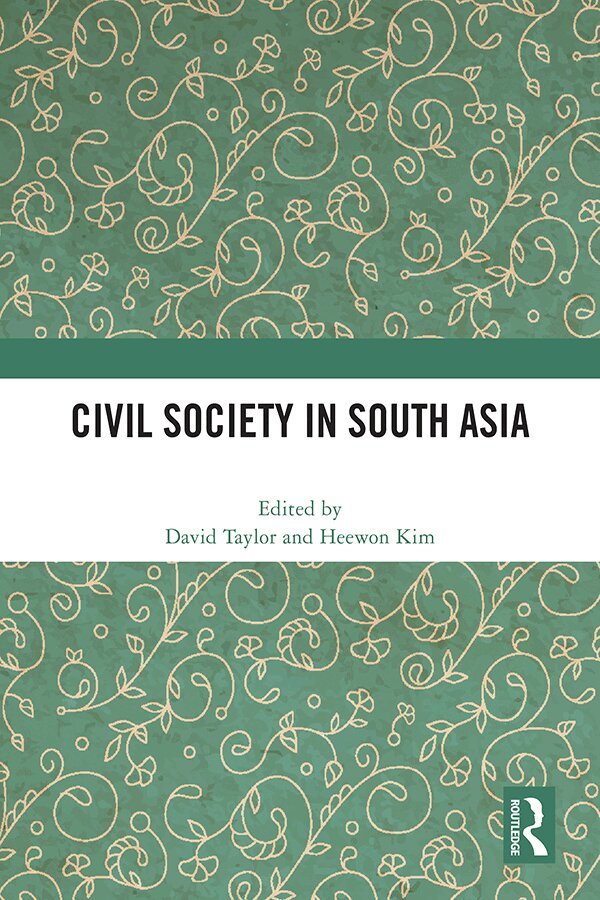
Are new ideas needed to disentangle the uses and abuses of the idea of civil society both in South Asia and beyond? This book seeks to explore this question by reviewing the debate on civil society mainly in India but also in Pakistan.Civil society is a term that has a rich history in European political and social thought since the 17th century. Yet it has also become shorthand either for groups who place themselves in opposition to state elites or for non- governmental organizations that initiate, often in partnership with international agencies, programmes of economic and social development that to a greater or lesser extent are distanced from the state. The purpose of this collection of essays, initially presented at a seminar in 2018 in Hyderabad in South India, is to explore these disconnects and to see if concepts of civil society can be developed that go with the grain of South Asia’s political and historical experience. Some of the chapters in this edited volume focus specifically on theoretical dimensions, while others take case studies from India and Pakistan.The chapters in this book were originally published as a special issue of the Journal of Civil Society.
572 kr
Skickas inom 10-15 vardagar
Are new ideas needed to disentangle the uses and abuses of the idea of civil society both in South Asia and beyond? This book seeks to explore this question by reviewing the debate on civil society mainly in India but also in Pakistan.Civil society is a term that has a rich history in European political and social thought since the 17th century. Yet it has also become shorthand either for groups who place themselves in opposition to state elites or for non- governmental organizations that initiate, often in partnership with international agencies, programmes of economic and social development that to a greater or lesser extent are distanced from the state. The purpose of this collection of essays, initially presented at a seminar in 2018 in Hyderabad in South India, is to explore these disconnects and to see if concepts of civil society can be developed that go with the grain of South Asia’s political and historical experience. Some of the chapters in this edited volume focus specifically on theoretical dimensions, while others take case studies from India and Pakistan.The chapters in this book were originally published as a special issue of the Journal of Civil Society.
878 kr
Skickas
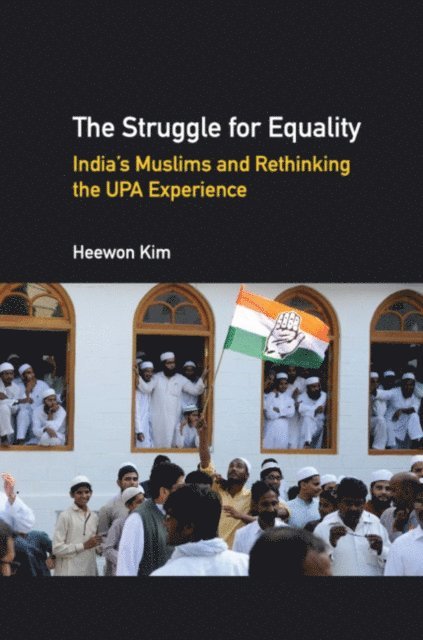
The United Progressive Alliance (UPA) government (2004–14) led by the Congress came to power with a radical agenda for religious minorities. This included legislation and policies against discrimination and disadvantages suffered by religious minorities, especially Muslims, and a new framework for delivering substantive equality of opportunity. This work offers a new interpretation of the UPA's record. In critically re-evaluating the UPA's performance, it uses an institutional policy analysis approach which combines historical institutionalism (and path dependence) with policy analysis. It draws on official sources and extensive interviews with elite administrators and policy makers who were at the core of decision making during the UPA's tenure in office. Detailed case studies are provided of Muslims in public sector employment, the provision of service delivery for Muslim communities in India, and the efforts to create a new legislative framework against communal violence.