Heiko Wimmen – författare
Visar alla böcker från författaren Heiko Wimmen. Handla med fri frakt och snabb leverans.
8 produkter
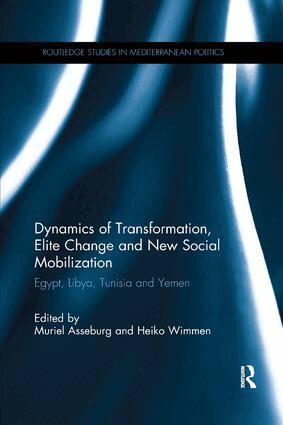
Dynamics of Transformation, Elite Change and New Social Mobilization
Egypt, Libya, Tunisia and Yemen
Av Heiko Wimmen, Muriel Asseburg
Häftad, 2019
747 kr
Lägg i varukorg
The political transformations initiated by the so-called Arab Spring in Egypt, Libya, Tunisia and Yemen have been marked by strong political contention, continued social mobilization and, albeit to different degrees, weak central state institutions. This book proposes that, rather than agreed …
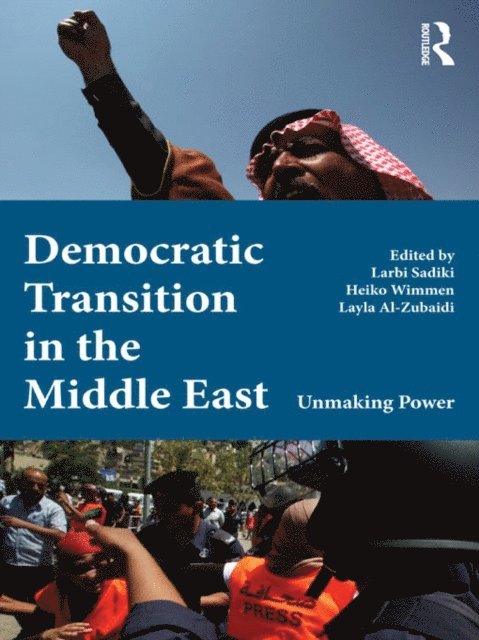
Democratic Transition in the Middle East
Unmaking Power
Av Larbi Sadiki, Heiko Wimmen m. fl.
Inbunden, 2012
2512 kr
Lägg i varukorg
Popular uprisings and revolts across the Arab Middle East have often resulted in a democratic faragh or void in power. How society seeks to fill that void, regardless of whether the regime falls or survives, is the common trajectory followed by the seven empirical case studies published here for …
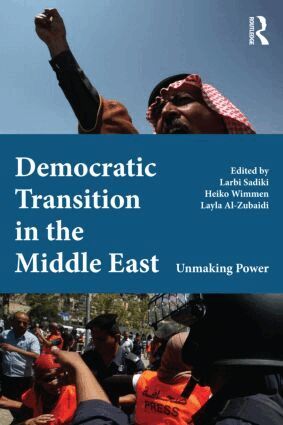
Democratic Transition in the Middle East
Unmaking Power
Av Larbi Sadiki, Heiko Wimmen m. fl.
Häftad, 2012
750 kr
Lägg i varukorg
Popular uprisings and revolts across the Arab Middle East have often resulted in a democratic faragh or void in power. How society seeks to fill that void, regardless of whether the regime falls or survives, is the common trajectory followed by the seven empirical case studies published here for …
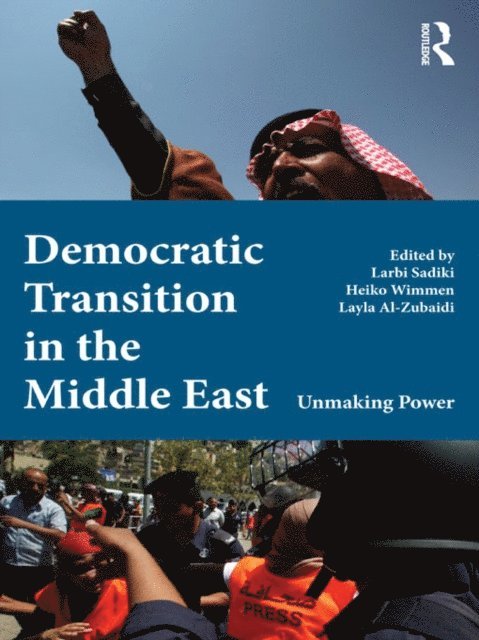
Democratic Transition in the Middle East
Unmaking Power
Av Layla Al Zubaidi, Heiko Wimmen m. fl.
E-bok, 2013
883 kr
Lägg i varukorg
Popular uprisings and revolts across the Arab Middle East have often resulted in a democratic faragh or void in power. How society seeks to fill that void, regardless of whether the regime falls or survives, is the common trajectory followed by the seven empirical case studies published here for …
Democratic Transition in the Middle East
Unmaking Power
Av Layla Al Zubaidi, Heiko Wimmen m. fl.
E-bok, 2013
883 kr
Lägg i varukorg
Popular uprisings and revolts across the Arab Middle East have often resulted in a democratic faragh or void in power. How society seeks to fill that void, regardless of whether the regime falls or survives, is the common trajectory followed by the seven empirical case studies published here for …
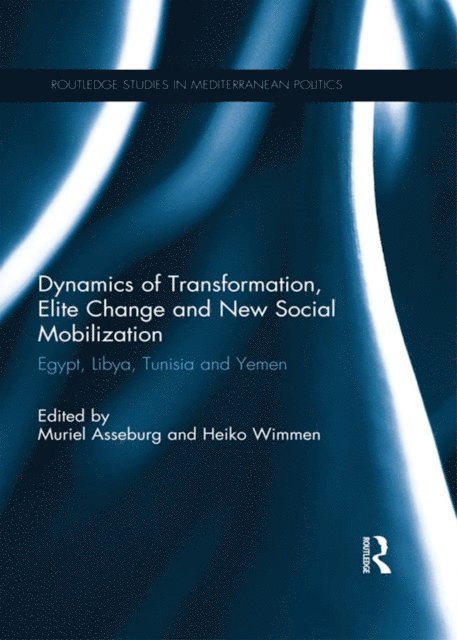
Dynamics of Transformation, Elite Change and New Social Mobilization
Egypt, Libya, Tunisia and Yemen
Av Heiko Wimmen, Muriel Asseburg
Inbunden, 2017
2504 kr
Lägg i varukorg
The political transformations initiated by the so-called Arab Spring in Egypt, Libya, Tunisia and Yemen have been marked by strong political contention, continued social mobilization and, albeit to different degrees, weak central state institutions. This book proposes that, rather than agreed …
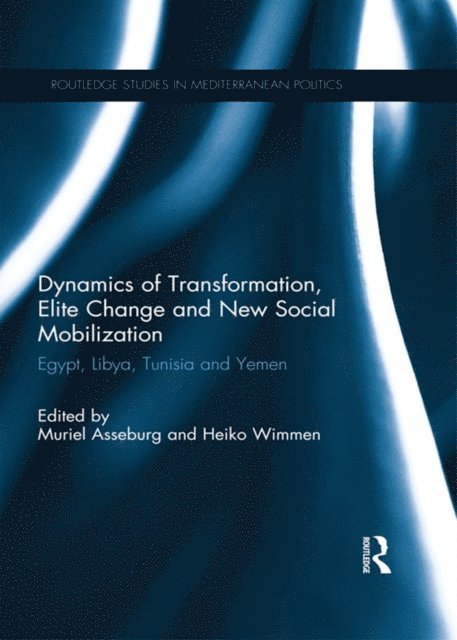
Dynamics of Transformation, Elite Change and New Social Mobilization
Egypt, Libya, Tunisia and Yemen
Av Heiko Wimmen, Muriel Asseburg
E-bok, 2018
883 kr
Lägg i varukorg
The political transformations initiated by the so-called Arab Spring in Egypt, Libya, Tunisia and Yemen have been marked by strong political contention, continued social mobilization and, albeit to different degrees, weak central state institutions. This book proposes that, rather than agreed …
Dynamics of Transformation, Elite Change and New Social Mobilization
Egypt, Libya, Tunisia and Yemen
Av Heiko Wimmen, Muriel Asseburg
E-bok, 2018
883 kr
Lägg i varukorg
The political transformations initiated by the so-called Arab Spring in Egypt, Libya, Tunisia and Yemen have been marked by strong political contention, continued social mobilization and, albeit to different degrees, weak central state institutions. This book proposes that, rather than agreed …